How to Clean Glasses Safely: Lens Cleaner, Cloths and Mistakes to Avoid
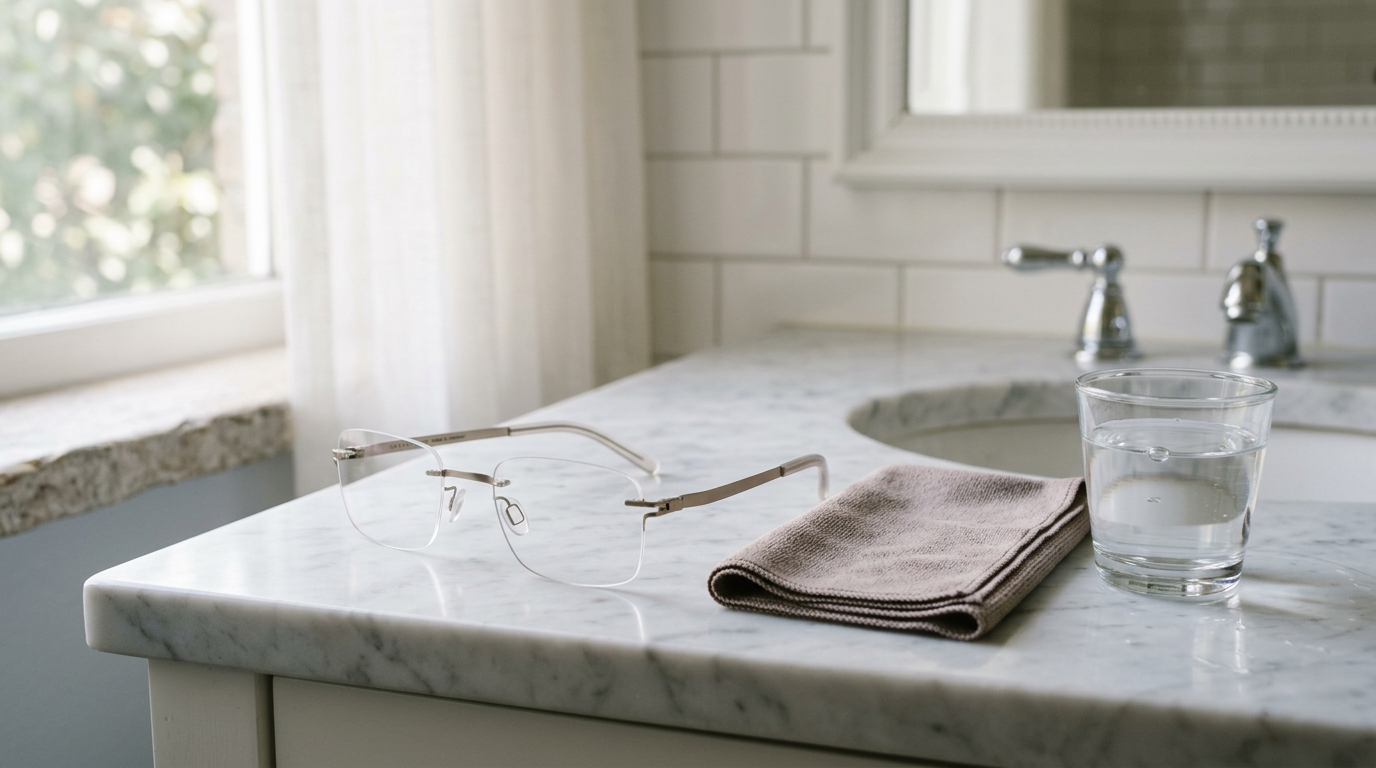
Here's the part nobody mentions when you pick up your first pair of glasses: the method matters more than the cleaner. Lukewarm water, one small drop of lotion-free dish soap, a clean microfiber cloth. That's the entire routine — boring, nearly free, and safer than most of what's sold for the job.
Most ruined lenses don't have a dramatic story behind them. It's the shirt-hem wipe. The hot tap. The window spray that seemed close enough. What follows is a homemade eyeglass cleaner that actually respects your lenses, the ingredients to keep far away from them, and the small habits that quietly wreck good eyewear.
|
The short version Rinse first. One drop of lotion-free dish soap, worked over both sides with clean fingertips. Rinse again, dry with clean microfiber. For a touch-up spray, mix distilled water with a tiny drop of the same soap. And keep vinegar, Windex, ammonia, hot water, and paper towels away from your lenses — every one of them can damage a coating. |
Why Safe Glasses Cleaning Matters
Smudges you notice. The slow damage, you don't. Film creeping over the nose pads. Hairline scratches stacking up from dry wipes. An anti-reflective coating going a little duller every month until one day the glare is simply back.

Glasses also live on your skin. All day. Skin is oily, and bacteria settle in around the nose pads and temple tips — which is why Healthline's medically reviewed guidance suggests a quick daily clean for the lenses and a weekly one for the frame.
Then there are the coatings. Anti-reflective, anti-scratch, blue-light, UV — most modern lenses carry several layers, and they're tougher than they look right up until they meet ammonia or a paper towel. Keeping those layers intact is the whole game. Everything below is in service of that.
Best Way to Clean Glasses at Home
Four steps. Ninety seconds, maybe less once it becomes habit. The Vision Council — the industry body behind eyewear standards — recommends this exact sequence: rinse, soap, rinse, dry. Each step earns its place.

Rinse Lenses Before Wiping
Grease isn't the enemy at this stage. Dust is. A dusty lens is basically a lens wearing fine grit, and wiping grit drags it across the coating like sandpaper. So the rinse comes first. Always. Lukewarm running water, both sides.
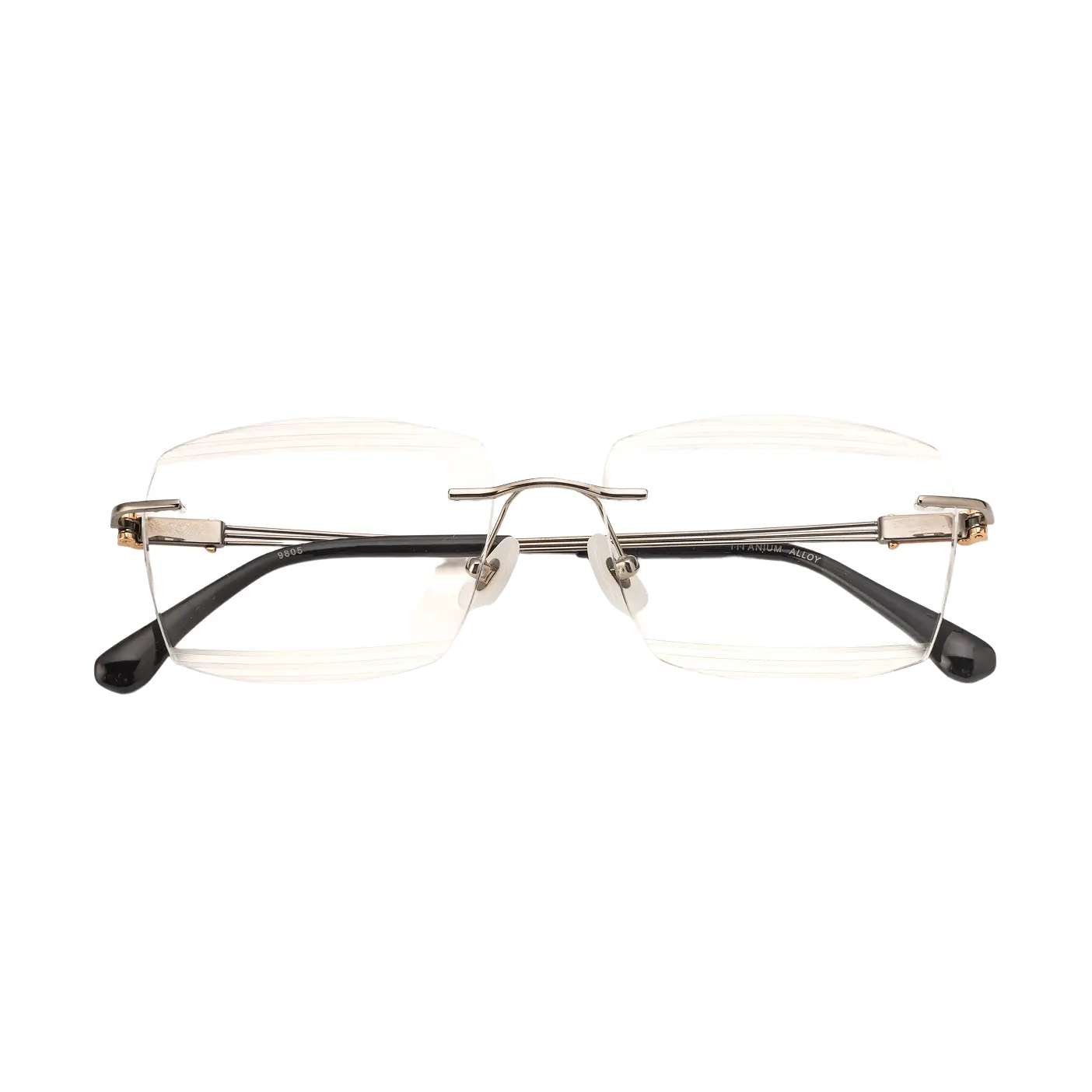
Hold the frame by the bridge or by both temples so nothing twists. Wearing rimless? Turn the tap down a little — drill mounts and tiny lens screws don't appreciate a blast.
Use Lotion-Free Dish Soap
One small drop per lens. That's it. Dish soap is concentrated, and extra soap just means extra rinsing. Work it over both sides with clean fingertips, then keep going — bridge, hinges, nose pads.
Lotion-free is the part people miss. Soap with moisturizer or citrus oil leaves a film, which is exactly what you came here to remove. Lenses feel slick after rinsing? That's residue. Rinse again.
Clean the Frames and Nose Pads
Most people wash the lenses and call it done. Then Thursday rolls around, the glasses feel greasy again, and the lenses get blamed. It was the frame all along — the part actually touching your skin, collecting sweat, sunscreen, and makeup from morning to night.
Rub the pads with a fingertip. A cotton swab gets into the tight spots near the hinges. And ease up on delicate builds — lightweight rimless frames made for all-day wear mount each lens through small drill points, so the right amount of pressure is barely any.
Dry With a Clean Microfiber Cloth
Pat first, then a light wipe. Done. Skip the paper towels, tissues, and shirt hems — all rougher than they feel, and Cleveland Clinic warns against paper products and clothing on coated lenses for exactly that reason.
Streaks left over? Don't rub harder. Rinse again. And save a fresh section of cloth for the last pass, because a dirty corner only relocates the oil.
|
A two-cloth habit Keep one microfiber cloth in your case and one at home. Wash both every couple of weeks. Most chronic streak problems trace back to a cloth that hasn't been clean since spring. |
Homemade Eyeglass Cleaner: Safe Recipe and When to Use It
Think of a homemade eyeglass cleaner as a touch-up spray. Light smudges, travel, the middle of a workday — that's its territory. It doesn't replace a real rinse when there's grit on the lens, and it should never borrow from window-cleaner recipes. Your lenses are coated. Your windows aren't.

Basic Homemade Eyeglass Cleaner Recipe
The classic version, made from things you probably own already:
- 1 part distilled water
- 1 part 70% isopropyl alcohol
- 1–2 drops of lotion-free dish soap
- A small, clean spray bottle — 2 oz is plenty
Swirl the bottle instead of shaking it; fewer bubbles, fewer streaks. A light mist on each side of the lens, then microfiber.
One caution before you commit. Alcohol cuts oil beautifully, but some anti-reflective coatings take repeated exposure badly. Coated lenses? Ask your optician before this becomes your daily spray.
Alcohol-Free Homemade Eyeglass Cleaner
The gentler option, and the smarter default for coated lenses. One cup of distilled water. One small drop of lotion-free dish soap. A clean bottle. That's the entire recipe.
The trick is restraint — use less soap than feels right. Too much dries into a haze that looks suspiciously like cloudy lenses a day later. Spray lightly, wipe, and rinse if anything feels slippery.
When Store Bought Cleaner Is Safer
Coated lenses do better with a cleaner labeled coating-safe — and the bottle should say so in plain words. If it smells like solvent or ammonia, it isn't, whatever the label claims.
Store bought also wins when there's no sink for miles. Just spray enough to actually wet the lens. A stingy mist over dry dust is lubricated sandpaper, nothing more.
Lens Cleaner Ingredients: What to Use and What to Avoid
Not every clear liquid deserves to touch a coated lens. The short version sits in the table; the detail follows.
|
Ingredient |
Verdict |
Why |
|
Distilled water |
Safe |
No minerals, no water spots — the best base for any DIY spray. |
|
Lotion-free dish soap |
Safe in tiny amounts |
Cuts skin oil without stressing coatings. |
|
70% isopropyl alcohol |
Use with care |
Strong on oil; dilute it, and check your coatings first. |
|
Tap water |
Fine for rinsing |
Hard-water areas may see spots — finish with distilled. |
|
White vinegar |
Skip |
Acidic. Hard on lens coatings with repeated use. |
|
Windex, ammonia, bleach |
Never |
Made for windows and bathrooms, not coated optics. |

Distilled Water vs Tap Water
Distilled dries clean — that's its whole appeal for spray recipes. Tap water carries minerals, and in hard-water areas those minerals dry into white spots right in your line of sight.
For everyday rinsing? Tap is usually fine. But if your glasses keep coming out cloudy, switch the final rinse to distilled and watch the problem disappear.
Rubbing Alcohol and Isopropyl Alcohol
Alcohol deserves its reputation — both halves of it. It strips oil fast and dries without streaks. It's also too harsh, undiluted, for some coatings and a few plastic frame parts.
So: diluted, occasional, and nowhere near mirror coatings or tints unless your optician signs off. For the daily clean, soap and water do the same job with none of the risk.
Dish Soap and Liquid Soap
Plain, lotion-free dish soap is the workhorse of this whole guide. It lifts fingerprints and skin oil and asks nothing of the coatings. The labels to dodge: ultra, grease-cutting, antibacterial, anything with moisturizer or essential oils — a warning All About Vision spells out in its own cleaning guide.
Hand soap? Different animal. Scrub beads, scent oils, lotion. All of it ends up on the lens as residue. One glance at the label and you're set.
Vinegar, Windex, Bleach, and Ammonia
None of these. Not once, not diluted, not in a pinch. Window sprays and household cleaners are built for surfaces without optical coatings, and The Vision Council names acetone and ammonia specifically as coating-strippers.
Vinegar feels innocent because it's food. On a coated lens it's still an acid. Need a substitute for lens cleaning solution? Lukewarm water and a drop of dish soap — not the cupboard under the sink.
|
Coating damage is quiet It builds slowly — a little haze, then peeling at the edge — and by the time you can see it, no cleaner can reverse it. Unsure about a product? Take the gentler route. |
Best Cloths for Cleaning Glasses
The cloth carries half the job. A perfect cleaner wiped in with a gritty cloth still scratches.

Why Microfiber Is Best for Lenses
Microfiber lifts oil instead of smearing it, and it sheds almost no lint — nothing else in the house manages both. Your shirt feels soft. Under magnification it isn't, and it's hauling laundry residue besides.
How to Wash a Microfiber Cloth
Warm water, a little lotion-free soap, air dry. Fabric softener is the one to avoid: it coats the fibers and turns a good cloth into a smearing one.
Keep it out of loads with towels and fleece, which shed lint straight into the weave. Comes out feeling greasy? Retire it.
When to Replace Your Cleaning Cloth
When it streaks after washing. When it feels stiff. When it's spent a day at the beach. Sand and makeup powder don't always wash out, and one compromised cloth quietly undoes everything else you're doing right.
Lenses looking worse after every wipe? Suspect the cloth before the cleaner.
Common Glasses Cleaning Mistakes to Avoid
Lens damage rarely comes from one bad day. It's a small habit, repeated a few hundred times.

Wiping Dry Lenses
The big one. Dust sits on the surface; a dry wipe drags it. Every pass leaves scratches too fine to see — until there are hundreds and the lens wears a permanent haze. No sink around? Spray until the lens is genuinely wet. Gritty lenses can wait ten minutes for a real rinse.
Using Hot Water
Heat stresses coatings and softens frame adhesives, and it saves its worst behavior for plastic and rimless builds, where small fit changes show up fast. Lukewarm only. Hot on your fingers means hot on your frames.
Using Too Much Soap
More soap doesn't clean more. It rinses less. The leftover film dries into streaks and pulls in dust faster than before. One drop per lens — and if the frame still feels slippery, the fix is another rinse, not another wipe.
Spraying Cleaner on Dirty Lenses
A light mist over dust just gives the grit something to slide on. Spray handles fingerprints and smudges. It does not handle a day at the beach. The lens should look wet before the cloth gets anywhere near it.
Using Paper Towels or Clothing
Paper is wood fiber. It scratches, and it sheds lint while it's at it. Clothing has collected everything you've touched since breakfast. Cleveland Clinic puts both on the do-not-use list for coated lenses — opticians will tell you the same, with feeling.
Using Harsh Household Cleaners
Bathroom spray, acetone, bleach. None of it belongs near a prescription lens, and the damage isn't always immediate — which somehow makes it worse. By the time a coating hazes or crazes, the only fix left is a new lens.
How to Clean Cloudy or Streaky Glasses
Cloudy lenses have four usual suspects — oil, soap film, hard-water spots, coating wear — and each one wants a different fix. Scrubbing harder fixes none of them.

How to Remove Oily Smudges
Skin oil, sunscreen, the occasional eyelash. Rinse, one drop of soap, fingertips over both sides, rinse, dry. Oil hiding along the lens edge? A cotton swab clears the groove — gently, and never pushed under a rimless mount.
How to Reduce Water Spots
Those white marks are tap-water minerals that dried where they landed. A distilled-water rinse and a prompt dry usually lifts them. And skip the vinegar trick — it's for shower doors, not coated lenses.
When Cloudiness Means Lens Coating Damage
If a careful wash changes nothing, look closer. Haze. Rainbow patches. Peeling at the edge, or a web of tiny cracks. That's the coating itself failing — usually after heat or harsh chemicals — and it helps to know what you're losing; the American Academy of Ophthalmology covers what each protective layer actually does. Once a layer starts to go, polishing only damages the prescription surface underneath. Let an optician make the call: dirt, scratches, or a lens that's done.
How to Clean Glasses Frames Safely
Frames carry more grime than lenses. They're just better at hiding it. The same gentle method covers most materials, with a few adjustments by build.
Cleaning Plastic Frames
Lukewarm water, mild soap, fingertips, and a thorough rinse so nothing dries on the surface. Two things to keep away from plastic: hot water, which shifts the fit, and heavy alcohol use, which dries the material out over time.
Cleaning Metal Frames
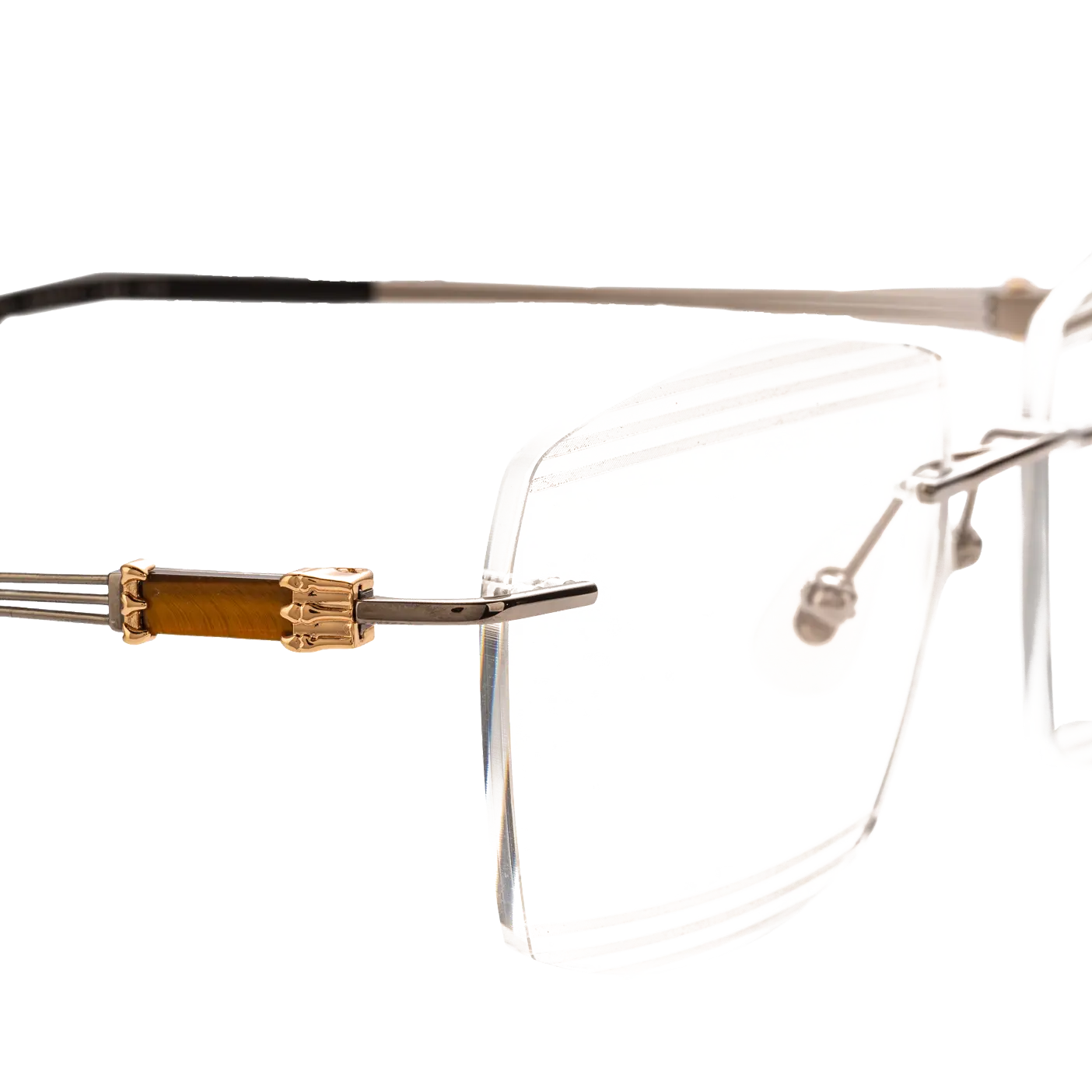
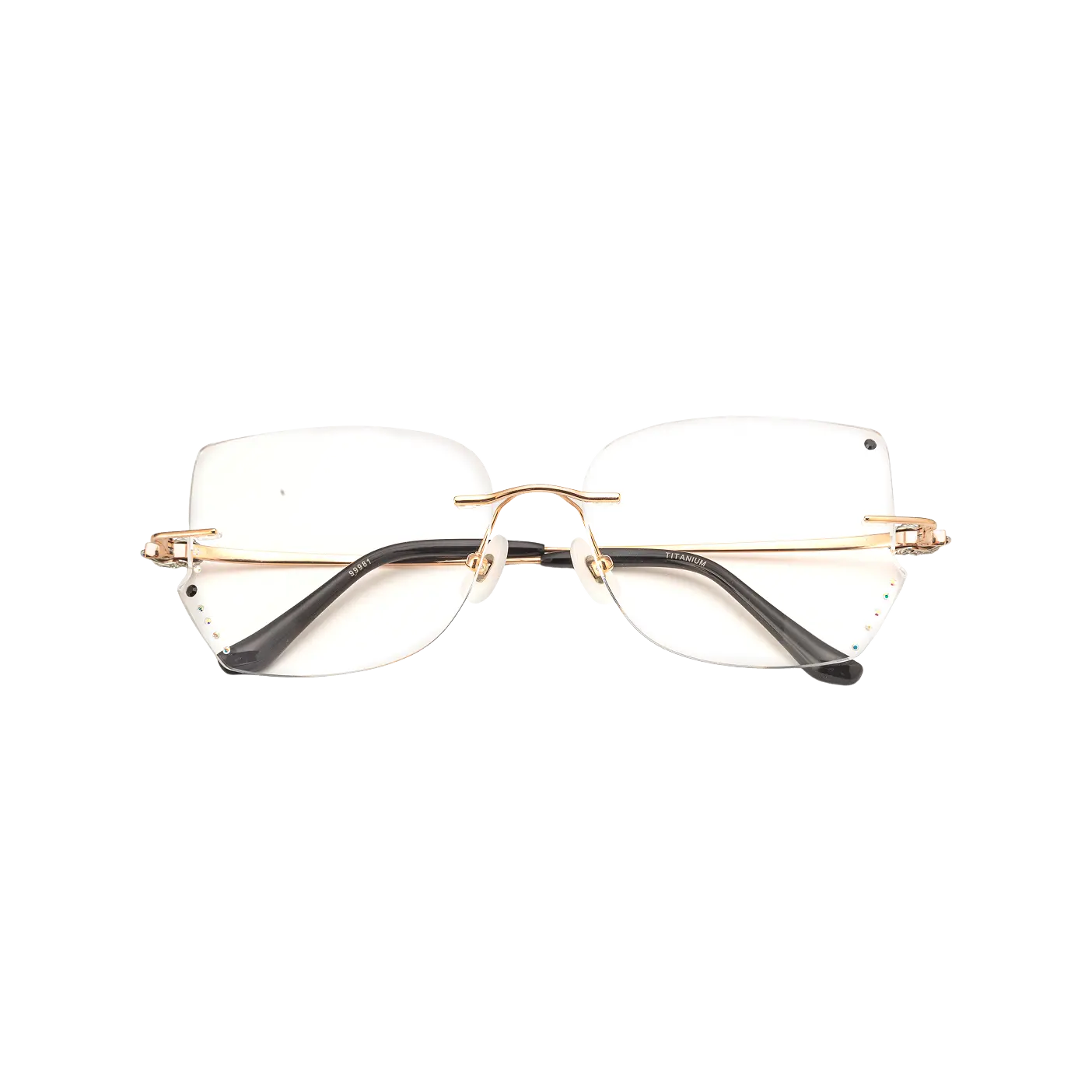
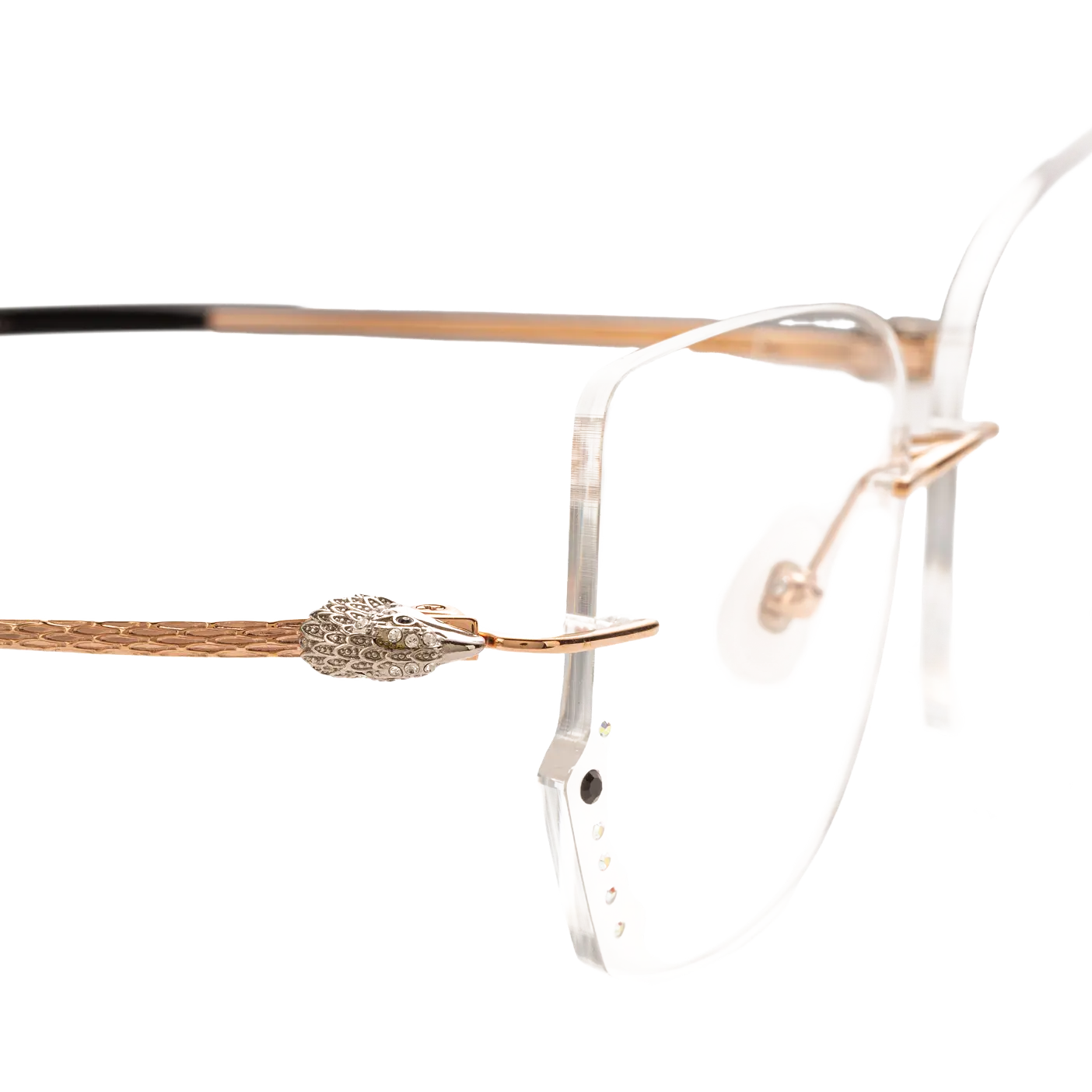
Titanium and plated metals clean up nicely with soap and water — then a full dry, so moisture never sits around screws and hinges. Strong chemicals can dull a plated finish, which matters on fine builds like a rose-gold titanium frame finished with embedded crystals, where the K gold IP plating deserves the gentle route. Soft cloth. Light hands. Done.
Cleaning Nose Pads and Hinges
The forgotten zone. Sweat and makeup gather here, and on some metals a faint greenish film builds over time — normal, but worth clearing. A soapy cotton swab handles it. Don't bend the pad arms, though. Yellowed or loose pads are a two-minute swap at any optician.
Store Bought Lens Cleaner vs Homemade Eyeglass Cleaner
Both work. Which one wins depends on your coatings, your habits, and where you happen to be standing when the smudge appears.
|
Store Bought Cleaner |
Homemade Eyeglass Cleaner |
|
|
Best for |
Coated lenses, travel, desk-side touch-ups |
Light smudges at home, basic lenses |
|
Coating safety |
Labeled coating-safe — minimal guesswork |
Depends on the recipe; alcohol-free is gentlest |
|
Cost over time |
A few dollars per bottle |
Minimal — household ingredients |
|
Watch for |
Any solvent or ammonia smell |
Too much soap, undiluted alcohol |

When Store Bought Cleaner Makes Sense
Coatings, mostly. Anti-reflective, blue-light, mirror layers — a cleaner that states it's coating-safe takes the guesswork off the table. It's also the practical pick in the car, at a desk, anywhere a sink isn't.
When Homemade Cleaner Is Enough
Daily fingerprints, mild smudges, lenses without delicate coatings — the alcohol-free recipe covers all of it. Mix small batches. Label the bottle. Refresh it often, because a spray is only as clean as whatever's been sitting in it.
What Opticians Use to Clean Glasses
Lens-safe spray and microfiber for the everyday work. Ultrasonic cleaners for the deep grime home methods can't touch — the buildup in frame grooves and around the nose pads. If your glasses look tired no matter what you try, that deep clean is worth the trip, and a fit check while you're there costs nothing.
Conclusion
The whole routine fits on a sticky note. Rinse first. One drop of lotion-free dish soap. Rinse again. Dry with clean microfiber. Keep any homemade eyeglass cleaner mild, leave the vinegar in the kitchen, and hand anything cleaning won't fix to an optician.
Glasses repay the attention. A frame cared for this way holds its finish and its fit for years rather than seasons — which is rather the point of owning a good one. And if your current pair is past reviving, the prescription-ready rimless eyewear at Bling Optical is built for the long run: titanium frames, screwless construction, jade nose pads. Details chosen for how they hold up, not how they photograph.
FAQs
What is the best homemade solution to clean eyeglasses?
Distilled water with one tiny drop of lotion-free dish soap. It's gentler than alcohol or vinegar and safe for most coated lenses. Spray lightly and wipe with clean microfiber.
Is Dawn dish soap good for cleaning eyeglasses?
Yes — the plain, lotion-free version. One small drop is plenty; more just leaves streaks. Skip any formula with moisturizer or heavy scent.
What is a good substitute for eyeglass cleaner?
Lukewarm water and a drop of lotion-free dish soap, then a microfiber dry. It clears oil and dust without touching the coatings, and it's what most opticians suggest first.
Can I use Windex on my glasses?
No. Window cleaners carry ammonia and solvents that can strip lens coatings. Stick to a lens-safe spray or the soap-and-water routine.
How do you get eyeglasses crystal clear?
Rinse, wash with a drop of dish soap, rinse again, then dry with a genuinely clean microfiber cloth. Streaks that survive usually mean a dirty cloth or hard water — switch the final rinse to distilled.
How do I make homemade eyeglass cleaner without alcohol?
Mix a cup of distilled water with one small drop of lotion-free dish soap in a clean spray bottle. Swirl rather than shake. Less soap than feels right — that's the trick.
What is the best way to clean eyeglass frames?
Lukewarm water, mild soap, and patient fingertips — nose pads and temple tips first, since they touch skin all day. Dry fully so moisture doesn't linger at the hinges.
How do I get cloudy glasses clean?
Wash gently and try a distilled-water final rinse; oil and mineral spots usually lift. If the cloud stays put, the coating may be worn — that's an optician check, not a harder scrub.
Sources
- The Vision Council, How to clean your eyewear: step-by-step frame and lens guide
- Cleveland Clinic, Eyeglasses: how they work, lens coatings and everyday care
- American Academy of Ophthalmology, How to choose glasses and what protective lens coatings do
- Healthline, How to clean glasses properly, and what not to do
- All About Vision, Steps to clean eyeglass lenses and frames the right way

Looking for something else?

Best Frames for Thick Lenses (Men & Women Guide)
LEARN MORE
How to Fix Loose Glasses in 3 Simple Steps (At Home Fast)
LEARN MORE
Popular Glasses for Men 2026 Styles for Professionals
LEARN MORE
Eye Makeup with Glasses Tips for a Stunning Look
LEARN MORELooking for something else?

Who Invented Glasses and How They Changed the World
LEARN MORE
Diy Eyeglass Cleaner Guide for Crystal Clear Lenses
LEARN MORE
Best Glasses for Oblong Face Shapes
LEARN MOREYou may also like


Further reading
Parts of Glasses Explained: Frame, Bridge, Temple, Nose Pads and Lenses

What Are High Index Lenses and Who Needs Thinner Glasses?
Do Glasses Make Your Eyes Worse? What New Wearers Should Know