


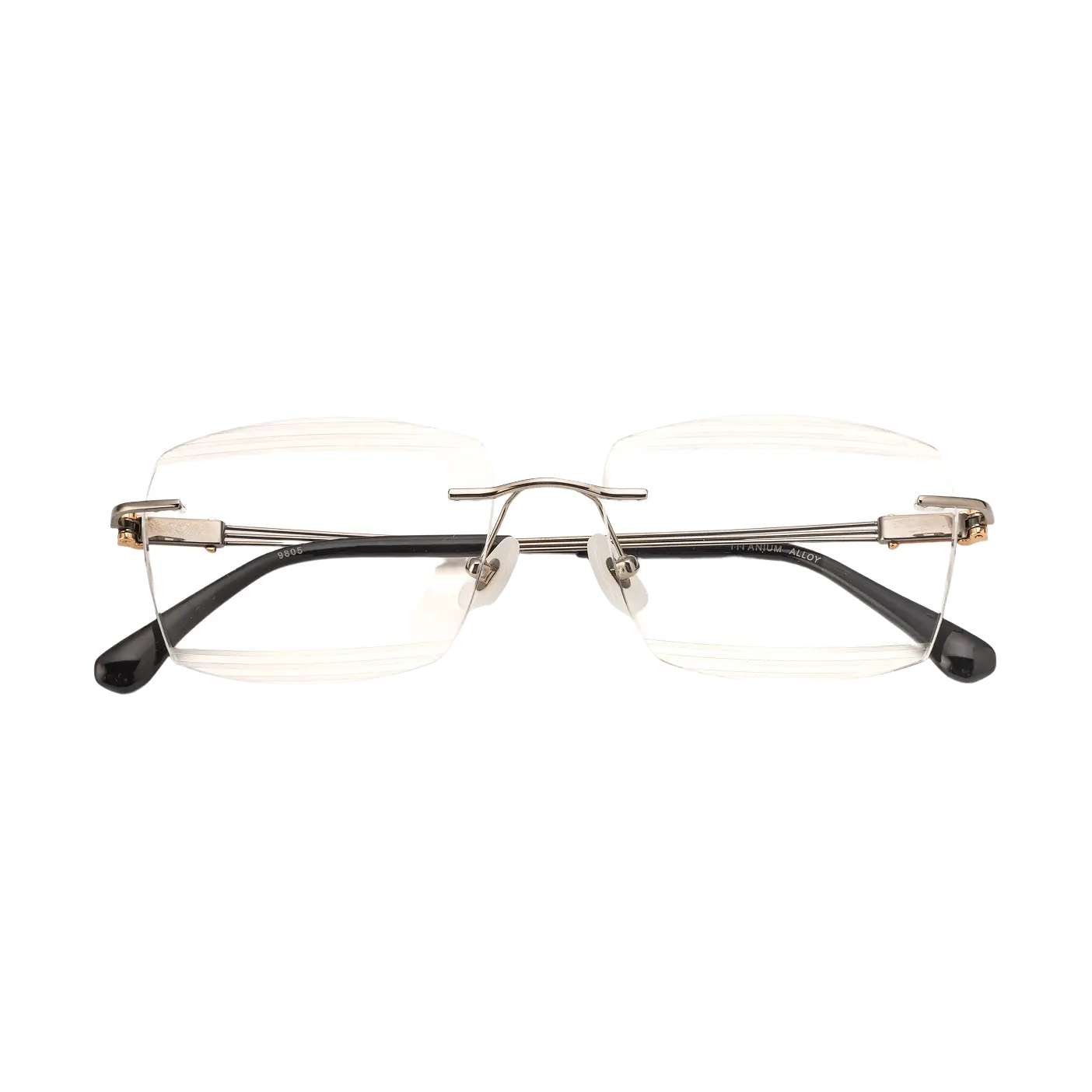
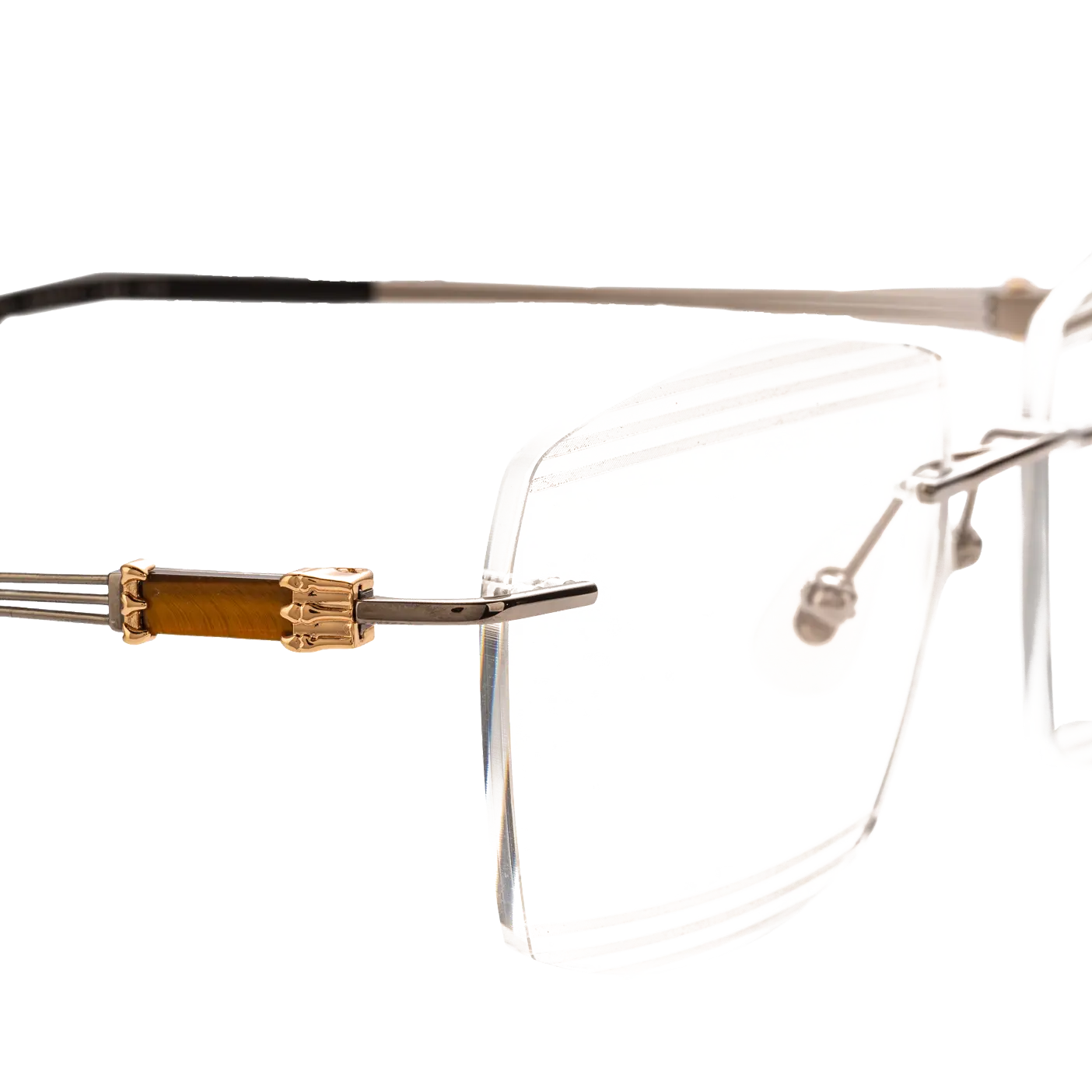
Sunglasses for Men
Men's rimless sunglasses in lightweight, distinctive designs for travel and everyday style. Lens specifications vary by product; Bling Optical does not currently offer polarized lenses.
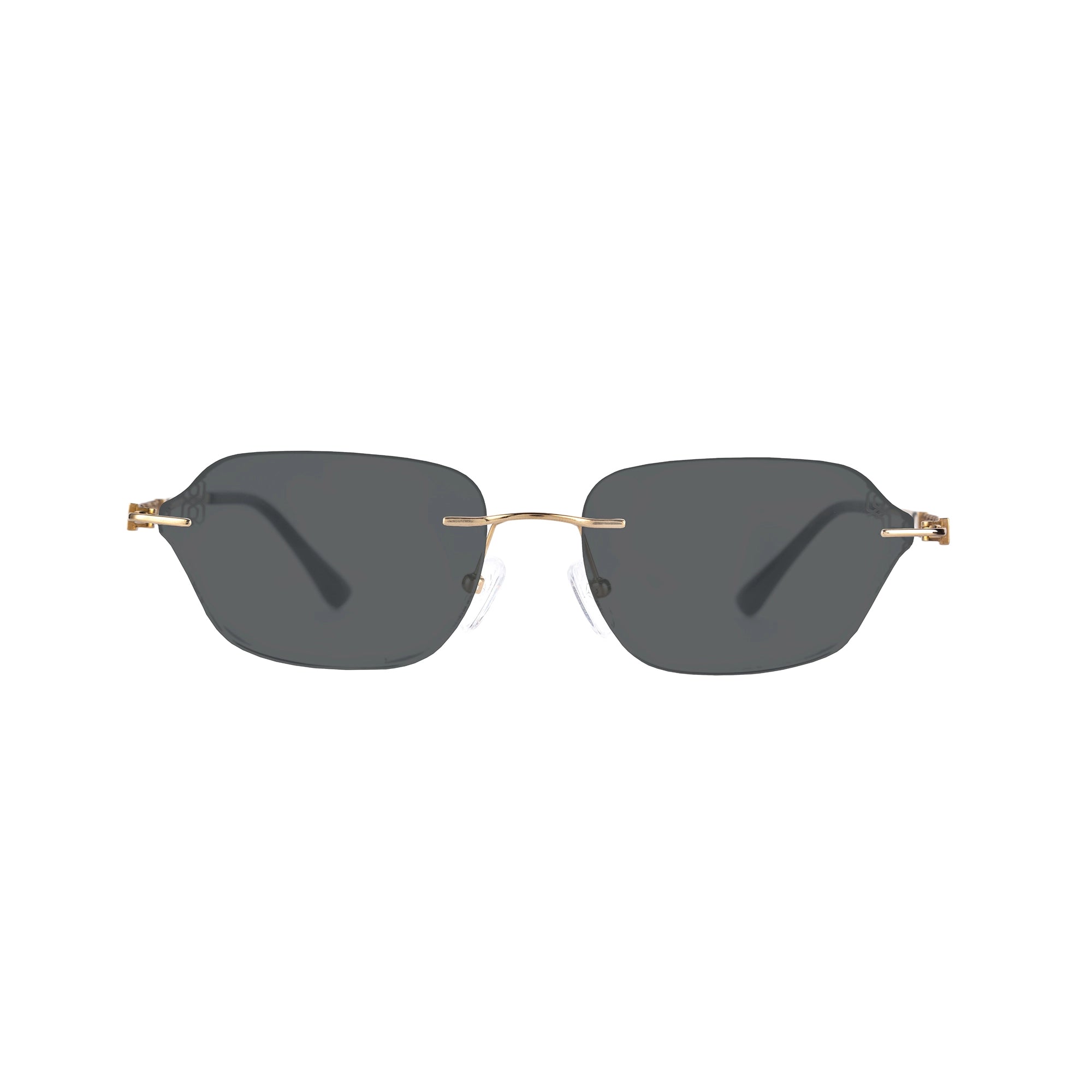
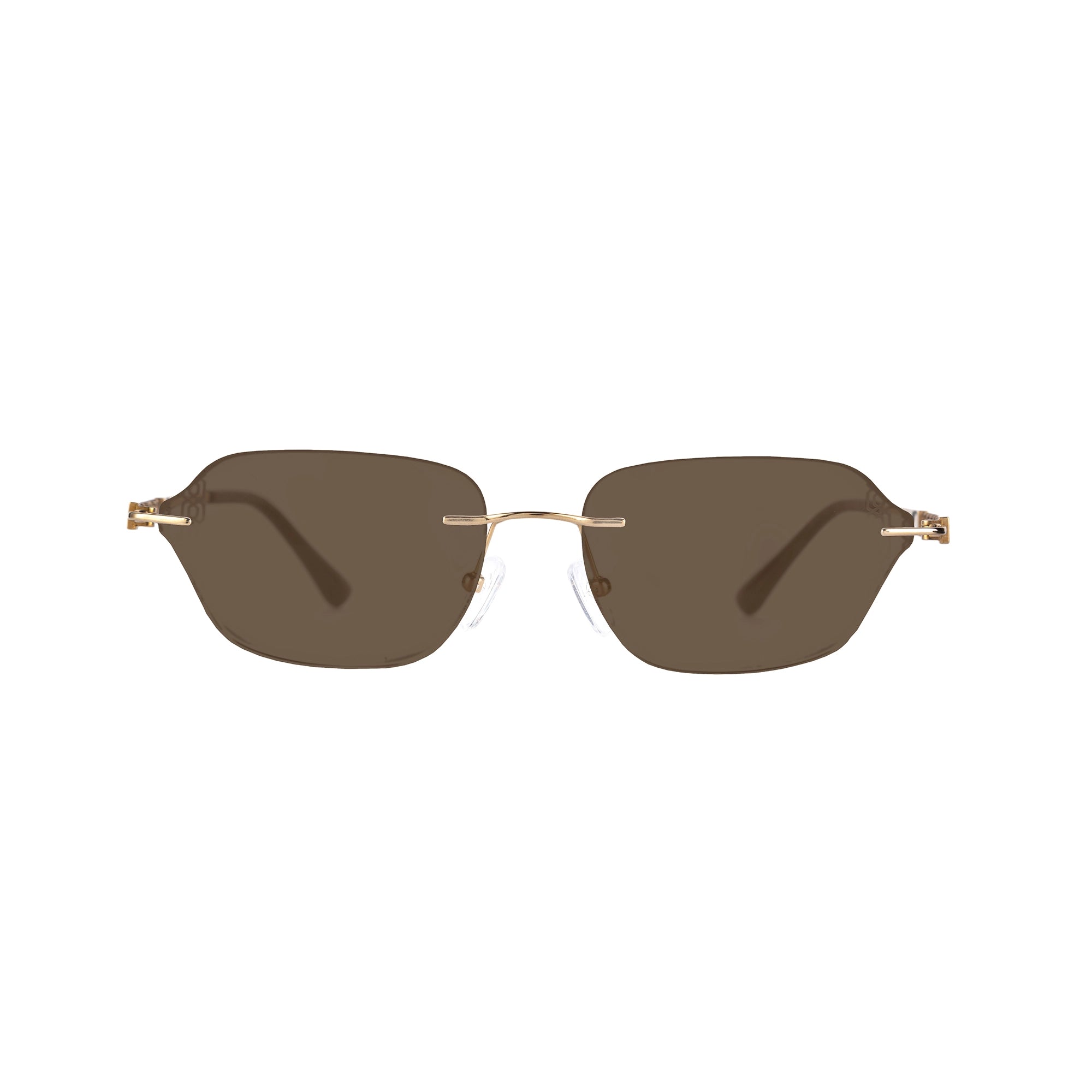
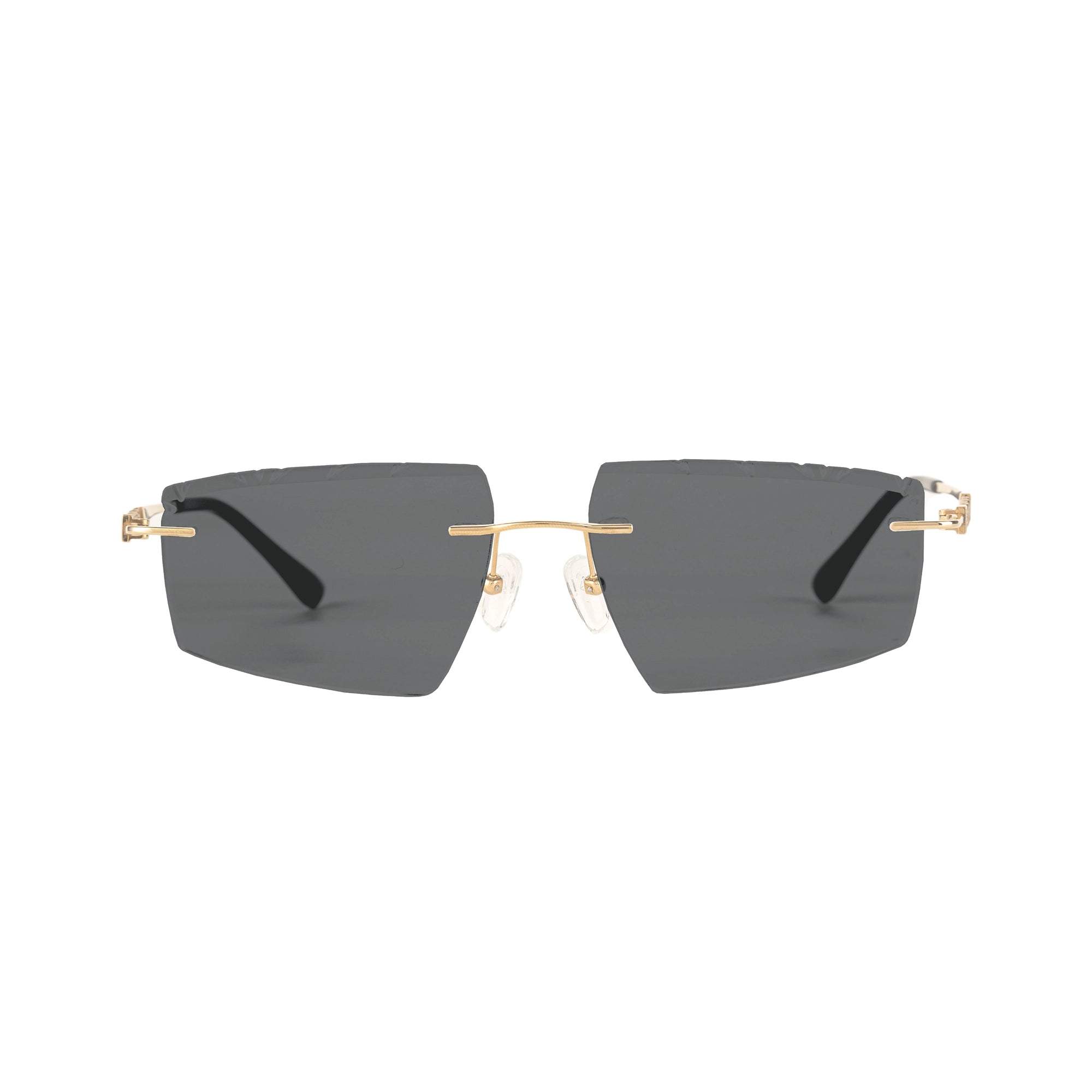
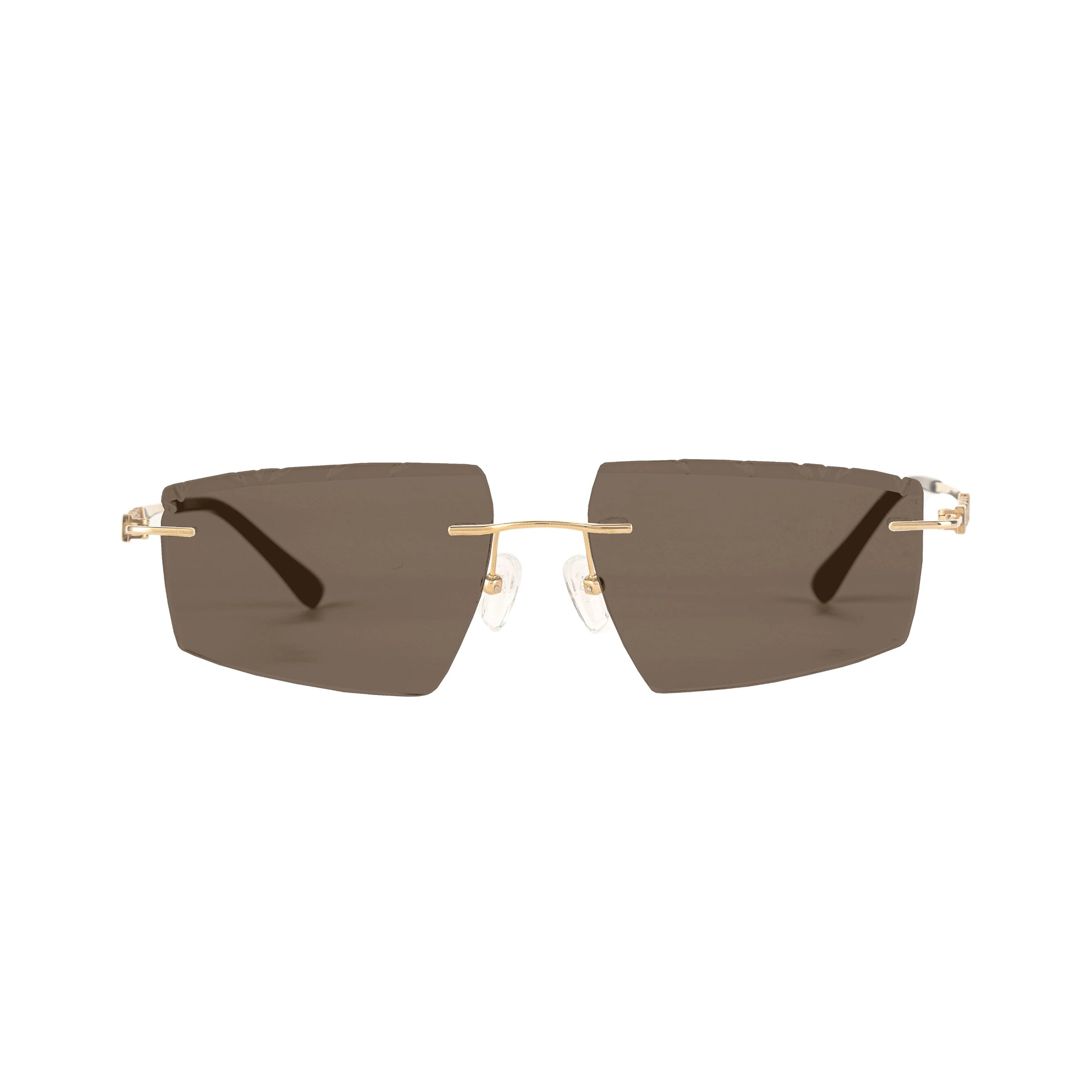
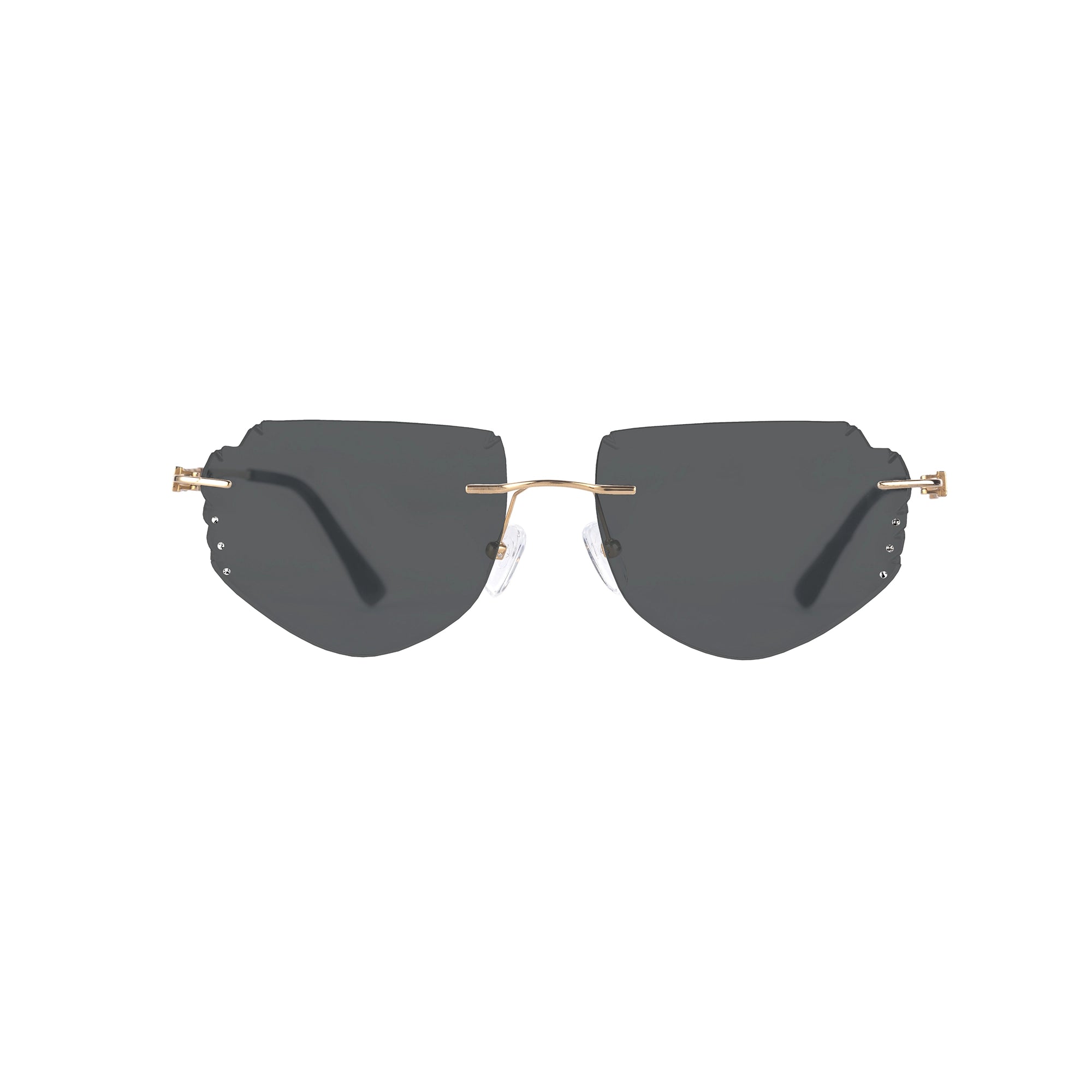
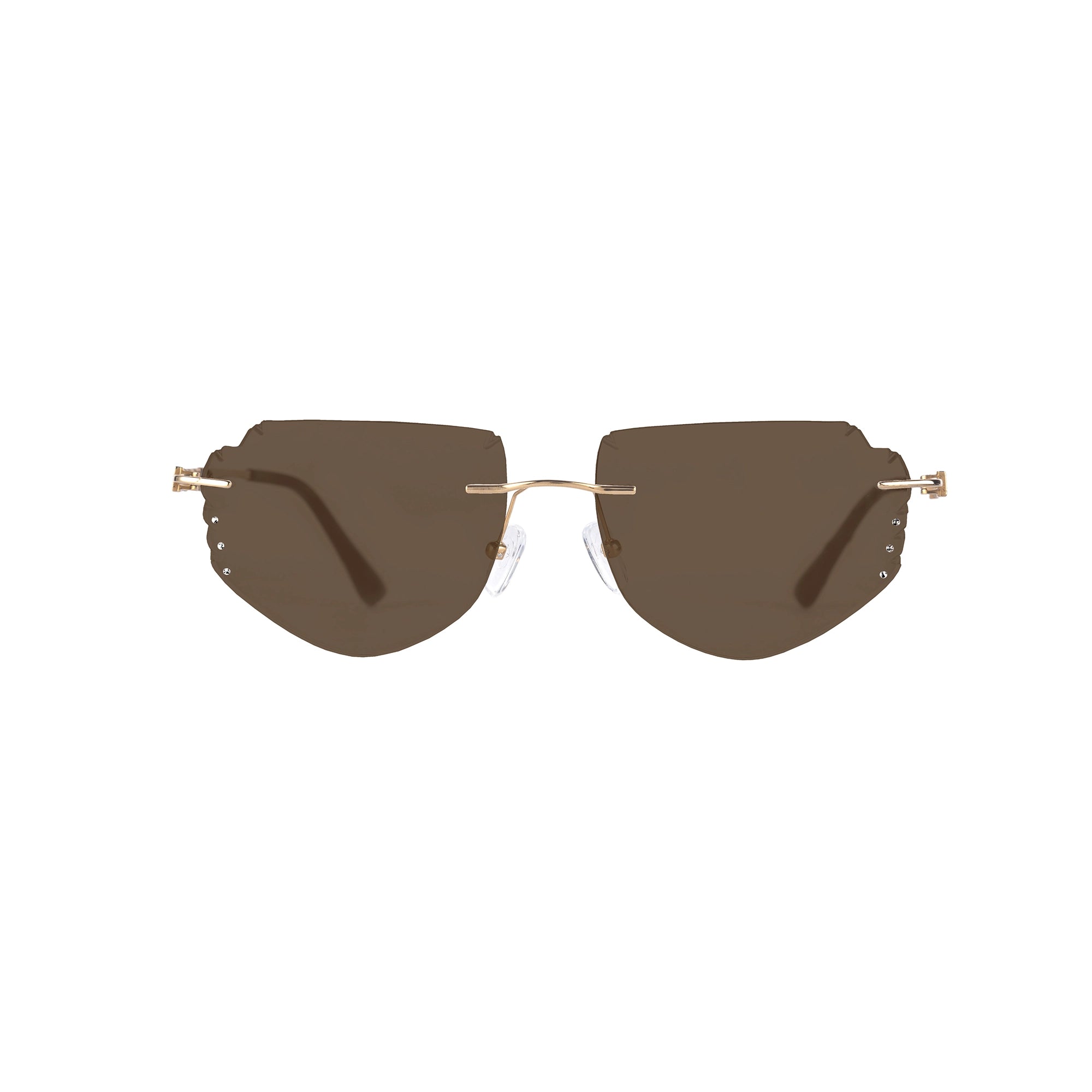


Find Your Perfect Sunglasses For Men


How to Choose Sunglasses for Men by Face Shape and Fit
Start with face width and frame balance
The best sunglasses for men should match the width of the wearer’s face. As a general guide, narrow faces often measure around 4.5 to 5 inches wide, average faces around 5 to 5.5 inches, and wide faces from about 5.5 inches to over 6 inches. A good fit should feel comfortable without pinching the nose, pressing the temples, or sliding down during daily wear.
Match frame shape to your face shape
Frames should create contrast with the wearer’s face shape for better aesthetic balance. Angular or rectangular sunglasses can add structure to round or oval faces, while rounded frames can soften square or angular faces. If you are unsure, virtual try-on tools can help check symmetry, width, and overall fit before you buy.
Choose a style that fits your daily look
Sunglasses come in many styles, from sport-inspired frames to fashion sunglasses with refined metal details. Hybrid designs can blend everyday versatility with high-performance features, making them useful for men who want one pair that works for driving, travel, outdoor use, and casual outfits.
Lens Color, Fit and Product Details
Check UV protection first
Sunglasses should protect your eyes from harmful UV rays and reduce sun glare in bright conditions. Darker lenses do not automatically mean better UV protection, so look for sunglasses that filter out most UV light and offer UVA and UVB protection where listed in the product details. Long-term UV exposure can contribute to serious eye health risks, so protection matters as much as style.
Choose Lens Tint and Fit for Daily Wear
Choose a tint and frame fit that suit where and how you wear your sunglasses. Review the exact lens specifications on the product page rather than assuming a feature from lens darkness or color. Bling Optical does not currently offer polarized lenses.
Choose lens colors based on how you see
Gray lenses provide true color perception, which makes them useful for general outdoor wear. Brown or amber lenses enhance contrast and depth perception, which can help in changing light or visually busy environments. Lens material should also be high quality for durability, optical clarity, and scratch resistance.
Materials, Craftsmanship and Everyday Style
Look at the frame material and durability
Acetate is a strong and lightweight material often used in stylish sunglasses, while nylon is flexible and impact-resistant, making it suitable for sport eyewear. Polycarbonate or other lightweight lens materials can also improve comfort and durability for daily use. The right material should support both the look and the way the sunglasses will be worn.
Understand what makes sunglasses feel premium
Some long-established eyewear houses are known for nearly a century of optical experience, while aviation-inspired makers, sports-focused labels, family-run optical brands, and small-batch Japanese workshops have shaped how people judge quality sunglasses. Instead of choosing by name alone, focus on lens protection, frame material, fit, craftsmanship, and whether the style matches your face.
Balance fashion, protection and comfort
For men’s sunglasses, the best pair should feel easy to wear, protect the eyes, and match your personal style. A lightweight frame, comfortable temples, durable lenses, and the right shape can make sunglasses useful for everyday outfits, outdoor glare, travel, sport-inspired looks, and more polished fashion styling.


