


How to Make Your Sunglasses Tighter and More Secure

Sunglasses that slide are not just annoying. They can distort your view and leave you adjusting constantly through the day.
The good news is that most slipping problems have a simple fix. Three pressure points control how sunglasses sit on your face — the hinge screws the temple arms and the nose bridge. Sorting any one of these takes under five minutes at home with no special tools. At Bling Optical frames are built to hold their fit but every pair eventually benefits from a small tune-up. Here is exactly how to do it.
|
Quick Fix Reference |
|
Hinge screws — tighten clockwise with a precision screwdriver |
|
Temple arms too wide — bend inward for metal or warm and reshape for plastic |
|
Nose pads — pinch closer together or add adhesive silicone pads |
|
Slipping during activity — silicone ear hooks or eyewear wax |
Why Sunglasses May Feel Loose

Before picking up a tool it helps to know what is actually causing the slip. Most problems come from one of three places.
Common Fit Problems — Loose Temples Wide Bridge Aging Frames
- Loose hinge screws: Opening and closing the arms hundreds of times slowly backs the hinge screw out. Even a half turn of slack makes the arm feel wobbly and the glasses feel insecure.
- Stretched frame front: Resting sunglasses on top of your head is the fastest way to bow the frame outward. That extra width means the temples no longer press against the sides of your head with enough tension to hold the frame in place.
- Wide bridge fit: If the bridge of the frame is wider than your nose bridge there is no contact to create friction. The glasses rest on nothing and slide down regardless of how well the arms fit.
Effects of Poor Fit — Slipping Headaches Discomfort
A loose pair forces your eyes to look through the top of the lens rather than the optical center. That misalignment creates strain even if the prescription is correct.
Frames that sit unevenly — one side tighter than the other — create pressure points at the temple or behind the ear. If you get headaches after an hour of wear the most likely cause is that pressure rather than the prescription.
Signs of Improperly Fitted Sunglasses
- The nod test: Look down at your phone and back up. If the frame moves more than a centimeter it is too loose.
- The smile check: If your cheeks push the frame upward when you smile the bridge is either too wide or the temple arms are too long.
- Physical marks: Deep red marks on the nose mean the bridge is too tight. Soreness behind the ears means the earpiece curve is not following the contour of your head correctly.
- Uneven alignment: If one lens sits higher than the other when you look in the mirror one temple arm is set at a different angle than the other.
How to Make Sunglasses Tighter

The approach depends entirely on the frame material. Metal is flexible and forgiving. Plastic needs heat before it will hold a new shape.
|
Problem |
Frame Type |
Fix Method |
|
Loose hinge screw |
All types |
Precision screwdriver — clockwise until resistance |
|
Arms too wide |
Metal |
Gentle inward pressure at midpoint of temple arm |
|
Arms too wide |
Plastic / acetate |
Warm water 30–60 sec then bend and hold |
|
Glasses sit too low |
Metal with nose pads |
Pinch pad arms closer together with thumb and finger |
|
No nose pads |
Plastic |
Add adhesive silicone pads to the bridge |
|
Slipping during activity |
Any type |
Silicone ear hooks or eyewear wax on bridge |
DIY Make Sun Glasses smaller

Adjusting Metal Frame Sunglasses
Metal and wire frames are the easiest to adjust at home. No heat required.
- Hold the frame front with one hand to stabilize it. With the other hand apply gentle steady inward pressure at the midpoint of the temple arm. The goal is a slight inward curve that grips the side of your head above the ear.
- If the glasses sit too low pinch the nose pad arms closer together with your thumb and forefinger. Small adjustments make a noticeable difference. If they leave red marks after pinching ease them slightly apart.
- Bend the earpiece tips slightly downward and inward. This creates a more positive hook behind the ear that holds the frame in place when you look down.
Adjusting Plastic Frame Sunglasses

Cold acetate snaps. Never try to bend plastic without warming it first.
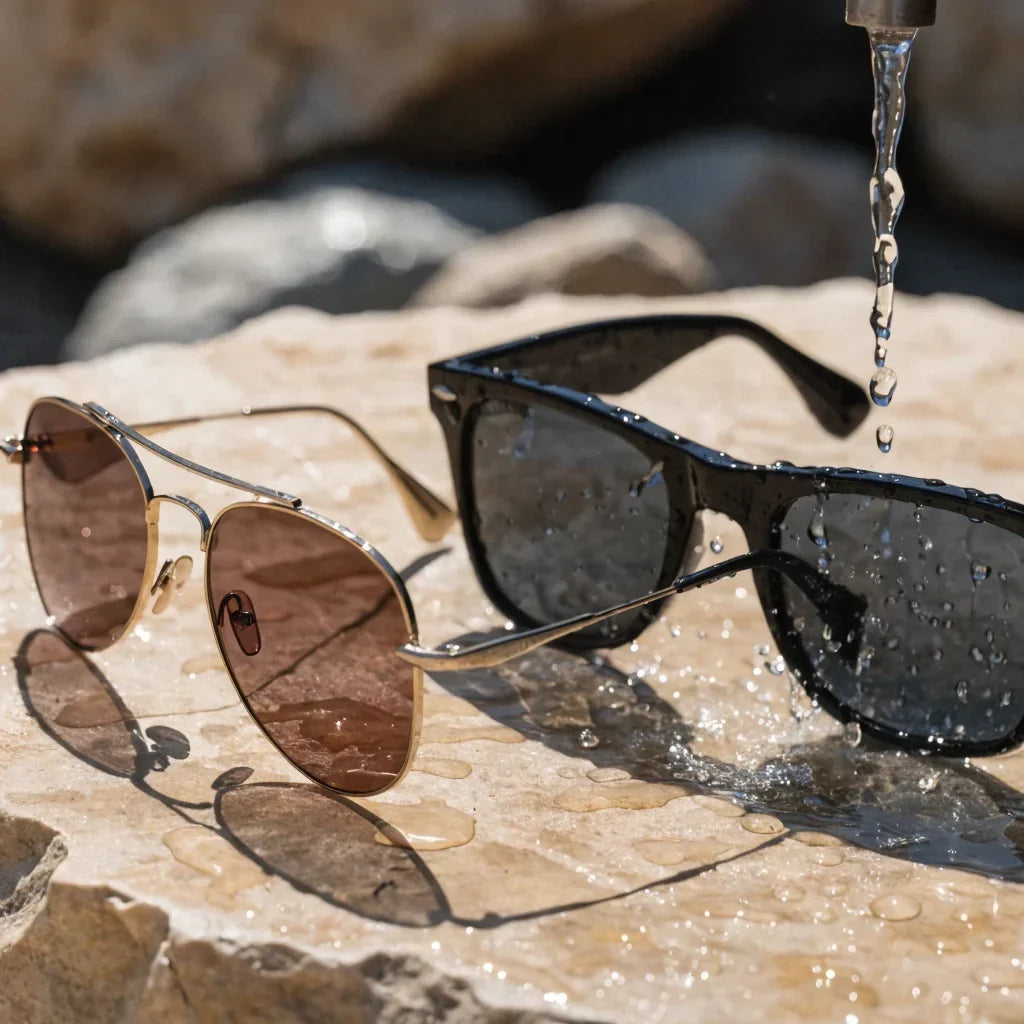
- Hold the temple arm under warm running water — around 50 to 60 degrees Celsius which is roughly as hot as a comfortable shower — for 30 to 60 seconds.
- When the plastic feels slightly flexible gently bend the earpiece inward and downward. Not aggressively. Small incremental bends hold better than one large forced adjustment.
- Hold the new shape for about 20 seconds while the material cools and locks into position.
- Test the fit. If more adjustment is needed repeat the warming step. Do not try to bend further while the plastic is still warm from the previous attempt.
Using DIY Solutions — Rubber Pads Heat Techniques Temple Wraps

Sometimes the frame geometry is correct but the surface materials are too slick against your skin.
- Adhesive silicone nose pads: Peel and stick directly onto the bridge of plastic frames. Add both height and friction. Available at most pharmacies for a few dollars.
- Silicone ear hooks: Slip-on sleeves that slide onto the ends of the temple arms. Create a positive grip behind the ear that is nearly impossible to shake off during activity.
- Eyewear wax: A thin layer applied to the nose bridge creates a tacky surface that holds even when skin is oily or sweaty. Good for outdoor use or hot weather.
- Clear nail polish on screws: A tiny drop applied to the screw threads before tightening acts as a mild thread-locker. Keeps the screw from vibrating loose again.
Professional Adjustments and Optical Shops

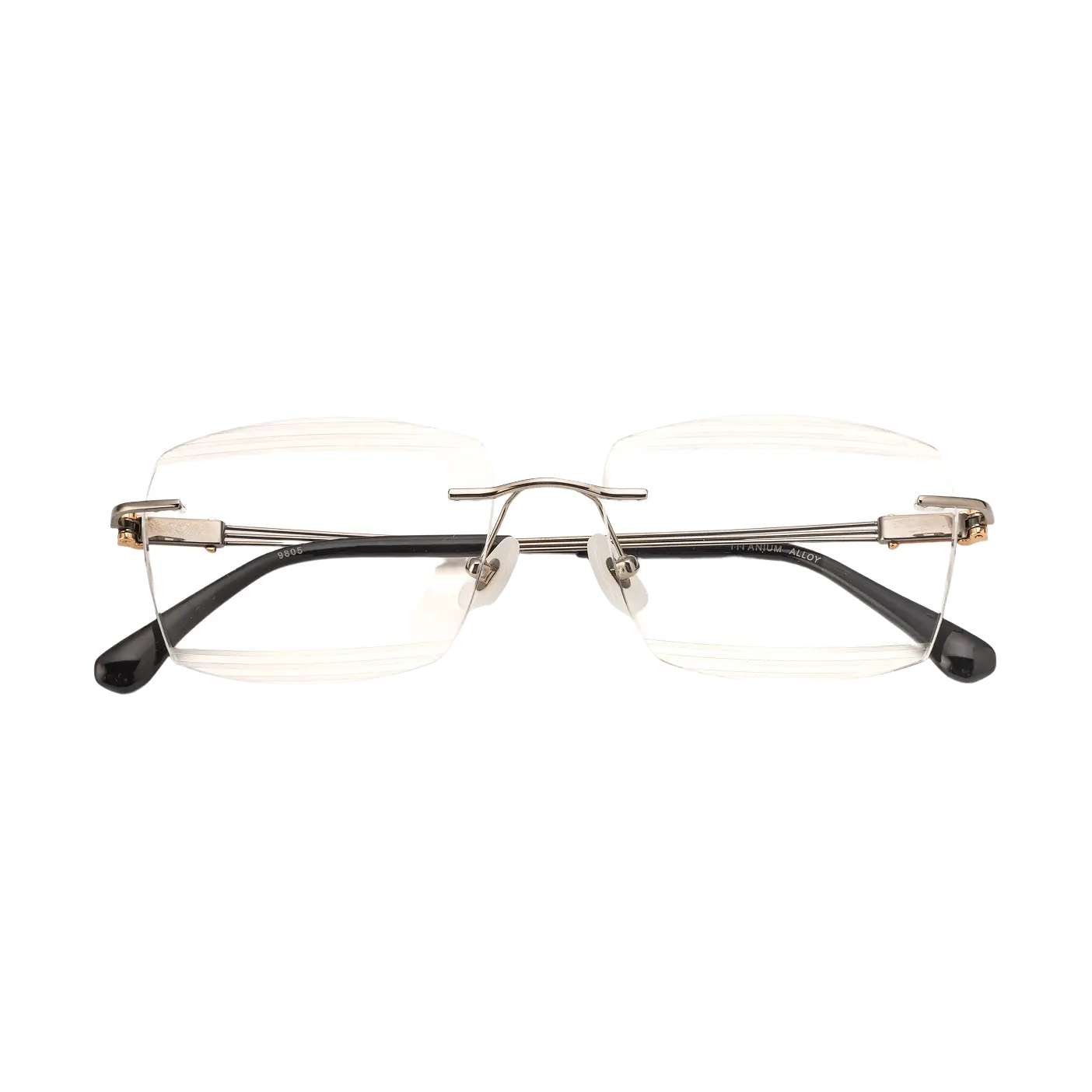
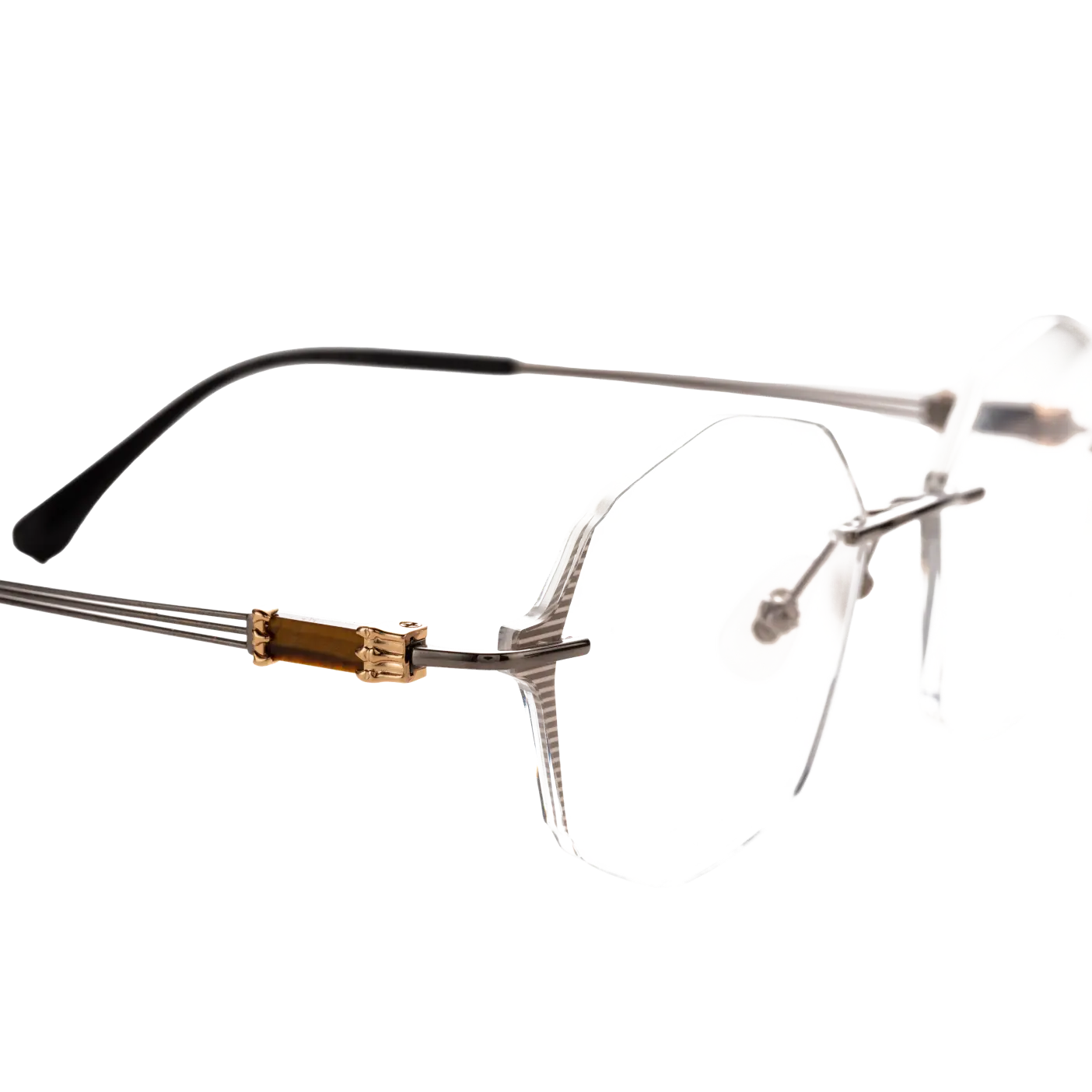
If your frames are made of titanium carbon fiber or memory plastic DIY heat adjustment carries risk. These materials behave differently under heat and the tolerance for error is lower. The Refined Rimless Glasses Feris and similar precision-built frames are worth a professional adjustment when something significant has shifted.
Most optical shops offer frame adjustments for a small fee or free with any purchase regardless of where you bought the glasses. They use even-heat equipment that reduces the risk of damaging coatings or bubbling the finish. If you are uncertain about the material your frame is made from the professional route is the safe default.
Tips to Prevent Sunglasses from Slipping

The best approach is stopping the slip before it starts. Most fit problems are preventable.
Choosing the Right Frame Size
The most common reason for persistent slipping is wearing a frame that is simply too large. When you are shopping check three numbers usually printed inside the temple arm.
- Lens width: If the lenses extend past the sides of your face the temples will bow outward rather than pressing gently inward.
- Bridge width: This is the most critical measurement for nose fit. Any gap between the bridge and your nose means the frame is floating rather than resting on contact.
- Temple length: If the arms are too long the hook does not reach behind your ear at the right point. The frame sits unstably on a flat temple rather than anchored by the ear curve.
Nose Pads Adjustment and Comfort

For metal frames the nose pads are your primary grip point against gravity. The Silver Polygon Rimless Glasses and similar precision rimless frames use adjustable pad arms that give you fine control over bridge height and width.
Check that both pads make equal contact with your nose. If one sits flatter than the other the frame will pivot and slide down on that side. Material matters too — soft silicone and hydrophilic rubber pads grip better than standard hard plastic as the day goes on.
Temple Grip and Head Fit Tricks

The temple arms should follow the contour of your head from the hinge to behind the ear without squeezing at any point. A gentle inward curve along the length of the arm distributes pressure evenly so the nose bridge does not carry all the weight.
One habit to stop immediately — resting sunglasses on top of your head. Every time you do this the arms stretch slightly wider than your temples. Over weeks that stretches the hinges and bows the frame front permanently. Two hands on the temples when taking them off and a hard case when not wearing them are the two habits that prevent most fit degradation.
Seasonal or Activity-Specific Adjustments — Sports Heat Sweat

Heat and sweat both change how frames sit on the face. In summer plastic frames can soften slightly in direct sun which makes them temporarily looser. Check the fit more often during warm months.
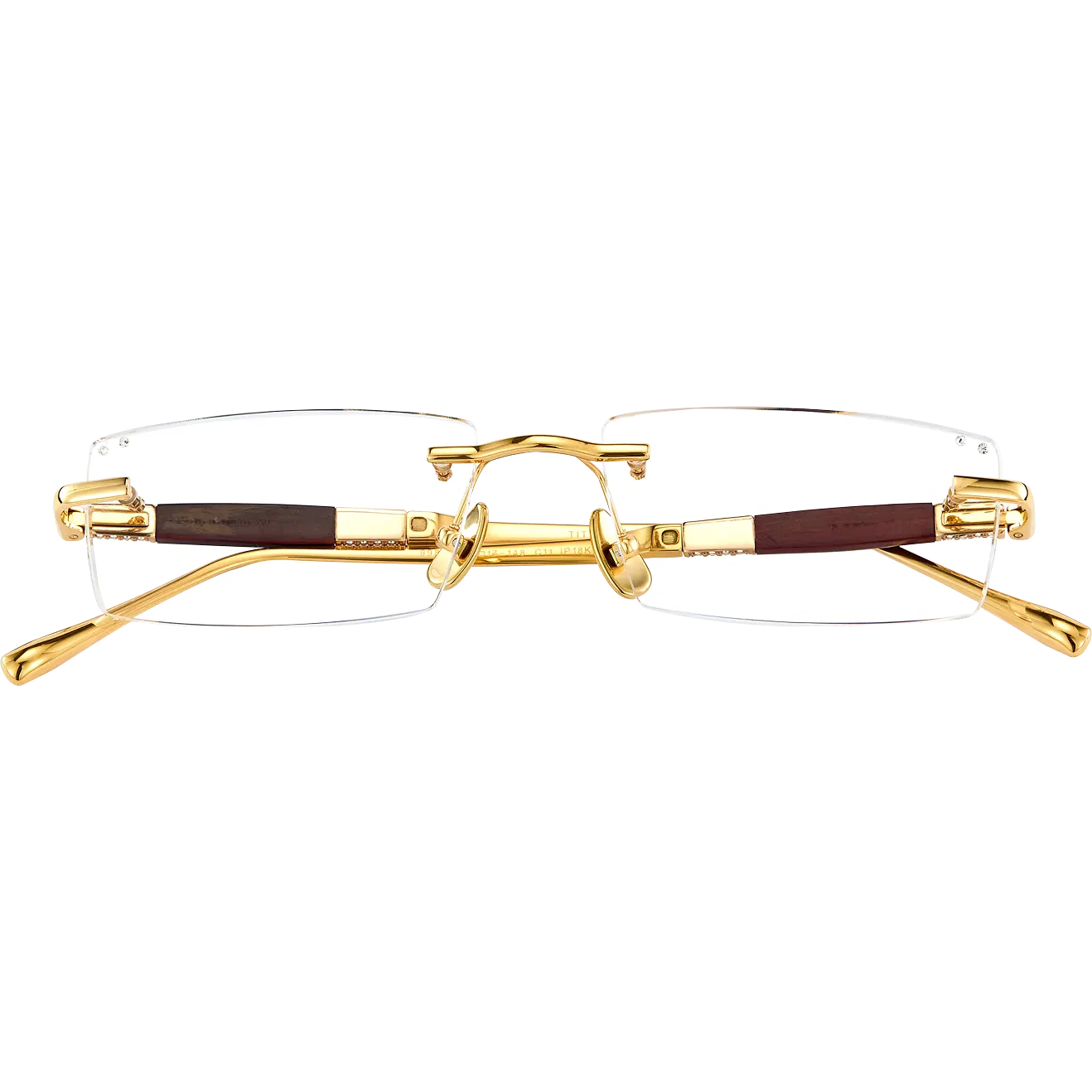
For running hiking or any sport where impact is involved a sports retainer strap is the most reliable solution. Silicone shark-fin ear hooks that lock the frame against the ear bone are a close second. The Gold Square Rimless Glasses is built light enough that movement-related shifting is minimal — but for high-impact activity any frame benefits from additional retention.
Troubleshooting Common Problems

Can Tight Glasses Cause Migraines?

Yes. Frames that are too narrow for your head press the temple arms against the sides of the skull. That constant pressure on the soft tissue and superficial nerves in the temple area creates a dull throbbing headache that builds over time.
If you notice a headache developing after 30 to 60 minutes of wear the frames are too tight rather than too loose. The fix is to gently bow the temple arms slightly outward at the midpoint to reduce lateral pressure. Keep the earpiece hook in place — that is what provides security without side pressure.
What to Avoid When Adjusting Plastic or Metal Frames
|
Warning — Do Not Do This |
|
Never use boiling water. It damages anti-reflective and polarized coatings and can warp or bleach acetate. |
|
Never apply metal pliers directly to the frame. Always wrap tool tips in cloth or tape to protect the finish. |
|
Never apply force to the hinge itself. Hold the frame front and bend the arm. The hinge is the weakest point. |
|
Never attempt to bend frames that show internal resistance. Some acetate frames have a metal wire core. If you feel strong resistance stop — forcing it can snap the core inside the plastic. |
When DIY Fixes Are Not Enough

Some problems are beyond what home tools can reliably solve.
- Stripped screws: If the screw turns freely without catching the threads are gone. A professional can re-tap the hole or fit an oversized replacement screw. Keep turning and you make it impossible to remove.
- Internal wire core frames: If significant resistance appears when bending acetate stop. The metal inside can snap without warning.
- Asymmetric ear height: If your ears sit at different heights — which is common — leveling the glasses requires a 3D adjustment that is genuinely difficult to do well at home. An optician has the tools to first achieve standard alignment then fit-align specifically to your face.
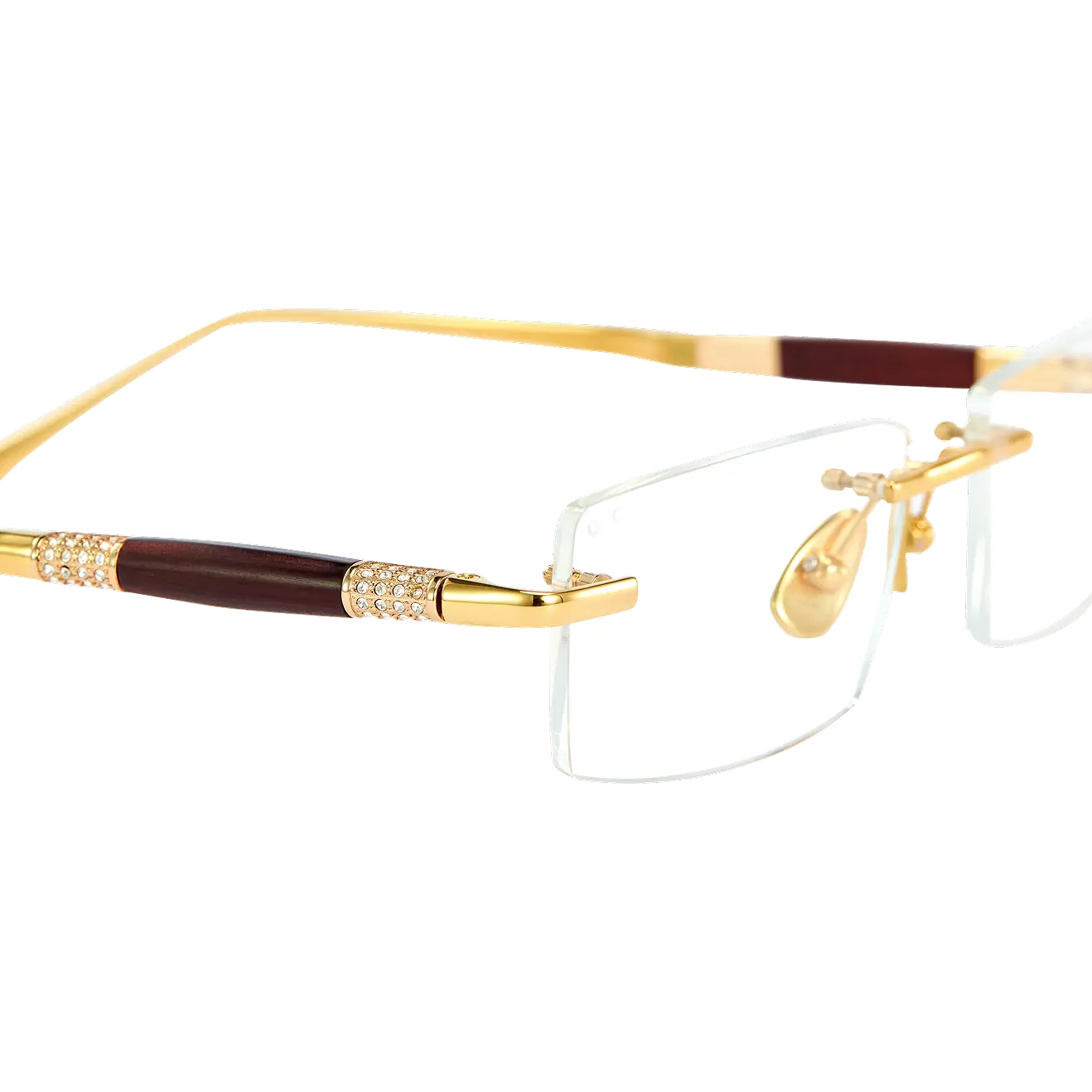
The executive flair eyewear collection and other precision-built rimless frames are worth protecting with a professional adjustment when something significant has shifted. The cost is minimal and the result lasts significantly longer than a DIY attempt on complex hardware.
Preventing Future Slipping

Maintenance is much easier than repair. These three habits keep frames fitting well for years.
- Monthly screw check: Every few weeks give each hinge screw a quarter clockwise turn. If it resists it is already tight. If it turns it needed that check.
- Two-hand removal: Taking glasses off with one hand pulls the frame asymmetrically every single time. Over months that one-sided tension stretches the hinges and bows the frame. Both hands on the temples.
- Hard case storage: A case protects against the accidental bends that happen at the bottom of bags and in pockets. More frames are damaged in storage than in wear.
The men rimless glasses and Rimless Glasses for Women collections are built with precision mounting hardware that holds adjustment well — but even the best construction benefits from regular maintenance.
Frequently Asked Questions
How do I make my sunglasses fit tighter?
Start with the hinge screws — a clockwise turn with a precision screwdriver stops most wobble. If the frames still slide use the warm water method to bend the temple earpieces inward and downward for more grip behind the ear. For nose pad issues pinch the pad arms closer together or add adhesive silicone pads.
How to fix oversized sunglasses?
If the frame is physically too wide for your face add adhesive silicone nose pads to the bridge and slip silicone ear hooks onto the temples. These additions reduce the effective interior space and create friction points that a wide frame on its own cannot provide.
What can I use to tighten sunglasses?
A precision optical screwdriver handles hinge screws. Warm water or a hairdryer on medium heat makes plastic frames pliable enough to reshape. Adhesive silicone pads add grip at the nose. Silicone ear hooks add grip at the temples. Eyewear wax works as an anti-slip layer on any bridge material.
How can I stop my glasses from slipping down my nose?
Clean the bridge area first — skin oil reduces friction significantly. Then pinch metal nose pads closer together if your frame has them. For plastic frames add adhesive silicone pads. A small amount of eyewear wax applied to the bridge before activity creates a temporary grip barrier.
Can tight glasses cause migraines?
Yes. When temple arms press too hard against the sides of the head they can compress nerves and restrict circulation. The result is a dull pressure headache that develops after 30 to 60 minutes of wear. The fix is to slightly bow the temple arms outward to reduce lateral pressure while keeping the earpiece hook in place.
Can I put my glasses in boiling water to adjust them?
No. Boiling water damages lens coatings including anti-reflective and polarized layers and can cause acetate to warp or develop a chalky surface. Use warm tap water at around 50 to 60 degrees Celsius. That is hot enough to make the plastic pliable without risking the finish or the lenses.
How to make big sunglasses smaller?
You cannot shrink the material itself but you can shorten the effective fit. Increasing the downward curve of the temple tips pulls the frame front closer to your face. Adding thicker nose pads takes up bridge space. Silicone ear hooks prevent the frame from sliding forward even if it is physically large.
What are the signs of poorly fitted glasses?
Frames that slide more than a centimeter when you look down. Red marks on the nose bridge after an hour of wear. Pressure or soreness behind the ears. One lens sitting noticeably higher than the other. If you are experiencing any of these the frames need adjustment before comfort becomes a persistent problem.

Looking for something else?

Best Frames for Thick Lenses (Men & Women Guide)
LEARN MORE
How to Fix Loose Glasses in 3 Simple Steps (At Home Fast)
LEARN MORE
Popular Glasses for Men 2026 Styles for Professionals
LEARN MORE
Eye Makeup with Glasses Tips for a Stunning Look
LEARN MORELooking for something else?

Who Invented Glasses and How They Changed the World
LEARN MORE
Diy Eyeglass Cleaner Guide for Crystal Clear Lenses
LEARN MORE
Best Glasses for Oblong Face Shapes
LEARN MOREYou may also like




Further reading
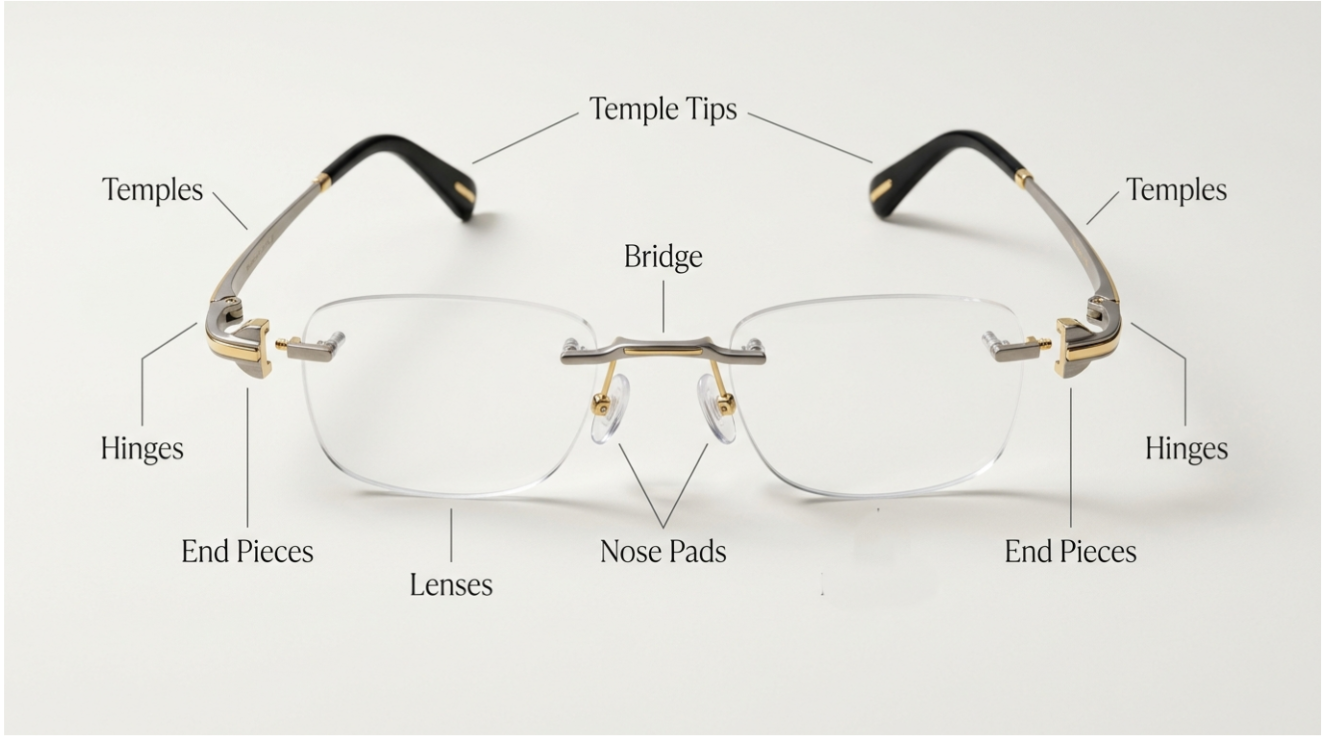
Parts of Glasses Explained: Frame, Bridge, Temple, Nose Pads and Lenses

What Are High Index Lenses and Who Needs Thinner Glasses?

Do Glasses Make Your Eyes Worse? What New Wearers Should Know