Why Tinted Prescription Glasses Are the Next Big Thing

For years prescription eyewear gave you two options. Clear lenses or dark sunglasses.
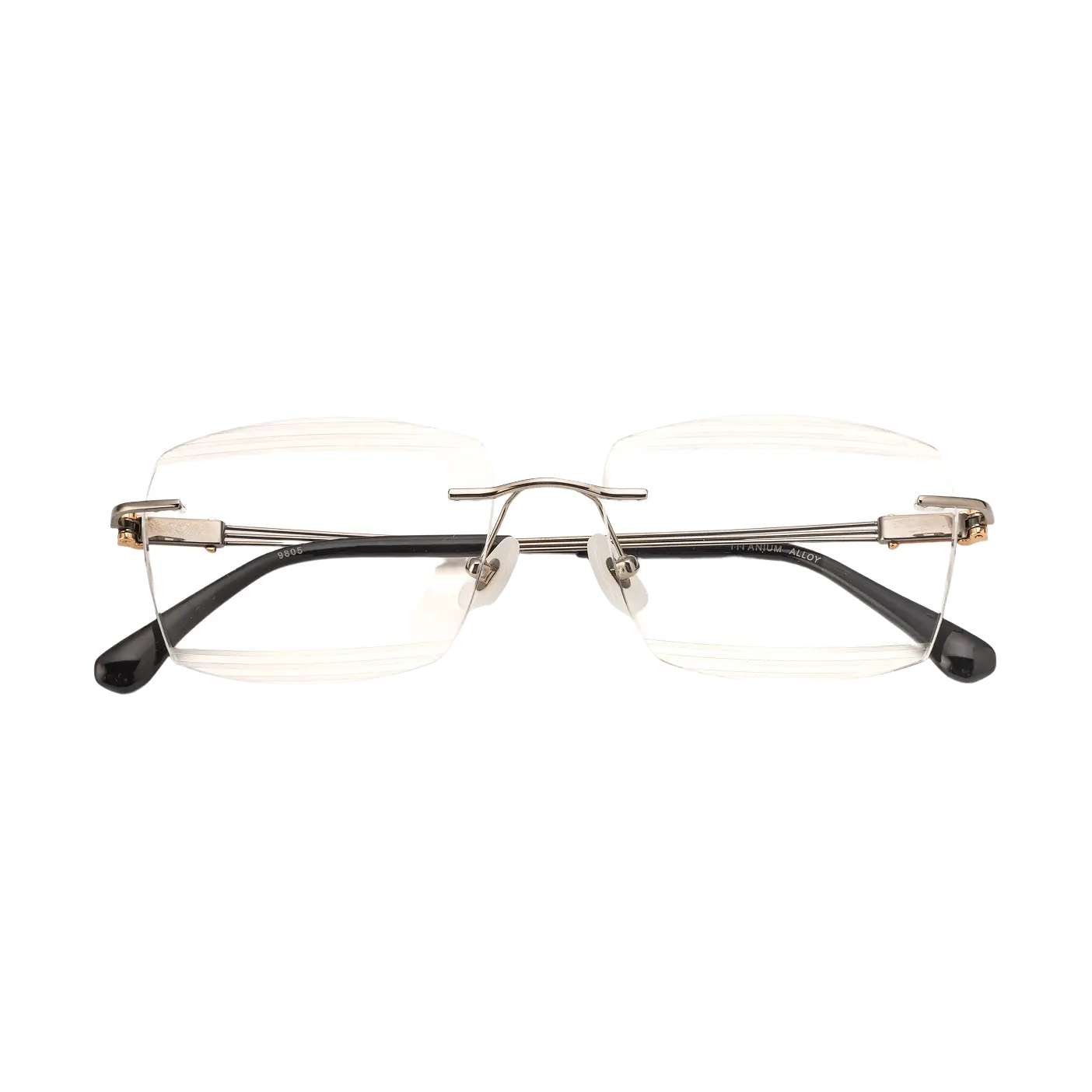
The middle ground is what most people actually want and in 2026 it finally exists in a form that works. Lightly tinted prescription glasses — a soft wash of rose amber or sage over a corrective lens — sit between those two extremes. They correct your vision. They filter light without blocking it. And they look like a deliberate style decision rather than a functional compromise. Bling Optical frames pair naturally with this aesthetic — the lens becomes part of the design rather than an afterthought inside it.
|
Tint Quick Reference |
|
Yellow / amber — screens night driving office contrast |
|
Rose — fluorescent office lighting visual comfort |
|
Green G-15 — outdoor to indoor transitions most natural color |
|
Blue / purple — fashion use mild incandescent glare reduction |
|
Dark 75%+ — full prescription sunglasses outdoor direct sun |
What Are Tinted Prescription Glasses?

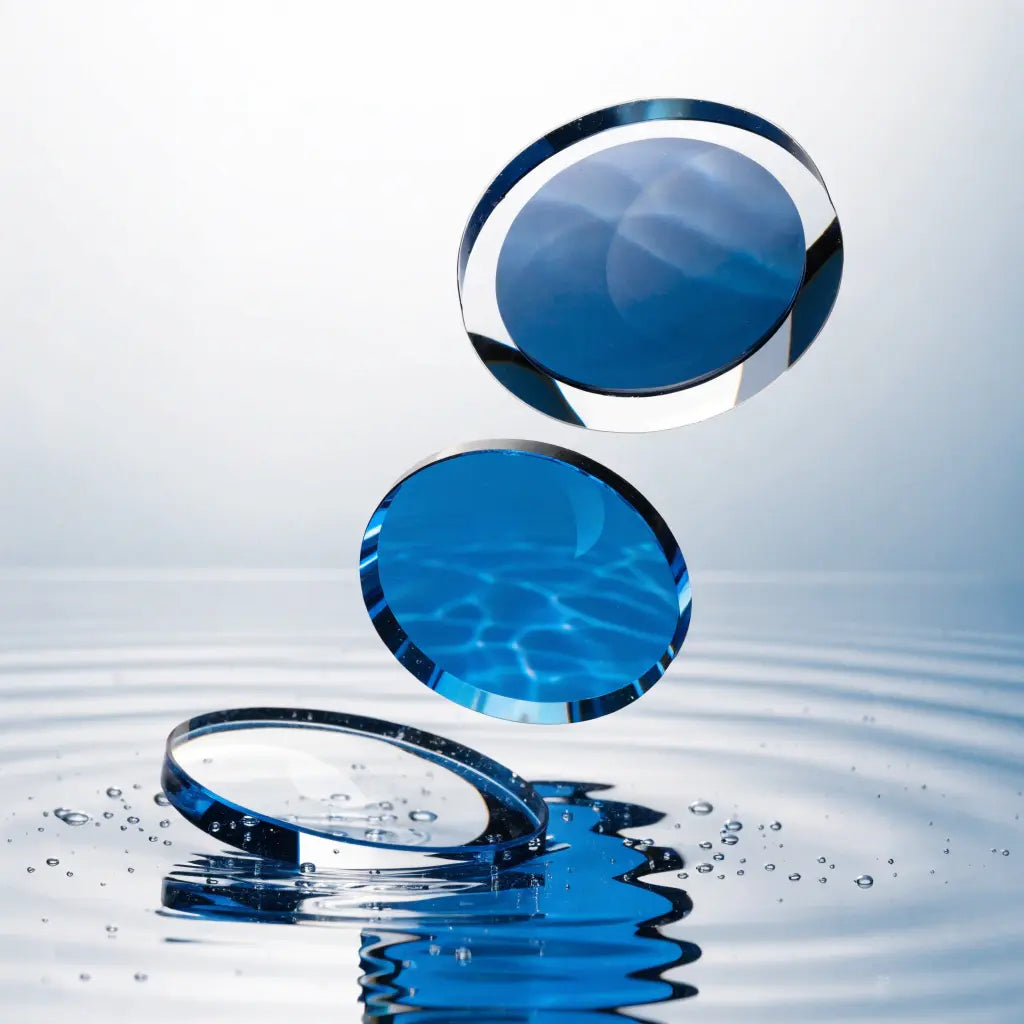
A tinted prescription lens is a standard corrective lens that has been treated with a dye or vacuum-applied coating to change its color and adjust how much light it transmits. Unlike sunglasses which are designed to block as much light as possible a tinted prescription lens is calibrated to filter selectively — reducing specific wavelengths that cause strain while leaving the rest of the visual field intact.
The result is eyewear that does both jobs at once. Correct your vision and manage the light environment without forcing you to switch between two pairs.
Definition and Types of Tints — Light Medium and Dark
Tint density is measured by how much light gets through. The lower the percentage the lighter the tint.
|
Tint Color |
Density |
Best For |
|
Yellow / Amber |
10–15% |
Screens, night driving, office LED contrast |
|
Rose |
15–20% |
Fluorescent-lit offices, visual comfort indoors |
|
Green (G-15) |
20–30% |
Outdoor/indoor transitions, most natural color balance |
|
Blue / Purple |
10% wash |
Fashion use, reduces incandescent yellow glare |
|
Brown / Copper |
30–50% |
Driving, sports, depth perception on overcast days |
|
Dark tint |
75–85% |
Full prescription sunglasses — outdoor direct sun |
The most relevant category for most people in 2026 is the light to medium range — 10 to 30 percent. This is the zone where tinted prescription glasses function indoors work in professional settings and add a visual quality that clear lenses cannot replicate.
Benefits for Vision and Comfort — Glare Reduction Eye Strain Prevention
The functional case for tinted lenses is straightforward. Most indoor environments are lit with high-Kelvin LED or fluorescent sources that the eye finds harsh over sustained periods. A light tint reduces the energy of that light before it reaches the eye which means less compensatory effort from the visual system.
Yellow and amber tints are the most studied in this context. They filter a portion of blue-violet light — the wavelength most associated with digital eye strain — without creating a heavy tint that makes the environment feel darker. Rose tints are effective in fluorescent environments specifically.
None of this constitutes a medical claim. Comfortable eyewear is simply comfortable eyewear. The difference is real and most people notice it within the first hour of wearing a light tint after years of wearing clear lenses.
Style and Personal Expression
The aesthetic dimension is just as real as the functional one. A lightly tinted lens changes the visual character of the entire frame. It gives the glasses a presence that clear lenses simply do not have. The genuine radiance eyewear collection is built around this kind of visual presence — the frame and lens working together as one design element rather than a frame that happens to hold prescription glass.
Yellow and orange tints carry a warm creative energy. Blue and purple read as cool and considered. Green lands in the classic territory — specific enough to be noticed but neutral enough to work with almost anything.
Why Tinted Lenses Are Gaining Popularity

Fashion Meets Function
The separation between functional eyewear and fashion eyewear has been collapsing for several years. Tinted prescription glasses sit exactly at that intersection. They are not a fashion choice that happens to correct vision or a corrective lens that happens to be tinted. They are both things simultaneously and that is what makes them interesting.
Lightly tinted glasses in the 10 to 20 percent range can be worn in meetings on video calls at dinner and outside without the social awkwardness that dark sunglasses create indoors. The light wash signals style awareness without creating a barrier between you and the people around you.
Health and Wellness Considerations — Blue Light UV Protection

Screen time is a permanent feature of most professional lives. The visual consequence of extended monitor work — dry eyes reduced blinking difficulty maintaining focus — is well documented. A light amber or yellow tint reduces the blue-violet intensity of the display without changing the color balance enough to affect design work or color-critical tasks.
UV protection is now standard in quality tinted prescription lenses regardless of tint density. A 10 percent fashion wash at this level includes the same UV400 blocking as a full sunglass lens. Style does not require sacrificing protection.
Celebrity and Social Media Influence

The visibility of tinted glasses in editorial contexts has accelerated adoption significantly. Lightly tinted frames have been a fixture in fashion and creative circles for decades but social media has moved them into mainstream awareness. The key shift is that they are no longer read as eccentric or theatrical. They read as deliberate and considered.
The same visual logic that applies to tinted photography presets applies here. A light consistent wash over the visual field creates a coherent aesthetic that reads as intentional rather than random.
Choosing the Right Tinted Prescription Glasses

Selecting Tint Color for Your Lifestyle
The color of your tint should reflect how you actually spend your time not what looks most interesting in isolation.
• Yellow or amber: The most practical starting point for anyone who works primarily at a screen. These sharpen the contrast of dark text on bright digital backgrounds and reduce the scatter of blue-heavy LED light.
• Rose: The best choice for environments with fluorescent overhead lighting. It creates a warmer visual field without darkening the room. Worth considering for anyone who finds office environments visually fatiguing.
• Green G-15: The most balanced option for mixed use. It dims the overall light level slightly while preserving color accuracy better than any other tint. Particularly effective outdoors where true color perception matters.
• Blue or purple: Primarily a fashion tint. Works for indoor use in warm-lit environments where reducing yellow cast is useful. Not ideal for color-sensitive work.
Matching Frames to Face Shape and Style

A tinted lens adds visual weight that a clear lens does not have. Frame selection needs to account for that. The Designer Rimless Glasses collection pairs particularly well with light tints because the dark frame provides a strong visual container for the lens color without competing with it.
Transparent or crystal frames let the tint dominate. The frame almost disappears and the colored lens becomes the entire visual statement. Rimless frames take this further — the lens floats against the face with nothing framing it.
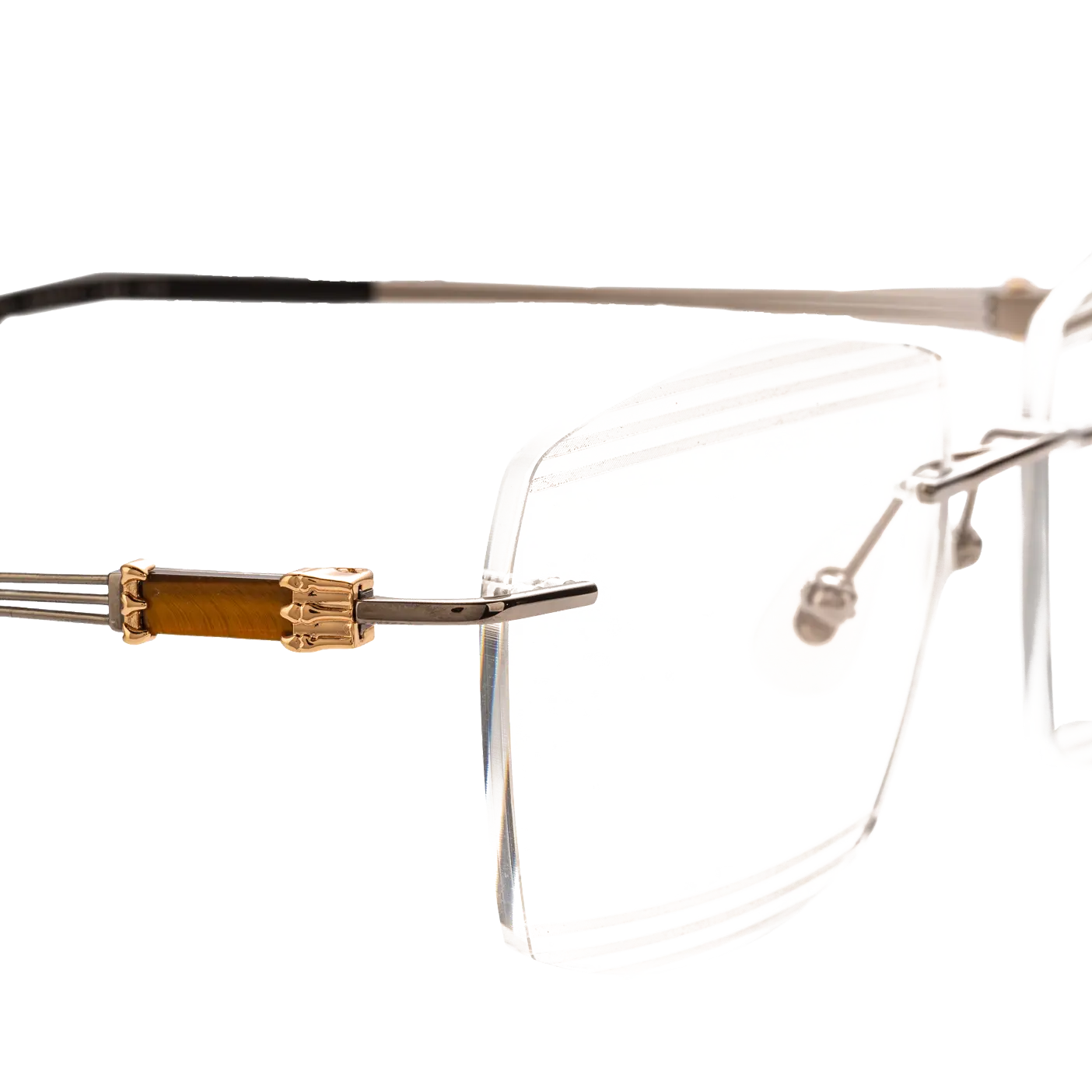
For a sophisticated look where the tint reads as a detail rather than the centerpiece the Ultra-Light Rimless Glasses Elytra and similar precision rimless frames allow the lens color to emerge at certain angles rather than announce itself immediately.
Lens Material Considerations — Plastic Polycarbonate Glass

The material affects how evenly the tint distributes and how stable it remains over time.
• CR-39 standard plastic: The best material for custom dye tints. It absorbs color evenly and produces the most consistent result across the entire lens surface. The trade-off is that it is heavier and more scratch-prone than polycarbonate.
• Polycarbonate: Impact resistant and lighter than CR-39. Harder to tint with dyes but vacuum coating technology now produces vibrant stable results. Good for anyone who needs durability.
• High-index 1.67 or 1.74: Required for stronger prescriptions to keep lens thickness manageable. Tinting requires specialized fast-set dyes to maintain color stability. Available but requires a competent lab.
Lightly Tinted vs Dark Tinted Lenses
The most important decision is tint density not tint color.
A 10 to 20 percent tint is designed for full-time indoor use including evening and low-light environments. It does not function as a sunglass and does not significantly reduce overall brightness. It is a visual comfort upgrade not a light-blocking tool.
A 30 to 50 percent tint is appropriate for overcast outdoor conditions and casual sun exposure. It is not appropriate for indoor professional use or night driving.
Anything above 60 percent is a prescription sunglass. It provides meaningful UV protection in direct sunlight but should not be worn in environments where full visibility is needed.
Practical Uses and Everyday Benefits

Driving and Outdoor Activities

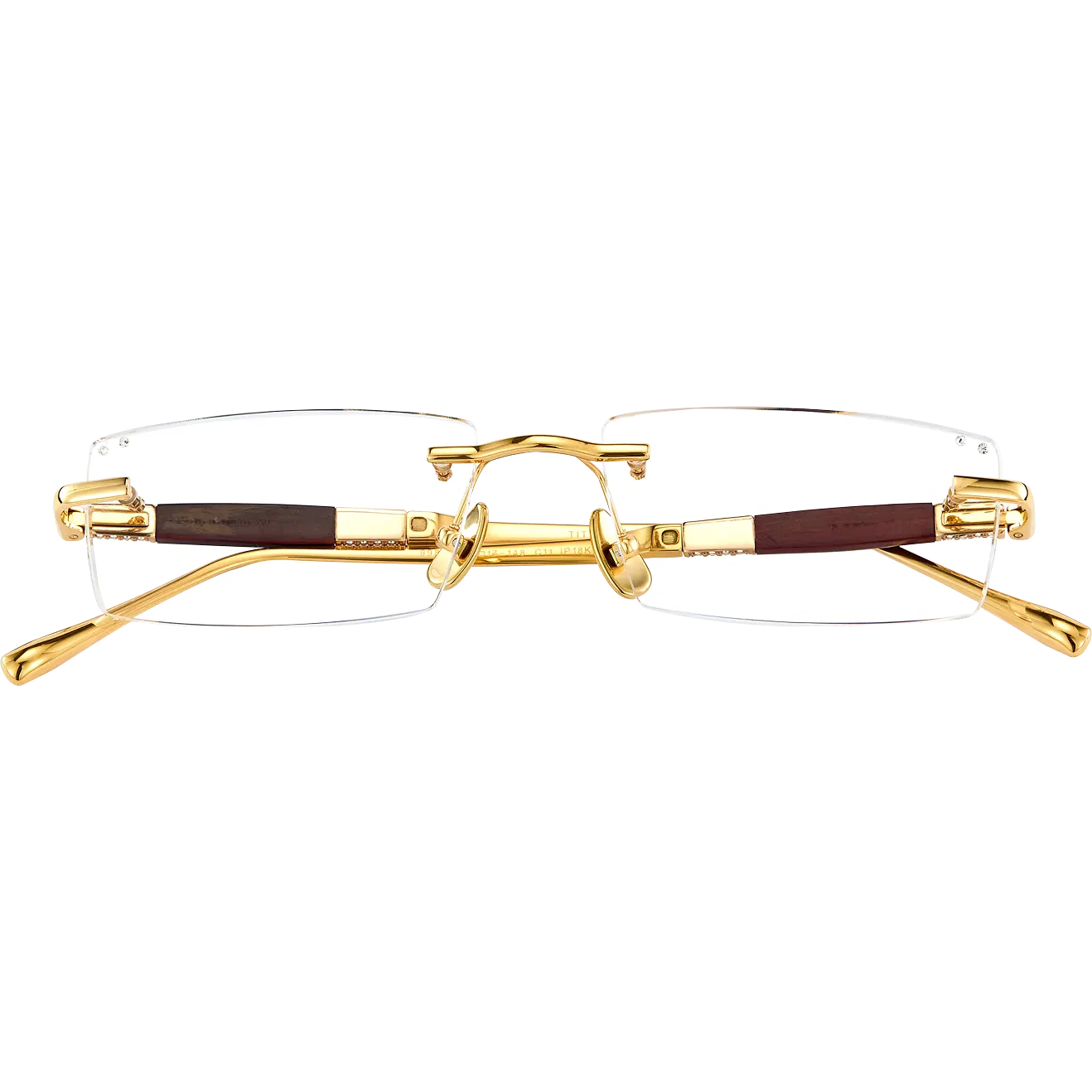
A light yellow tint is one of the most effective tools for night driving. It reduces the high-intensity blue-white glare of modern LED headlights which many drivers find more disruptive than older halogen sources. The Gold Wood Rimless Glasses in a light amber tint is an example of this kind of combination — precise optical construction with a lens treatment that earns its place rather than being decorative.
Brown and copper tints at the 30 to 50 percent range improve depth perception on overcast days by filtering out the flat diffuse blue light that makes road surfaces and obstacles harder to read.
Office and Screen Work
Most modern office lighting runs at a high color temperature that the visual system finds demanding over sustained periods. A light rose or amber tint shifts the perceived warmth of the environment without changing the actual lighting — the effect is a room that feels easier on the eyes without being noticeably darker.
For screen work specifically the reduction in blue-violet intensity allows the eye to maintain focus with slightly less compensatory effort. The practical result is less end-of-day eye fatigue — not a dramatic shift but a consistent one over weeks of wear.
Sports and Recreational Use

Tinted prescription glasses have been a tool for athletes for decades. The mainstream availability of these tints in prescription form is a relatively recent development.
Green G-15 is the standard for outdoor sports where color accuracy and light reduction both matter. Golf and hiking benefit most from this combination. The sky dims slightly while foliage and terrain features retain their natural color contrast.
Copper and orange tints are more effective than polarized lenses for activities where variable light is an issue — skiing on overcast days or fishing in early morning when glare is directional rather than diffuse.
Reducing Eye Strain and Fatigue
The core benefit is reducing the visual effort required to process a bright or high-contrast environment. When a lens filters out wavelengths the eye is working hardest to manage the remaining visual processing is more efficient.
Most people report noticing the difference most at the end of the day. Fewer hours of compensating for harsh light translates to less accumulated tension. This is not a medical outcome — it is simple physics applied to optics.
Where to Get Tinted Prescription Glasses

The availability of tinted prescription eyewear has expanded significantly. Most quality optical labs can now produce a wide range of tints in prescription form with consistent results.
Designer Collections

Heritage optical brands with established tinting programs offer the most variety at the fashion end of the market. Custom wash options at 10 to 20 percent density in proprietary colors are the most sought-after products in this category.
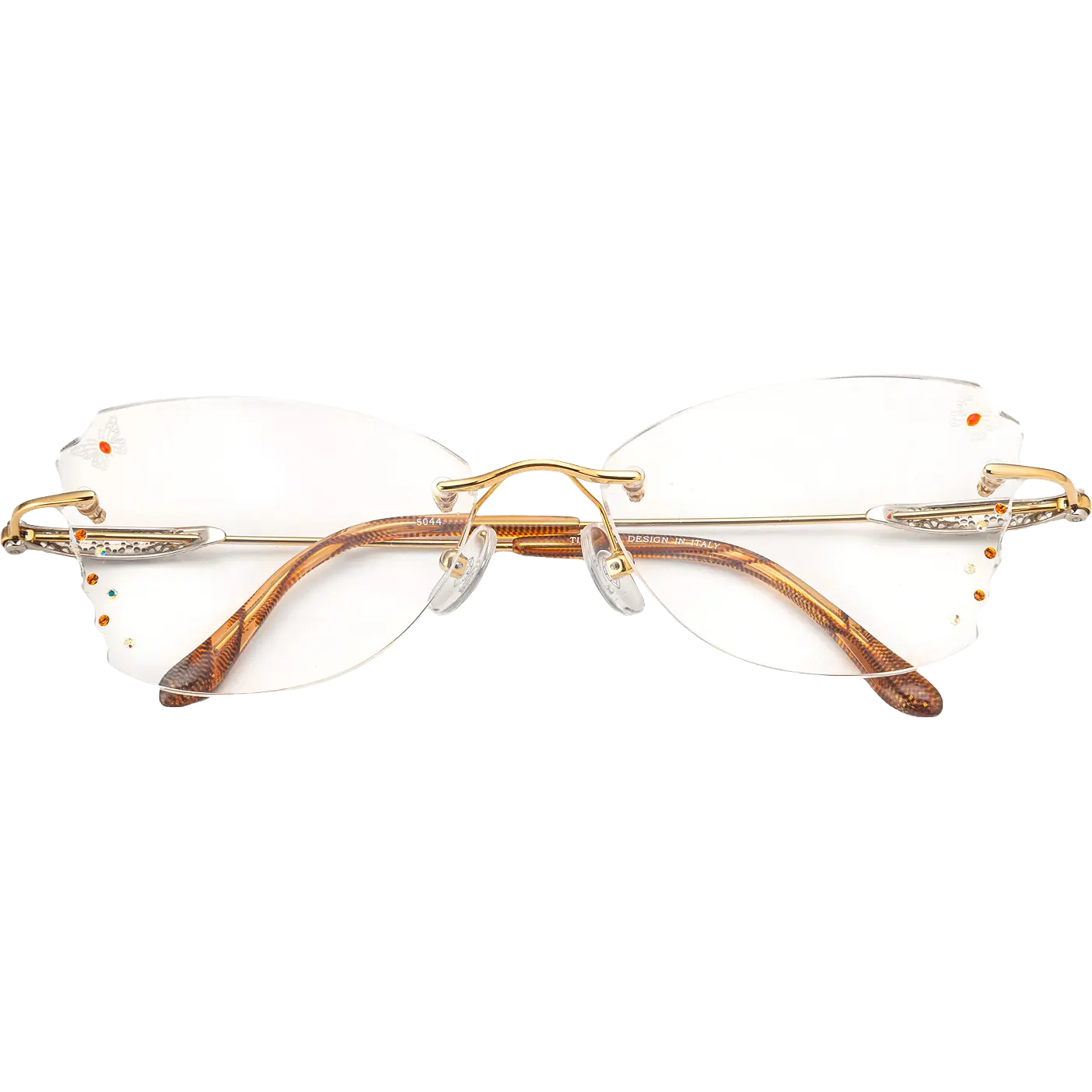
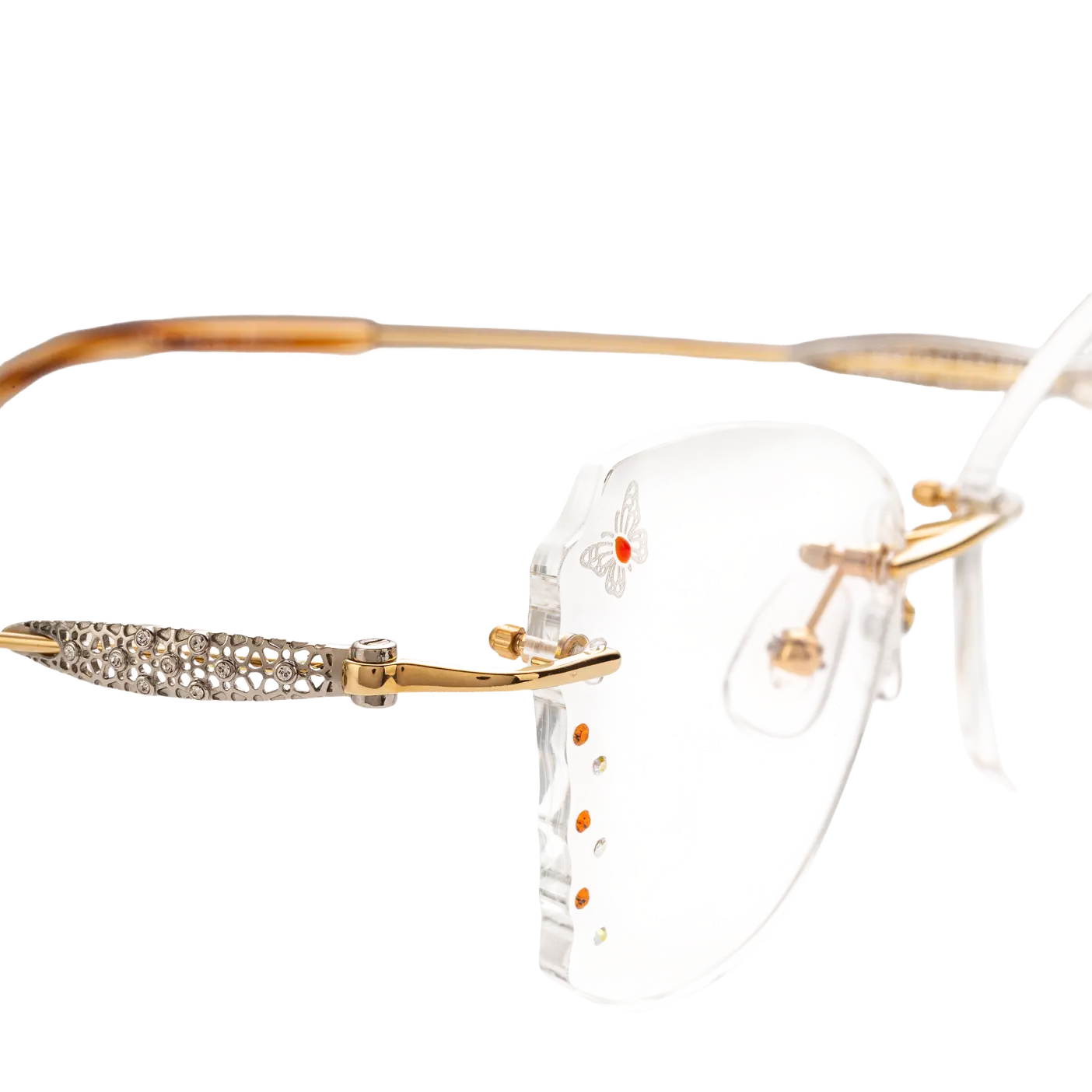
At Bling Optical the frame-first design philosophy means tinted lenses integrate naturally rather than feeling like an add-on. The Gold Cat-Eye Rimless Glasses is one example where the frame architecture and a light lens tint create a cohesive whole.
Affordable Options and Online Retailers

Direct-to-consumer optical brands have made quality tinting accessible at a lower price point. Fashion wash tints as an add-on to any prescription frame are now widely available. The quality gap between affordable and premium tinting has closed considerably as lab technology has standardized.
For someone exploring tinted lenses for the first time starting with a more accessible option to confirm the color and density works for their lifestyle before investing in a premium frame is a reasonable approach.
Custom Tinting Services and Specialty Shops

If you already own frames you like custom tinting services allow you to refit them with prescription lenses in any density and color. This is a practical option for anyone with a frame they want to keep but want to update the lens treatment.
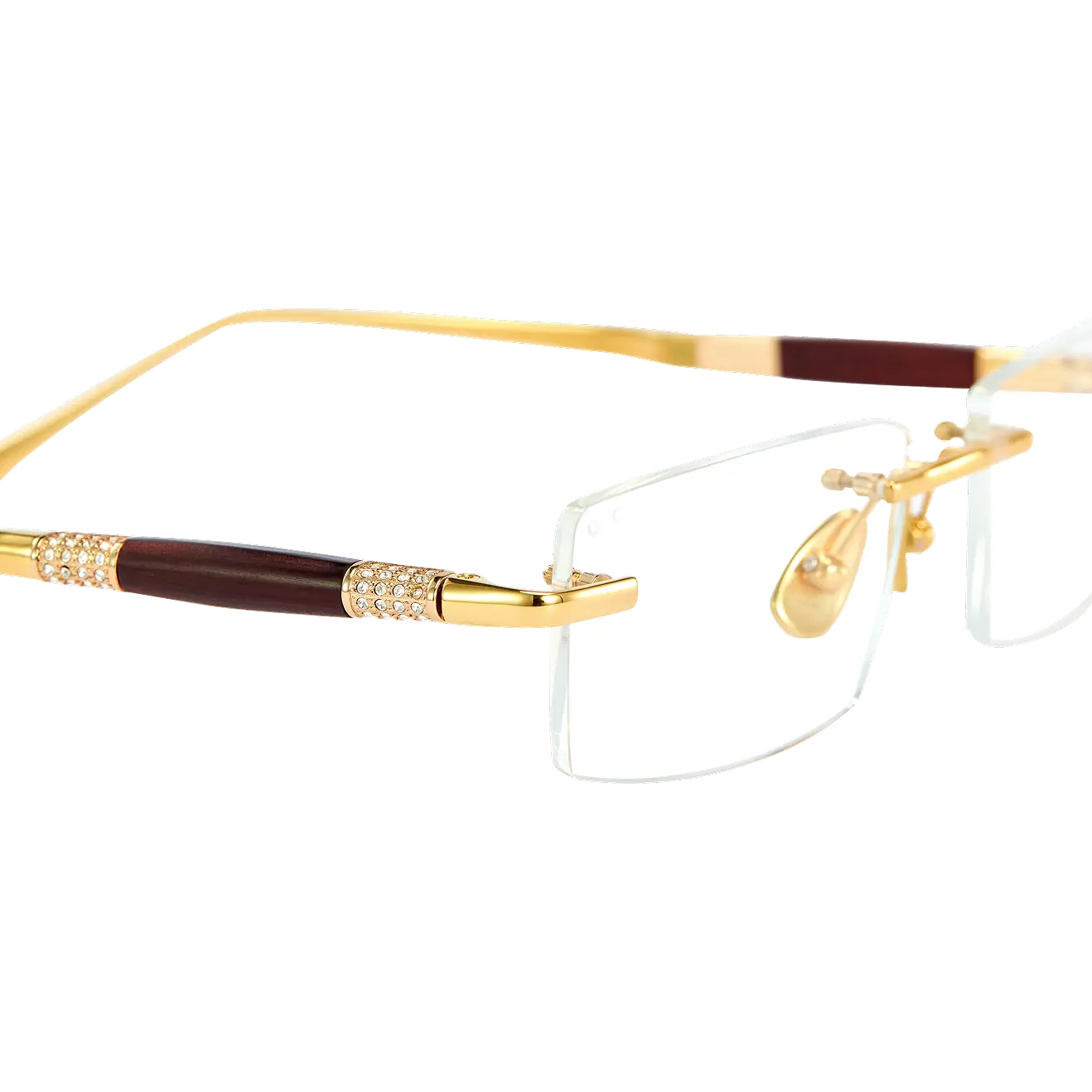
Local independent opticians with in-house tinting capability can match color by eye and adjust density during the process. For a tint as specific as a light rose wash or a particular amber this level of control produces the most accurate result. The Gold Rimless Glasses collection is the kind of frame worth investing in quality custom tinting for — the construction justifies the lens treatment.
Frequently Asked Questions
What are the benefits of lightly tinted prescription glasses?
A light 10 to 15 percent tint takes the edge off harsh overhead LEDs and reduces the glare from bright digital backgrounds without making the environment too dark to function indoors. It also adds a distinct visual character that clear lenses simply do not have.
Can prescription glasses have tinted lenses?
Yes. Virtually any optical-grade frame can be fitted with tinted prescription lenses. Standard plastic CR-39 takes dye most evenly. Polycarbonate and high-index lenses can also be tinted using vacuum coating technology. The available range covers subtle fashion washes through to full sunglass density.
How do I choose the right tint for my prescription glasses?
Match the tint to your primary environment. Yellow or amber for screen work and night driving. Rose for fluorescent-lit offices. Green for outdoor and mixed-light use. Blue or purple for fashion with minimal functional requirement. The tint density matters as much as the color — a 10 percent tint behaves very differently from a 40 percent one.
Are tinted glasses safe for indoor use?
At 10 to 20 percent density yes. These light fashion washes are designed for full indoor use including evening wear and do not significantly reduce visibility. Anything above 50 percent is a sunglass density and is not appropriate for indoor or night use.
Can tinted lenses reduce eye strain from screens?
Yellow and amber tints filter a portion of the blue-violet light that screens emit and can reduce the visual effort of sustained screen work. They are not a replacement for proper screen setup and regular breaks but many people find them genuinely helpful for long sessions at a monitor.
How do I maintain and clean tinted prescription lenses?
Avoid high heat — leaving tinted glasses on a car dashboard can affect vacuum-applied coatings. Use pH-neutral lens spray and a clean microfiber cloth. Avoid household glass cleaners which can strip dye from CR-39 lenses over time. Store in a hard case when not in use.

Looking for something else?

Best Frames for Thick Lenses (Men & Women Guide)
LEARN MORE
How to Fix Loose Glasses in 3 Simple Steps (At Home Fast)
LEARN MORE
Popular Glasses for Men 2026 Styles for Professionals
LEARN MORE
Eye Makeup with Glasses Tips for a Stunning Look
LEARN MORELooking for something else?

Who Invented Glasses and How They Changed the World
LEARN MORE
Diy Eyeglass Cleaner Guide for Crystal Clear Lenses
LEARN MORE
Best Glasses for Oblong Face Shapes
LEARN MOREYou may also like




Further reading
Parts of Glasses Explained: Frame, Bridge, Temple, Nose Pads and Lenses
What Are High Index Lenses and Who Needs Thinner Glasses?
Do Glasses Make Your Eyes Worse? What New Wearers Should Know