Diy Eyeglass Cleaner Guide for Crystal Clear Lenses
Two ingredients. One spray bottle. Cleaner lenses than most store-bought options.
A DIY eyeglass cleaner made from distilled water and a drop of mild dish soap is safe for modern lens coatings, costs almost nothing, and takes about 90 seconds to make. The commercial alternative often contains ammonia or high-concentration alcohol that gradually degrades the anti-reflective and UV-protective layers that protect your investment. At Bling Optical frames are built to last — the cleaning routine should match that standard.
|
Two Safe DIY Recipes — Quick Reference |
|
Recipe 1 (Soap-based — all coatings): 1 cup distilled water + 1-2 drops lotion-free dish soap |
|
Recipe 2 (Alcohol-based — heavy oil): 3 parts 70% isopropyl + 1 part distilled water |
|
Always apply to the cloth — not directly to the lens |
|
Only use microfiber — no tissues paper towels, or clothing |
|
Rinse first to remove loose grit before wiping |
Why Make Your Own Eyeglass Cleaner

The case for DIY is not just cost. It is control.
Modern lenses have multiple coating layers — anti-reflective UV-blocking blue-light filtering hydrophobic water-repellent. These coatings are microscopically thin and respond poorly to ammonia bleach and high-concentration solvents that appear in some commercial sprays. When you make your own cleaner, you know exactly what is touching those layers.
The Benefits of Going DIY

- Coating safety: A soap-and-distilled-water formula will never strip anti-reflective or UV layers. Many commercial sprays contain ingredients that degrade these coatings gradually with each use.
- Cost: Both recipes use ingredients most households already have on hand. The per-bottle cost is negligible versus retail lens cleaners.
- No unknown additives: No synthetic fragrances dyes preservatives or ammonia derivatives. What you mix is what contacts your lenses and your face.
- Frame safety: Alcohol-heavy commercial sprays can cloud certain acetate and bio-acetate frames over time. A soap-based formula is safe for all frame materials, including the titanium and wood-acetate constructions in current rimless designs.
Alcohol-Based DIY Eyeglass Cleaner

Use this when you need to cut through heavy buildup — sunscreen residue, thick skin oils, hairspray, or anything that a soap-based cleaner leaves behind.
The Fast-Dry Recipe
Ingredients:
- 3 parts 70% isopropyl alcohol
- 1 part distilled water
- 1 to 2 drops mild lotion-free dish soap (optional for extra degreasing)
Instructions:
- Pour alcohol and distilled water into a clean 2oz spray bottle.
- Add dish soap if using. Cap and swirl gently — do not shake vigorously.
- Label the bottle clearly so it is not confused with your soap-based formula.
Tips for Safe Application

- Spray the cloth, not the lens: Liquid that pools on the frame can seep into hinges and loosen screws over time.
- Avoid on hydrophobic coatings: High-end water-repellent and easy-clean coatings can be degraded by repeated alcohol exposure. Use the soap-based recipe for daily cleaning and the alcohol version only when needed.
- Use 70% not 90%+: Higher concentration alcohol evaporates too fast to clean effectively and is more aggressive on coating chemistry. 70% is the right balance.
Soap-Based DIY Eyeglass Cleaner
This is the daily driver. Safe for every lens coating. Safe for every frame material.
The Gentle-Clear Recipe
Ingredients:
- 1 cup distilled water
- 1 to 2 drops of lotion-free mild dish soap
Instructions:
- Add soap to distilled water in a small spray bottle.
- Swirl gently to combine. Avoid shaking which creates foam that is harder to buff away.
- Store at room temperature away from direct sunlight or heat sources.
Advantages Over Alcohol-Based Cleaners

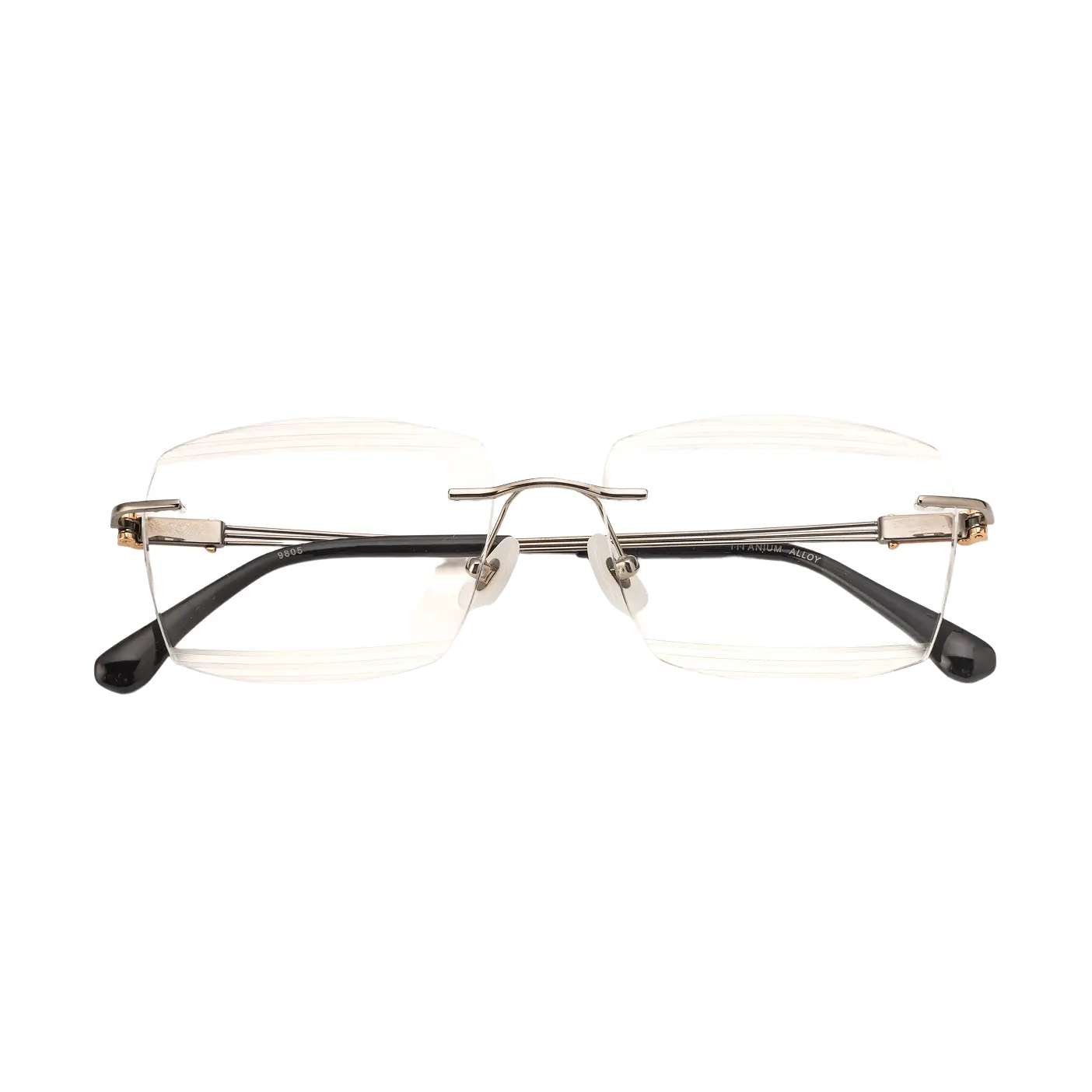
The soap-based formula is the right choice for precision-built rimless frames. The Silver Polygon Rimless Glasses and similar designs use precise drill-mounted lenses where liquid management matters — a soap-based solution applied to a cloth gives you control that a heavily sprayed lens does not.
- Safe for all coatings: Anti-reflective UV-blocking photochromic blue-light filtering — none are affected by mild soap at this concentration.
- Safe for all frame materials: Titanium acetate bio-acetate wood inlay — soap and distilled water is appropriate for all of them.
- No fumes: Practical if you clean your glasses in an enclosed space or if you have sensitivity to chemical odors.
Household Alternatives for Quick Cleaning
No spray bottle available. Here is what actually works and what causes damage.
|
Method |
Best For |
Safe for AR Coating? |
Notes |
|
Soap + distilled water |
All lens types for daily use |
Yes — safest option |
pH balanced will not strip any coating |
|
70% isopropyl + distilled water |
Heavy oil and residue |
Use sparingly |
Avoid on hydrophobic AR coatings over time |
|
Distilled water only |
Light dust daily wipe |
Yes |
Best minimal option — needs microfiber only |
|
Pre-moistened lens wipes |
Travel quick clean |
Check label — AR-safe versions only |
Avoid ammonia-based wipes |
|
Vinegar solution |
Windows NOT lenses |
No — damages coatings |
Acid strips AR and UV protective layers |
|
Tap water |
Emergency rinse only |
Acceptable for rinse |
Mineral deposits can cloud lenses if left to dry |
What Works — The Safe Alternatives
- Microfiber cloth dry: For light dust with no oil contamination, a dry high-density microfiber cloth is all you need. The microscopic fibers lift particles rather than smear them.
- Distilled water mist: A light spray of distilled water, followed by microfiber buffing, is the safest, minimal-ingredient option. Distilled water has no minerals to leave behind.
- Pre-moistened lens wipes: Convenient for travel but check the label — wipes labeled safe for AR coatings are appropriate. Older or cheaper formulations may contain ammonia.
What to Avoid — The Lens Killers

|
Warning — Avoid These on Your Lenses |
|
Vinegar — acidic. Strips anti-reflective and UV coatings. Causes crazing and peeling at the lens edge. |
|
Paper towels / tissues / napkins — wood pulp fibers scratch lens surfaces. Looks soft but acts like fine sandpaper. |
|
Window cleaner / Windex — contains ammonia. Destroys AR coatings and can cloud acetate frames. |
|
Clothing/shirt hem — traps grit and dust throughout the day. Wipes that debris directly into the coating. |
|
Boiling or very hot water — thermal shock can affect certain lens materials and cause coatings to separate. |
|
Lotion dish soap — oils and cream additives leave a greasy film that is difficult to remove from lenses. |
Tips for Using Your DIY Eyeglass Cleaner
The formula matters. The technique matters equally.
How to Avoid Streaks and Residue
- Wash hands first: Skin oils transferred during handling move to the lens surface and create the smudge you are trying to remove.
- Rinse before wiping: A quick rinse under lukewarm water removes loose grit. Wiping a dusty lens without rinsing first drags abrasive particles across the coating — the leading cause of fine scratches.
- Spray the cloth: Apply your cleaner to the microfiber cloth not directly to the lens or frame. Liquid on the frame can pool at hinges or behind the lens mount.
- Buff in circular motion: Light circular strokes lift the cleaner and oils together. Straight back-and-forth dragging can push debris across rather than lifting it.
Recommended Storage

- Small spray bottles: 1oz to 2oz fine-mist bottles give an even application and fit in a bag or car console without taking up space.
- Label both versions clearly: If you make both the alcohol-based and soap-based formulas, label them with the recipe type. The alcohol version is not appropriate for all coatings.
- Store away from heat: A dashboard or windowsill in summer heat will cause alcohol to evaporate and can degrade the dish soap in your formula. Room temperature in a dark location is ideal.
What Not to Do When Cleaning Glasses

The most common lens damage is not caused by drops or impacts. It is caused by cleaning.
- Never use paper products: Tissues paper towels napkins and toilet paper are made from wood pulp. The fiber structure is abrasive at the microscopic level.
- No harsh chemicals: Ammonia, bleach, window cleaner, lemon juice, or vinegar. All acidic or alkaline enough to degrade coating chemistry.
- The shirt wipe trap: Clothing collects dust particles throughout the day. Wiping lenses on clothing grinds that dust into the coating. Even soft cotton is not an appropriate lens cloth.
- Hot water: Lukewarm is fine for rinsing. Hot water can affect certain lens coatings particularly photochromic treatments that are sensitive to temperature.
Maintain Clear Vision Every Day
A consistent routine extends lens life significantly. A few minutes per week prevents the gradual degradation that makes lenses look permanently cloudy.
Your Cleaning Schedule

Daily: Rinse under lukewarm water to remove overnight accumulation of skin oils. Apply soap-based DIY cleaner to a microfiber cloth and buff dry. This takes about 30 seconds.
On the go: A 1oz spray bottle and a clean microfiber cloth in a case in your bag. Spray the cloth and buff when needed. Do not spray the frame directly.
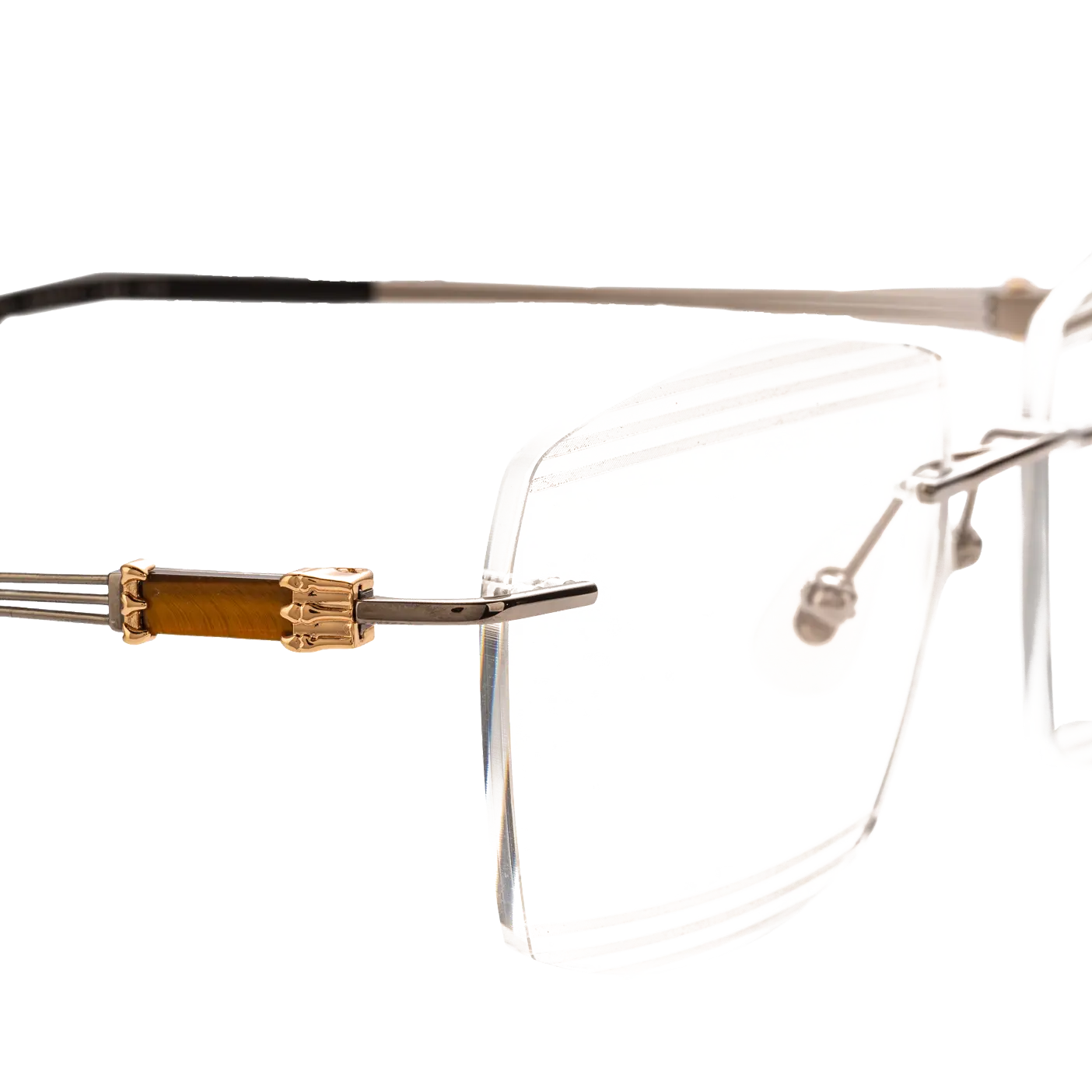
Weekly: Use a soft-bristled toothbrush with soapy water around the nose pads and hinge area. These are where skin oil and environmental grime accumulate and harden. The Gold Wood Rimless Glasses and similar frames with detailed hardware benefit most from weekly attention to these areas.
How DIY Cleaners Extend Lens Life
Commercial cleaners that contain ammonia or high alcohol concentrations work by chemical aggression — they strip oils but also strip coating chemistry with repeated exposure. A soap-based DIY formula works by surfactant action — the soap molecule attaches to oil at one end and water at the other, lifting the oil off the surface without chemical attack. The Rimless Glasses for Women and Rimless Glasses for Men collections use precision lens mounting that keeps coatings exposed around the full lens edge — which makes gentle cleaning not just preferable but necessary.
Distilled water is the other critical ingredient. Tap water contains calcium magnesium and trace minerals that dry as white deposits on the lens surface. These appear as clouding. They are not coating damage — they are mineral buildup — but they obscure vision and create a surface that traps more grime. Distilled water eliminates this entirely.
Protecting your lenses is protecting your investment. Find precision-built frames worth that level of care in the Luxury Prescription Glasses collection — frames where the construction justifies the maintenance routine.
The Gold Eagle Rimless Glasses and similar precision-mounted frames reward the kind of care this guide describes — clean lenses let the design speak without obstruction.
Frequently Asked Questions
What is the best homemade eyeglass cleaner?
Distilled water with one to two drops of lotion-free dish soap in a small spray bottle. This combination is pH-balanced, safe for all lens coatings, and costs almost nothing to make. Distilled water is the key detail — tap water leaves mineral deposits that cloud the lens surface over time.
Can I use vinegar to clean eyeglasses?
No. Vinegar is acidic and will damage anti-reflective and UV-protective coatings on prescription lenses. The effect is not immediate but repeated use causes crazing — a pattern of tiny cracks in the coating — or visible peeling at the lens edge. Use mild dish soap and distilled water instead.
How to make homemade eyeglass cleaner without alcohol?
Mix one cup of distilled water with one to two drops of mild lotion-free dish soap. Swirl gently in a small spray bottle to combine without creating foam. This is the safest formula for high-index anti-glare and photochromic lenses, where alcohol contact should be avoided.
How do you get streak-free lenses?
Two things cause streaks: mineral deposits from tap water and not using a clean microfiber cloth. Use distilled water in your DIY formula and apply the solution to the cloth not the lens directly. Buff in a gentle circular motion until dry. A damp microfiber used correctly leaves no streaks.
Is homemade eyeglass cleaner safe?
Yes when made with the right ingredients. Distilled water and mild dish soap is often gentler than commercial sprays that may contain ammonia or high alcohol concentrations. The key is to avoid vinegar, harsh chemicals, paper products, and anything with lotion additives that leave a greasy film.
What household items can I use to clean my glasses?
Lukewarm water and a small amount of lotion-free dish soap are the best household tools. Always dry with a clean microfiber cloth. Never use saliva, clothing, tissues, or paper towels — all introduce oils or abrasive fibers that cause scratches and coating damage over time.
How to get eyeglasses crystal clear?
The rinse-spray-buff method. First rinse with lukewarm water to remove loose grit — wiping dry grit is the main cause of scratches. Then apply your DIY cleaner to a microfiber cloth. Then buff the lenses until fully dry. This sequence prevents grinding particles into the lens surface.

Looking for something else?

Best Frames for Thick Lenses (Men & Women Guide)
LEARN MORE
How to Fix Loose Glasses in 3 Simple Steps (At Home Fast)
LEARN MORE
Popular Glasses for Men 2026 Styles for Professionals
LEARN MORE
Eye Makeup with Glasses Tips for a Stunning Look
LEARN MORELooking for something else?

Who Invented Glasses and How They Changed the World
LEARN MORE
Diy Eyeglass Cleaner Guide for Crystal Clear Lenses
LEARN MORE
Best Glasses for Oblong Face Shapes
LEARN MOREYou may also like


Further reading
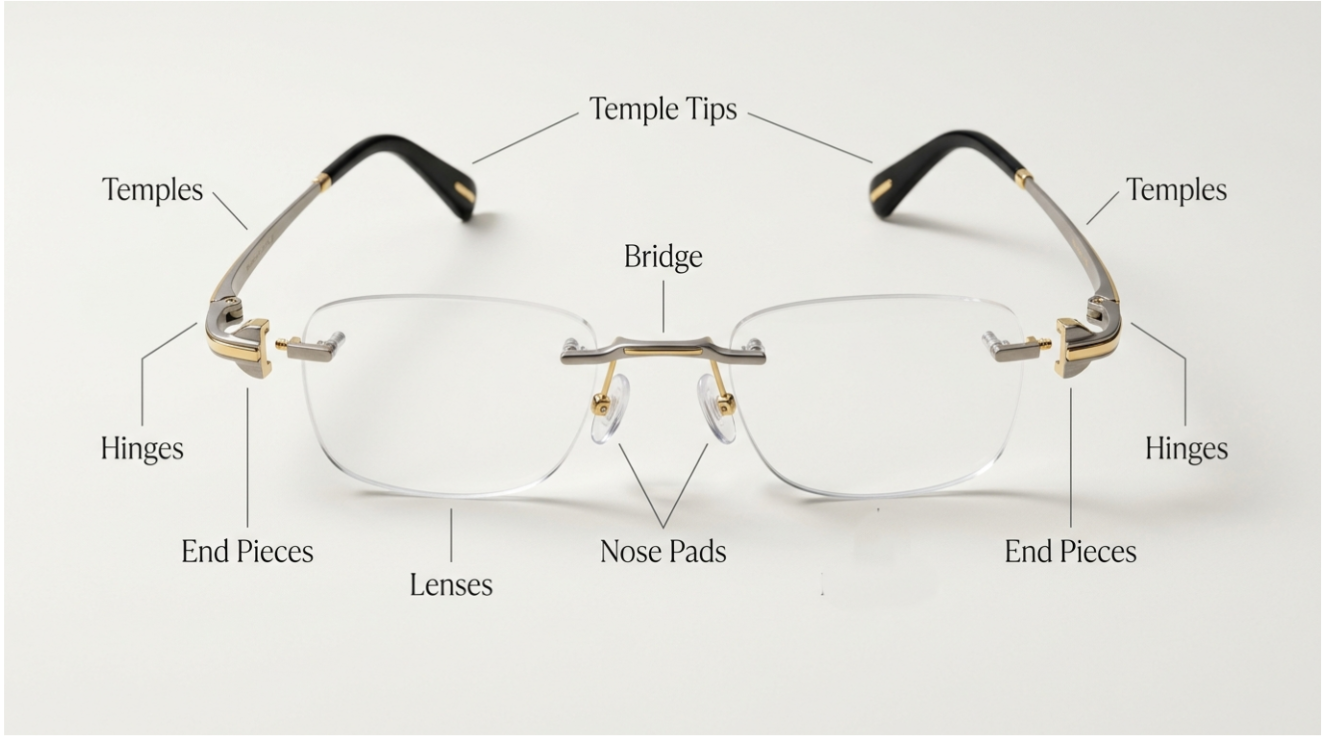
Parts of Glasses Explained: Frame, Bridge, Temple, Nose Pads and Lenses

What Are High Index Lenses and Who Needs Thinner Glasses?
Do Glasses Make Your Eyes Worse? What New Wearers Should Know