


Best Lens Color for Fishing Sunglasses: Polarized Lens Guide
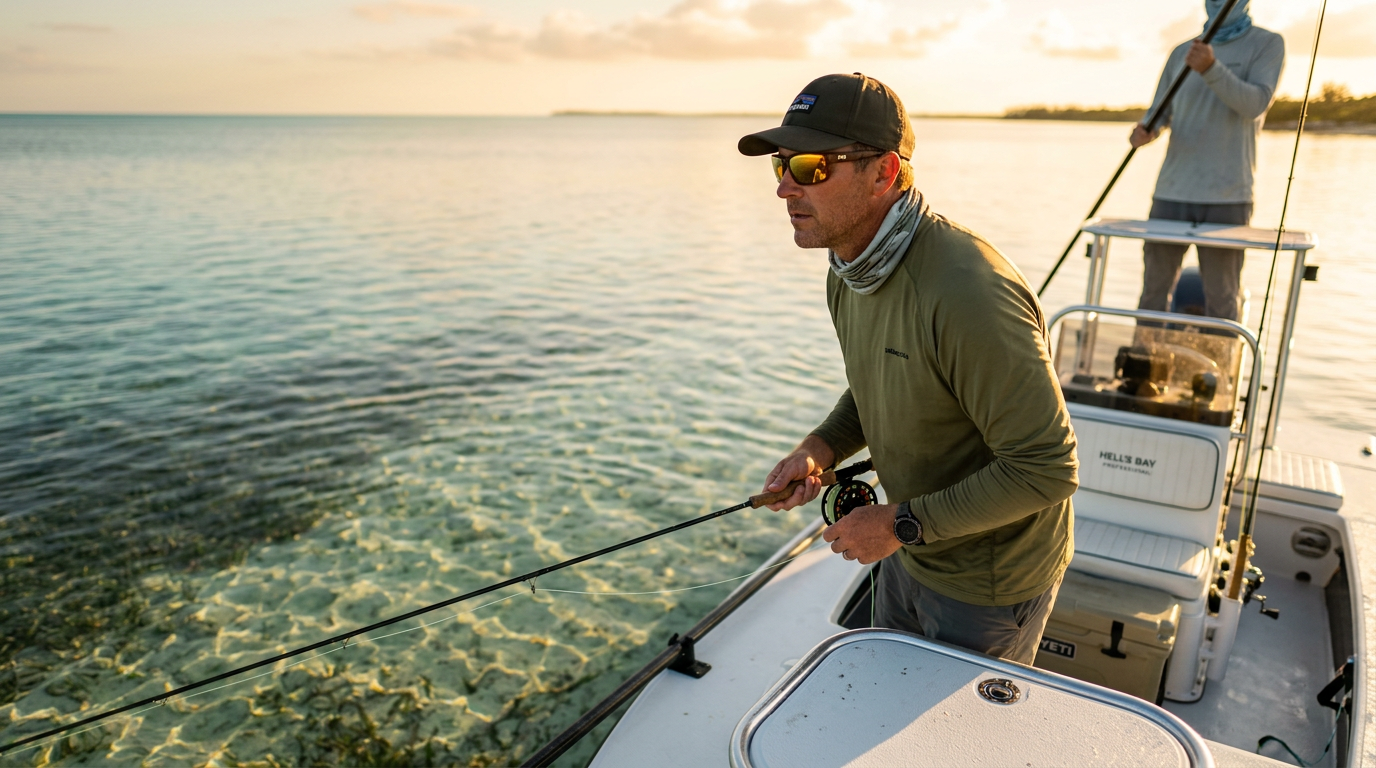
what color lens is best for fishing in 2026 Ask three anglers what color lens is best for fishing and you'll get four answers, a story about a lost pair of glasses, and probably a strong opinion about bananas on boats. Here's the thing they're all dancing around: the tint isn't the first decision. It's the second. Polarization comes first, every time, because water throws glare straight back into your eyes and that glare is what hides the fish.
Once the lens is polarized, color is how you fine-tune it. A copper tint that makes a trout pop against a gravel bottom would feel dim and yellow out on bright open ocean. A dark gray that's perfect at noon offshore turns a shaded creek into a cave. So the real question isn't "what's the best color" — it's "best for where you actually fish." Let's sort that out.
|
The short version Go polarized first — that's the part that cuts surface glare so you can read the water. For color: copper, amber, or brown is the safest all-rounder and the best pick for freshwater, rivers, and shallow flats. Gray or blue mirror owns bright open water and offshore trips. Yellow or rose is for dawn, dusk, and heavy cloud. Buying just one pair? Start with polarized copper. |
What Color Lens Is Best for Fishing? (Quick Answer)
Short on time? Copper, amber, or brown. Those warm tints block a chunk of blue light, which bumps up contrast and depth, so fish, weed beds, and bottom changes separate out from the water instead of blending in. That's why they're the go-to for shallow, varied light.
If your fishing is mostly bright and open — deep lakes, offshore, a boat at noon — gray or a blue mirror lens handles the harsh glare better and keeps colors looking natural. And when the light drops at dawn or under thick cloud, yellow or rose brightens everything up. The trick is matching the tint to your main water, not chasing one lens that supposedly does it all.
Why Polarization Comes First (Color Is Second)
Before tint, polarization. Sunlight bounces off flat water in strong horizontal waves, and that reflected light is the glare that turns the surface into a mirror. Polarized lenses filter most of it out, so you can actually see through the surface instead of at it. The American Academy of Ophthalmology notes that polarized lenses cut glare and eyestrain, which improves both vision and safety in the sun.

Regular sunglasses just dim the scene. They knock down brightness but leave the shiny reflection sitting right on top of the water. Healthline makes the same point — polarized lenses are the ones that reduce that bright surface reflection during high-glare activities around water and snow. For an angler, that's the whole game.
One catch worth flagging: polarization and UV protection aren't the same spec. A lens can kill glare and still let UV through. So check the label for UV400 or 100% UV protection separately — more on that later.
Quick lens-color cheat sheet by condition
|
Fishing condition |
Best lens color |
What it does |
|
Bright offshore / deep water |
Gray or blue mirror |
Cuts harsh glare on open water, keeps color natural |
|
Freshwater lakes |
Copper, amber, or brown |
Boosts contrast and depth so fish stand out |
|
Rivers and streams |
Amber or brown |
Helps read rocks, weeds, and bottom shape |
|
Inshore flats |
Green mirror over copper |
Balances glare control with strong contrast |
|
Cloudy days |
Yellow, rose, or light amber |
Brightens a flat, low-light view |
|
Dawn or dusk |
Yellow or rose |
Adds contrast when the light is weak |
Best for Open & Offshore Water: Gray and Blue Mirror
Out on big water, the problem isn't seeing the bottom — it's surviving the brightness. Open ocean and deep blue lakes reflect a punishing amount of light, especially at midday, and you're often out there for hours with no shade. That's gray and blue mirror territory.
Gray is the neutral choice. It darkens everything evenly without throwing a warm or yellow cast over the world, so colors stay close to true. Pair a gray base with a blue mirror coating and you add a second layer of reflection control on the front of the lens — the mirror bounces part of the incoming light away before it ever reaches your eye. On deep blue water under full sun, that combination is hard to beat.

Blue mirror lenses also happen to look the part offshore, but don't pick them on looks alone — they run dark, and that same darkness that's perfect at noon makes them a poor fit for a shaded creek. If your days are mostly bright and open, a refined sunglasses pair built for bright days with full UV protection is the kind of frame that earns its keep on long sunny trips — on the water and off it.
Best for Freshwater and Shallow Water: Copper, Amber, and Brown
Freshwater is a contrast game more than a brightness one. You're trying to pick a fish out from grass, mud, sand, or a rocky bottom, often in light that shifts between sun and cloud as you move down a bank. Warm tints do that job. Copper, amber, and brown filter out blue light, and cutting blue is what makes edges, shadows, and depth changes jump.

Copper adds a touch of warmth that sharpens those transitions, and it holds up whether the sun's out or tucked behind light cloud. That flexibility is exactly why it's the most-recommended one-pair tint for anglers. Bass in shallow grass, trout in a stream, panfish off a dock — a polarized copper lens reads all of it well.
Amber and brown lean the same direction, with a knack for depth perception in stained or shallow water. Wading a river, you'll spot the rock before you step on it and the seam before you cast to it. The water stops looking flat and starts looking like terrain.
|
The one-pair pick: If you fish lots of places and don't want a quiver of lenses, polarized copper or amber covers more conditions than either a very dark gray or a very light yellow. Start there, add specialty tints later if you need them. |
Green Mirror for Inshore and Mixed Light
Inshore water can't make up its mind. One minute you're squinting into glare off a sand flat, the next you've drifted into the shade of a mangrove edge. Green mirror lenses are built for that in-between. Most pair a green mirror coating over a copper or amber base, so you get contrast from the warm base and glare control from the mirror in one lens.

Flats, bays, marsh edges, shallow coastal water — this is where a green mirror earns its reputation. It isn't as dark as a heavy blue mirror, which is the point: you keep enough light and contrast to spot a redfish cruising over grass, while the mirror still tames the bright stuff. When the water's shallow and the details matter more than raw glare protection, green mirror beats blue.
Yellow and Rose for Cloudy Days and Low Light
When the light gets weak, you want a lens that gives some back. Yellow, rose, and light amber let in more light than gray or blue mirror, which is why they shine at dawn, at dusk, and on those flat gray days when the sky and water both look like dishwater. They lift contrast just enough to make line movement, bank shape, and shallow structure readable again.

Rose sits a half-step gentler than yellow — good for shaded streams or early fly fishing when you want detail without a harsh tint. The one rule: don't reach for these under bright sun. They let too much light through for a high-glare midday, and you'll end up squinting and tired. Save them for the edges of the day.
Lens Color by Fishing Style
Your style of fishing nudges the choice as much as the water does. Quick rundown of how the tints map to common setups, so you can skip straight to yours.
- Bass fishing — Copper, amber, or brown for grass lines, laydowns, docks, and shallow cover. Green mirror over copper works well on ponds and reservoirs.
- Fly fishing — Amber and brown for bright rivers; rose or yellow for dark creeks and evening water. Copper is the safe all-rounder.
- Saltwater offshore — Gray or blue mirror to handle open-water sun and keep colors honest on long trips.
- Inshore saltwater — Green mirror over copper for flats, grass, and shallow movement.
- Kayak fishing — You sit close to the surface, so glare feels stronger. Copper or green mirror for mixed water; gray or blue mirror for bright bays.
- Sight fishing — Copper, amber, brown, or green mirror. Contrast is everything here — pick the tint that makes shape and movement obvious, not the one that photographs best.
Mirror Coating vs Base Lens Color
People mix these two up constantly, and it leads to bad buys. The base color is the tint you actually look through — it's doing most of the work on contrast and brightness. The mirror coating sits on the front, reflecting some light away and changing how the glasses look from the outside. Useful, but secondary.

So gray base keeps colors natural; copper, amber, and brown add contrast; yellow and rose brighten dim scenes. The mirror then tunes it: blue mirror for bright open water, green mirror for inshore and contrast, silver for low-to-medium light. Orange and red mirrors usually ride on warm bases. Whatever the shiny color out front, check the base before you buy — that's what your eyes see.
|
The mistake that costs you fish Buying by mirror color for looks. A bold blue mirror may be far too dark for a shaded stream; a sporty red mirror might not match your conditions at all. And dark lenses in low light hide the very shadows and movement you're trying to read. Check the base color and the conditions first — style comes after function. |
How to Choose the Right Pair
Lens color matters, but a great tint on a bad pair of sunglasses still lets you down. Fit and protection carry equal weight. A few things to lock in before you buy:

- Match tint to your main water — gray or blue mirror for deep open water; copper, amber, or brown for freshwater and shallows; green mirror for inshore; yellow or rose for cloudy and low light.
- Go wraparound for side glare — light bounces in from the sides too, especially on a boat. Wider or wraparound frames block it. Mayo Clinic recommends larger wraparound-style sunglasses for fuller coverage.
- Confirm UV protection separately — polarization isn't UV protection. The label should say UV400 or 100% UV. Cleveland Clinic stresses UV defense as the spec that actually guards your eyes over time.
- Consider prescription if you need it — prescription fishing sunglasses give you distance vision and glare control in one frame. Ask for polarized lenses and full UV.
For one pair across mixed trips, polarized copper or amber is a common educational recommendation. Bling Optical does not currently offer polarized lenses. For a current non-polarized option, see Pantheris Sunglasses, or browse the sunglasses collection and check each product’s verified tint and UV specifications. If polarization is essential for fishing, choose a specialist retailer that clearly lists it.
Common Mistakes When Choosing Fishing Lens Colors
Most lens regrets trace back to the same handful of slips. Worth a quick scan before you spend.

- Picking a mirror color for the photo, not the water. The base tint decides what you see — check it first.
- Wearing dark lenses in low light. Gray and blue mirror swallow the dawn and dusk detail you need. Switch to yellow, rose, or light amber.
- Running non-polarized lenses on water. They dim the day but leave the glare sitting on the surface, hiding fish and structure.
- Expecting one lens to nail every condition. Copper is the best single pick, but offshore-plus-shaded-creek anglers are better off with two.
Conclusion
So, what color lens is best for fishing? The honest answer is the one that fits where and when you fish. Copper, amber, and brown are the best all-rounders for freshwater, rivers, lakes, shallow water, and sight fishing because they crank up contrast and help you read the water. Gray and blue mirror own bright open water, offshore runs, and long sunny days on a boat. Green mirror is the inshore and mixed-light specialist, while yellow and rose carry the cloudy mornings and the last light of the evening.
If polarization is essential, choose a retailer that currently offers it, then choose the tint for your main spot and double-check for UV400 or 100% UVA and UVB protection. Do that and your sunglasses stop being shade and start being a tool that helps you see — and catch — more. Bling Optical’s current eyewear lineup covers non-polarized sun-ready styles built for clarity, comfort, and bright days on the water.
FAQs
What color lens is best for fishing?
Copper, amber, or brown for most fishing. Those warm tints boost contrast so you spot fish, weeds, rocks, and bottom changes in freshwater and shallow water. Make sure they're polarized first.
What color polarized lens is best for freshwater fishing?
Amber or copper. They handle lakes, rivers, streams, and shaded banks well, where contrast matters more than raw glare protection. Both stay usable as the light shifts through the day.
Is a blue lens good for fishing?
A blue mirror lens is great for offshore and bright open water — it cuts harsh glare over deep water under strong sun. It runs dark, though, so it's a poor pick for shaded creeks or low light.
Are red or blue lenses better for fishing?
It depends on the base under the mirror. Blue mirror suits bright offshore water; warm-based lenses (often with red or orange mirrors) suit shallow, contrast-heavy fishing. Always check the base color, not just the mirror.
What lens color is best for cloudy days?
Yellow, rose, or light amber. They let in more light and lift contrast when the sky is flat and gray. Skip dark gray or blue mirror on overcast days — they'll feel too dim.
What color lens helps you see fish in water?
Copper, amber, brown, and green mirror lenses. They improve contrast, which makes movement and bottom detail easier to catch — exactly what the sunglasses range for travel and water days is built around for sight fishing.
Are polarized sunglasses worth it for fishing?
Yes, easily. They cut the glare off the water surface, reduce squinting, and let you see below the waterline. For any angler, polarization does more than tint alone ever could.
Can I use regular sunglasses for fishing?
You can, but they underperform. Regular lenses dim brightness yet leave surface glare in place, so fish and structure stay hidden. Lightweight rimless frames that stay put are the better call on the water.
Sources
- American Academy of Ophthalmology, what polarized lenses are for
- American Academy of Ophthalmology, how to choose sunglasses that avoid sun damage
- Healthline, the uses and benefits of polarized lenses
- Mayo Clinic, why sunglasses are a must-wear
- Cleveland Clinic, why UV protection matters when choosing sunglasses

Looking for something else?

Best Frames for Thick Lenses (Men & Women Guide)
LEARN MORE
How to Fix Loose Glasses in 3 Simple Steps (At Home Fast)
LEARN MORE
Popular Glasses for Men 2026 Styles for Professionals
LEARN MORE
Eye Makeup with Glasses Tips for a Stunning Look
LEARN MORELooking for something else?

Who Invented Glasses and How They Changed the World
LEARN MORE
Diy Eyeglass Cleaner Guide for Crystal Clear Lenses
LEARN MORE
Best Glasses for Oblong Face Shapes
LEARN MOREYou may also like


Further reading
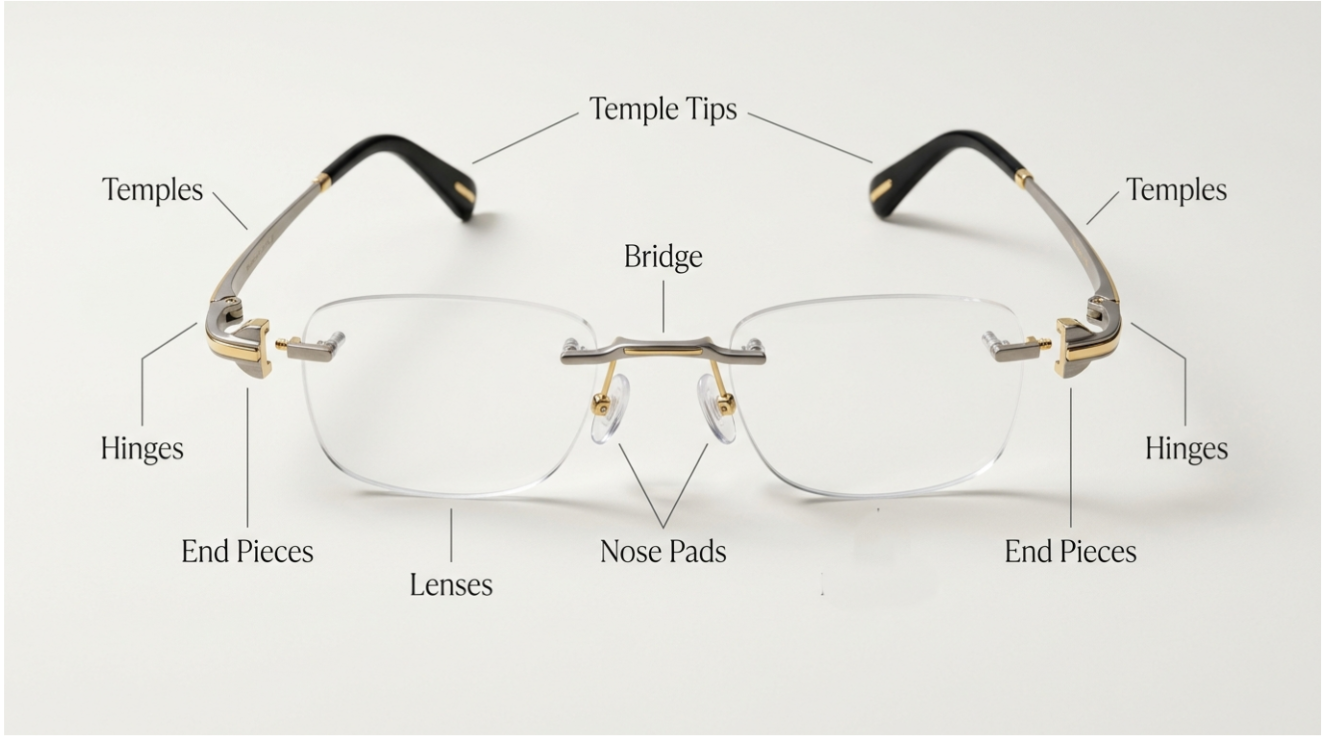
Parts of Glasses Explained: Frame, Bridge, Temple, Nose Pads and Lenses

What Are High Index Lenses and Who Needs Thinner Glasses?
Do Glasses Make Your Eyes Worse? What New Wearers Should Know


