Do Glasses Make Your Eyes Worse? What New Wearers Should Know
Your first pair of glasses does something odd. The world goes sharp. Suddenly there's text you can read from the couch, and a street sign you'd been guessing at for months. You wonder how you coped. Then night comes, the glasses come off, and the room goes soft again. Softer than before, somehow. That's where the fear starts.
It shouldn't. The right lenses don't weaken anything, and they don't push your numbers up. A lens bends light. That's the whole job. It lands the image on your retina, and the eye behind it carries on unchanged. Your vision does drift over the years, sure, but the reasons are growth, genes, age, the occasional health thing. Not the glasses.
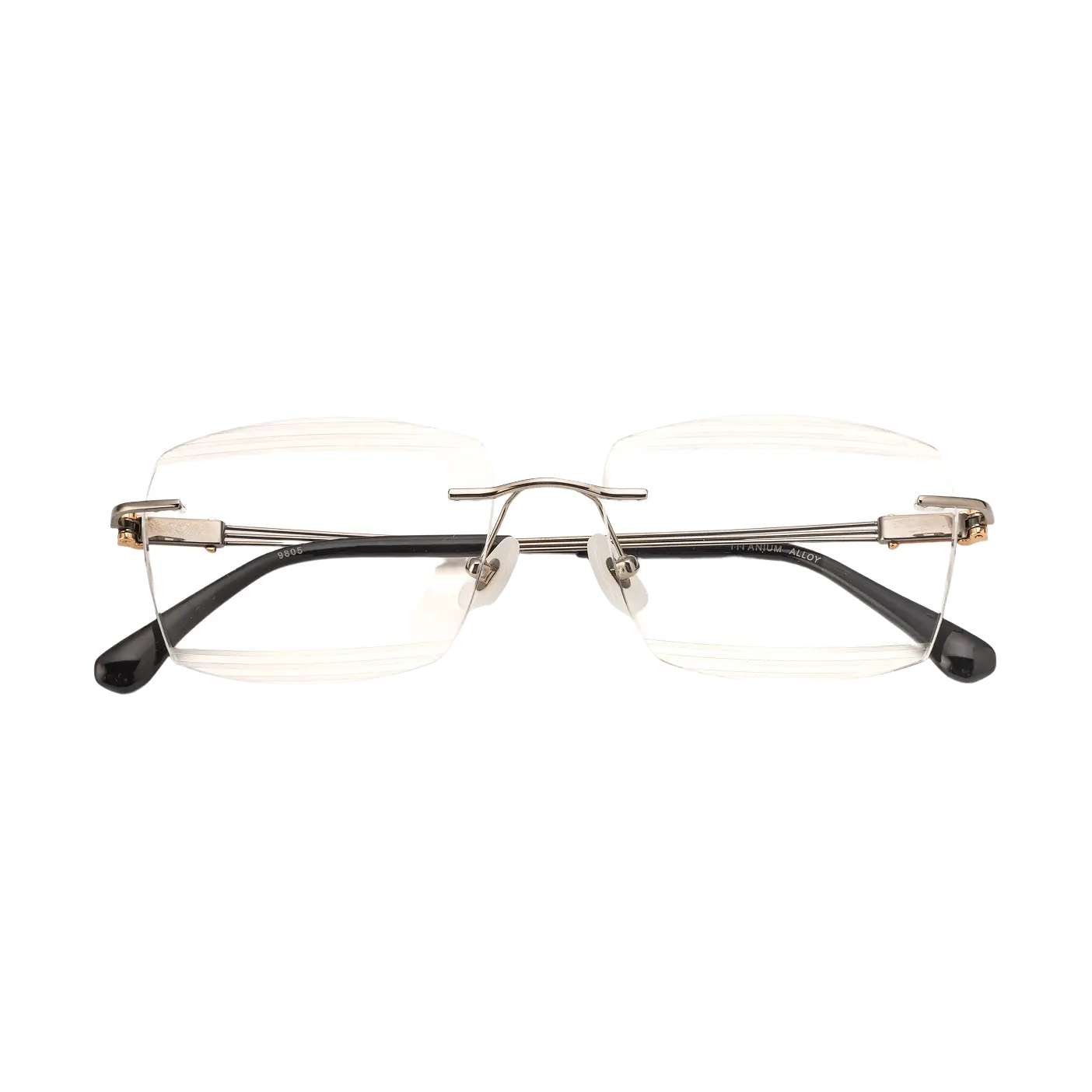
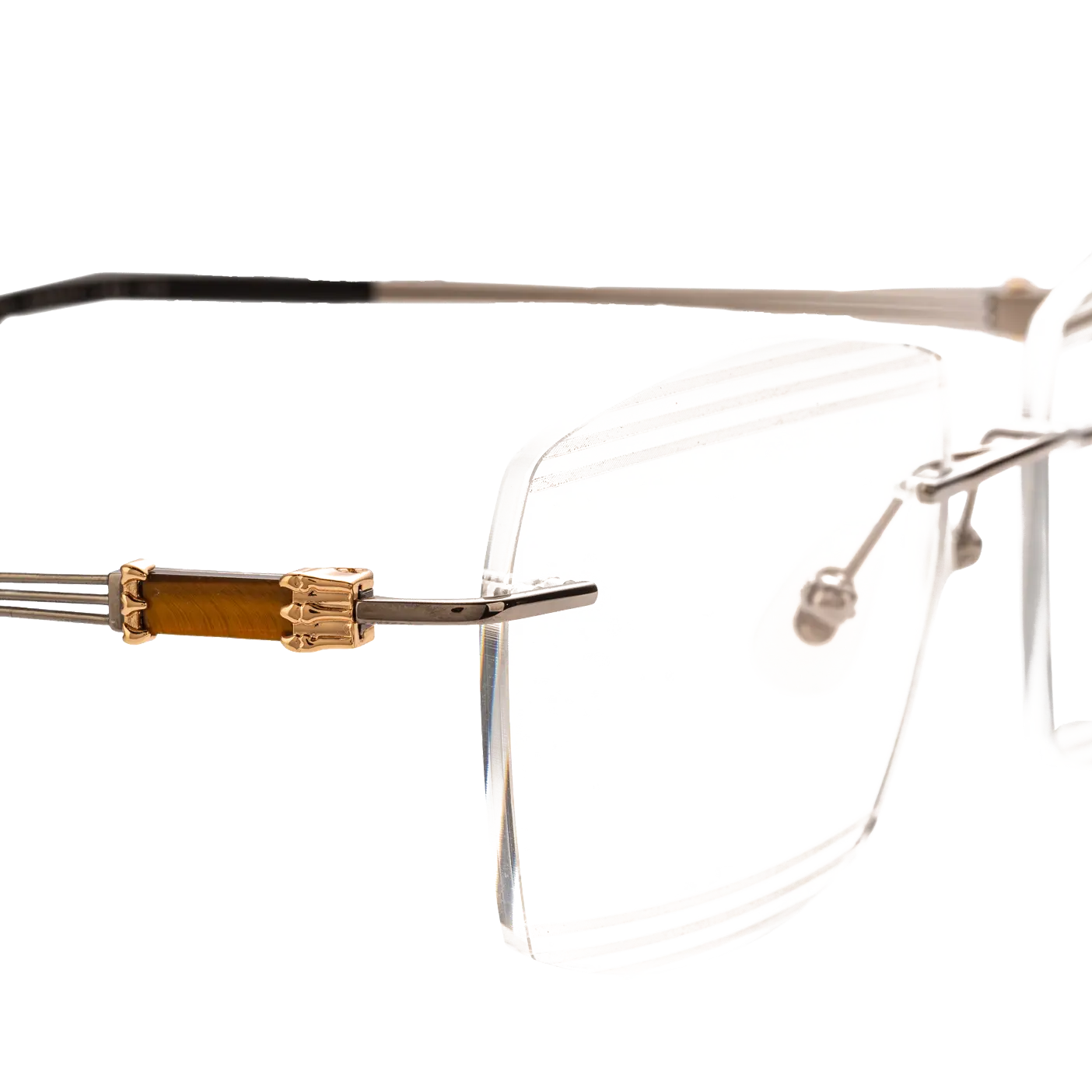
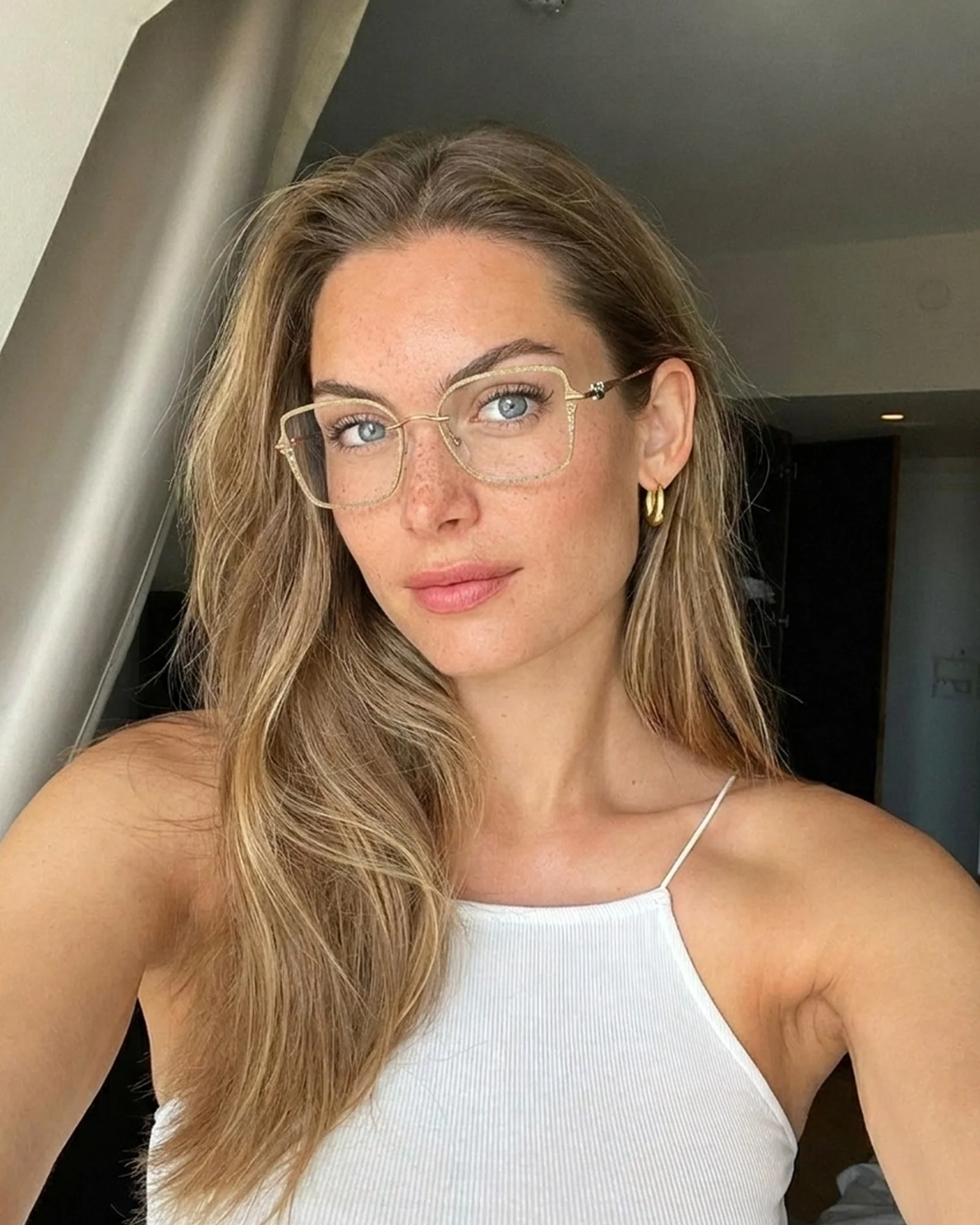
Just got your first lightweight rimless eyewear built for all-day wear and reduced eye strain? If the new sharpness feels weird, give it time. It settles. Here's what's really going on behind that feeling, and the handful of symptoms that mean you should call your eye doctor instead of waiting it out.
|
Short answer. Glasses fix your sight while you wear them. They don't harm your eyes when you take them off. Your prescription can still shift over the years, but that's nature, not the lenses. |
Do Glasses Make Your Eyes Worse?
No. That doubt sits under most first-pair questions, and every decent study lands the same way. On your face, glasses help. Off your face, they leave nothing weaker. Three smaller worries usually hide inside the big one. Take them one at a time.

Why glasses don't weaken your eye muscles
The story everyone repeats: lenses do your focusing, the muscles go soft, and soon you can't see without them. Sounds fair. It's also wrong, because it muddles two unrelated things. One is effort. The other is the physical shape of your eye.
Myopia, hyperopia, astigmatism. Each one traces back to the length of the eyeball, the curve of the cornea, or the way the lens inside focuses. None of that bends to willpower. You can't squint it into a new shape, and skipping your glasses won't reshape it either. Lenses just lift the strain, so the squinting stops by mid-afternoon. People feel that, they miss it when the glasses are off, and they call it dependence. Wrong word.
What glasses can and can't change
Short list. No spin.
They can: cut the blur, make screens and books easier, hand both eyes a clean picture to work with.
They can't: reshape your eye for good, cure the error, or do a thing about disease. Take them off and the focusing problem is still sitting there. Which is exactly why vision loss you can't explain means an exam, not a stronger pair.
why your eyes feel worse after getting glasses
The feeling's real. The harm isn't. Usually three things stack up at once: your brain learning the new sharpness, the break-in stretch on a fresh prescription, and the dumb timing of when most folks get that first pair.

|
What it feels like |
What's actually happening |
|
The blur looks worse without glasses |
Your brain got used to clarity, so old blur stands out by contrast |
|
New glasses feel too strong at first |
Your visual system is adapting to fresh lens strength or design |
|
Vision changed soon after the first pair |
A natural shift happened to land around the time you started glasses |
The contrast between corrected and uncorrected vision
Before glasses, you'd made peace with a bit of fuzz. It was just how things looked. Spend a few days in real focus, then pull the glasses off, and that same fuzz feels twice as rough. Nothing got worse. The lenses showed you the detail you'd been missing, and the second they came off, you got the old view back. The gap is what stings, not your eyes.
How your brain adjusts, and edge distortion
Half of seeing is the brain, not the eyes. New lenses hand it a pile of new work. Different image size. Edges in fresh spots. Straight lines that don't quite sit where they did. For a few days that shows up as a dull headache, or a floor that tilts a hair. Bigger jump in prescription, bigger wobble. Then it's gone.
Some lenses warp a little near the outer edge too, so things swim when you look through the corner instead of the middle. Turn your head toward what you want, rather than cutting your eyes sideways, and that first week feels easier. Frame shape matters here. Clean designer rimless frames, where the lens edge is the only hard line in the way, tend to sit calmer at the periphery than a chunky full rim.
|
The two-week rule. Most of this clears in a couple of weeks if you just wear the things. Bouncing between your old pair and the new one only stretches it out. Pick the new lenses. Give your brain one steady signal to learn. |
Adjusting to Astigmatism or a Stronger Prescription
Astigmatism correction tweaks how light focuses along certain angles. So a new or stronger cylinder can leave doorframes and screens looking tipped at first. A big sphere change shifts how large things look, too. Don't fight it. Wear them, and your visual system gets the reps to settle into the new scale.
Strong prescriptions also sit better in frames that keep the lens area small and the edge thin, with high-index lenses doing the rest. A slim frame that keeps a strong prescription looking thin pulls that off without drama. Ring the office that made them if lines stay sharply slanted, one eye won't clear, or it's all heading the wrong way.

|
Symptom |
Usually means |
Worth flagging when |
|
Mild headache, tired eyes |
Adapting to a new prescription or frame angle |
Headaches stay strong or get worse |
|
Brief dizziness, off depth perception |
New lens scale after a sizeable change |
It comes with weakness or slurred speech |
|
Edge swim or distortion |
Looking through the side of the lens |
Distortion sits in the center of your view |
|
Tilted walls or floors |
Adjusting to astigmatism or stronger power |
Lines stay sharply slanted past two weeks |
Can Wearing the Wrong Prescription Make Eyes Worse?
The wrong glasses can make you miserable. In adults, they rarely leave a mark. That gap is the point, and it swings with age.
In adults: a wrong prescription blurs things while it's on. Add headaches, eye strain, maybe trouble judging distance. Fix the script or the measurements and the symptoms go. The hazard isn't lasting damage, it's the practical kind. Driving or running machinery through lenses that blur the road is dangerous, so stop and get them checked.
In children: different story. A young visual system needs a clear, matched picture from both eyes. Let one eye keep sending a blurry one and the brain starts ignoring it. That's how amblyopia, or lazy eye, sets in. Catch it early and a kid has a far better shot. Which is why the wearing schedule and the follow-ups really aren't up for debate.
|
A myth worth retiring. Handing a nearsighted child weaker glasses on purpose doesn't slow myopia. A two-year randomized trial of kids aged 9 to 14 found undercorrection sped it up. Myopia control is real, but it's a clinical program, not a watered-down lens off the shelf. |
Why Glasses Prescriptions Change Over Time
Your numbers shift between visits, and the glasses take the heat. They're only the messenger. Here's the actual cast of characters.

|
Driver |
What's happening |
Who it tends to affect |
|
Eye growth |
The eye gets longer, so light lands in front of the retina |
Children and teens |
|
Genetics |
Refractive errors run in families |
Anyone with nearsighted parents |
|
Presbyopia |
The lens inside stiffens and close focus fades |
Most people after about 40 |
|
Health conditions |
Diabetes and others can blur or shift vision |
Adults managing chronic conditions |
|
Screens and near work |
Long close-up hours are linked to myopia progression |
Children and heavy device users |
See what's missing. Wearing glasses. Presbyopia proves it on its own: it shows up in people who've never owned a pair, and the readers they grab afterward answer the change. They don't cause it.
Should You Wear Your Glasses All the Time?
Depends on the prescription, not on any fear of getting hooked. Some are built for all-day wear. Some do one job, reading or driving, and sit in a case the rest of the time.
A light distance prescription might only earn its keep behind the wheel or across a meeting room. Stronger ones tend to feel better worn all day, because clear vision means less squinting and fewer strain headaches. Night driving, fast sports, anything that needs sharp distance, keep them on for those. More wear won't weaken a thing. And going without won't train the error away.
When to See an Eye Doctor
Break-in symptoms should fade. A few signs don't belong to that process, though, and they're worth acting on fast.

Book an exam when: blur or headaches drag past a fair break-in, or your sight stays poor even though the glasses match what was on the order.
Treat as urgent when: vision drops out of nowhere, floaters or flashes appear, a curtain-like shadow slides across your view, severe eye pain hits, or double vision shows up with weakness, slurred speech, or confusion.
A curtain across your sight, a sudden swarm of floaters, those aren't lens problems, so don't shrug them off as one. And if getting somewhere feels unsafe, get a ride or call emergency services. Don't drive yourself.
Conclusion
Glasses don't make your eyes worse. They don't make them lazy either. They fix a refractive error so the world looks clear while you've got them on. When your prescription climbs over the years, blame growth, genes, age, or health. Never the lenses.
A little headache or visual swim during the break-in is normal, and it should settle inside a week or two. If the blur or the discomfort sticks around, book the eye doctor. Past that, it comes down to a frame that's built well and sized right. That's the quiet idea behind a considered pair. You put it on, and you forget it's there.
FAQs
Why are my eyes worse after getting glasses?
They almost certainly aren't. Sharp vision makes your natural blur stand out once the glasses come off, and a new script needs a short break-in. Still blurry while you're wearing them? Get the fit rechecked.
Is it better for your eyes to wear glasses or not?
Wear them as prescribed. Some people need them all day, some only for reading, driving, or distance. Skipping a needed pair won't strengthen anything, and it usually just buys you squinting and headaches.
Will my eyes improve if I stop wearing glasses?
No. Quitting won't reverse myopia, hyperopia, astigmatism, or presbyopia. The blur comes back the second the lenses are off, and sharp-focus tasks get harder, not easier.
Is it bad to wear glasses all the time?
Not if the prescription is meant for full-time wear. All-day wear won't make your eyes dependent or weak. With a stronger correction, it's usually just more comfortable.
Can wearing the wrong prescription make your eyesight worse?
In adults, mostly temporary blur, strain, or headaches that clear once it's fixed. In kids it matters more, since clear, matched input is part of how vision develops.
What are the signs you need glasses?
Blurry vision, squinting, headaches, eye strain, halos around lights, trouble reading or seeing far off. An eye exam tells you whether a refractive error is behind it.
Is minus 7 legally blind?
On its own, no. Legal blindness goes by best-corrected acuity or a very narrow field of vision, not the prescription number. Plenty of people with strong myopia see fine in the right lenses.
How can you get 20/20 vision again?
Glasses or contacts get many refractive errors to 20/20 while you wear them. Surgery works for some adults, though not everyone lands at 20/20. That's a call for your eye doctor after a full exam.
Sources
- NIH National Eye Institute, an overview of refractive errors and how corrective lenses work
- NIH National Eye Institute, guidance on amblyopia and why early correction matters for children
- Cleveland Clinic, how long it takes to adjust to new glasses
- American Academy of Ophthalmology, an ophthalmologist-reviewed overview of choosing glasses for vision correction
- BBC Future, a review of the evidence on whether glasses weaken eyesight

Looking for something else?

Best Frames for Thick Lenses (Men & Women Guide)
LEARN MORE
How to Fix Loose Glasses in 3 Simple Steps (At Home Fast)
LEARN MORE
Popular Glasses for Men 2026 Styles for Professionals
LEARN MORE
Eye Makeup with Glasses Tips for a Stunning Look
LEARN MORELooking for something else?

Who Invented Glasses and How They Changed the World
LEARN MORE
Diy Eyeglass Cleaner Guide for Crystal Clear Lenses
LEARN MORE
Best Glasses for Oblong Face Shapes
LEARN MOREYou may also like






Further reading
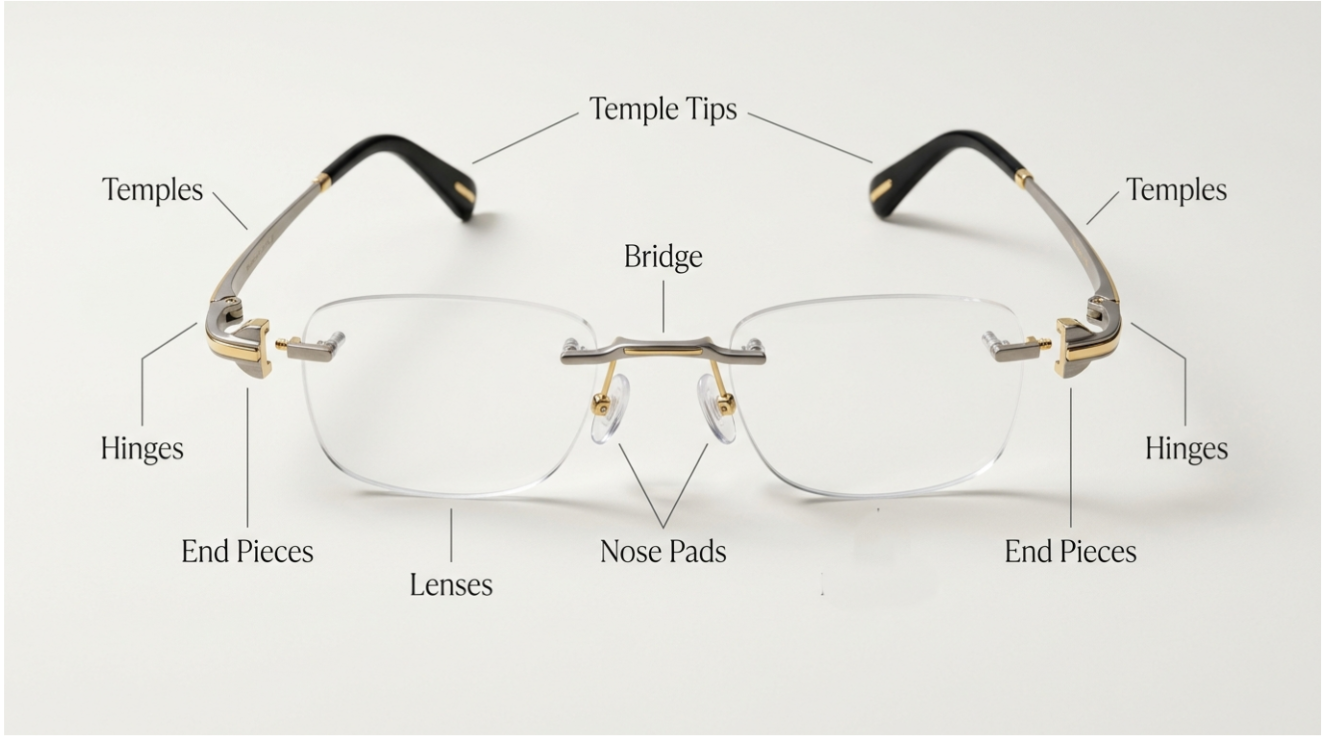
Parts of Glasses Explained: Frame, Bridge, Temple, Nose Pads and Lenses
What Are High Index Lenses and Who Needs Thinner Glasses?
Do Glasses Make Your Eyes Worse? What New Wearers Should Know