



What Are High Index Lenses and Who Needs Thinner Glasses?
Thinner lenses. The trick is the material: it bends light harder than regular plastic, so your prescription needs less of it to do the same job. Standard plastic, and a strong prescription bulges past the frame. High-index, and it sits about flat.
They pay off once your numbers climb. About ±4.00 and up. Under that a normal lens is usually thin enough, and the upgrade gets you nothing you can spot in the mirror. So skip the thinner-is-better debate. What matters is whether your prescription is strong enough for any of it to show.
Thickness is not the only thing either. Frame size feeds into it. So does pupil position, your day, the glare you put up with. Get those lined up and the lens quits looking like an upgrade. It just looks like your glasses.
|
The 30-second read. Under ±4.00, standard plastic does the job. ±4.00 to ±6.00, ask about 1.60. ±6.00 to ±8.00 is 1.67 territory. Past ±8.00, look at 1.74. And coat whatever you pick, anti-reflective. The index should match your prescription and frame. Not the priciest line on the menu.
|
How High-Index Lenses Bend Light
Light comes in, the lens redirects it, it lands on the retina, the blur goes away. Works the same for nearsighted, farsighted, astigmatic eyes, which is roughly how clinical reference material on the refractive index frames it.

High-index just bends it harder, so the lab gets away with shallower curves and a slimmer body at the same power. You would think thinner means weaker. Wrong way round. Put the slim lens and the fat one side by side and the prescription is identical. The slim one is only better at hiding it.
What the Refractive Index Number Means
It is a light-bending score, basically. The higher it climbs, the harder the bend and the thinner the lens. CR-39 plastic, around 1.50. Polycarbonate, 1.59. Then the high-index trio you will be offered, 1.60, 1.67, 1.74, the same set this refractive index, often called lens index run through.
Do not treat it as a quality grade, though. Weight. Impact resistance. Color dispersion. Coatings, lens design, whatever frame it ends up in. That mix is what makes a pair good, not the number on its own.
High-Index Lens Types and Thickness Levels
Not a good-to-bad ladder. A higher index shaves thickness, yes, but it also costs more, reflects more, chips easier. Here is the lineup.

|
Lens Material
|
Index
|
Typical Prescription
|
What Stands Out
|
|
Standard plastic (CR-39)
|
1.50
|
Up to ±2.00
|
Clear optics, low cost, thickens fast
|
|
Polycarbonate
|
1.59
|
±2.00 to ±4.00
|
Impact resistant; kids and sport
|
|
1.60 high-index
|
1.60
|
±4.00 to ±6.00
|
Slim entry point to high-index
|
|
1.67 high-index
|
1.67
|
±6.00 to ±8.00
|
About 30% thinner than standard
|
|
1.74 high-index
|
1.74
|
Over ±8.00
|
Among the thinnest available
|
1.60: The Entry Point
Thinner than standard plastic, cheaper than the premium stuff. Good for moderate prescriptions and bigger frames. CR-39 feels too thick on you but your prescription does not really need 1.67? This is the one to ask for.
1.67: The Workhorse
Where most strong prescriptions land, and for good reason. It cuts the fat outer edge off high myopia and the heavy middle out of strong farsightedness, at roughly 30% thinner than standard plastic for the same power. It does reflect more, so coat it. Anti-reflective, every time.
1.74: The Thinnest
The thinnest plastic most shops carry, built for very strong prescriptions. On a moderate one, do not expect 1.74 to look dramatically slimmer than 1.67. Frame size, lens shape, and pupil position cap how much comes off no matter what. It runs pricier and chips a touch easier. Pick it when the thinnest possible look is the point and your prescription is strong enough to prove it.
Who Needs High-Index Lenses?
Strong prescriptions. The bigger your numbers, the more you get back. A mild prescription stays thin in plain plastic anyway, especially in a small, centered frame, and clinical guidance on high-index lenses says the same. Here is the breakdown.
Nearsightedness and Farsightedness
Nearsighted lenses are concave. Thin in the middle, thick at the rim. Push the prescription up and that rim spills past the frame. Farsighted lenses flip it: thick in the middle, and they balloon your eyes at high power. High-index trims the rim on minus lenses and the bulge on plus ones. Add an aspheric design and the curve flattens enough to calm the magnified look.
Astigmatism
Astigmatism throws thickness off unevenly, worse with a high cylinder. High-index evens out the thickest spot. Just keep the roles straight. The prescription fixes the astigmatism. The material only touches bulk, weight, and how the lens behaves.
Progressive Lenses
Progressives pack distance, intermediate, and near into one lens. Cleveland Clinic’s overview of progressive lenses notes they can be cut in high-index when your prescription is moderate or strong too. The win is weight: a big progressive gets lighter, which helps, since those frames already need height to hold all three zones.
|
When you can skip it. Mild prescription? You may not see any difference at all. The lens is already thin. Ask for a thickness estimate before you upgrade. If the change does not show, keep your money and go standard plastic or polycarbonate.
|
High-Index vs Other Lens Materials
Different materials, different jobs. High-index chases thin. Polycarbonate and Trivex chase tough. Pick based on what you actually need.

|
Comparison
|
Choose High-Index When…
|
Choose the Other When…
|
|
vs Standard plastic
|
Prescription is strong; CR-39 turns bulky
|
Prescription is mild; lens already looks thin
|
|
vs Polycarbonate
|
Visible thickness is the main worry
|
Impact protection matters most (sport, kids)
|
|
vs Trivex
|
You need maximum thinness
|
You want low weight plus a higher Abbe value
|
|
vs Glass
|
You want lighter, safer daily wear
|
You need extreme scratch resistance (rare)
|
Polycarbonate runs about 1.59, but its Abbe value is low, so some people catch color fringing toward the edges. It also tested tougher than several other common lens materials, which is the whole reason it leads for kids and sport. Trivex sits near 1.53. Light, better Abbe value than poly. The catch is thinness. For the strongest prescriptions it may not get thin enough.
Benefits of High-Index Lenses
If your prescription would otherwise mean thick, heavy glasses, this is where high-index changes things. How much depends on the prescription and the frame.
-
Thinner edges and centers. Minus lenses lose the fat rim, plus lenses lose the bulgy middle. Less bulk from every angle.
-
Lighter on the face. Less material, less weight. Easier on your nose and ears, and it slides down less.
-
Less of that distorted-eye look. Thinner and flatter softens the magnified eyes of strong plus lenses and the shrunken eyes of strong minus ones.
-
More frames you can actually wear. Slim lenses fit delicate full-rim, semi-rimless, and rimless styles that standard plastic would swamp.
Downsides of High-Index Lenses
There are tradeoffs. Know them before you pay.
|
Higher index can mean a higher price, more surface reflections, less impact resistance than polycarbonate or Trivex, and a lower Abbe value that shows up as faint color fringing off to the sides. None of it is a dealbreaker. Just weigh it against how thin you want the lens.
|
Two of those clean up easily. Anti-reflective coating kills most of the extra reflection, which is why the American Academy of Ophthalmology treats it as a near-default on high-index, night driving especially. The low Abbe value is harder to fix. But measure the pupils right, center the frame, and you stay looking through the clear middle, where the color fringing tied to a low Abbe value barely registers.
One thing, flatly: a thin lens is not a safety lens. Contact sport, workshop work, anything that needs certified protection, go polycarbonate or Trivex.
How Frame Choice Affects Lens Thickness
The index is half of it. The frame is the other half. The same prescription can look slim in one pair and chunky in the next, so do not treat the frame as an afterthought.
Small frames hold the lens edge close to the center, which keeps a minus prescription from building up at the rim. Round and oval shapes do the same, their corners stay near the middle. Wide rectangles and cat-eyes throw the corners out, and that is where the thickness collects. And if your pupils sit far from the center of the frame, the lab adds material to line things up, so one side ends up heavier.

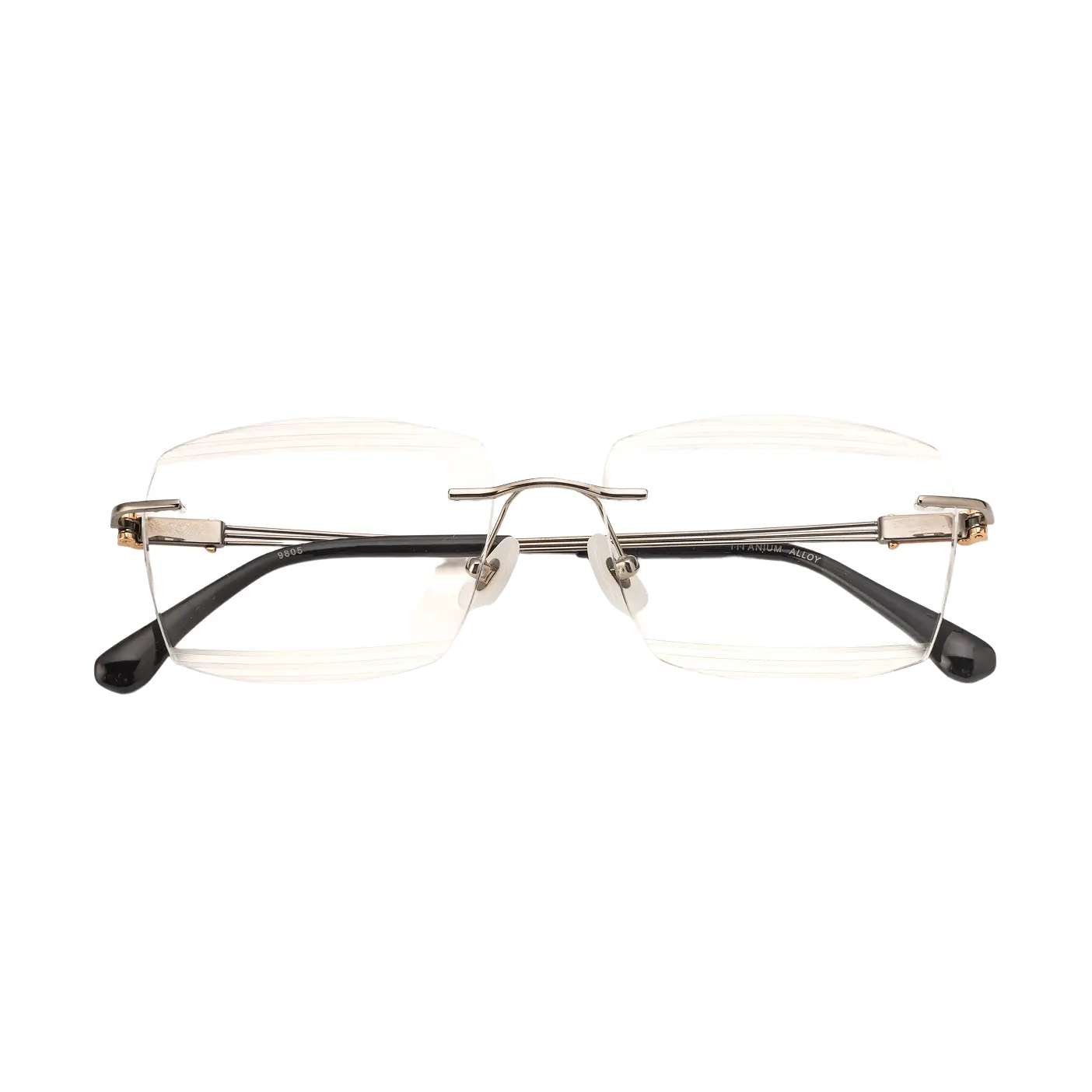
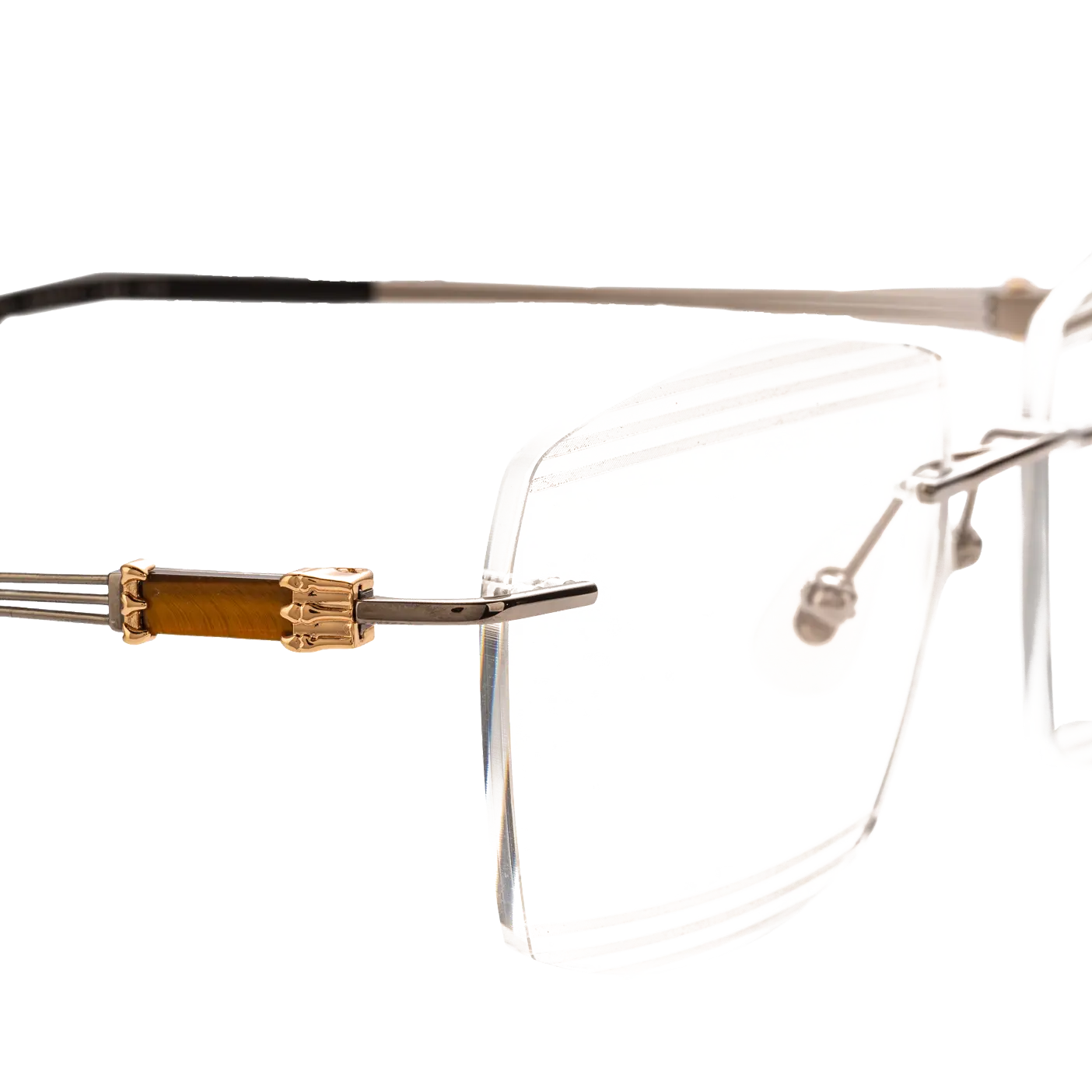
Rimless shows a slim lens off best, since there is nothing but the edge to look at. That is why lightweight rimless titanium frames pair so well with high-index. Titanium build, precision-drilled mounts, room for a higher prescription, so the lens holds and looks right. A compact, centered pair like a rose-gold titanium pair sized to stay slim makes the point: shape and proportion pull as much weight as the index does.
More Frame Style Options
The frames that flatter a strong prescription keep the openings small and the eyes centered. What to look for:
-
Small or medium lens widths
-
Centered shapes: round, oval, softly rectangular
-
Full rims, or rimless with precise drilled mounts
-
A bridge width that lines up with your eyes
Styles a strong prescription used to rule out come back once the lens is slim. Designer rimless frames that show the edge read as deliberate, not thick, when the lens is cut in a higher index. So pick the frame and the material together. One system, not two separate calls.
Are High-Index Lenses Worth the Extra Cost?
When you can see the difference, usually. Mild prescription, or a frame that already keeps a standard lens slim, and the math stops working. So compare the thickness, that is the test. If the upgrade fixes something you can point at, pay for it. If it just pads the bill, do not.
And budget for the coating, not only the lens. Anti-reflective coating is the one add-on that pulls its weight on high-index, with a scratch-resistant hard coat over the softer plastic underneath. The rest of the extras can wait unless your day genuinely needs them.
Conclusion
So that is the job high-index does: takes a strong prescription and trims it down, thinner and lighter, none of the brick. Standard plastic would have handed you fat edges, a heavy center, magnified eyes. The highest index is still not a default, though.
Your prescription decides it, with your frame, your pupil position, your budget weighing in, and an optician comparing two materials in the real frame before you sign off. Bling Optical leans on lightweight titanium and clean, centered shapes for its rimless line, the sort of frame a slim high-index lens disappears into. Light enough you forget it is on your face.
|
The one-pair mindset. The lens you want is the one you quit thinking about. Index, frame, coating all right, and the glasses fade into the day. Which was the point.
|
FAQs
Who should wear high-index lenses?
Moderate-to-strong prescriptions, roughly ±4.00 and up, anyone after slimmer and lighter. The thick rim on a nearsighted lens, the heavy center on a farsighted one, high-index pulls both down. Mild prescriptions, though? Rarely worth the spend.
What are the downsides of high-index lenses?
Price, mainly. Bit more reflection too, and that lower Abbe value can throw faint color fringing out at the edges. Tougher materials exist, polycarbonate and Trivex among them.
What is the difference between 1.67 and 1.74 high-index lenses?
1.74 has the higher index, so it gets to the same prescription on less thickness. Very strong prescriptions, that is where the gap actually shows. Moderate ones, a smaller frame usually does more than the upgrade.
Which is better, polycarbonate or high-index?
Depends what you are after. Thinness, high-index. Kids, sport, anything where it might take a hit, polycarbonate.
Are high-index lenses better for astigmatism?
Not for the correction, no. Cylinder and axis handle that part. Where high-index earns its place is uneven thickness from a strong sphere or cylinder, since it works on bulk, not the astigmatism.
What is the lifespan of high-index lenses?
No expiry date as such. Prescription changes, deep scratches in your line of sight, coatings wearing through, those are your cues to replace. Water and a microfiber cloth, gently, buys you time.
Do high-index lenses look thinner?
They do, usually a clear step down from a lower index at the same strong prescription. The amount rides on the index, frame size and shape, pupil position. Small and rounded wins for slimness.
Will high-index lenses make my eyes look bigger?
Not by themselves. Strong farsighted prescriptions, actually, a thinner flatter lens tones down the magnified-eye thing. Strong nearsighted lenses can still shrink your eyes a little, but a good fit takes the edge off.
Sources
-
National Institutes of Health, how the refractive index lets high-index materials make thinner spectacle lenses
-
National Institutes of Health, how Abbe value and refractive index trade off in lens materials
-
American Academy of Ophthalmology, ophthalmologist-reviewed guidance on anti-reflective lens coatings
-
Cleveland Clinic, how progressive lenses work and who they suit

Looking for something else?

Best Frames for Thick Lenses (Men & Women Guide)
LEARN MORE
How to Fix Loose Glasses in 3 Simple Steps (At Home Fast)
LEARN MORE
Popular Glasses for Men 2026 Styles for Professionals
LEARN MORE
Eye Makeup with Glasses Tips for a Stunning Look
LEARN MORELooking for something else?

Who Invented Glasses and How They Changed the World
LEARN MORE
Diy Eyeglass Cleaner Guide for Crystal Clear Lenses
LEARN MORE
Best Glasses for Oblong Face Shapes
LEARN MOREYou may also like


Sculpted Cat-Eye · 18K Gold-Plated Titanium · Crystal Accents
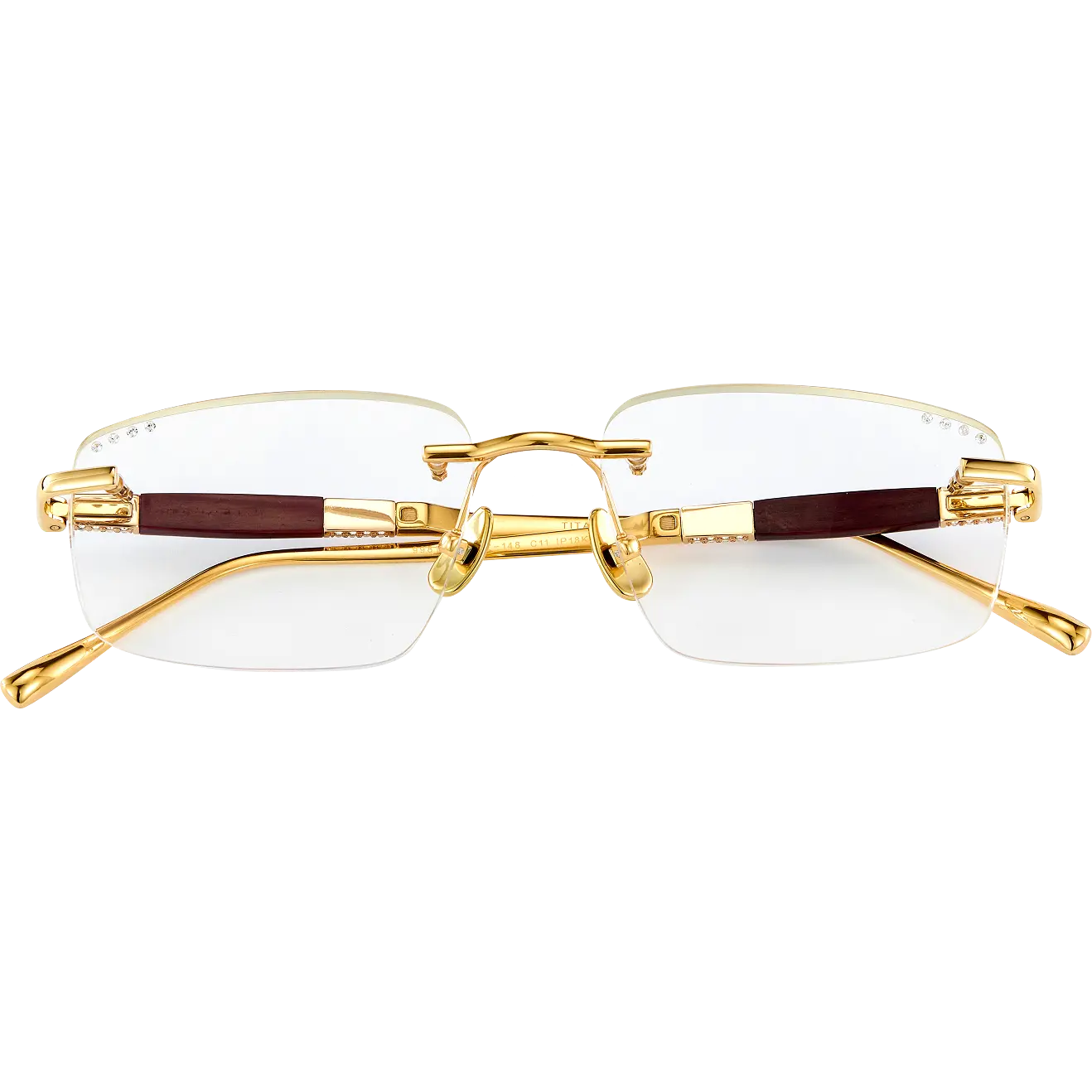
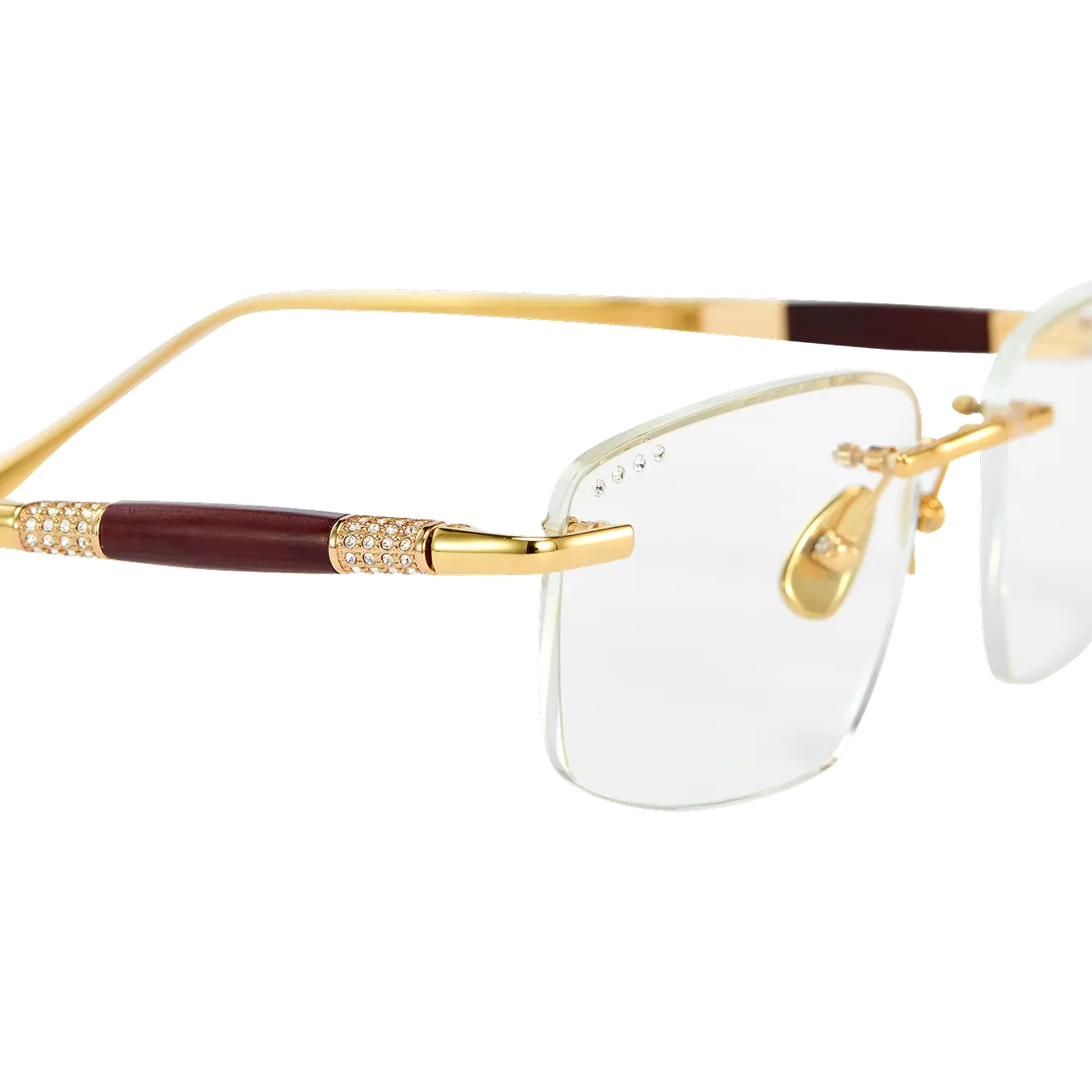


Traditional Charm · Modern Refinement · Understated Beauty
Further reading
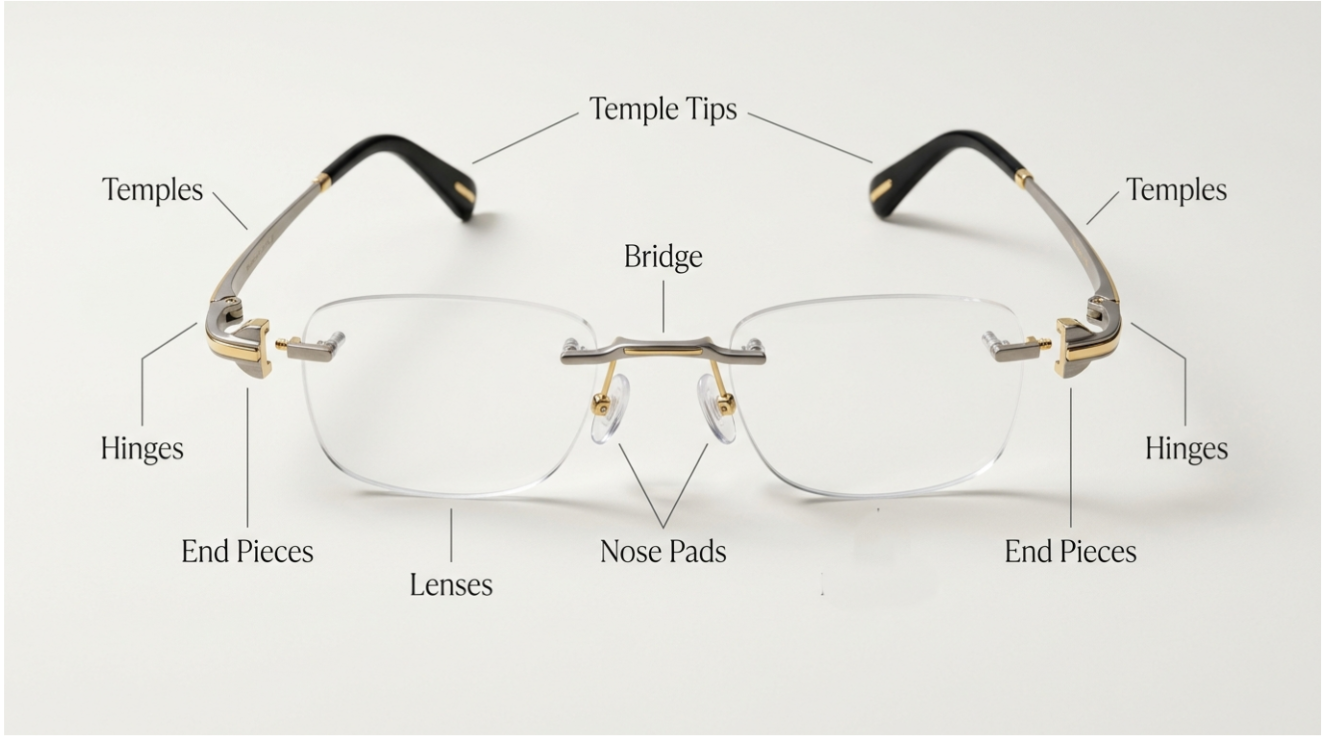
Parts of Glasses Explained: Frame, Bridge, Temple, Nose Pads and Lenses
A pair of glasses looks simple until a screw works loose. Then you notice how many small parts had to line up before the lenses ever sat in front of your eyes. The frame front holds the lenses. The...
What Are High Index Lenses and Who Needs Thinner Glasses?
Thinner lenses. The trick is the material: it bends light harder than regular plastic, so your prescription needs less of it to do the same job. Standard plastic, and a strong prescription bulges ...

Do Glasses Make Your Eyes Worse? What New Wearers Should Know
Your first pair of glasses does something odd. The world goes sharp. Suddenly there's text you can read from the couch, and a street sign you'd been guessing at for months. You wonder how you coped...

Best Lens Color for Fishing Sunglasses: Polarized Lens Guide
what color lens is best for fishing in 2026 Ask three anglers what color lens is best for fishing and you'll get four answers, a story about a lost pair of glasses, and probably a strong opinion ab...


