


Parts of Glasses Explained: Frame, Bridge, Temple, Nose Pads and Lenses
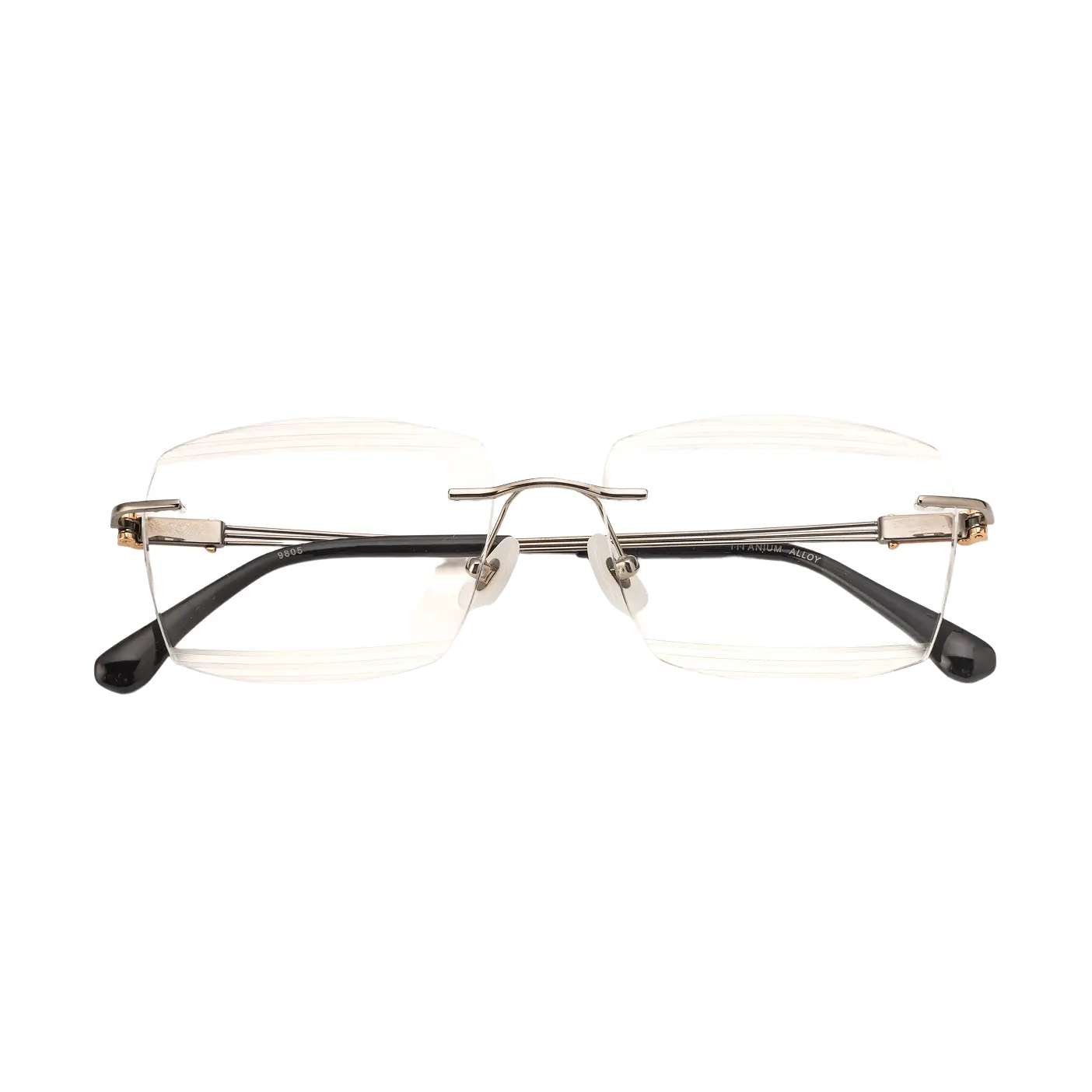
A pair of glasses looks simple until a screw works loose. Then you notice how many small parts had to line up before the lenses ever sat in front of your eyes. The frame front holds the lenses. The bridge carries the weight on your nose. The temples reach back and hold the whole thing steady at your ears.


Names help more than you’d think. Know them and you can describe a fit problem to an optician, ask for the right repair, or weigh two lightweight rimless frames against each other without pointing and guessing. They also explain the quieter puzzle: why one pair disappears by lunchtime and another slides, pinches, or tilts all day.
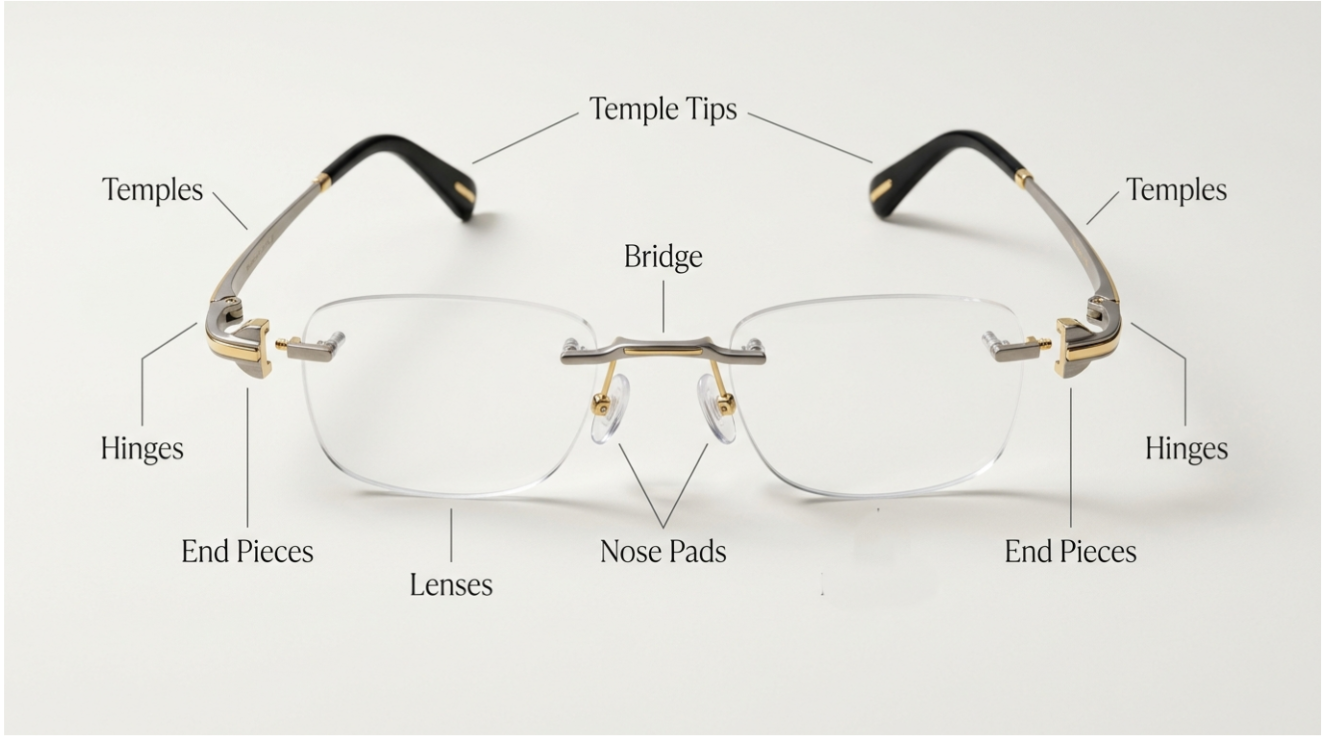
Most frames come down to ten parts. Learn those and the rest of any pair, even an elaborate one, stops looking complicated.
|
The 60-second tour. Front of the frame: lenses, rims, bridge, nose pads. Sides: temples and their tips. Joining them: end pieces, hinges, and the tiny screws. Name the part that bugs you and the fix gets a lot easier.
|
Parts of Glasses at a Glance
Eyeglasses split into three families. Lenses. The frame front. The side pieces that run toward your ears. Each family holds smaller parts, and each part pulls on vision, comfort, or fit.
|
Group
|
Parts inside it
|
What it controls
|
|
Lenses
|
Lens material, prescription, coatings
|
Vision, glare, weight
|
|
Frame front
|
Rims, bridge, nose pads, pad arms, top bar
|
Where the lenses sit, nose comfort
|
|
Temples
|
End pieces, hinges, screws, arms, temple tips
|
Grip, folding, ear comfort
|
The 10 Parts Worth Knowing
Ten names cover almost every frame on the shelf:
-
Lenses, then the rims that hold them (metal rims go by eye wires).
-
Bridge across the nose, with nose pads and pad arms on many metal frames.
-
End pieces at the outer corners, then the hinges and screws that let the arms fold.
-
Temples down each side, ending in temple tips behind the ears.
Some frames add a top bar or a few decorative rivets. The ten above are the backbone.
Why Knowing the Names Matters
The right word shortens the conversation at the counter. Say the temple moves at the hinge, or a hinge screw fell out, and an optician knows where to look. Say “the side stick is loose” and you both spend a minute pointing.
It helps when you shop, too. You can weigh how the bridge, rims, and temples each change the fit instead of judging on looks alone.
Lenses and What They Actually Do
You look through the lenses, but they do more than fill the frame. Prescription, material, thickness, coatings. All four shape how clearly and how comfortably you see.
How Lenses Correct Vision
A lens bends incoming light so it lands in the right spot inside the eye. That correction handles refractive errors: nearsightedness, farsightedness, astigmatism, as the National Eye Institute explains. The optical center has to line up with your eye, which is why pupillary distance and frame measurements matter when the glasses get made.
Single-Vision, Bifocal, and Progressive
Single-vision lenses carry one prescription across the whole lens. Bifocals hold two zones with a visible line between them. Progressives give several zones with no line, so your eye slides from distance to mid-range to near through different parts of the lens (National Eye Institute).
Lens Materials, Compared
Standard plastic is clear and cheap, but it thickens in strong prescriptions. Polycarbonate runs thinner and shrugs off impact, which is why it lands in kids’, sports, and safety eyewear (PubMed). Trivex is light and tough. High-index bends light more efficiently, so a strong prescription fits in a thinner lens.
|
Lens material
|
Best for
|
Trade-off
|
|
Standard plastic (CR-39)
|
Mild prescriptions, budget
|
Thick at higher powers
|
|
Polycarbonate
|
Kids, sports, safety
|
Scratches more easily
|
|
Trivex
|
Light weight plus impact resistance
|
Costs more than plastic
|
|
High-index
|
Strong prescriptions, thin look
|
Pricier, more reflective
|
Coatings and Treatments
An anti-reflective treatment cuts reflections off the front and back of a lens, so the view looks clearer and glare from screens and headlights calms down (American Academy of Ophthalmology). A scratch-resistant layer adds hardness, not invincibility. UV filtering limits ultraviolet light passing through, and some materials already filter a share of it.
Frame Front, Rims, and Top Bar
The frame front is what you notice from across a room. It wraps or supports the lenses and ties them together over the nose.
What Counts as the Frame Front
Rims, bridge, end pieces, any built-in nose support. Built from acetate, injection-molded plastic, stainless steel, titanium, or a mix. Brands working in designer rimless frames lean on titanium here for the strength it gives at low weight. Width and shape decide how the glasses sit: too narrow and they press the temples, too wide and they wander.
Rims or Eye Wires
Rims surround and hold the lenses, and on metal eyewear they’re called eye wires. They set the shape, round, oval, square, rectangular, cat-eye, and they grip each lens without squeezing its edges unevenly.
Full-Rim, Semi-Rimless, and Rimless
Full-rim frames wrap the entire lens edge. The extra material adds support and hides some lens thickness, handy for a strong prescription. lightweight rimless frames for everyday wear usually pair a defined edge or a rimless mount with a thinner high-index lens.
Semi-rimless frames surround only part of each lens, usually the top, while a thin cord holds the open lower edge. Rimless skips the surrounding frame altogether: the bridge and temples bolt straight into drilled mounts in the lenses. Light and quiet, but check those mounts now and then for stress marks.
Top Bar, Brow Bar, or Sweat Bar
A top bar runs above the bridge and links the upper frame, most often on aviators and bold metal designs. Brow bar, sweat bar, same piece. It adds visual detail and lends a thin front a little structure.
The Bridge: Where Comfort Lives
The bridge connects the two sides of the frame and carries most of its weight. Width, height, shape. Those three decide how secure and how comfortable a pair feels, more than people expect from one small part.
|
Bridge type
|
How it sits
|
Suits
|
|
Keyhole
|
Touches the upper sides of the nose
|
Pressure on the top of the nose
|
|
Saddle
|
Spreads across top and sides
|
Even weight, often on acetate
|
|
Double bridge
|
Lower bridge plus a bar above
|
Aviator and retro looks
|
|
Low-bridge fit
|
Lower position, larger support
|
Frames that slide or hit cheeks
|
Reading a Bridge Measurement
Bridge width is the middle number in a measurement like 52-18-140. Eighteen millimeters, in that case. A smaller number doesn’t always mean tighter, since the shape changes the feel. Judge how the bridge actually meets your nose, not the printed figure.
Nose Pads and Pad Arms
Nose pads support the frame on each side of the nose. They share the weight, set the height, and keep the frame from sliding.
Built-In vs Adjustable
Built-in pads are molded into the inner bridge of many acetate frames and don’t come off, so the frame has to fit your nose before you buy. Adjustable pads sit on thin metal arms, common on metal frames, and an optician can move them closer, apart, or tilt them. Jade and silicone pads grip a touch more than firm plastic.
What Pad Arms Do
Pad arms are the small metal supports between the frame and the pads. Move them and you raise or lower the frame and change the pressure each pad puts on the nose. Both sides have to stay balanced, or the glasses sit crooked. On Bling Optical’s rimless line, jade nose pads do this quietly, cool on the skin and slip-resistant.
Temples, Arms, and Temple Tips
The long side pieces are temples, also called arms. They connect to the frame front and keep the glasses steady around the head and ears.
So, What Are the Arms Called?
Temples. That’s the right name for the arms of glasses. They run from the hinges toward the ears and often curve near the ends. Side arms, legs, sticks, people use all of those, but temples is the word an optician knows. The last number inside the frame is usually the temple length, often 135 to 150 mm.
Temple Styles
Four show up most. Straight temples grip the sides of the head. Skull temples, the everyday default, curve softly behind the ears. Cable temples hook tightly for active wear. Riding-bow temples sit mostly straight with a slight end bend, easy with helmets or headgear.
Temple Tips or Earpieces
Temple tips are the covered ends that rest behind the ears. Metal frames wrap them in plastic, acetate, or silicone for a smoother contact surface. They crack and discolor over time, and a replaceable tip fixes comfort without a new frame.
End Pieces, Hinges, and Screws
Several small parts join the frame in front of the temples. Easy to overlook. They control folding, alignment, and side movement all the same.
End Pieces
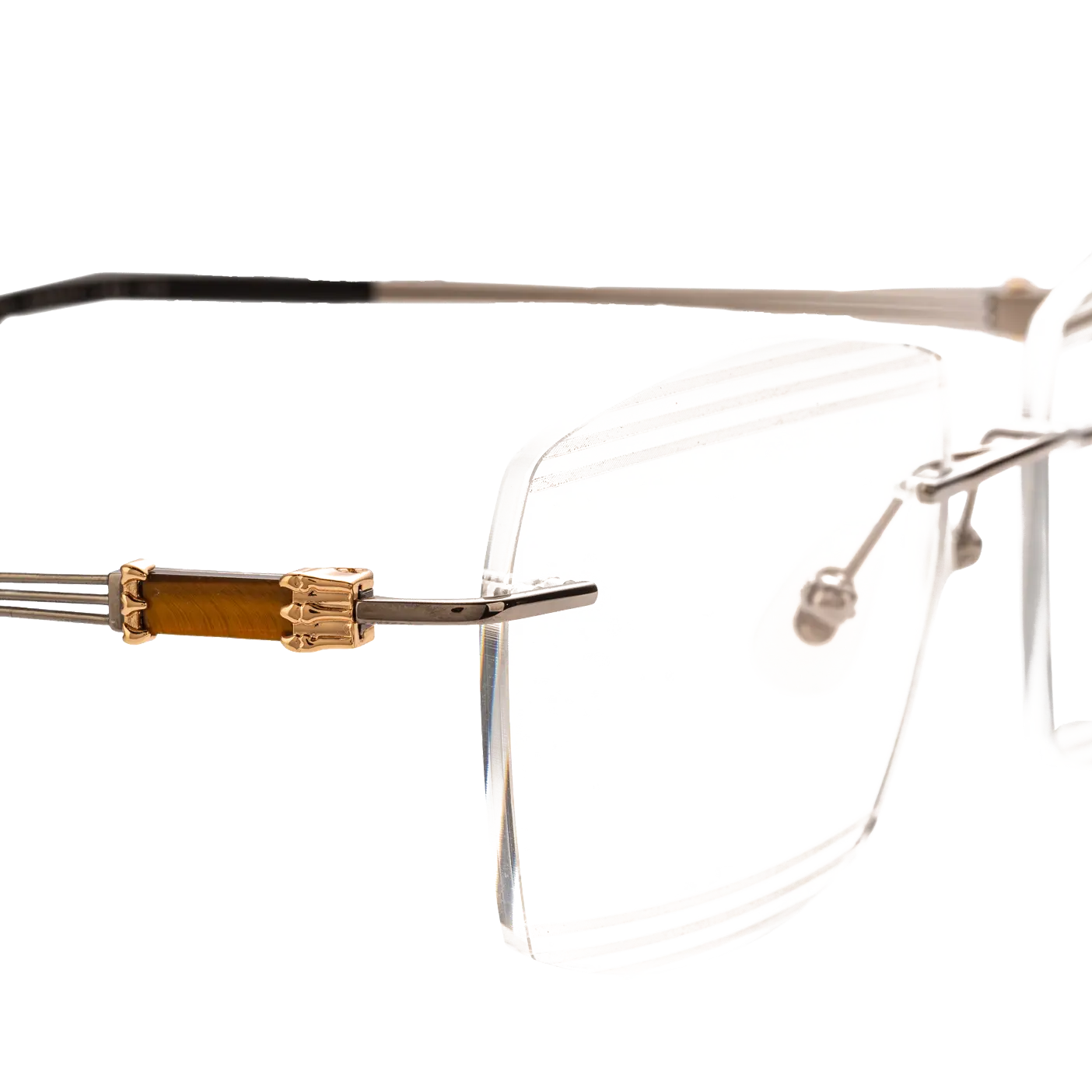
End pieces are the outer corners of the frame front that reach past the rims, each one connecting the front to a hinge and temple. Their shape changes total frame width: wide ones open space at the sides, narrow ones bring the temples closer to the head.
Standard vs Spring Hinges
Standard hinges use small interlocking barrels joined by a screw, and they fold to about a right angle. Spring hinges add a tiny mechanism that lets the temples flex outward past that, which is more forgiving across head widths. More parts inside, too, so a broken spring hinge usually means a shop visit.
Hinge Screws and Rivets
Hinge screws pass through the barrels and hold the temple to the front. They loosen slowly as glasses open and close, and a loose one makes a temple wobble. Rivets may fasten hinge parts to acetate frames or sit on the front as pure decoration. Check any detailing leaves no sharp edge against the skin.
Parts of Sunglasses vs Parts of Eyeglasses
Sunglasses and prescription eyeglasses share the same basic parts. The real difference lives in the lenses and how much light they let through.
Same Frame, Different Lens
Rims, bridge, nose pads, pad arms, end pieces, hinges, screws, temples, temple tips. Both use them, and both come in full-rim, semi-rimless, and rimless builds. The fit rules don’t change either: the bridge sits secure, the temples don’t squeeze, the lenses stay centered.
Tint, Polarization, and UV
A darker tint doesn’t automatically add UV protection, which rides on the material and treatment, not the shade. Polarized lenses cut glare off flat surfaces like water and wet roads, a separate feature from UV. For real sun safety the World Health Organization points to 99 to 100 percent UVA and UVB protection, often labeled UV400.
How the Parts Affect Fit
Most fit problems trace back to one or two parts, not the whole frame. Pin down the source and you skip a lot of guesswork.
|
Clean before you blame the frame. Oil and residue on the bridge and nose pads cause more slipping than people realize. A quick wipe often fixes “sliding” glasses before you touch a single part.
|
|
What you notice
|
Likely part
|
Where to start
|
|
Frame slides down the nose
|
Nose pads too wide
|
Clean, then pinch the pads in
|
|
One arm flops open
|
Loose hinge screw
|
Snug the screw a quarter turn
|
|
Sits crooked, one side high
|
Bent temple or uneven pads
|
Compare both sides, level them
|
|
Pinches the temples
|
Frame front too narrow
|
A wider front, not more bending
|
Rimless and titanium frames are the cautious case. Touch the nose pads only and leave the lens mounts to an optician, since that’s exactly where a lens cracks.
Conclusion
Every part shapes how your glasses fit, feel, and last. The lenses handle vision. The bridge, nose pads, temples, hinges, and rims keep them steady on your face.
Knowing the names makes it easier to describe discomfort, choose a better-fitting frame, and ask for the right repair. That’s also where the frame earns its keep. Bling Optical builds its rimless line with jade nose pads and traceless welding doing the quiet work, the kind of lightweight rimless frames you stop thinking about, which is the whole point.
|
The one-frame mindset. The pair worth keeping isn’t the one you study part by part every morning. It’s the one that just fits, week after week.
|
FAQs
What are the arms of your glasses called?
Temples. They run from the hinges over or behind your ears to hold the frame in place. People also say side arms, legs, or sticks, but temples is the term an optician will recognize.
What are the sticks on the side of glasses called?
Those side sticks are the temples, sometimes called temple arms. How far the curve reaches behind the ear decides comfort, which is why a small temple tweak can rescue a loose-feeling pair.
What is the part of glasses that rests on your nose?
The bridge. It carries most of the frame’s weight, and many metal frames add separate nose pads for extra grip. If a pair slides, the bridge width or pad position is the first thing to check.
What are the different types of eyeglass arms?
Four common ones: straight, skull, cable, and riding-bow. Skull temples suit everyday wear, cable temples hook tight for sport, and riding-bow temples work well with headgear.
What are the dangly things on glasses called?
Eyeglass chains, cords, or retainers. They clip near the temple tips and stop the glasses from dropping or getting lost. Accessories, not structural parts of the frame.
What are the legs of glasses called?
Legs is the casual word. The correct one is temples, or arms. Using “temples” helps when you order a replacement part or ask an optician for an adjustment.
Can you get glasses with astigmatism?
Yes. Lenses correct astigmatism using cylinder and axis values in your prescription, as the National Eye Institute notes. Eyeglasses and prescription sunglasses both handle it.
What are the different parts of glasses called?
Ten cover most frames: lenses, rims, bridge, nose pads, pad arms, end pieces, hinges, screws, temples, and temple tips. Some add a top bar or rivets.
Sources
-
National Eye Institute, refractive errors and how lenses correct them
-
National Eye Institute, eyeglasses for refractive errors
-
American Academy of Ophthalmology, ophthalmologist-reviewed guidance on anti-reflective lens coatings
-
World Health Organization, ultraviolet radiation and eye protection standards

Looking for something else?

Best Frames for Thick Lenses (Men & Women Guide)
LEARN MORE
How to Fix Loose Glasses in 3 Simple Steps (At Home Fast)
LEARN MORE
Popular Glasses for Men 2026 Styles for Professionals
LEARN MORE
Eye Makeup with Glasses Tips for a Stunning Look
LEARN MORELooking for something else?

Who Invented Glasses and How They Changed the World
LEARN MORE
Diy Eyeglass Cleaner Guide for Crystal Clear Lenses
LEARN MORE
Best Glasses for Oblong Face Shapes
LEARN MOREYou may also like


Quiet Intensity · Understated Elegance · Refined Maturity


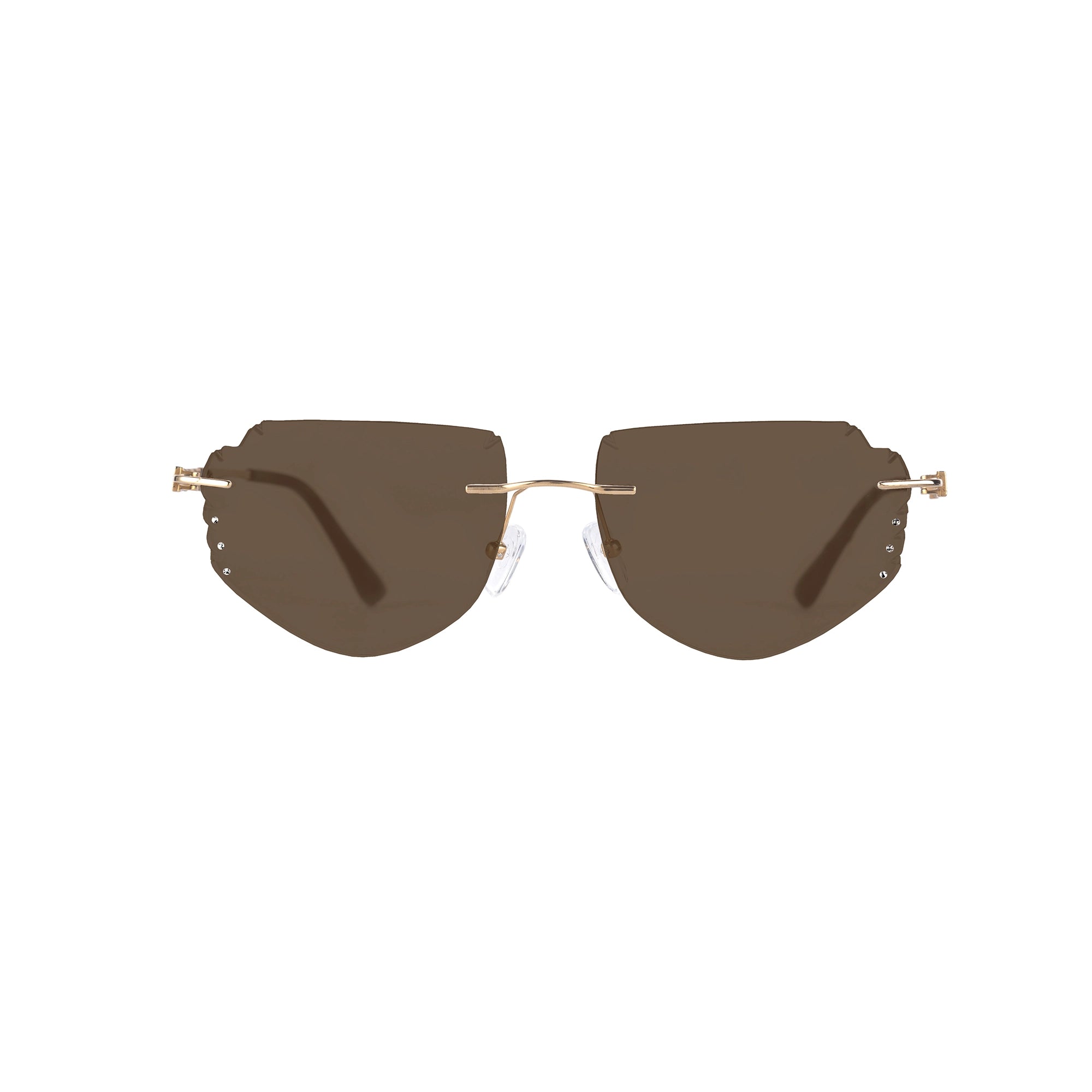
Bold Irregular · Hip-Hop Inspired · Crystal Accents · Gold Detailing
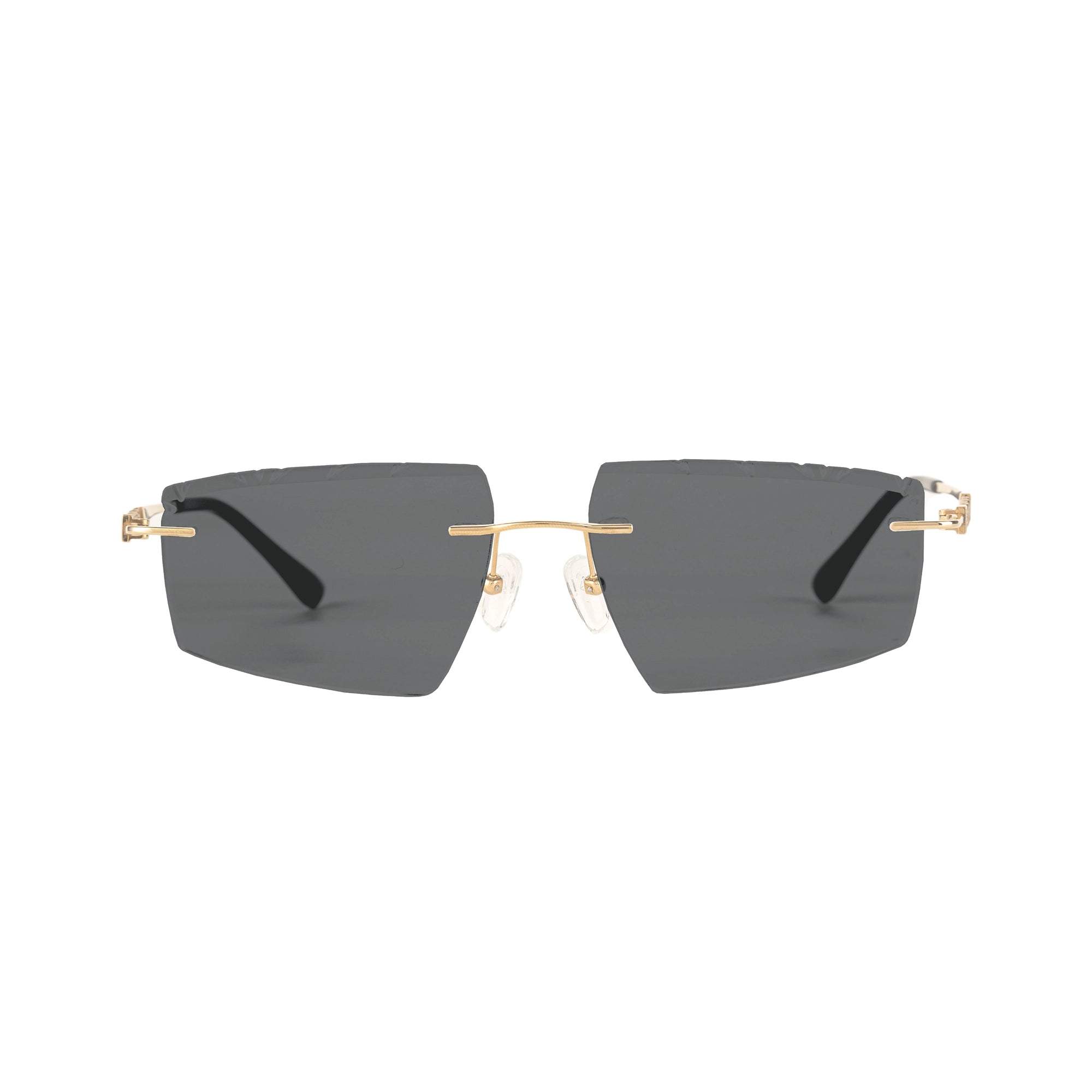
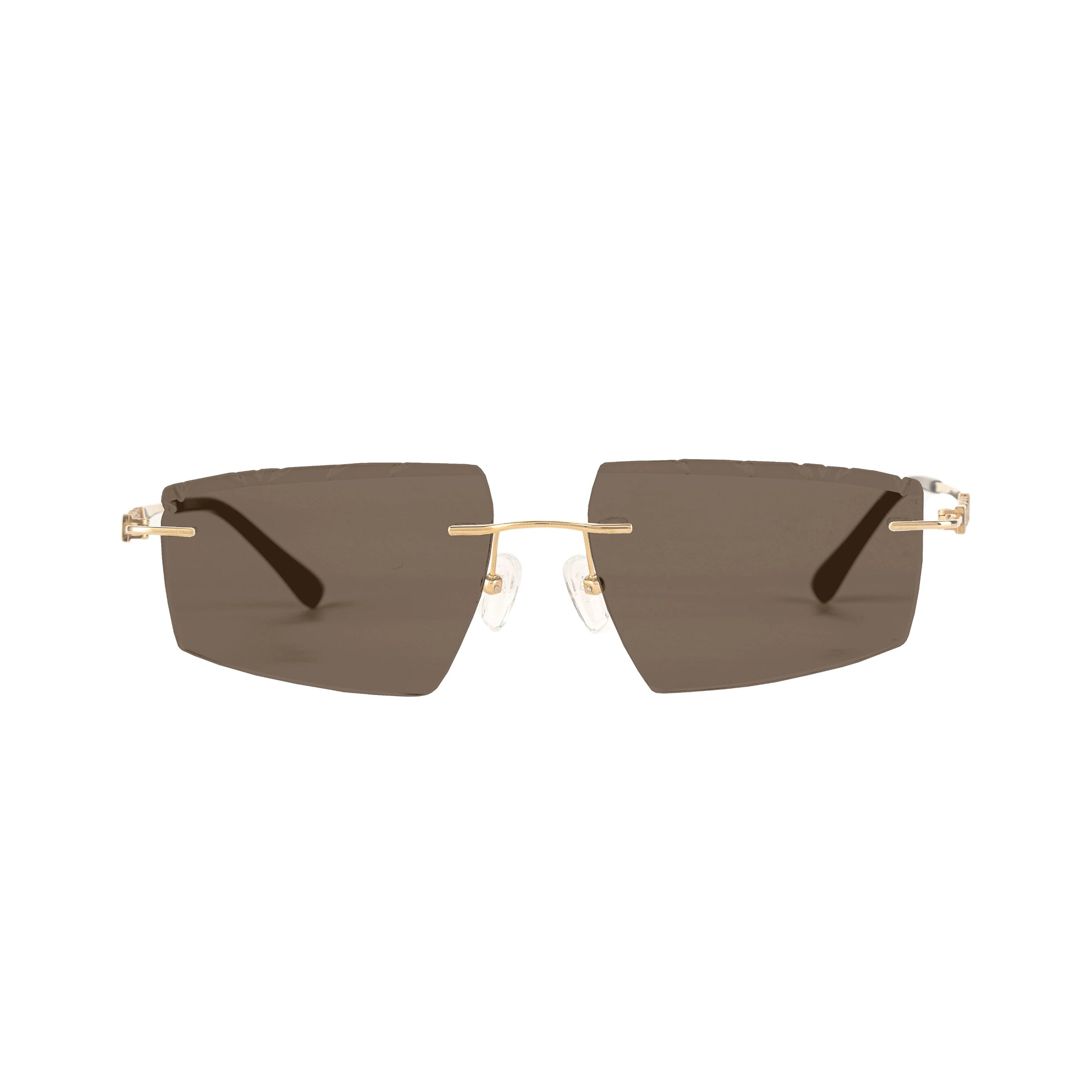
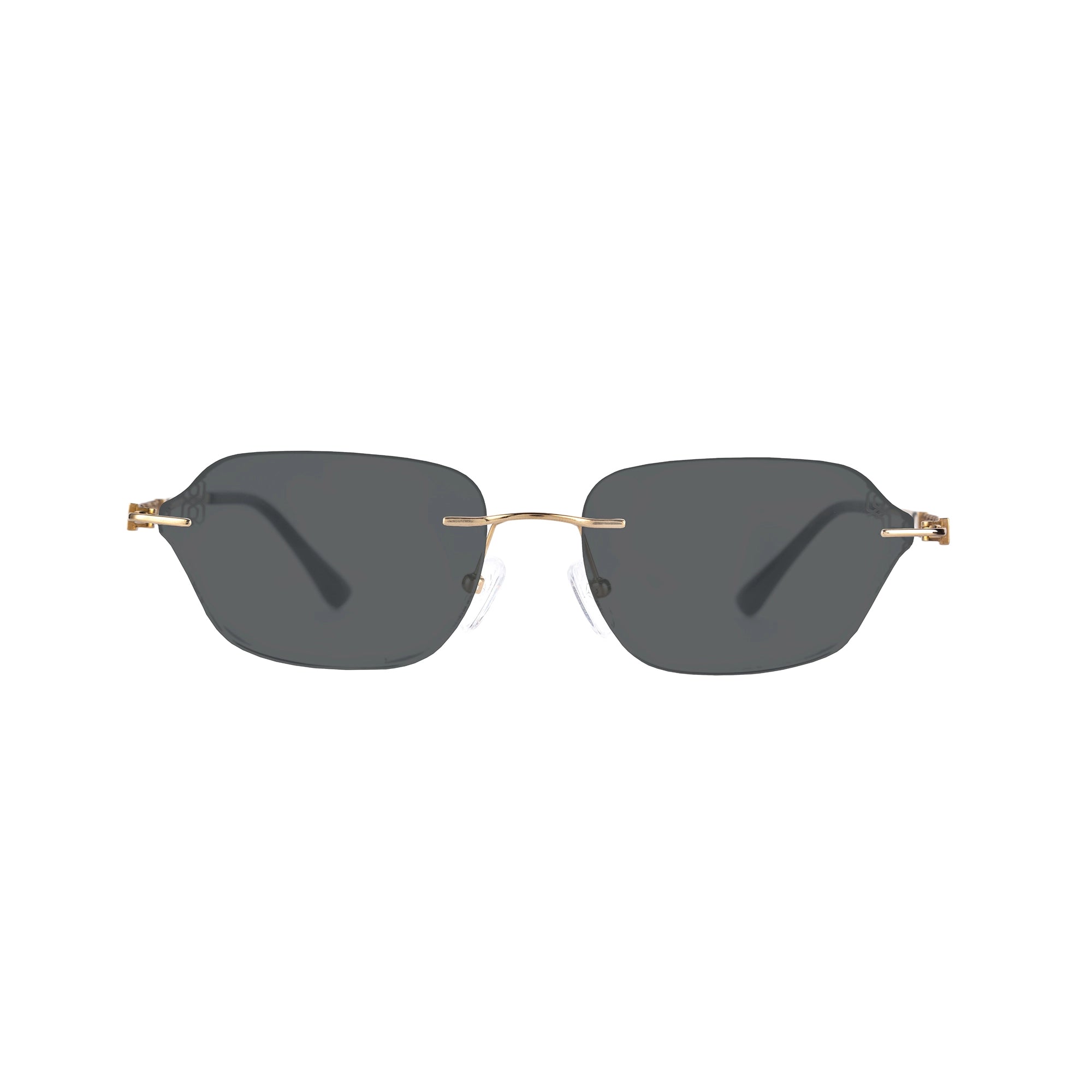
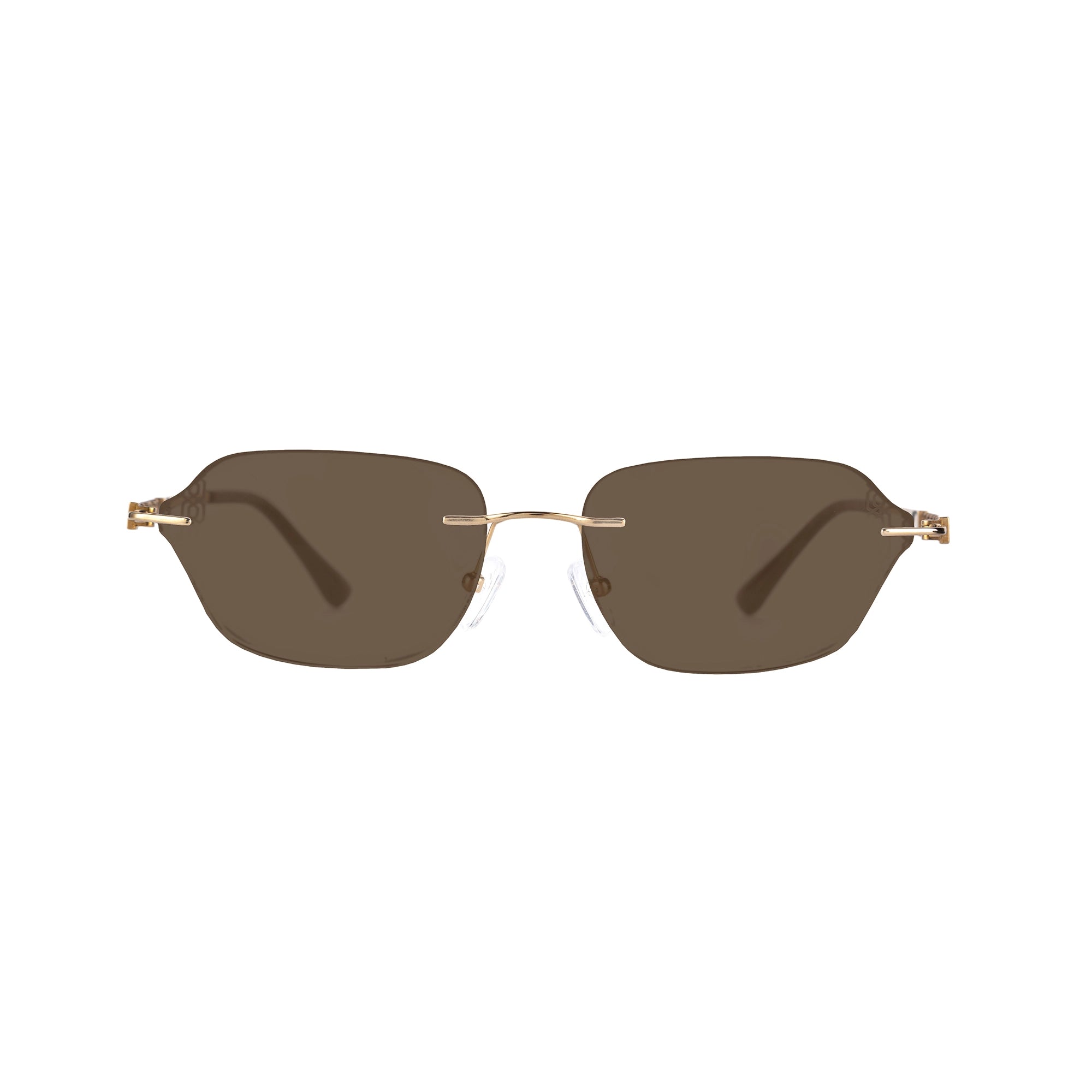
Laser-Scripted Silhouette · Hip-Hop Inspired · Sharp Confidence


Butterfly Wing · 18K Gold-Plated Titanium · Laser Engraving · Crystal Accents
Further reading
Parts of Glasses Explained: Frame, Bridge, Temple, Nose Pads and Lenses
A pair of glasses looks simple until a screw works loose. Then you notice how many small parts had to line up before the lenses ever sat in front of your eyes. The frame front holds the lenses. The...

What Are High Index Lenses and Who Needs Thinner Glasses?
Thinner lenses. The trick is the material: it bends light harder than regular plastic, so your prescription needs less of it to do the same job. Standard plastic, and a strong prescription bulges ...

Do Glasses Make Your Eyes Worse? What New Wearers Should Know
Your first pair of glasses does something odd. The world goes sharp. Suddenly there's text you can read from the couch, and a street sign you'd been guessing at for months. You wonder how you coped...

Best Lens Color for Fishing Sunglasses: Polarized Lens Guide
what color lens is best for fishing in 2026 Ask three anglers what color lens is best for fishing and you'll get four answers, a story about a lost pair of glasses, and probably a strong opinion ab...


