
Are Sunglasses FSA Eligible in 2026
The short answer is yes — if they have a prescription.
Prescription sunglasses are considered a medical expense by the IRS, which means you can pay for them with FSA or HSA funds. Non-prescription sunglasses generally do not qualify. The rule is straightforward: if the lenses correct your vision, they are eligible. If they do not,t they typically are not. At Bling Optical, every prescription frame is built to hold corrective lenses, which means your pre-tax benefits can cover the entire cost of the frame and lenses.
|
Important — Always Verify with Your FSA Administrator |
|
FSA rules and eligible expense lists vary by plan. This article covers general IRS guidance as commonly applied. |
|
Confirm specific eligibility with your plan documents or FSA administrator before purchasing. |
|
IRS Publication 502 is the primary authoritative source for medical expense eligibility. |
|
FSA Sunglasses — Quick Reference |
|
Prescription sunglasses — Yes, fully eligible (frame + lenses) |
|
Polarized + prescription — Generally eligible when part of prescription eyewear; keep supporting documentation. |
|
Non-prescription sunglasses — Generally not eligible |
|
Non-prescription + Letter of Medical Necessity — May be eligible |
|
Photochromic / blue-light + prescription — Ye,s eligible |
|
Eye exam — Yes, always FSA eligible |
Understanding FSA Eligibility for Sunglasses

FSA accounts work on a single principle when it comes to eyewear: the purchase must address a medical condition. For sunglasses, that means vision correction.
Prescription Sunglasses — Fully Eligible
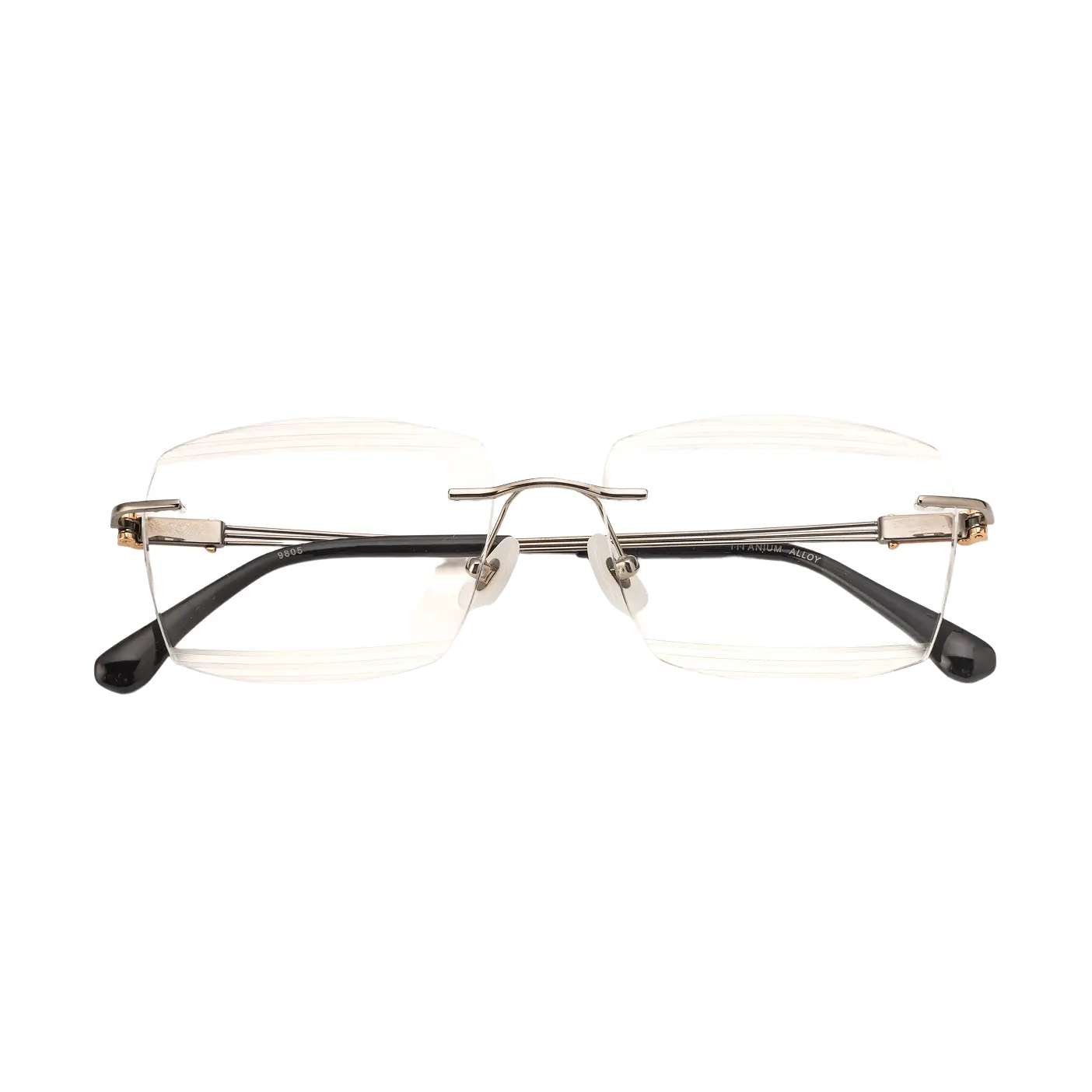
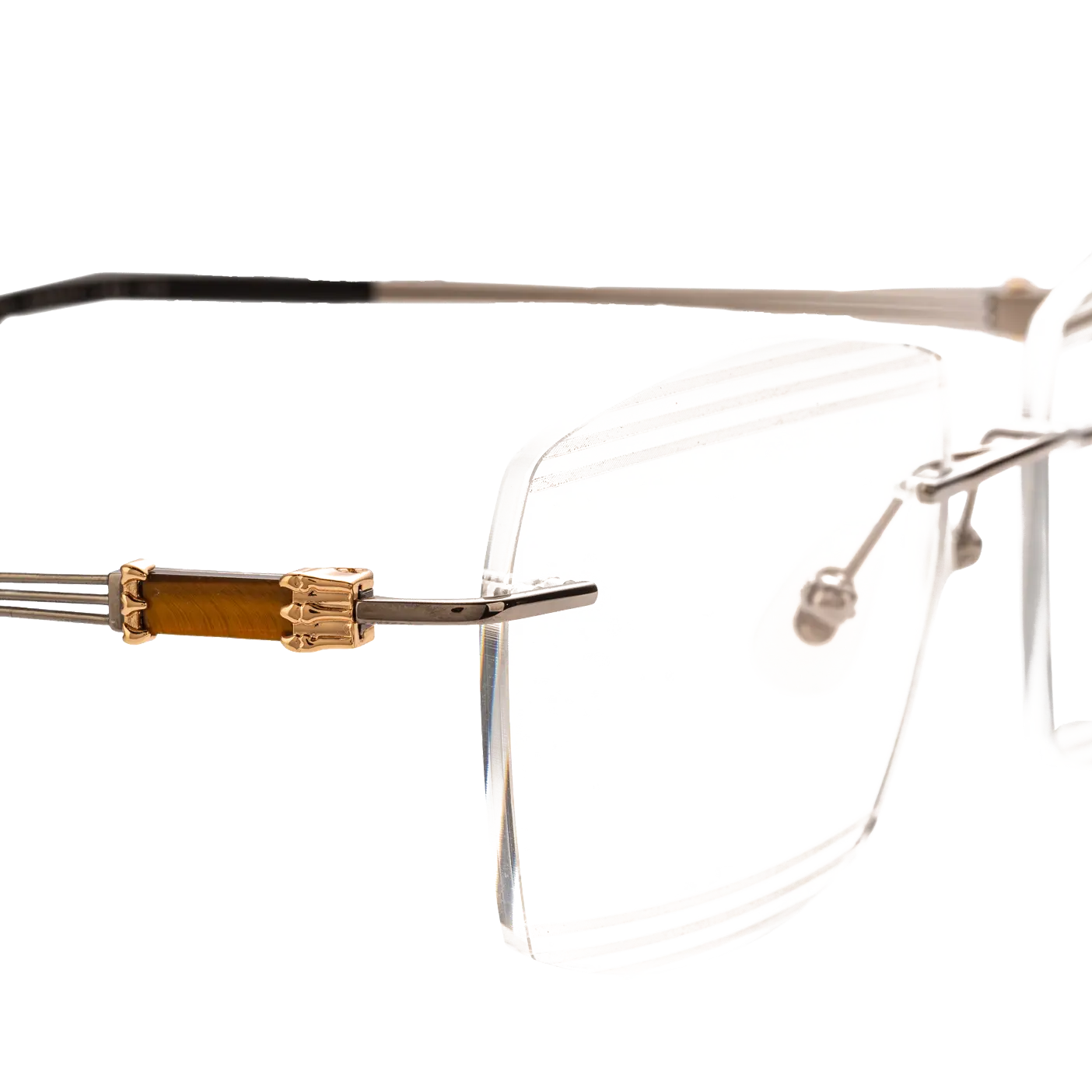
Prescription sunglasses are treated as a medical device by the IRS. The frame and the lenses together constitute a single corrective item, and the entire cost qualifies as a medical expense. This applies to any style and any designer brand as long as the frame holds your actual prescription lenses. The Luxury Prescription Glasses collection is built specifically for this purpose — high-quality frames in styles that accommodate prescription lenses across a range of corrections.
Brand name does not affect eligibility. A designer frame with your prescription is just as eligible as a standard optical frame with the same prescription.
Non-Prescription Sunglasses — Generally Not Eligible

Standard sunglasses without corrective lenses are classified as a general health or fashion item rather than a medical expense. UV protection alone does not meet the IRS standard for a qualified medical expense. You cannot use FSA funds for plano sunglasses purchased at a sunglass retailer without additional medical documentation.
The Letter of Medical Necessity Exception

There is a documented exception. If your doctor provides a Letter of Medical Necessity stating that non-prescription sunglasses are required for a specific medical condition — post-surgical recovery, significant light sensitivity, or a similar documented condition — you may be able to use FSA funds for non-prescription eyewear.
This is not automatic. It requires documentation from a licensed medical provider, and your FSA administrator must accept the letter. If this applies to your situation, contact your plan administrator before purchasing.
|
Sunglass Type |
FSA / HSA Eligible? |
Notes |
|
Prescription sunglasses |
Yes — generally eligible |
Full cost of frame and lenses covered |
|
Polarized + prescription |
Yes — generally eligible |
Polarization does not by itself disqualify prescription eyewear; documentation requirements may vary by plan. |
|
Non-prescription (plano) |
Generally not eligible |
Fashion or general UV use — no medical justification |
|
Non-prescription + LMN |
May be eligible |
Requires a Letter of Medical Necessity from a doctor |
|
Photochromic / Transitions + Rx |
Yes — fully eligible |
Covered lens treatment on a medical device |
|
Blue-light filter + Rx |
Yes — fully eligible |
Covered when added to a prescription lens |
Are Polarized Sunglasses FSA Eligible?

Yes — generally eligible when combined with a prescription.
When polarization is part of prescription eyewear needed for vision correction, the eyewear is generally an eligible medical expense. Keep the prescription and itemized receipt, and confirm any documentation requirements with your FSA or HSA administrator.
Conditions for Polarized Eligibility

The frame must hold corrective lenses for your specific vision prescription. A standard off-the-shelf polarized sunglass without a prescription generally does not meet the eligibility standard. With a prescription, the eyewear is generally eligible, and polarization does not by itself disqualify it. Keep supporting documentation and follow your plan’s claim rules.
The same logic applies to photochromic lenses that transition from clear to tinted in sunlight. If the base lens carries your prescription, the transition treatment is covered as part of the medical device.
Prescription vs Non-Prescription Sunglasses

The distinction is straightforward and consistent. Prescription lenses treat a medical condition — myopia, astigmatism, hyperopia, or similar. That treatment classification is what makes the purchase a qualified medical expense.
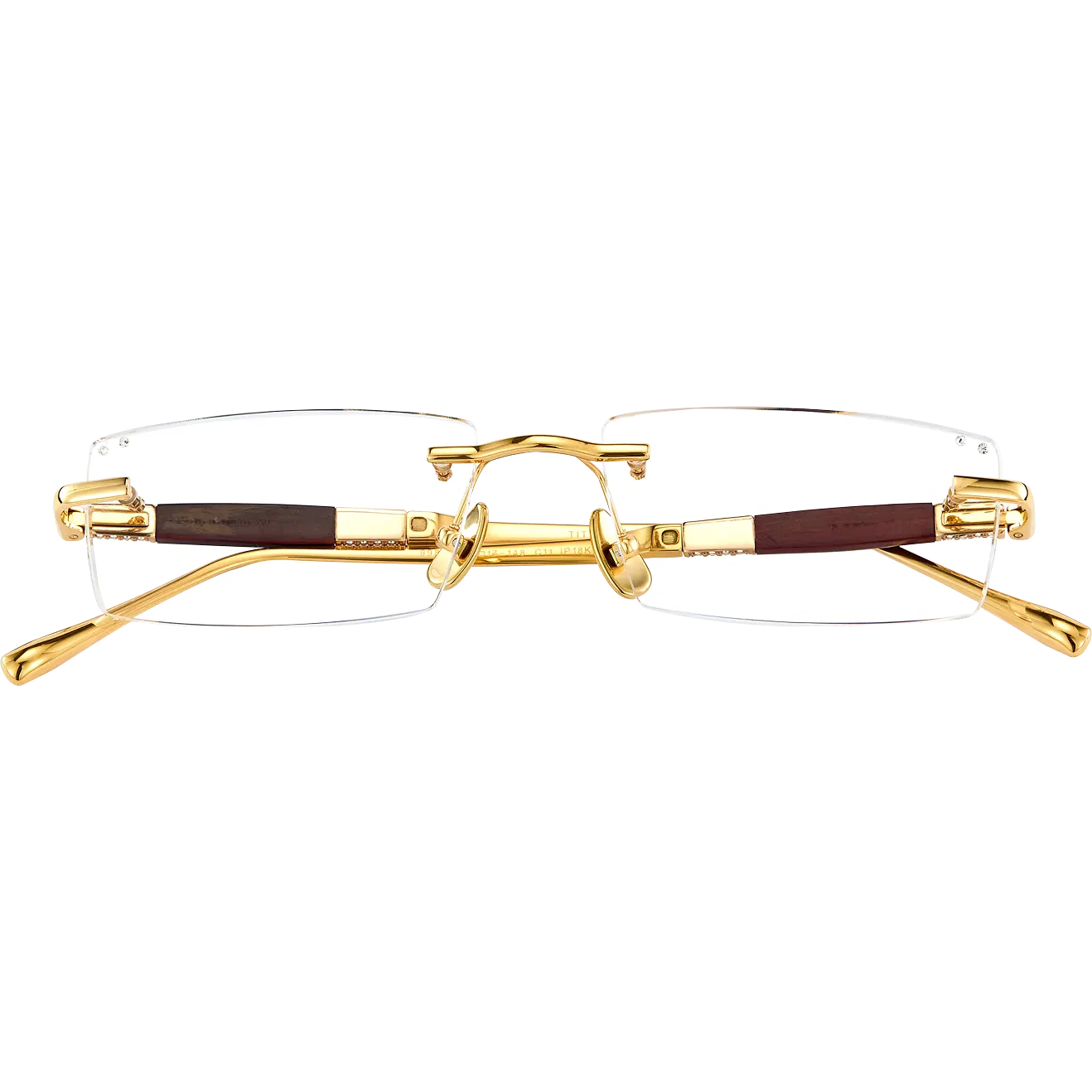
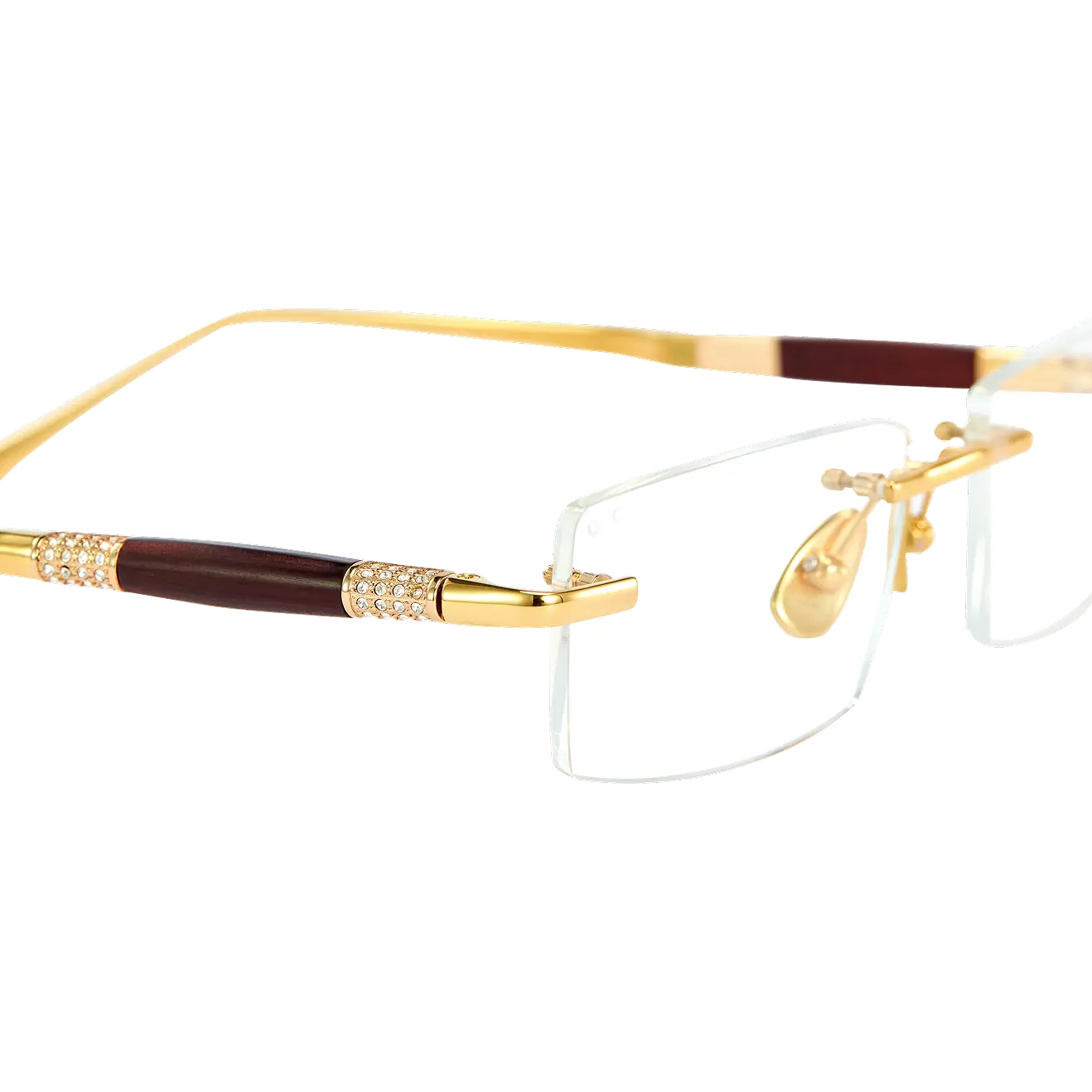
Non-prescription lenses do not treat a condition. Even high-quality UV400 polarized lenses without correction are not classified as medical equipment under the IRS standard. For prescription options, the Fox-Eye Gold Rimless Glasses and similar precision-built frames are designed to accommodate corrective lenses while maintaining their design integrity.
Choosing the Right Frames and Lenses

Once you know your purchase is eligible, the selection question is about finding the right frame for your prescription and your style.
How to Pick Frames for Your Prescription

Not all frames accommodate all prescriptions equally. Strong corrections benefit from frames with a smaller lens area, which keeps edge thickness manageable. The Rimless Rectangle Glasses collection is particularly practical for stronger prescriptions — the rimless construction means the lens edge is the only visible element, which keeps even higher-index lenses looking clean.
- Strong prescriptions: Look for smaller lens areas and thicker frame material that can conceal edge thickness. High-index lens options keep the lens thin even in compact frames.
- Moderate prescriptions: Most frame styles work. Rimless and semi-rimless designs are practical because the lens is unobstructed, and the lens thickness is minimal.
- Wrap-around and sporty frames: These require specialized base curve lenses to prevent peripheral distortion. Confirm with your optician that your prescription can be cut for the frame's curvature before purchasing.
Lens Options That Qualify for FSA

Several premium lens treatments are FSA-eligible when applied to a prescription lens.
- Anti-reflective coating: Reduces glare from screens and overhead lighting. Eligible as a lens treatment on a medical device.
- Blue-light filtering: Added to a prescription lens; covered as a lens treatment. Particularly relevant for screen-heavy professional contexts.
- High-index lenses: Thinner and lighter than standard plastic. A practical necessity for strong prescriptions and fully eligible as part of the corrective lens.
- Polarization: Generally eligible when applied to prescription lenses; keep supporting documentation and follow plan claim rules. Non-prescription plano sunglasses generally are not eligible without an accepted medical-necessity exception.
- Photochromic / Transitions: Covered when applied to a corrective lens. The transition function is treated as part of the medical device.
Tips to Maximize Your 2026 Coverage

FSA accounts are generally used on an it-or-lose-it basis within the plan year. Prescription sunglasses represent one of the most practical uses of that balance.
- Schedule your eye exam early: The exam itself is FSA eligible. An up-to-date prescription is also required for any prescription sunglass purchase to qualify.
- Confirm RX-ability before purchasing: Some highly curved or specialized sunglass frames cannot accommodate all prescription types. Verify with your optician before selecting a frame.
- Check your plan's carryover rules: Some FSA plans allow a partial balance rollover of the balance into the following year. Others have a grace period. Know your deadline so you can plan the purchase accordingly.
- Keep your receipt and prescription documentation: FSA reimbursement often requires documentation of the purchase and the prescription. Keep both on file.
Surprisingly Eligible Items with FSA

Most people know glasses are covered. Several related eyewear expenses are also eligible and frequently overlooked.
Eye Care Accessories and Maintenance

- Eye exam costs: Fully eligible. The exam is a medical appointment, and the cost is a qualified medical expense.
- Eyeglass repair kits: Screwdriver replacement screws and nose pad replacements that maintain the prescription of a device are eligible.
- Lens cleaning supplies: Microfiber cloths and lens-safe cleaning sprays designated for prescription eyewear are covered.
- Protective cases: Hard cases that protect a medical device are generally eligible. Confirm with your specific plan.
Specialized Eyewear and Treatments
- Prescription swim goggles: Corrective lenses in a waterproof goggle format — fully eligible as a prescription device.
- Prescription ski goggles: Same logic as swim goggles. The prescription is the qualifying element.
- Contact lens cases and solution: Accessories required for prescription contact lenses are eligible alongside the lenses themselves.
- Dry eye relief products: Certain over-the-counter dry eye treatments are FSA eligible. Check your plan's specific list of eligible products.
Prescription vs Non-Prescription Sunglasses

The FSA rule reinforces something that applies beyond the financial question. A prescription sunglass is a different object from a fashion sunglass, even when they look identical from the outside.
The prescription version corrects vision. It sits at the specific optical center calculated for your eyes. The frame holds the lens at the correct vertex distance for your prescription. None of that applies to a plano sunglass, regardless of its quality or price. The Designer Rimless Glasses collection is built at a construction level where the prescription sits correctly inside the frame — not just optically acceptable but genuinely precise.
For FSA purposes, that precision is also the eligibility line. Corrective — eligible. Decorative — generally not.
How to Use Your FSA for Prescription Sunglasses

The process is straightforward once you have confirmed eligibility.
- Confirm your prescription is current: Most FSA plans require a valid prescription dated within a specific window — typically 12 to 24 months. Verify the date with your plan before purchasing.
- Select an RX-able frame: The frame must hold your prescription lenses. Rimless and standard optical frames are almost always prescription-ready.
- Use your FSA card directly or request reimbursement: Many optical retailers accept FSA cards at the point of sale. If your retailer does not accept direct payment, keep your receipts and submit for reimbursement with your prescription documentation.
- Keep all documentation: Retain the prescription eyewear receipt, your current prescription, and any plan-specific forms required for reimbursement.
The Silver Trapezoid Rimless Glasses and Gold Square Rimless Glasses are examples of frames built specifically to hold prescription lenses with precision — the kind of frame that makes practical sense as an FSA purchase because the construction quality justifies the investment.
Frequently Asked Questions
Can I use FSA money for sunglasses?
Yes, but only for prescription sunglasses in most cases. The IRS considers corrective lenses a medical necessity and covers the full cost of the frame and lenses. Non-prescription sunglasses are generally not eligible unless you have documentation from a doctor stating a specific medical reason.
Can I buy designer sunglasses with FSA?
Yes. There is no brand restriction on FSA-eligible eyewear. Any designer frame fitted with your prescription lenses qualifies as a medical expense. The total cost — frame and lenses combined — is eligible. Always confirm with your FSA administrator that the purchase includes a valid prescription.
Are polarized sunglasses FSA eligible?
Yes, when combined with a prescription. Polarization is classified as a lens treatment applied to a corrective lens, which makes it a covered medical expense. Standard off-the-shelf polarized sunglasses without a prescription do not qualify under general FSA rules.
Are Maui Jim sunglasses FSA eligible?
Yes, if fitted with prescription lenses. The brand does not affect eligibility — the prescription does. Maui Jim and similar premium brands are eligible when the frame is used to hold corrective lenses for your specific vision prescription.
How many pairs of glasses does FSA cover?
There is no set limit on the number of pairs. Unlike vision insurance, which typically covers one pair per benefit year, FSA accounts let you use available funds on as many pairs of prescription glasses or sunglasses as your balance allows within the plan year.
What items are not FSA eligible?
Non-prescription sunglasses purchased for fashion or general UV protection do not qualify. Colored fashion contacts without corrective power and extended warranties on eyewear also do not meet the medical expense standard. Always confirm specific items with your FSA plan administrator before purchasing.
Does Sunglass Hut accept FSA?
Major optical retailers generally accept FSA and HSA payments for prescription sunglass orders. Policy details and accepted payment methods vary by retailer and plan. Confirm directly with the retailer and your FSA administrator before completing a purchase.
What is surprisingly eligible for FSA?
Beyond glasses, the FSA covers eye exam costs, prescription swim goggles, prescription ski masks, contact lens cases, cleaning solutions, lens repair kits,s and microfiber cleaning cloths designated for prescription eyewear. Some plans also cover dry eye relief products. Check your plan documents for the specific list.

Looking for something else?

Best Frames for Thick Lenses (Men & Women Guide)
LEARN MORE
How to Fix Loose Glasses in 3 Simple Steps (At Home Fast)
LEARN MORE
Popular Glasses for Men 2026 Styles for Professionals
LEARN MORE
Eye Makeup with Glasses Tips for a Stunning Look
LEARN MORELooking for something else?

Who Invented Glasses and How They Changed the World
LEARN MORE
Diy Eyeglass Cleaner Guide for Crystal Clear Lenses
LEARN MORE
Best Glasses for Oblong Face Shapes
LEARN MOREYou may also like




Further reading
Parts of Glasses Explained: Frame, Bridge, Temple, Nose Pads and Lenses

What Are High Index Lenses and Who Needs Thinner Glasses?

Do Glasses Make Your Eyes Worse? What New Wearers Should Know