


What to Do With Old Glasses: Donate, Recycle or Upgrade Your Frames
Open the junk drawer and there they are. Two prescriptions out of date, a bent pair you keep meaning to fix, sunglasses missing a lens. Here's what to actually do with them.
|
Short answer: Donate the wearable pairs to a program like Lions Clubs. Recycle the broken ones at a proper eyewear drop-off. And hang on to your most recent pair as a backup. Whatever you do, keep them out of the trash and the curbside bin — neither one is set up to handle glasses. |
Why Old Glasses Are Worth Saving
Old Glasses Can Still Help Someone See Better
Your old pair feels like clutter to you. To someone else, it's a way to read a medicine label or see the front of a classroom.
The need is huge. More than a billion people live with vision trouble that a pair of glasses would fix, says the World Health Organization. Charities take it from there — they wash each frame, read its prescription, sort the pile by strength, and pair it with someone who needs that exact lens.
Why Throwing Glasses Away Creates Waste
A single pair is a tiny machine of mismatched parts. Acetate or metal frame. A couple of screws. Soft pads. Coated lenses. Recycling sorters can't take that apart, so a pair dropped in the bin just gets buried.
And it piles up fast. Americans bury millions of tons of stuff a year, per the Environmental Protection Agency. One pair won't move that number. Still, even a cracked frame has metal and screws worth pulling out and reusing.
Keep a Recent Pair as Backup
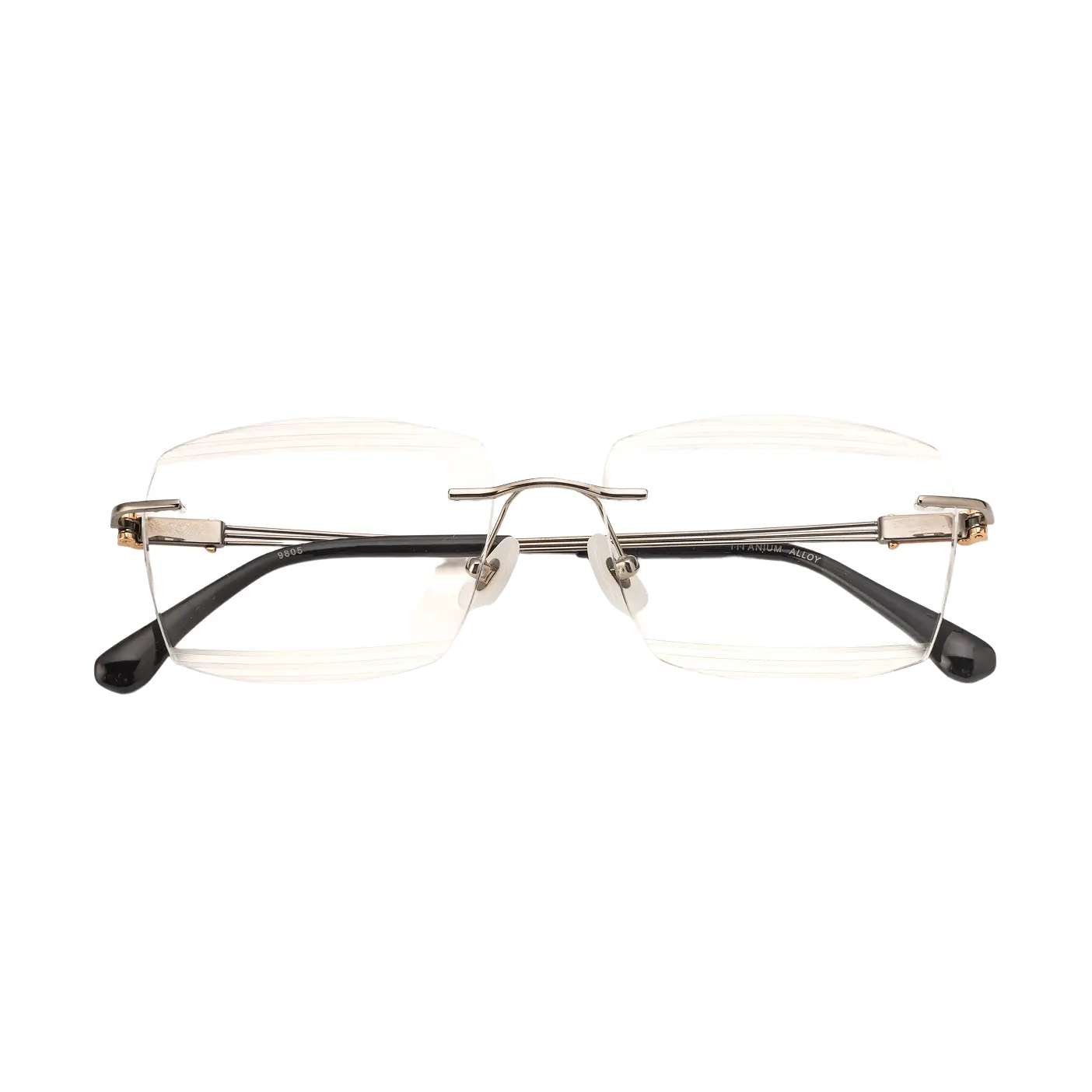
Before the whole pile goes in a donation bag, pull one pair out. You'll be glad you did the morning you step on your glasses or leave them on a plane. Tuck a lightweight rimless pair you can wear all day into a hard case and stash it somewhere you'll find it — the glovebox, a desk drawer, the side pocket of a carry-on.

|
Tip: Use your second-newest prescription for the spare, not one from a decade ago. A slightly dated pair gets you through a few days fine. A really old one just leaves you squinting. |
Donate Old Glasses to a Trusted Program
If a pair is still wearable, donating beats everything else. The only trick is sending it to the right place. Not every group takes every kind, and some only want frames in good shape. Read the label on the box first — thirty seconds there saves you a pointless trip.
Lions Clubs Eyeglass Recycling Programs
Start with Lions Clubs International. It's the big one — a worldwide network of centers that gather, clean, sort, and ship donated glasses to dozens of countries.
You've seen their blue-and-yellow boxes without noticing them: tucked in library lobbies, school front offices, eye clinics, and a lot of Walmart Vision Centers. Drop in prescription glasses, readers, or sunglasses. They handle the rest.

Walmart, Goodwill, and Local Drop-Off Boxes
Lots of Walmart Vision Centers keep a Lions Clubs bin right by the entrance. Some Goodwill stores pass eyewear along to recycling partners too, but that one's hit or miss by location — phone ahead. Other boxes hide in plain sight:
- Libraries and community centers
- Churches and other places of worship
- Schools, universities, and bank branches
One habit worth keeping: check the label before you drop. A few boxes take anything; others only want gently used pairs.
Which Types of Glasses Are Accepted Donations
Rules shift from program to program, but the welcome list is mostly the same:
|
Type |
Usually Accepted? |
Note |
|
Prescription glasses |
Yes |
Single-vision, bifocal, progressive — all fine |
|
Reading glasses |
Yes |
Over-the-counter readers count |
|
Sunglasses |
Yes |
Prescription sun and kids' sun included |
|
Children's glasses |
Yes — high demand |
Always in short supply, so especially wanted |
|
Broken / cracked frames |
No — recycle instead |
Snapped arms and cracked lenses can't be reused |
Prepare Your Glasses Before Donating
Spend five minutes here and you make a volunteer's day easier. Clean, sorted glasses clear inspection faster, and a little padding means fewer pairs show up bent.

Clean and Check Each Pair
Look each pair over — hinges, pads, lenses. A few light scratches won't matter; a cracked lens or a snapped arm will. Tighten any loose screws if you've got a small driver handy. Then rinse the lenses under lukewarm water with a drop of dish soap and wipe them dry with a microfiber cloth. That's the whole job. Don't reach for a paper towel or the blue window spray — both chew up coatings.
Sort and Pack for Drop-Off or Mailing
Got a stack to give? Split it by type first — prescription, readers, sunglasses, kids'. It saves real time at a center sorting thousands a week. Mailing instead of dropping off? Wrap each pair in bubble wrap or a padded envelope so nothing bends on the way, and give every pair its own little pouch.
Recycle Old Glasses the Right Way

Some pairs are past saving — deep cracks, a dead prescription, a frame that won't grip a lens. That's when recycling steps in. Done right, the materials get a second life instead of a hole in the ground.
Why Glasses Can't Go in Curbside Recycling
Your curbside bin almost certainly won't take them, and there's a good reason. The sorters built for paper and bottles can't split apart one frame's worth of coated lens, metal hinge, screws, and rubber. Toss glasses in there and you risk fouling the whole load — which sends the lot to landfill anyway.
|
Avoid this: Don't put glasses in curbside recycling. That mix of plastic, metal, and coated glass can ruin the batch, and the pair ends up buried regardless. A dedicated eyewear drop-off is the only thing that actually works. |
What Happens to Unusable Glasses
A wrecked pair still isn't a dead loss. Centers pick out whatever has value before tossing the rest:
- Metal frames — melted down as scrap
- Hinges and screws — saved for repairs
- Intact lenses — kept for reglazing or matching
- Plastic frames — reused when they can be, binned safely when they can't
How to Find Eyeglass Recycling Near You
Type “eyeglass recycling near me” or “donate old glasses near me” and you'll usually get a short list right away — libraries, optical shops, Lions Clubs boxes. If the search comes up dry, call a local optometrist. They either collect glasses or know who does.
Upgrade Your Frames With New Lenses
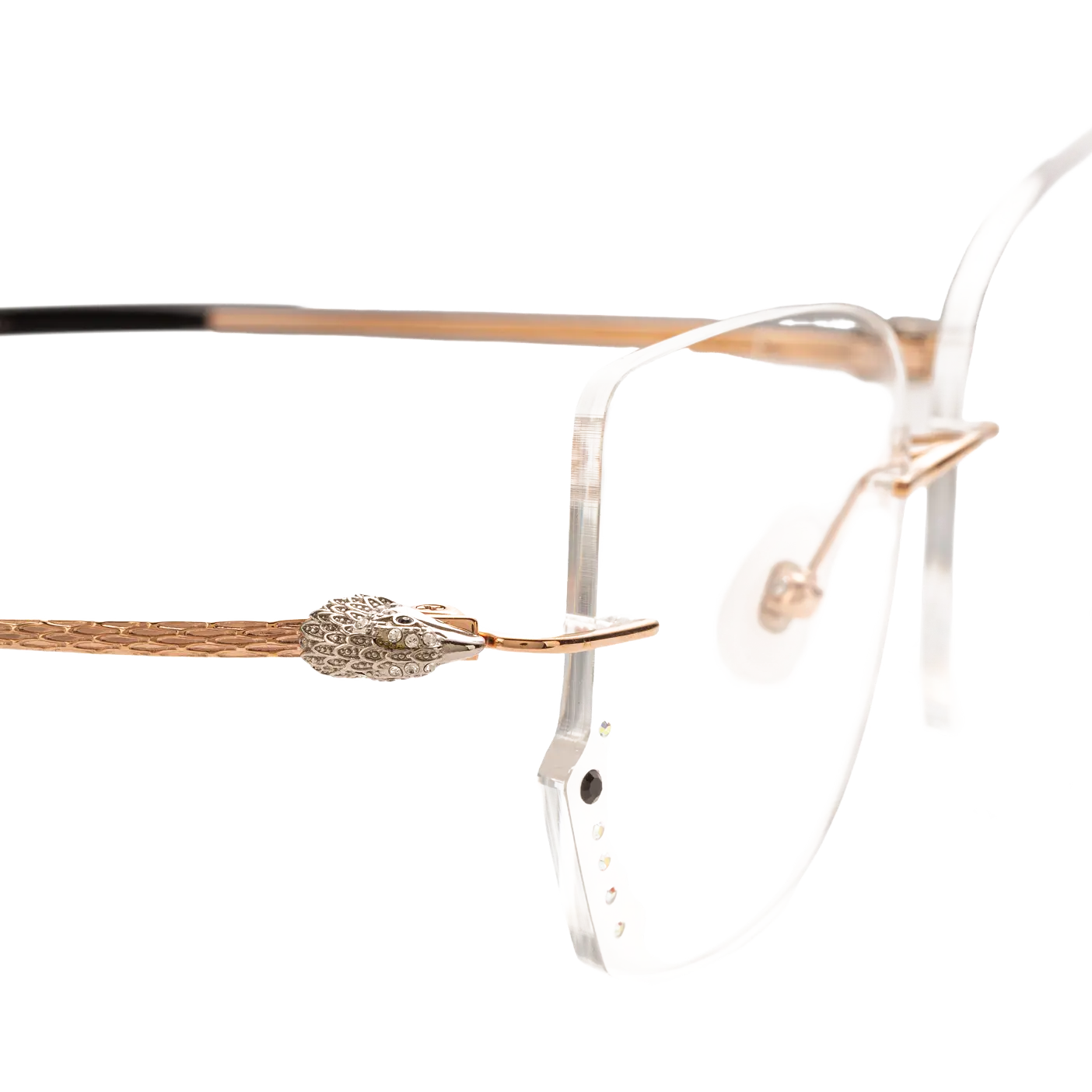
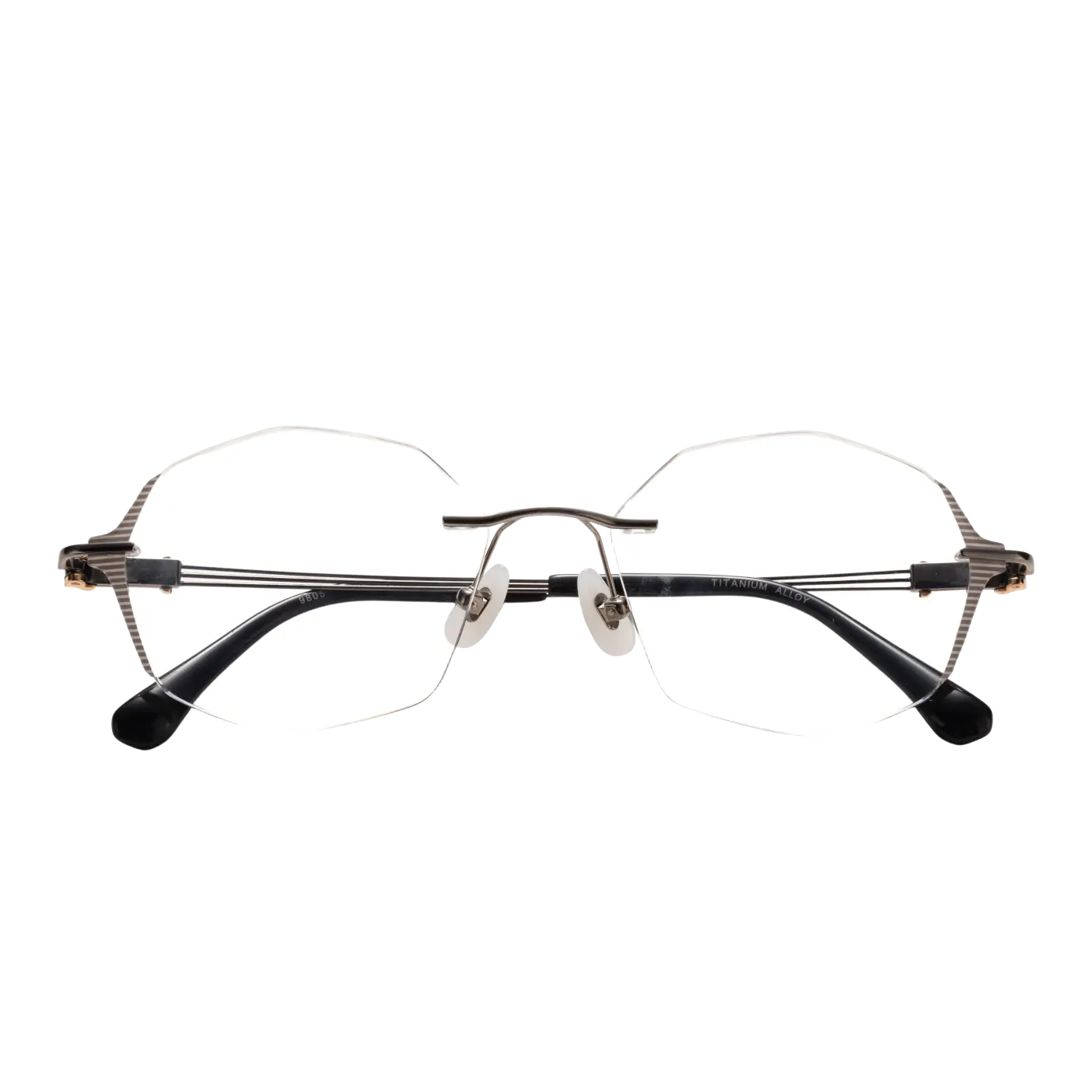
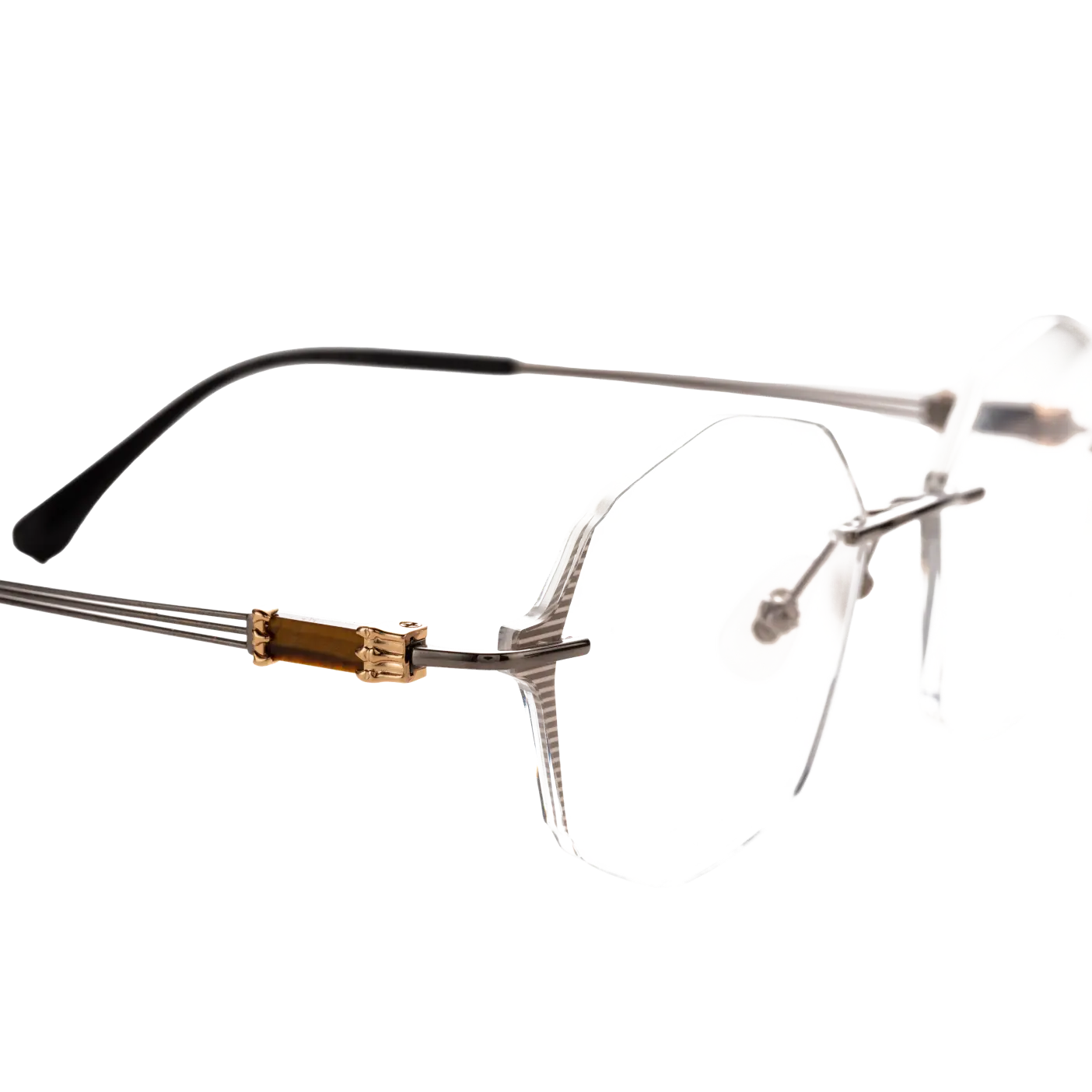
People forget this one all the time: a new prescription doesn't mean a new pair. If the frame still sits well and you like the look, an optician can just drop in fresh lenses — cheaper than buying new, and less waste. It works best on a sturdy frame, which is one reason rimless eyewear built to last usually outlasts the prescription it came with.

|
Keep it or replace it? Keep the frame when the hinges are firm, it sits level, the fit still feels right, and only your prescription has changed. Replace the pair when the frame is cracked or warped, the hinges are stretched past adjusting, or the lenses are scratched up enough to bug you. |
When Old Frames Are Worth Using
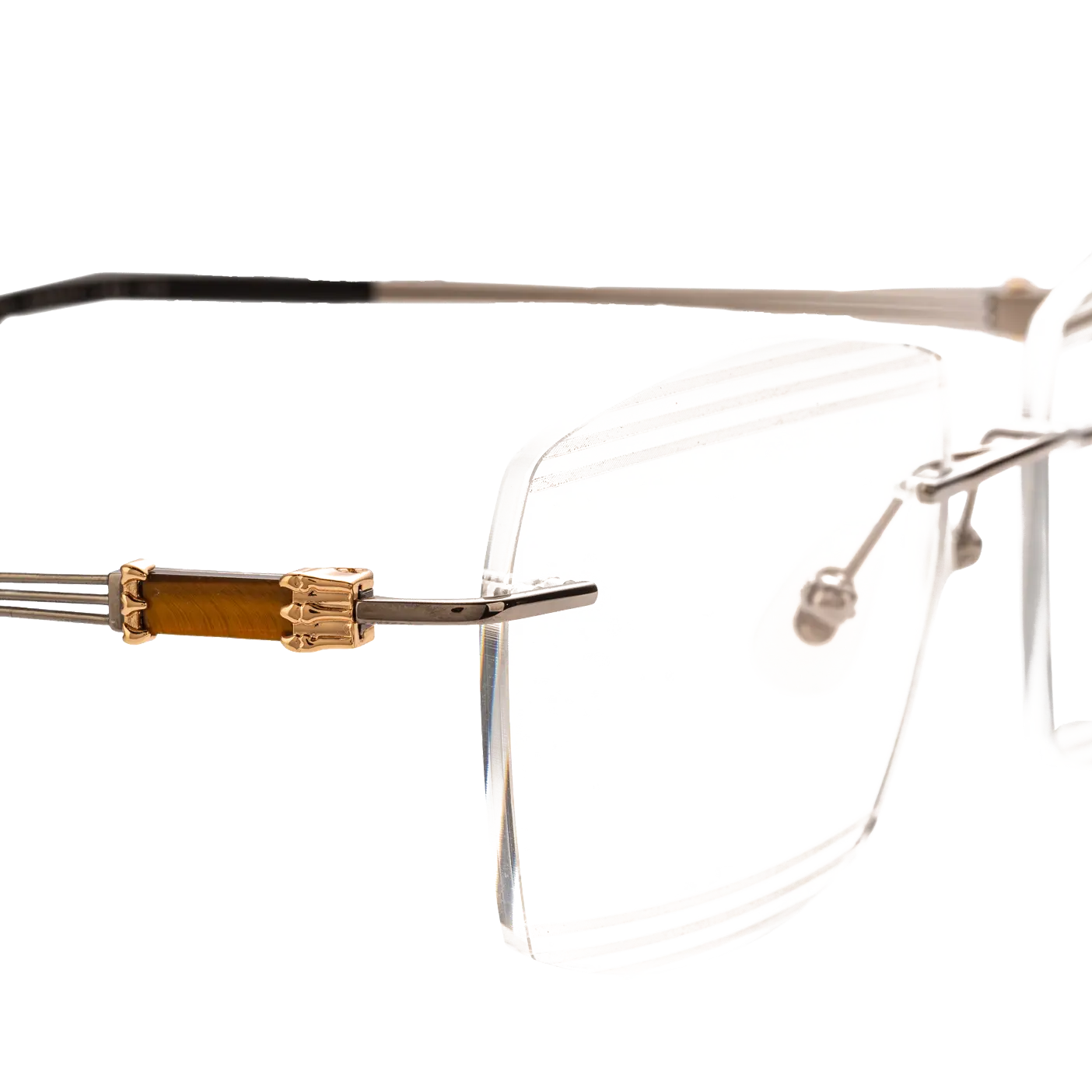
A frame earns another round when its bones are good — firm hinges, a level sit, no warp. Decent titanium and acetate hold up for years on nothing but basic care. If yours still feels right on your face, reglaze it instead of replacing it. For a frame worth keeping, browse the Nature Inspired collection to see how a quiet silhouette ages without dating itself.
Reglaze, Repair, or Replace
Most optical shops will reglaze a frame you already own — they check the shape, confirm it'll hold a lens, and cut new ones to fit. The little stuff is even easier: a loose screw, a bent arm, a tired nose pad, often sorted on the spot for free. Some damage, though, is the end of the road. The American Academy of Ophthalmology points out that badly scratched lenses can throw glare and tire your eyes out. Once they're that scuffed, a fresh pair is the kinder call.

Repurpose or Reuse Old Glasses Creatively
Not every pair needs to leave the house. A few are more useful kept around — as a spare, a prop, or craft material:
- Sell or gift them. Designer and barely-worn frames hold their value, and plenty of buyers just want a frame to fit their own lenses.
- Hand them to a theater. School drama clubs and costume shops are forever short on period eyewear — pop the lenses out first.
- Make something. Broken frames turn into jewelry holders, ornaments, little wall pieces. Craft groups will happily take the wrecked ones.
- Stash a backup. One pair in a hard case in the car or a desk drawer, ready for the day you need it.

What Not to Do With Old Glasses
|
The three to skip Don't trash a wearable pair. If it holds together and the lenses are clear, someone can use it. Don't donate unsafe frames. Sharp edges and cracked lenses just make extra work and can cut a volunteer — recycle those. Don't toss glasses into curbside recycling. They jam the sorters and almost never get processed. |
Conclusion
None of this is complicated. Donate the good pairs to a group like Lions Clubs or a local clinic. Recycle the broken ones at a real drop-off. And if you love a frame, reglaze it rather than buy new — often for less than a fresh pair would run you.
Then keep one spare before the rest goes out the door. A backup in the car or the desk turns “I lost my glasses” from a crisis into a shrug. Small moves, but together they keep usable eyewear out of the landfill and on someone's face.
|
At Bling Optical, we build rimless frames to be worn for years, not seasons. When you're ready for a new look, donate or recycle the old pair — and keep the frame you love by upgrading the lenses. |
FAQs
What is the best thing to do with old glasses?
Depends on the pair. If it's still wearable, donate it — Lions Clubs is the easy default. If it's busted, take it to a real eyewear drop-off. And whatever you do, hang on to your newest spare for emergencies.
How do I dispose of old eyeglasses near me?
Your nearest Lions Clubs box, Walmart Vision Center, optical shop, or eye clinic will take them. Just don't drop them in the kitchen recycling — it can't handle glasses unless your town specifically says it does.
What are you supposed to do with your old glasses?
Honestly, anything but trash them. Donate, recycle, repair, reglaze, sell, or stash one as a backup. The frame's condition tells you which.
Does Walmart take old prescription glasses?
A lot of them do — there's usually a Lions Clubs box near the vision counter. But it's store by store, so a quick call before you drive over saves you the hassle.
Does Goodwill take old prescription eyeglasses?
Some stores will and pass them to a recycling partner. Plenty won't. It's genuinely a coin flip by location, so phone ahead — or skip the guesswork and use a Lions Clubs box.
Is there somewhere to donate old glasses near me?
Almost certainly. Lions Clubs boxes turn up in libraries, schools, banks, eye clinics, community centers, and Walmart. One search for “donate old glasses near me” usually settles it.
Does Costco take old eyeglasses for donation?
A handful do, through local tie-ups, but it's not a company-wide thing. Ring your local Costco Optical first — no point hauling them in on a maybe.
What happens to glasses that cannot be reused?
They get picked apart. Metal frames go to scrap, hinges and screws get saved for repairs, and good lenses are kept for matching. Only the leftover plastic is thrown out, and that's done properly — not dumped by the binful.
Sources
- Lions Clubs International. The go-to donation program in this guide
- World Health Organization, on blindness and vision impairment.
- U.S. EPA, materials and waste facts and figures.
- American Academy of Ophthalmology. An ophthalmologist answers whether scratched lenses really cause glare and eye strain

Looking for something else?

Transition Lenses — Seamlessly Adapt to Every Light Condition
LEARN MORE
Beyond the Trends What Glasses Are in Style for 2026
LEARN MORE
2026 Eyeglasses Trends for Women — Styles Defining This Year
LEARN MORE
2026 Vision — The Future of Eyewear and What to Expect
LEARN MORELooking for something else?

How to Make Your Sunglasses Tighter and More Secure
LEARN MORE
10 Celebrities Who Prove Glasses Are the Ultimate Accessory
LEARN MORE
Why Tinted Prescription Glasses Are the Next Big Thing
LEARN MOREYou may also like




Further reading

Reading Glasses Strength Chart: How to Choose the Right Power
How Much Do Prescription Glasses Cost Online?
What to Do With Old Glasses: Donate, Recycle or Upgrade Your Frames


