


What Are Gradient Sunglasses and When Should You Wear Them?
What are gradient sunglasses? They use a darker tint at the top and a lighter tint at the bottom. The darker upper half blocks strong overhead sunlight, while the lighter lower section lets you see dashboards, phones, menus, and other close-up details more clearly.
That balance is why many people choose gradient lenses for everyday wear. They work well for driving, outdoor cafés, and situations where you move between bright light and shaded areas. Instead of constantly taking your sunglasses on and off, gradient lenses give you sun protection without making nearby tasks harder to see.
|
Quick answer: Gradient lenses are sunglasses tinted from dark to light, usually darker at the top and lighter at the bottom. They work best for daytime driving, mixed sun-and-shade, and casual wear. Weaker on harsh reflected glare, where polarized lenses perform better. Tint depth does not equal UV protection, so always check the label for 100% UVA and UVB protection. |
What Are Gradient Sunglasses?
Gradient sunglasses use lenses that shift from dark at the top to lighter at the bottom. The darkest area sits near the top rim, then the tint fades as it moves down the lens. In most cases, the tint is added through the lens material or a lens coating.
This design gives your eyes shade where the sun is strongest while keeping the lower part of the lens lighter for reading, driving, or checking a phone.
Three features make gradient sunglasses different:
- Two tones in one lens: The top helps reduce overhead brightness, while the bottom keeps close-up details easier to see.
- Built for changing light: They work well when you move between sun, shade, stores, and cafés.
- Softer on the face: The fade makes the lenses look lighter and more open than solid dark sunglasses.
What They Look Like
Lightest at the bottom edge, always. Up top, some run a deep charcoal that melts away to nothing. Others go warm, brown or amber. A few lean blue or rose. Color aside, the fade just looks gentler than a solid black slab. Photographs are better too, because nobody's eyes are stuck behind a dark wall.
How They're Different From Standard Tinted Lenses
A normal tinted lens? One flat shade, all the way across. Dark on top, dark on bottom, same everywhere. Gradients throw that out. They hold the dark where the sun's hammering down and lighten up where you actually need to see, and honestly that one trick is the entire selling point. Drivers get it instantly. Blazing road ahead, dim little dashboard below, and a flat tint just can't do both.
WebMD lands on the same idea: when the light keeps changing on you, gradient lenses usually feel easier than a dark full-tint pair (WebMD).
How Do Gradient Sunglasses Work?

Each part of the lens lets in a different amount of light. Dark top filters the harsh stuff. Pale bottom keeps your close-up view natural. Two zones, two jobs, and here's how it breaks down:
|
Lens zone |
Tint |
What it does |
|
Top |
Darkest |
Blocks overhead sun and sky glare, like a built-in visor |
|
Middle |
Transition |
Smooths the shift so the change never feels abrupt |
|
Bottom |
Lightest |
Keeps close-up vision clear for screens, menus, dashboards |
Why UV Protection Still Matters
|
Read the label, not the tint. Dark doesn't mean protected. Loads of gradient lenses dim the brightness and block barely any UV at all. |
People mix this up all the time. How dark a lens looks and how much UV it stops? Two completely separate things. UV adds up over the years, and that slow buildup ties to cataracts and other damage later on. Which is the whole reason a pale-looking lens can still be perfectly safe, as long as it's coated. The Mayo Clinic ties long-term UV exposure to a higher cataract risk.
Check the label, then. 100% UVA and UVB, or UV400, that's what you're after. And the coating's clear anyway, so it protects the whole lens, the light bottom included. You wear glasses every day? Thirty seconds confirming the UV on a prescription pair is time well spent.
Types of Gradient Sunglasses
Not all built the same. Three styles cover most of what you'll run into, and each one's tuned for a different kind of light.
Single Gradient Lenses

Dark on top, lighter going down. The everyday pair, the kind in most driving and fashion shades. It trims the glare pouring down from the sky and leaves the lower view open, which is pretty much what you want walking around town, running errands, driving in daylight. Nothing fancy. Just works.
Double Gradient Lenses

Dark top, dark bottom, lighter in the middle. Two dark bands, and there's a reason: light bounces. Off water, off snow, off hot pavement, it hits you from below too. So folks who spend time near reflective ground tend to reach for these. Bolder look, on top of that.
Polarized Gradient Lenses
The hybrid pair. A polarized layer that kills reflected glare, plus the dark-to-light fade sitting over it. Polarization deals with the nasty bounce off water, roads, car hoods. The gradient keeps the bottom light enough to read by. If you're out for hours, driving or traveling, these give you the most.
Benefits of Gradient Sunglasses
Comes down to one thing, really. They deal with changing light and don't weigh on your face doing it. Here's where you actually feel that.
Comfort in Changing Light
Dark top takes the bite out of harsh sun. You squint less, and your eyes don't get as worn out on a bright afternoon. Cleveland Clinic makes the point that good sunglasses cut glare and guard your eyes against years of sun damage. Meanwhile the bottom still passes light, so nothing ever goes pitch black on you. Errands, walks, a long travel day, they stay put the whole time.
Clearer Close-Up View
Ever squinted at a dashboard through black lenses? Total guesswork. Gradients keep the bottom lighter, so the screen, your phone, the gauges, it all stays readable. Same thing outdoors with a tablet or a menu in hand. Protection up top, a natural view down low. You get both.
A Softer Look Than Full Dark Lenses

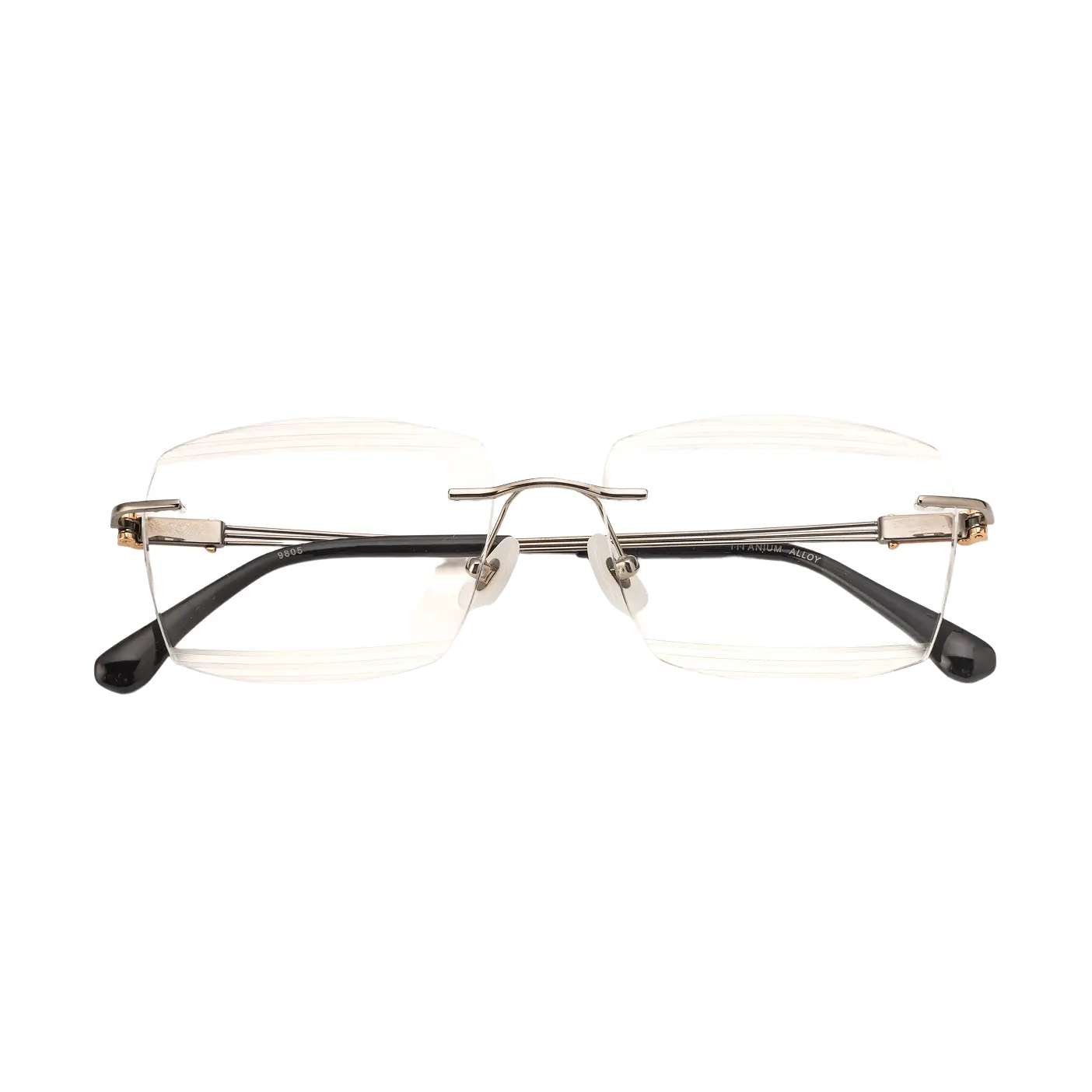
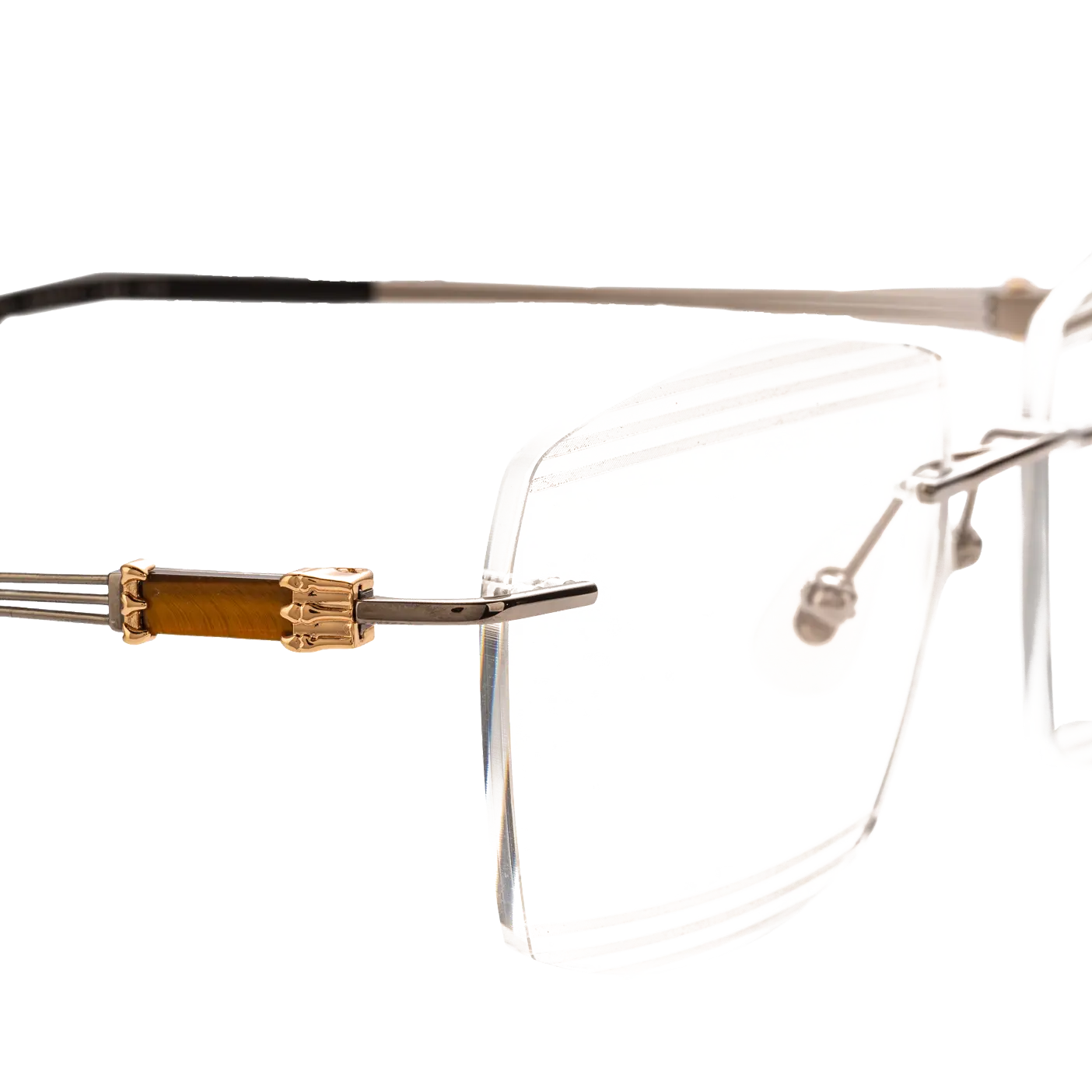
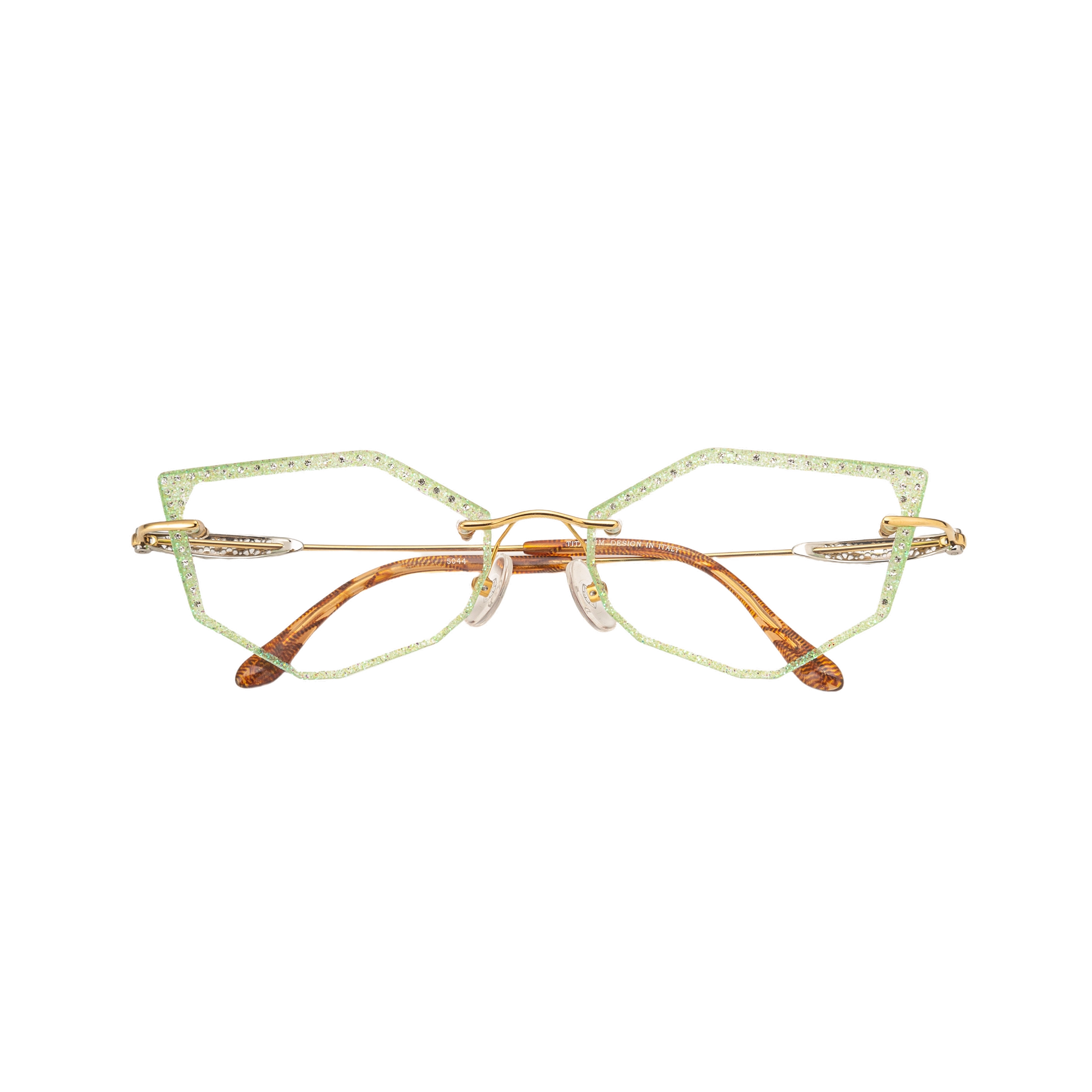
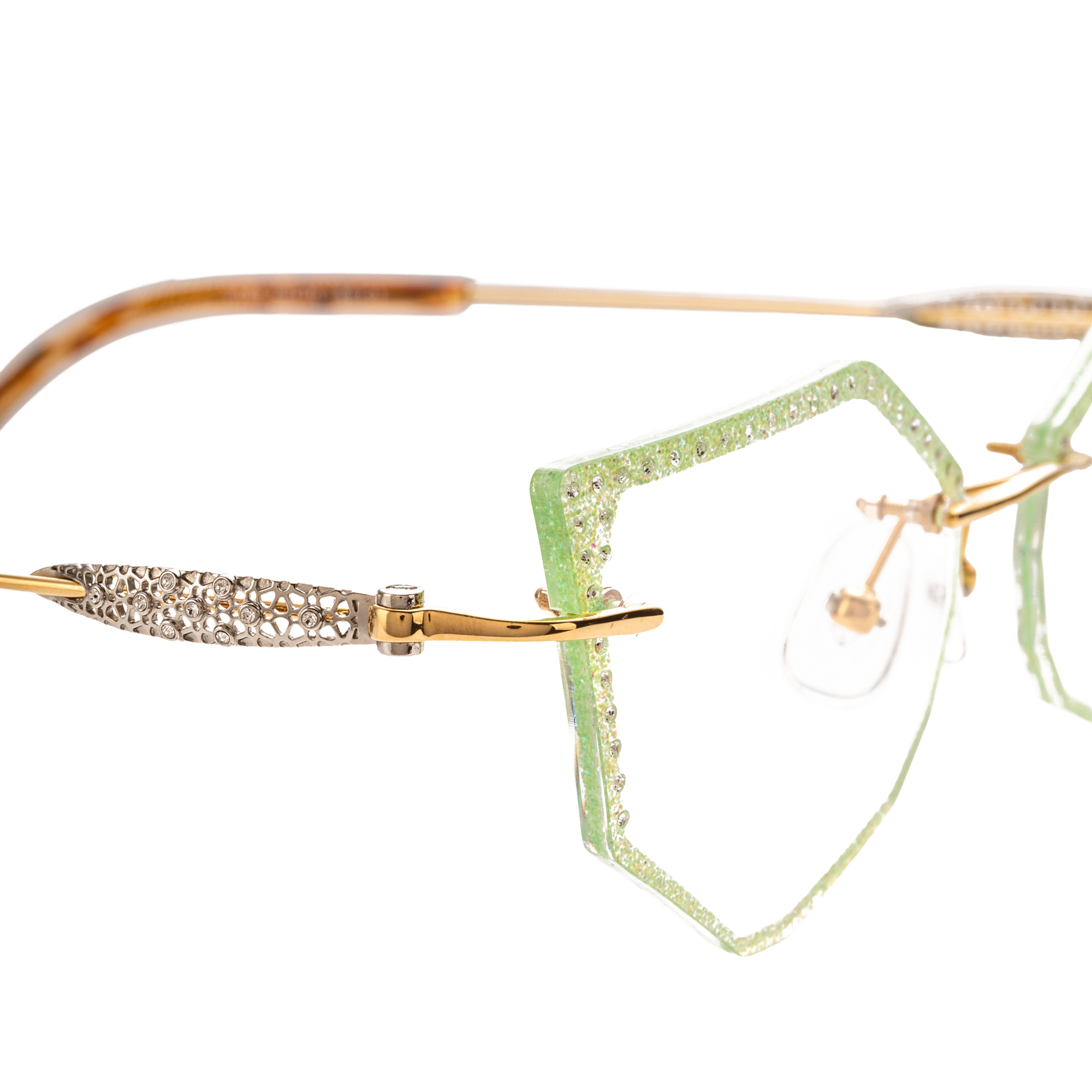
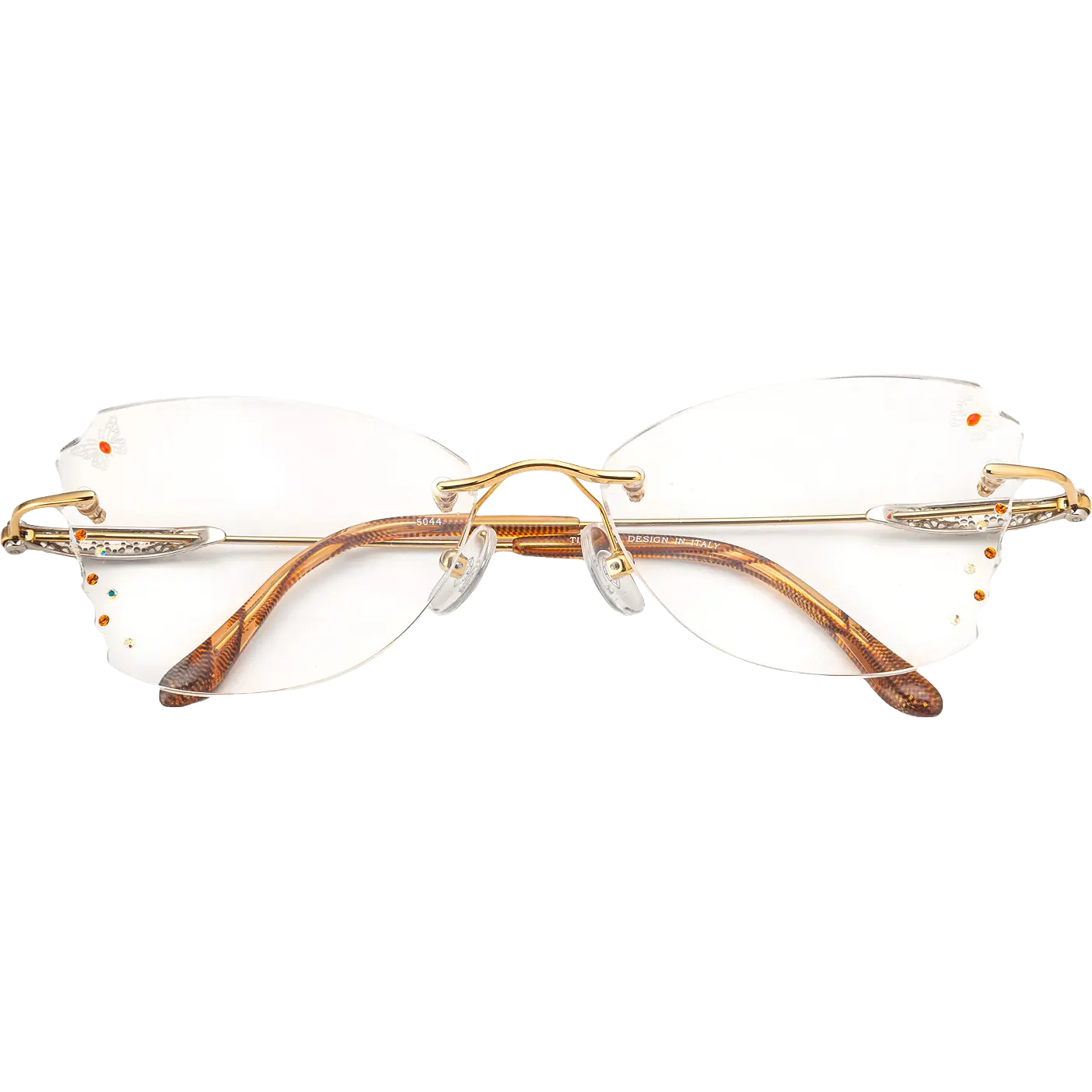
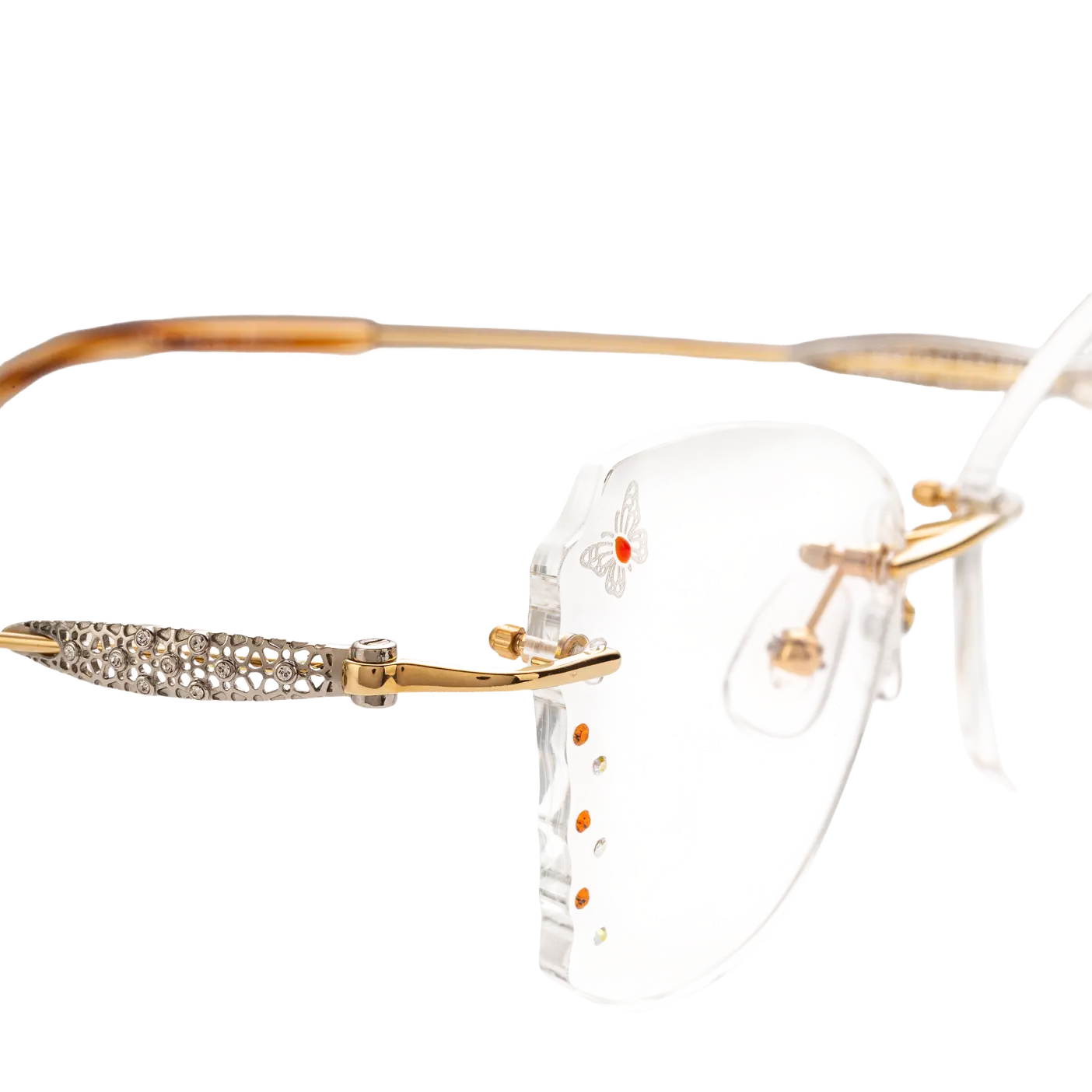
Solid black reads are kind of severe. The fade softens that, and that's honestly half the appeal. Lighter at the bottom means your eyes stay visible, so you're not disappearing behind the lens mid-conversation. Subtle tints look great on lightweight rimless frames that stay comfortable all day, where the point is a quiet, jewelry-ish finish instead of a big heavy front.
When Should You Wear Gradient Sunglasses?
They're at their best when the light won't hold still. Four everyday moments where they really earn it:
Daytime Driving

The big one. Dark top cuts the sky, light bottom keeps the dash readable, and you don't go blind ducking into a tunnel or under a row of trees. The catch is hard reflected glare off a wet road. That's where a polarized gradient pulls ahead.
Walking Between Sun and Shade
City blocks are a constant back-and-forth, glare then shadow then glare again. Gradients handle it because the lower part stays light and you keep seeing the sidewalk without ripping the glasses off your face. Partly cloudy out? Even better. That soft fade feels more balanced than a lens that just slams everything to dark.
Outdoor Reading or Café Use
Go try reading a paperback through pitch-black lenses. Rough, right? A gradient lets more light in down low, so the page, the menu, your phone, all of it stays clear, while the top keeps blocking the overhead sun. Clear page, visible surroundings. Exactly the trade you want at an outdoor table.
Everyday and Casual Wear
Softer than solid black, so they slot into streetwear, office fits, travel days, whatever you've got on. Lighter shades keep your face readable instead of hiding it behind a dark slab. And honestly? Plenty of people wear them just for the look, sun barely out or not.
Gradient Sunglasses vs Polarized Sunglasses
Both make a bright day easier. They just get there differently, so what's right for you depends on where you are and what you're doing.

|
Factor |
Gradient lenses |
Polarized lenses |
|
Main strength |
Softens overhead brightness; clear lower view |
Cuts reflected horizontal glare |
|
Best for |
Daytime driving, city walking, indoor-outdoor |
Water, snow, bright roads, fishing |
|
Screen view |
Easier; lighter bottom helps |
Can dim some LCD screens |
|
UV protection |
Only if coated; check the label |
Often included, still verify |
No matter which style you choose, darker tint does not automatically mean better protection. Always look for 100% UVA and UVB (UV400) coverage, because glare reduction and tint depth are separate from UV blocking.
Quick gut check. Loads of reflected glare? Polarized. A sun-and-shade kind of day? Gradient. Want both at once, the polarized gradient covers it.
Disadvantages of Gradient Sunglasses
They fit a lot of situations. Perfect, they're not. Three trade-offs worth knowing before you hand over your card.
One, the lens color tells you nothing about UV. Cheaper gradients sometimes just knock down the brightness and call it a day. The American Academy of Ophthalmology says aim for 99% to 100% UVA and UVB blocking, and it comes right out and warns that darker isn't safer.
Two, they can fall short in really intense light. Deserts. Beaches. Snowfields. In that kind of glare a full-dark or mirrored lens is just comfier, so go deeper on the gradient if that's your world. Three, a standard gradient won't cut reflected glare the way a polarized lens does, so water and wet roads keep throwing brightness back at you, on a long highway haul or out playing a sport.
How to Choose the Right Gradient Sunglasses
|
Start here: UV filtering comes first. Then tint color, then how deep the fade goes, then frame coverage. A 100% UV or UV400 label says more about your eye safety than how dark the lens happens to look. |

Lead With UV Protection
UV wears your eyes down over the years, cloudy days and all. The CDC tells outdoor workers to wear sunglasses with close to 100% UV protection. Look for 100% UV or UV400 on the tag. Works regardless of how dark the lens is, so even a pale gradient blocks UV when it's coated right.
Pick the Tint Color
Gray keeps colors true. Brown and amber warm things up and bump the contrast, which a lot of drivers like. Blue and rose? More about looks than function. Match it to your light, too. Gray or smoke for bright cities. Warmer tones when the sky's gray.
Match Depth and Frame to Your Day
Light fade for everyday, in-and-out wear. Deeper fade for strong sun. Bigger frames block more light from the sides, so oversized, square, and wraparound shapes give you the most coverage. And one last thing, fit matters. Loose glasses slide down your nose, the gradient ends up sitting in the wrong spot, and then your whole view is off.
Conclusion
Straight talk. A gradient lens won't solve every lighting situation, and it was never meant to. What it nails is the everyday stuff. The drive into low sun. The walk that keeps dipping under awnings. That coffee you want to read your phone over without yanking the glasses off your face. Dark top handles the sky, light bottom gives you back the close-up world, and the whole thing stays soft enough that nobody thinks you're hiding behind it. For most days? Fair trade. More than fair, actually.
Skip them when the glare turns brutal. Near water, on snow, a wet highway at speed, grab polarized for that. Otherwise the rule barely budges: check the label for 100% UVA and UVB before some pretty tint reels you in, because darker doesn't mean safer. Bling Optical's refined everyday eyewear leans on soft fades and light frames instead of a heavy front, so when you feel like trying a gentler gradient on a pair you'll genuinely forget you're wearing, explore the Sunglasses line and find the one that fits your everyday.
|
THE ONE-LENS RULE The best gradient isn't the darkest one. It's the one that protects your eyes and still lets you read the room. |
FAQs
Which is better, polarized or gradient?
Depends on the day, really. Polarized wins against hard reflected glare, water, snow, bright roads. Gradient wins in mixed light because the lighter bottom keeps screens and close-up content readable.
What's the point of gradient lenses?
They knock back the sun from above and leave the lower view clear. So you can check a phone, a menu, the dashboard without taking the glasses off.
What are the disadvantages of gradient sunglasses?
They can feel too light in really strong sun, and they cut less reflected glare than polarized. Some also need a separate UV coating, so read the label.
Can you wear gradient lenses indoors?
For a bit, sure. Bright rooms, or on your way inside, no problem. In a dim room, though, take them off so you can actually see.
Are gradient sunglasses better for driving?
They can be. Dark top kills the sky glare, light bottom keeps the dash readable. For heavy road glare specifically, a polarized gradient does more.
Are gradient lenses more expensive?
Usually a touch more than plain single-tint, especially once you add a prescription, UV coating, or polarization. Lens quality and frame set the final price.
What do gradient lenses look like?
A smooth ombré fade, dark up top easing to light at the bottom. Softer, less blocky than a flat dark lens.
What color tint is best for prescription glasses?
Gray is the best all-around tint for prescription gradient sunglasses because it keeps colors looking natural. Brown or amber can help add contrast for driving and outdoor use, while blue and rose are more of a style choice.
Sources
- WebMD, What to Know About Gradient Sunglasses (2024)
- Mayo Clinic, Cataracts: Symptoms and Causes
- American Academy of Ophthalmology (AAO), How to Choose the Best Sunglasses to Avoid Sun Damage (2025)
- Cleveland Clinic, Do Sunglasses Protect Your Eyes? (2026)
- U.S. Centers for Disease Control and Prevention (CDC), Sun Exposure at Work (2026)

Looking for something else?

Transition Lenses — Seamlessly Adapt to Every Light Condition
LEARN MORE
Beyond the Trends What Glasses Are in Style for 2026
LEARN MORE
2026 Eyeglasses Trends for Women — Styles Defining This Year
LEARN MORE
2026 Vision — The Future of Eyewear and What to Expect
LEARN MORELooking for something else?

How to Make Your Sunglasses Tighter and More Secure
LEARN MORE
10 Celebrities Who Prove Glasses Are the Ultimate Accessory
LEARN MORE
Why Tinted Prescription Glasses Are the Next Big Thing
LEARN MOREYou may also like




Further reading
What Are Gradient Sunglasses and When Should You Wear Them?

Broken Glasses: What You Can Fix at Home and When to Replace Them
How to Read a Glasses Prescription: OD, OS, SPH, CYL, Axis and ADD