
Reading Glasses Strength Chart: How to Choose the Right Power
It usually sneaks up at dinner. The menu’s right there in your hand and the prices have gone soft, so you push it out to arm’s length and suddenly it reads fine. Phones do the same thing now. That little stretch you keep doing has a name, presbyopia, and it happens because the lens inside your eye stiffens up as you get older. The American Academy of Ophthalmology puts the usual start somewhere after 40, and it keeps creeping along from there.
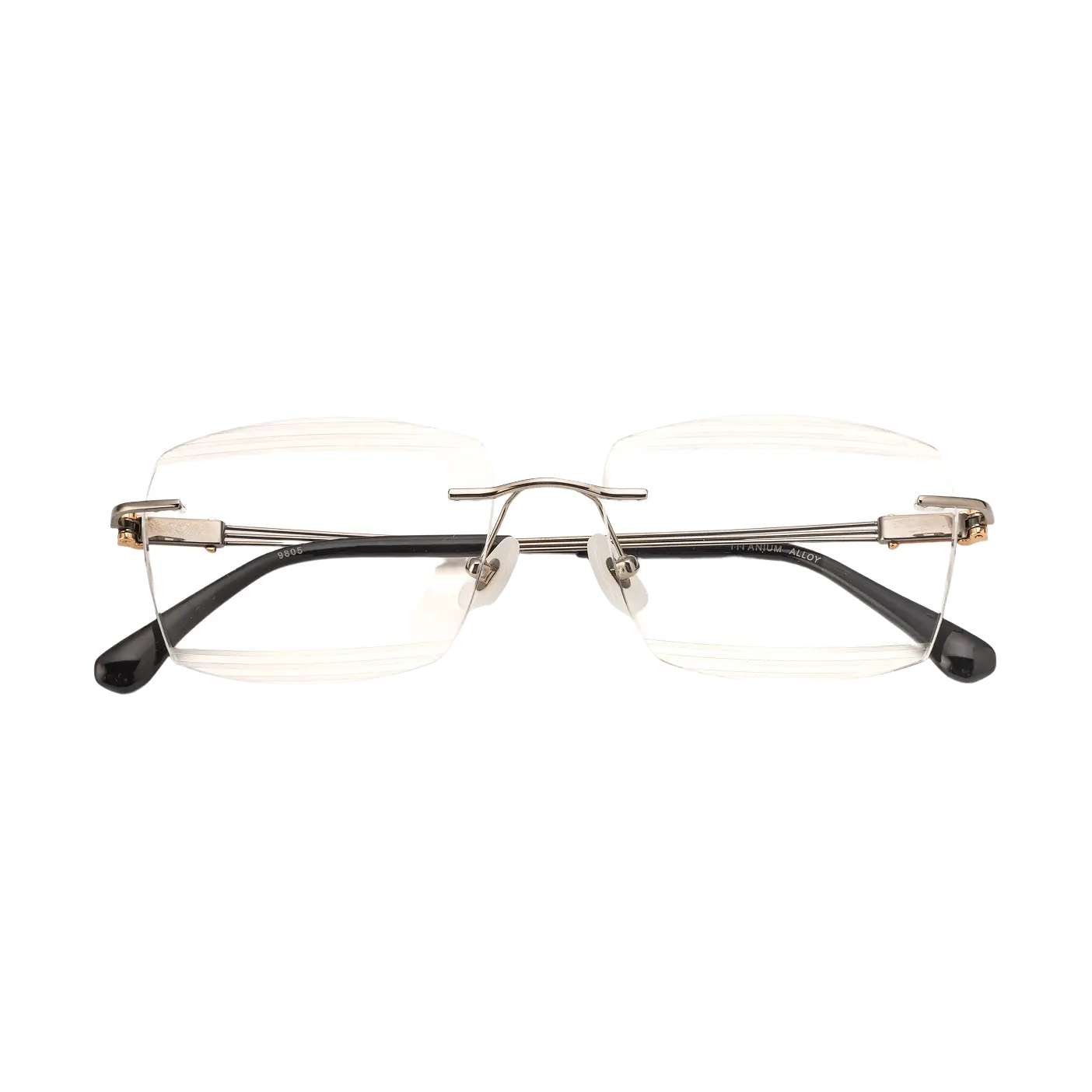
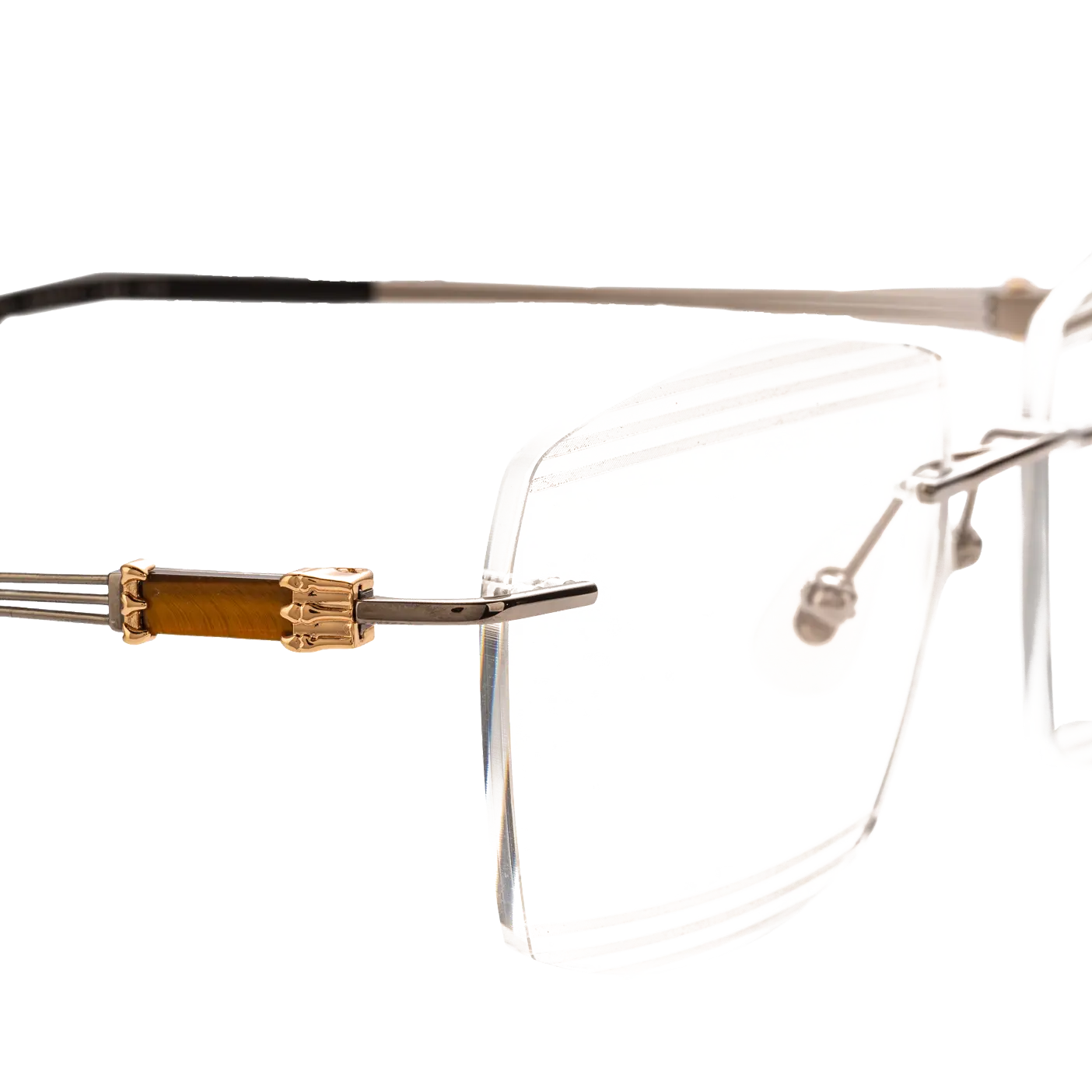
Reading glasses sort it out. Picking the power is where people get stuck. Too weak, and the words still blur. Too strong, and twenty minutes in your eyes are throbbing and you can’t figure out why. A lot of folks land around +1.00 to +1.50 to begin with, then bump up over the years. So this guide covers what reading glasses strength actually means, how a chart can ballpark yours, and why the distance you read at matters more than people think. And if you already love how lightweight rimless eyewear sits on your face, getting the number right is the difference between a pair you tolerate and one you forget you’re wearing.
What Reading Glasses Strength Means
Strength gets measured in diopters, and the bigger that number, the more the lens magnifies for stuff up close. Most readers run from roughly +0.75 up past +3.50, stepping up a quarter at a time.

A quarter sounds like nothing. It really isn’t. Going from +1.50 to +1.75 can be the line between reading for an hour without noticing and shutting the book because your head hurts. The point was never to grab the strongest lens on the rack. You want the one that actually suits your eyes, and that’s often gentler than people assume.
What a Diopter Actually Does
Reading glasses run on plus-power lenses. They bend the light so close objects land in focus again, which is the work your own lens strength used to handle before it stiffened up. The Mayo Clinic describes it pretty plainly: the lens hardens with age and quits flexing to focus up close. That little plus sign on the arm, +1.50 or +2.25 or whatever, is just how much help it’s giving back.
Crank the number higher and your sharp spot slides in closer to your nose. Great when you’re squinting at a pill bottle. It’s also why your friend’s +3.00 readers made everything go seasick when you borrowed them and you only needed +1.50.
Reading Glasses Strength Chart by Age
Age gets you in the ballpark, nothing more. Use this reading glasses strength chart as a rough first guess and then actually test it. I’ve seen two people the same age 40 land a full step apart, and the same goes at age 50. Your eyes don’t read the calendar.

|
Age Range |
Suggested Starting Strength |
Typical Use |
|
40–44 |
+1.00 to +1.25 |
Menus, labels, early phone reading |
|
45–49 |
+1.25 to +1.75 |
Books, newspapers, light computer work |
|
50–54 |
+1.50 to +2.00 |
Fine print, hobby crafts |
|
55–59 |
+2.00 to +2.50 |
Detailed labels, sewing |
|
60+ |
+2.50 to +3.00+ |
Very fine print, close inspection |
|
Start low. Stuck between two rows? Go with the weaker one to begin with. An age based guess that runs a little light is easy to get used to. One that runs strong has your eyes worn out before lunch. |
||
How to Test Your Strength at Home
A printed chart gets you most of the way there before you spend a dime. Four steps, takes about two minutes.

- Print it at 100% scale. Has to be a paper printout. Read it off a phone or tablet and the screen shrinks or stretches the type, so your answer comes out wrong.
- Hold it about 14 inches out. Roughly where a paperback or your phone usually sits, not stretched out and not pressed to your nose.
- One eye at a time. Cover the left, read, then the right. If one eye is way behind the other, don’t guess your way around it, get an exam.
- Stop at the first clear line. Work down from the top. The first row that snaps into focus is your likely power.
Land between two? Take the lower. The weaker lens hands you a roomier comfortable range and a lot less fatigue when you’re reading for a while. When it comes to reducing eye strain, that matters more than squeezing out the crispest possible text.
How Reading Distance Changes the Power You Need

Here’s the part people skip: they pick by age and call it done. Distance counts for just as much, because the chart quietly assumes you’re reading at 14 inches. Move the page closer or farther and the number shifts on you.
|
What You’re Doing |
Distance |
Power Adjustment |
|
Books and labels |
14–16 in |
Your chart result usually fits |
|
Phone and tablet |
Slightly closer |
May want +0.25 stronger |
|
Computer screen |
Farther away |
Often 50–60% weaker |
|
Sewing, fine detail |
Very close |
May want +0.25 to +0.50 stronger |
A monitor sits well past where you’d hold a book, which is why Healthline points out computer readers tend to run 50% to 60% weaker than your regular ones. Honestly, a lot of people just end up with two pairs, one parked at the desk and a stronger magnification pair for the really small stuff. Nothing wrong with that.
What to Do If You Are Between Two Strengths

Sometimes two powers right next to each other both feel fine, and that throws people. It’s pretty normal, especially since you’re holding reading material at a slightly different distance every time you pick something up. So here’s the tie-breaker.
When both look clear, the lower one wins. Say it’s +1.75 versus +2.00. The +1.75 keeps a wider focus zone and just feels easier when you’re settled in for a long stretch.
Only reach for the stronger pair if the small print still gives you trouble, you do close detail work a lot, or you’re someone who holds pages right up near your face. Either way, try it on real reading first. The chart’s a starting point, not the verdict.
|
Too strong: headaches, a tugging feeling behind the eyes, or catching yourself holding pages weirdly close to get them clear. Too weak: squinting, fuzzy edges, and that habit of inching the page farther away. People often reach for a brighter lamp here when honestly they just need a touch more power. |
OTC Readers vs Prescription Reading Glasses

You don’t always need a prescription. Drugstore readers genuinely work for a lot of people. They’ve just got a few blind spots worth knowing about before you stock up.
Off-the-rack pairs put the exact same lens strength in both lenses. Fine if your two eyes are close to matched, you don’t have astigmatism, and your distance vision is clear. But if you’d rather wear something nicer day to day and still get the power dialed to you, everyday rimless frames give you the clean look with lenses made to order.
Prescription readers really start to matter when your eyes don’t match, you’re already in glasses, or astigmatism is in the picture. The Cleveland Clinic makes the point that astigmatism can leave text blurry even when the reading power seems spot on, and the only real fix for that is a prescription.
When to See an Eye Doctor

Readers handle a surprising amount on their own. Just not everything. Get an exam booked if any of this shows up.
- Vision that blurs suddenly or shifts fast. The CDC lists these among the reasons to get looked at sooner rather than later.
- Eye pain, headaches, or strain that switching the power around doesn’t calm down
- Still no clear vision even past +3.25 or +4.00
- Distance going blurry too, not just the close-up stuff
|
Going in for a comprehensive eye exam? Take your reading habits along. If you tell the eye doctor how far out you hold a book, your phone, and your screen, they can set the power right for each one. And when you’re ready for a prescription-ready rimless pair after that, you’ll have the exact numbers to order from without second-guessing it. |
Conclusion
Sorting out your power isn’t guesswork once you have a method. Start with the age estimate, double-check it on a printed diopter chart held at your normal reading distance, and think about how you actually read through a day, because the book, the phone, and the laptop won’t all want the same lens.
Torn between two numbers? Take the lower. Watch for the tells that a lens is running too strong or too weak and adjust without making a project of it. And if the blur hangs around or your eyes keep aching no matter what you try, see someone. Reading glasses fix presbyopia, not every vision problem under the sun, and the right power is what finally lets a pair settle in until you forget it’s on your face.
FAQs
What strength should my reading glasses be?
Most people kick off around +1.00 to +1.50 in their early 40s and work up from there. A printed diopter chart held at 14 inches will tell you more than your birthday will.
Is 4.00 strong for glasses?
Yes, +4.00 is up at the strong end for readers. If nothing weaker comes in clear, get your eyes checked before you commit to it.
Are +2.50 reading glasses strong?
Middle-strong, and pretty common once you’re into your late 50s or 60s. If things swim up close at +2.50, step back to +2.25 and see how that reads.
Is 1.25 or 1.50 stronger?
+1.50 is the stronger of the two, just by a notch. If both come in clear for you, go with +1.25 and save your eyes the extra work.
Is it better for reading glasses to be too strong or too weak?
Neither’s great, but if you have to err, err low. A slightly weak lens you can live with. A too-strong one tends to hand you headaches.
Can you get +5 reading glasses?
You can, but +5.00 is high enough that I’d see an eye doctor first. Needing that much power can point to something readers alone won’t sort out.
Are cheap reading glasses OK?
For plain reading, sure, as long as both eyes want the same power and there’s no astigmatism. The catch is they use one fixed strength across both lenses.
Is there a big difference between 1.75 and 2.00 reading glasses?
Small on paper, but you’ll notice it over a long read. When both look sharp, +1.75 leaves you the wider comfortable range.
Sources
- American Academy of Ophthalmology, ophthalmologist-reviewed overview of presbyopia and how it begins after age 40
- Mayo Clinic, medically reviewed guidance on presbyopia symptoms and the aging lens
- Cleveland Clinic, clinical explainer on astigmatism and why it needs a prescription
- Centers for Disease Control and Prevention, public health guidance on vision health and when to get checked
- Healthline, medically reviewed guide to reading glasses and lens strength

Looking for something else?

Best Frames for Thick Lenses (Men & Women Guide)
LEARN MORE
How to Fix Loose Glasses in 3 Simple Steps (At Home Fast)
LEARN MORE
Popular Glasses for Men 2026 Styles for Professionals
LEARN MORE
Eye Makeup with Glasses Tips for a Stunning Look
LEARN MORELooking for something else?

Who Invented Glasses and How They Changed the World
LEARN MORE
Diy Eyeglass Cleaner Guide for Crystal Clear Lenses
LEARN MORE
Best Glasses for Oblong Face Shapes
LEARN MOREYou may also like


Further reading
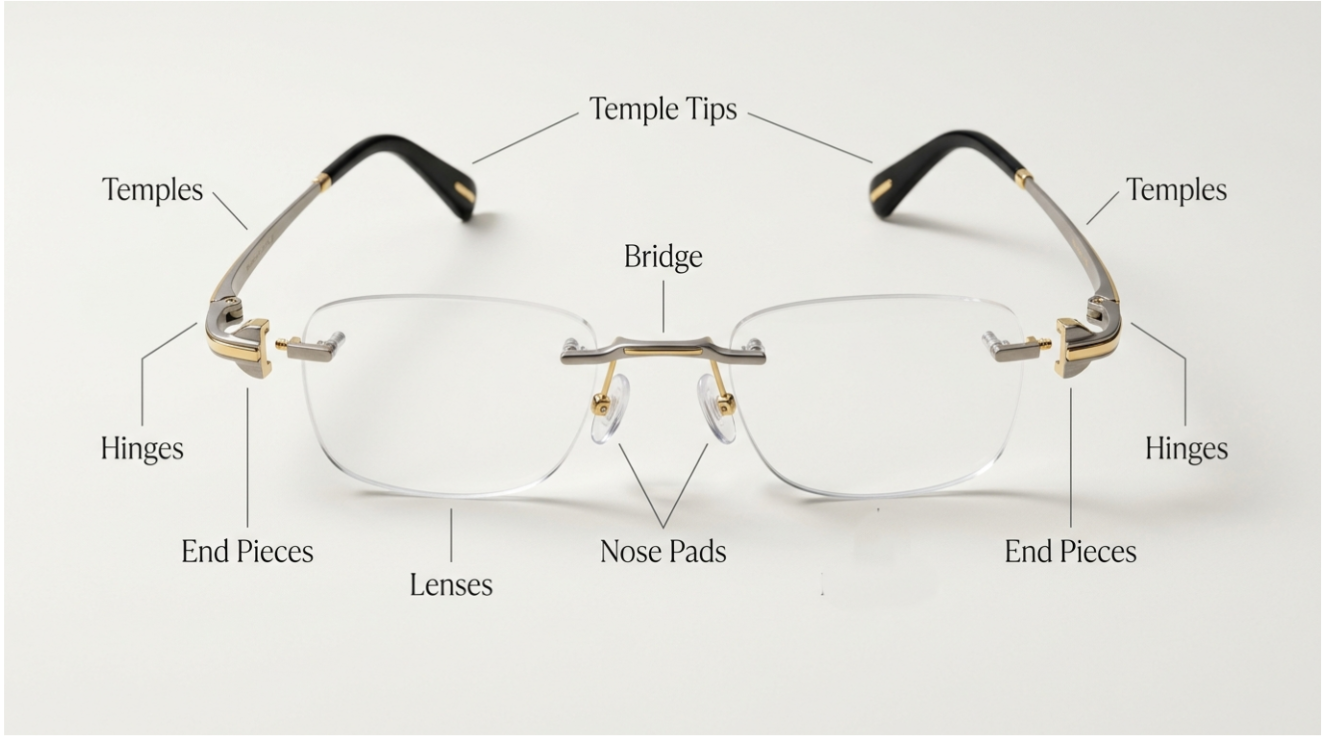
Parts of Glasses Explained: Frame, Bridge, Temple, Nose Pads and Lenses
What Are High Index Lenses and Who Needs Thinner Glasses?
Do Glasses Make Your Eyes Worse? What New Wearers Should Know