What Are Acetate Glasses and Why Are They Better?
Not all plastic frames are the same. That is the most important thing to know.
Acetate glasses are made from cellulose acetate — a plant-based material derived from wood pulp and cotton — rather than the petroleum-based injection-molded plastic used in cheaper frames. The difference shows in the color quality, the surface finish, and how the frame wears over time. At Bling Optical, frame quality starts with material selection. Understanding what acetate is helps you understand what you are actually buying when you invest in better eyewear.
|
Acetate Glasses — Quick Summary |
|
What it is — cellulose acetate: plant-based plastic from wood pulp and cotton |
|
Key difference — layered color that runs through the material vs surface-applied pattern |
|
Main advantages — color depth, surface quality, heat-adjustability, and generally hypoallergenic |
|
Main trade-off — heavier than some injected plastics and requires more care |
|
2026 evolution — bio-acetate now available with plant-based plasticizers and a lower carbon footprint |
|
Best for — daily all-day eyewear where color and fit precision matter |
What Are Acetate Glasses

Acetate glasses are frames made from cellulose acetate — a material that has been the premium standard for plastic eyewear since the mid-20th century. The term cellulose refers to the plant origin of the base material: wood pulp and cotton fibers are processed into cellulose, which is then combined with acetic acid to form the final acetate compound.
This is fundamentally different from how standard plastic frames are made. Injection-molded frames use molten petroleum-based polymer that is injected into a mold under pressure. The result is a homogeneous plastic with the color applied as a surface treatment or mixed uniformly through the material.
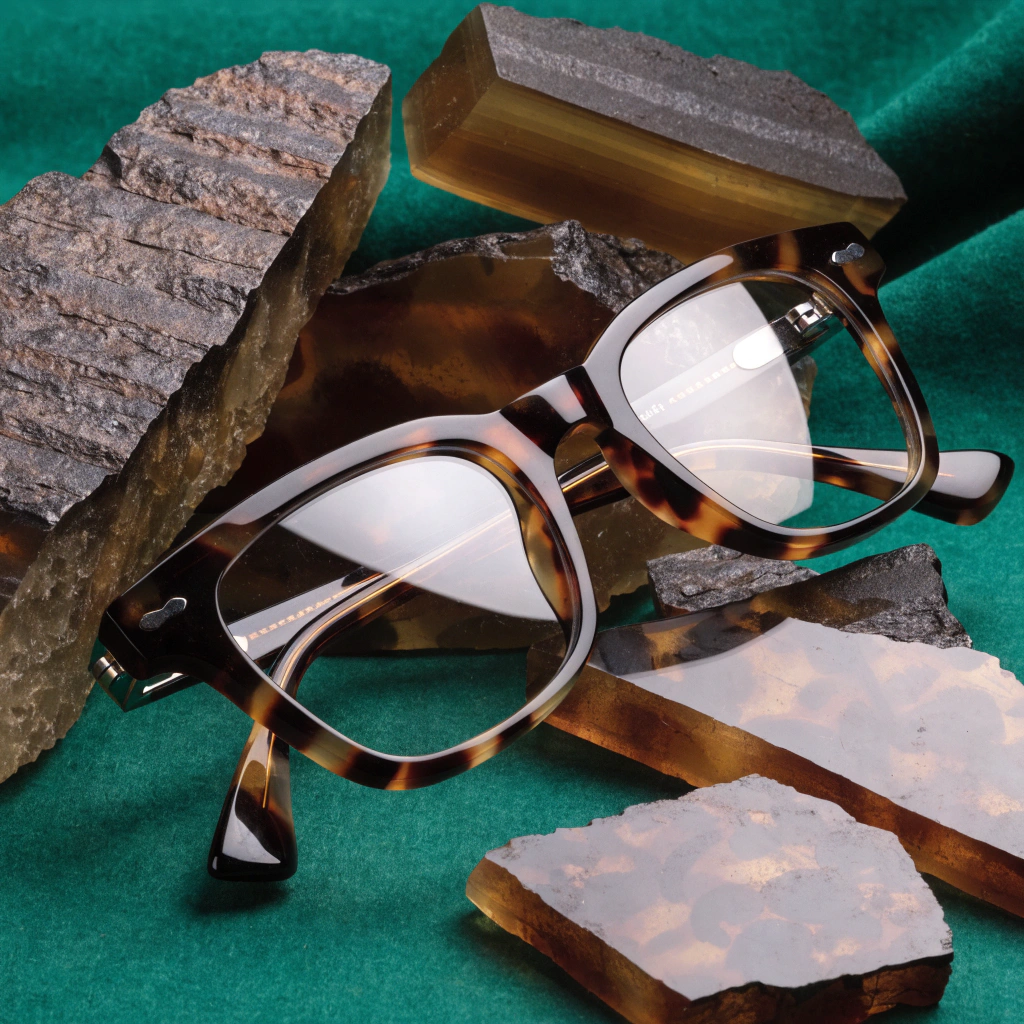
Acetate is produced differently. Different colored acetate sheets are layered together in a block and then sliced. The cut reveals the color pattern through the full depth of the material — not just at the surface. This is what creates the dimensional quality of tortoiseshell or layered color effects in acetate frames.
What Is Acetate — The Material Explained

Cellulose acetate is a thermoplastic — it softens under heat and can be reshaped. This is one of its practical advantages as an eyewear material. An optician can heat the frame temples with a hot air blower and bend them to fit the exact contour of a specific wearer's head and ears. Once cooled, the frame holds that shape.
The material is also polishable. A skilled finisher can hand-polish acetate to a high-gloss surface that a machine cannot replicate. This is why premium acetate frames have a depth and luminosity to their surface that cheaper frames lack, even when both are technically plastic.
The plant-based composition of cellulose acetate means it typically contains fewer petrochemical additives than standard plastic. This is relevant for wearers with skin sensitivity — acetate is generally considered a lower-irritation material than petroleum-based plastics. Not universally hypoallergenic — some wearers may react to specific dye compounds — but significantly less likely to cause problems than standard plastic at extended contact points like the nose pads and temples.
What Are Plastic Glasses — The Comparison

The term plastic glasses most commonly refers to injection-molded frames made from polymers like polycarbonate or nylon. These are produced in large volumes at lower cost by injecting molten polymer into molds.
Injection-molded frames have advantages. They can be produced very light. The manufacturing process is fast and scalable. For budget eyewear or fashion-forward frames where the wearer expects to replace them frequently, injection-molded plastic is practical.
The limitations become apparent at close range and over time. The color is uniform or surface-applied rather than running through the material. The surface cannot be hand-polished to the same standard. The frame cannot be heat-adjusted with the same precision — most injection-molded plastics require more aggressive heat to reshape and may not hold the new shape as reliably.
Acetate vs Plastic Glasses — What Is the Difference

The comparison is clearest in the table format.
|
Property |
Acetate (Cellulose Acetate) |
Standard Injection-Molded Plastic |
|
Source material |
Plant-based: wood pulp and cotton |
Petroleum-based polymer |
|
Color and pattern |
Deep-layered — pattern runs through the material |
Surface applied — pattern is a coating |
|
Color depth |
Rich dimensional — looks different at different angles |
Flat — consistent from any angle |
|
Surface quality |
High-gloss polishable by hand |
Standard machine finish |
|
Weight |
Moderate — denser than injected plastic |
Lighter — but feels less substantial |
|
Hypoallergenic |
Generally, yes — plant-based composition |
Often not — petroleum additives can cause sensitivity |
|
Adjustability |
Heat-adjustable — can be reshaped by an optician |
Limited — most injected plastic does not reshape well |
|
Durability over time |
Holds finish and shape well with care |
Can crack or warp more readily under stress |
|
Sustainability |
Plant-based — bio-acetate available |
Petroleum-based — less sustainable production |
The practical summary is that acetate costs more to produce because it requires more material, more precision, and more finishing work. The result justifies the investment for most daily eyewear wearers. For frames that will be worn 8 to 12 hours a day, the difference in comfort,t skin compatibility,y and visual quality is real.
Benefits of Acetate Eyeglasses

Hypoallergenic Properties
The plant-based cellulose composition of acetate contains fewer of the petrochemical additives that can cause skin reactions in sensitive wearers. At prolonged contact points — the nose bridge and the temples behind the ears — a material that is less likely to irritate is a practical benefit for all-day wear.
This is not a guarantee. Some wearers react to specific colorants used in acetate production. If you have known material sensitivities, discuss options with your optician before purchasing. Titanium remains the most reliably hypoallergenic frame material for wearers with significant contact sensitivities.
Color Depth and Surface Quality

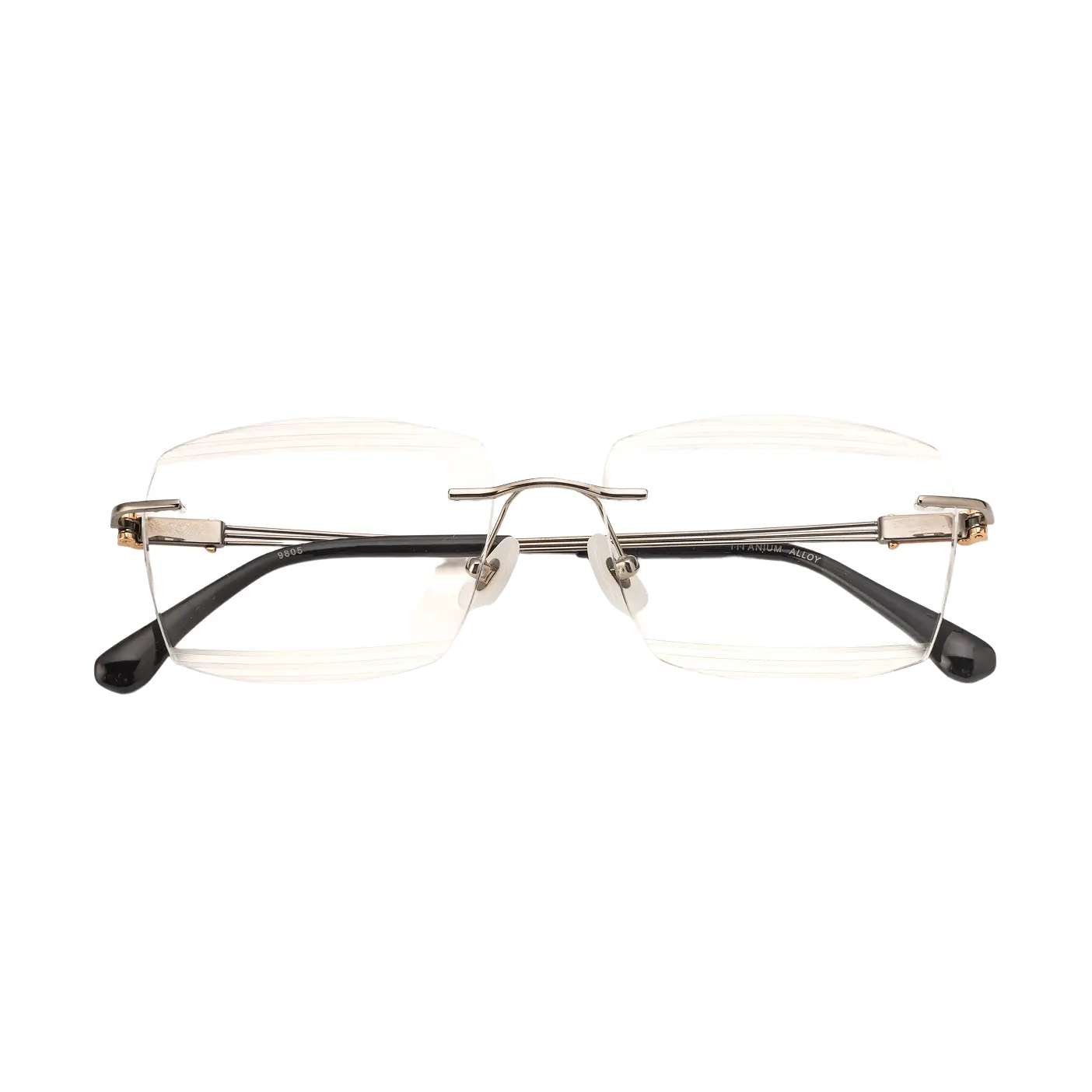
The layered manufacturing of acetate produces color that changes slightly with the angle of light — you see different depths of the pattern depending on how the frame catches the light. This is the quality that makes a tortoiseshell acetate frame look rich and dimensional, while a surface-printed plastic frame looks flat by comparison. The Silver Patterned Rimless Glasses demonstrate this — the houndstooth pattern in the frame material has depth and definition that a surface application cannot replicate.
Hand polishing is possible on acetate in a way that is not achievable on injected plastic. Quality acetate frames are polished through multiple grades of abrasive cloth to a surface that reflects light cleanly and evenly. This is one of the more significant visual differences between a budget frame and a quality acetate frame.
Heat Adjustability

Because acetate is a thermoplastic, an optician can heat the frame to working temperature and adjust the temple arms, the bridge, and the overall geometry to match a specific wearer's face. This is a significant advantage for prescription eyewear, where fit accuracy affects the optical center alignment of the lenses' optical centers.
For wearers who have asymmetric ear heights — which is very common — the ability to adjust one temple arm differently from the other means the glasses can be leveled precisely. This precision is harder to achieve with standard injected plastic, which has a narrower heat-working window.
Durability and Longevity

Well-maintained acetate frames hold their shape and surface quality for years. The material does not yellow over time, the way some early plastics. The color runs through the material rather than sitting on the surface,e which means minor scratches do not reveal a different color underneath.
The care requirements are straightforward. Avoid leaving acetate frames on a hot dashboard. Clean with lens-safe spray and microfiber rather than harsh solvents. Store in a hard case when not in use. These are the same care habits that protect any quality eyewear investment.
Flexibility and Range

The acetate block manufacturing process allows for a wider range of color combinations, patterns, and thicknesses than injection molding. Gradient colors that transition through the material — darker at the top, lighter at the bottom — are achievable in layered acetate. The same effect in injected plastic requires a spray or dip coating that sits only on the surface.
This flexibility is why acetate is the dominant material in premium fashion eyewear. The design possibilities are significantly broader than those offered by injected plastic.
What Is Acetate in Modern Eyewear — Bio-Acetate

The 2026 evolution of acetate eyewear is bio-acetate — a version of the material that uses plant-based plasticizers rather than the petroleum-based plasticizers in traditional cellulose acetate.
Traditional cellulose acetate still uses fossil-fuel-derived plasticizers to make the material workable. Bio-acetate replaces these with castor oil or other bio-derived alternatives. The visual quality is equivalent. The production footprint is significantly lower. The Nature-Inspired Rimless Glasses collection draws on this direction — frames where natural material inspiration and responsible production choices work together.
Bio-acetate frames can be industrially biodegradable under the right conditions — a significant advantage over petroleum-based plastics that persist essentially indefinitely. For buyers who consider material sustainability among their purchasing criteria, bio-acetate is the current best-practice option in the acetate category.
What Are the Best Acetate Glasses — Styles and Shapes

Acetate works across all major frame silhouettes. The choice of style should follow face shape and personal aesthetic rather than any limitation of the material.
Square and Rectangular Acetate Frames
Bold square and wide rectangular shapes are where acetate's visual weight works to maximum effect. A thick, dark tortoiseshell square frame carries genuine presence. The material has enough visual weight to anchor a strong geometric shape without looking cheap. For round or oval faces, the angular geometry of square acetate provides the contrast that those face shapes benefit from most.
Round and Oval Acetate Frames

Round and oval acetate frames are where the warmer pattern effects — honey tortoiseshell amber clear acetate — tend to land. These shapes soften angular face structure,s and the warmer color palette of acetate in these forms creates an approachable intellectual quality. Keyhole bridge designs in acetate carry a vintage weight that thin wire frames cannot achieve.
Cat Eye and Geometric Acetate Frames
Cat-eye and geometric shapes in acetate allow the color and pattern to take the lead in what is already a design-forward silhouette. Bold pattern effects — layered multicolor deep burgundy electric blue — read most clearly in larger statement shapes where the surface area allows the color depth to fully express itself.
How to Choose Acetate Glasses

The same face shape principles that apply to any frame apply to acetate. Angular shapes for rounder faces. Softer shapes for more angular faces. The material itself is not a face-shape consideration.
- Color and skin tone: Warm amber and tortoiseshell tones suit warm skin undertones. Cool translucent and blue-grey acetate tones suit cooler undertones. Clear crystal acetate is versatile across both. The depth of acetate color means the relationship between frame color and complexion is more nuanced than with flat plastic.
- Thickness and weight: Thicker acetate provides more visual presence and structural weight. Thinner acetate — in frames built with more refined proportions — reads as more refined, for all-day wear. Thick acetate is manageable but noticeably heavier than titanium.
- Surface finish: High-gloss polished acetate reflects light and reads as premium. Matte-finish acetate creates a more understated appearance. The gloss level affects how the pattern and color read — high gloss amplifies depth, matte softens it.
For women, the Rimless Glasses for Women collection offers precision-built designs that approach the lightweight and refined end of the spectrum — a useful comparison point when considering whether the weight of acetate or the minimal presence of rimless titanium better suits a daily wear context.
For me,n the Rimless Glasses for Men collection covers the structured angular direction that full-rim acetate provides, but in lightweight titanium builds.
FAQs
What do acetate glasses mean?
Acetate glasses are eyeglass frames made from cellulose acetate — a plant-based plastic derived from wood pulp and cotton. The term distinguishes these frames from cheaper injection-molded petroleum plastics. Acetate frames are known for their color depth, surface quality, and the ability to be heat-adjusted by an optician for a precise fit.
Is acetate material good for glasses?
Yes. Cellulose acetate is considered one of the premium materials for eyeglass frames. It produces deeper and more dimensional color than standard plastic. It can be hand-polished to a high-gloss finish. It is heat-adjustable for fit. And the plant-based composition means it is generally less likely to cause skin sensitivity than petroleum-based alternatives.
What are the disadvantages of acetate glasses?
Acetate is slightly heavier than some injected plastics. It requires more care than metal — it should not be left on a hot dashboard or exposed to harsh solvents. Quality acetate frames are priced at a premium compared to budget injection-molded options. And the heat-adjustable quality that makes fit easy also means the frame can distort if left in a very hot environment.
Which is better — acetate or plastic frame?
For color quality, durability, and adjustability, ty acetate is the stronger material. For the lowest possible weight at a budget price point, injected plastic has advantages. The choice depends on how long you plan to wear the frames daily and how much the color and surface quality matter to you. For daily all-day eyewear, RR acetate is typically the better long-term investment.
Is acetate worth it?
For most daily eyewear use, rs yes. The color depth, the surface finish,h and the ability to be adjusted by an optician for a precise fit all contribute to a more satisfying daily experience. Frames that look better longer and fit more precisely represent real value when measured against replacing cheaper frames more frequently.
Can you be allergic to acetate glasses?
Acetate allergy is rare because the plant-based cellulose composition contains fewer petrochemical additives than standard plastics. Some wearers may react to specific dye compounds in the acetate rather than the base material. If you have skin sensitivity concerns,s look for frames labeled hypoallergenic and consult your optician — titanium is the most consistently hypoallergenic alternative if acetate causes issues.
Which frame material is best for eyeglasses?
The answer depends on the wearer's priorities. Acetate is best for color richness, bold patterns, and a premium look with good durability. Titanium is best for minimum weight, hypoallergenic properties, and maximum longevity, especially in a rimless build. Both are significantly better than standard injection-molded plastic for daily all-day eyewear. For specific recommendations, consult your optician.

Looking for something else?

Best Frames for Thick Lenses (Men & Women Guide)
LEARN MORE
How to Fix Loose Glasses in 3 Simple Steps (At Home Fast)
LEARN MORE
Popular Glasses for Men 2026 Styles for Professionals
LEARN MORE
Eye Makeup with Glasses Tips for a Stunning Look
LEARN MORELooking for something else?

Who Invented Glasses and How They Changed the World
LEARN MORE
Diy Eyeglass Cleaner Guide for Crystal Clear Lenses
LEARN MORE
Best Glasses for Oblong Face Shapes
LEARN MOREYou may also like


Further reading
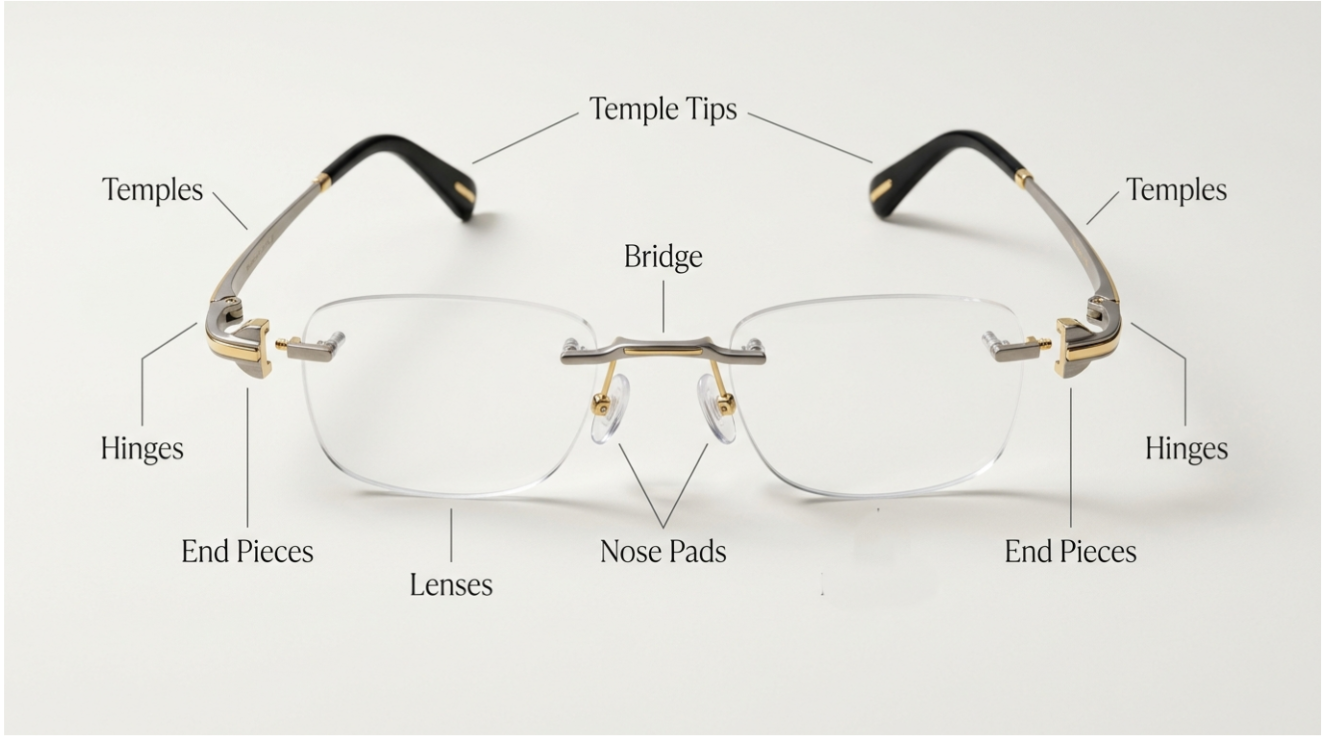
Parts of Glasses Explained: Frame, Bridge, Temple, Nose Pads and Lenses

What Are High Index Lenses and Who Needs Thinner Glasses?

Do Glasses Make Your Eyes Worse? What New Wearers Should Know