Turtle Frame Glasses That Never Go Out of Style
Some patterns have a timelessness that fashion cycles cannot touch. Tortoiseshell is one of them.
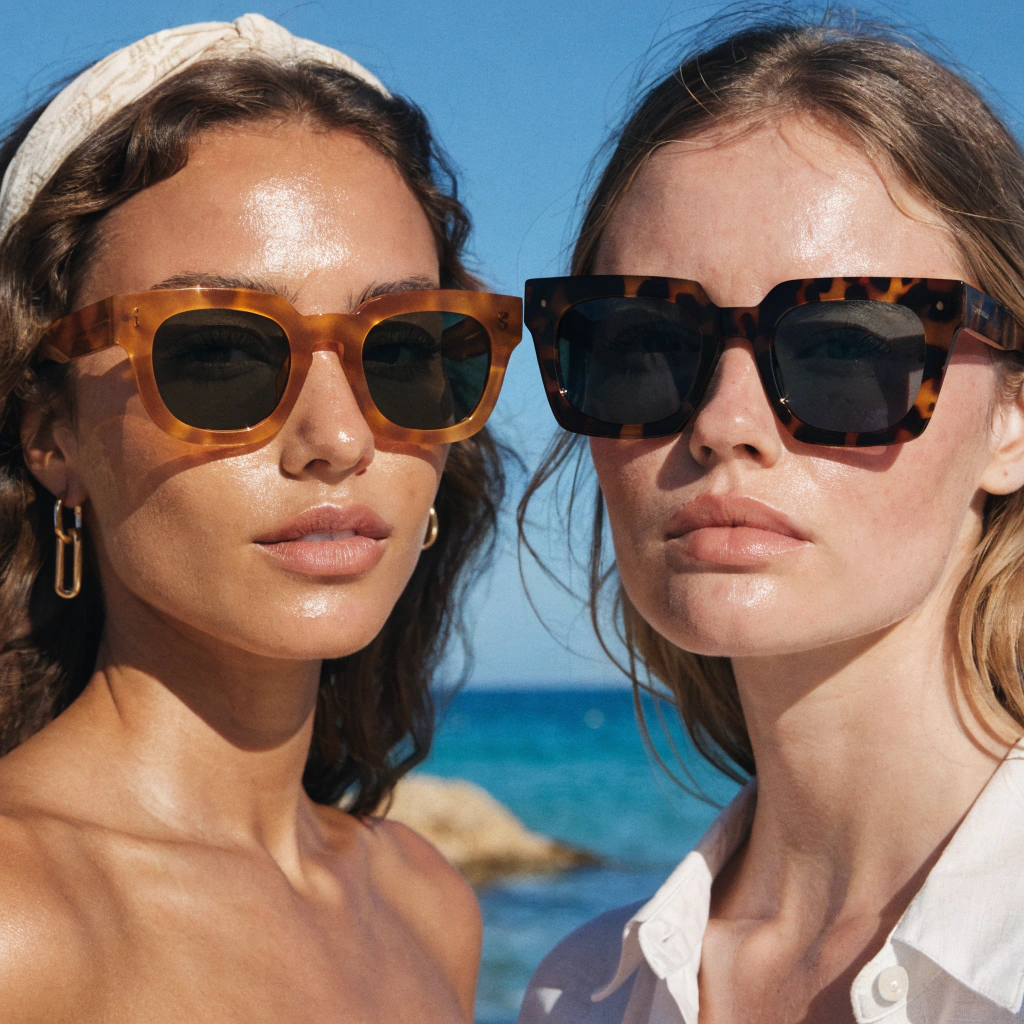
Turtle frame glasses — the widely used search term for tortoiseshell eyewear — have been a mainstream frame choice for over a century. The mottled amber brown and cream pattern that originally referenced sea turtle shell has outlasted dozens of eyewear trends because it does something no solid color can do: it adds warmth texture and visual depth simultaneously. At Bling Optical frames are built with the understanding that a considered material choice is part of the design. The tortoiseshell aesthetic connects directly to that philosophy.
|
Turtle Frame Glasses — Quick Facts |
|
What they are — frames with a mottled amber brown cream pattern referencing turtle shell |
|
Material — 100% cellulose acetate — no animal material since 1973 CITES ban |
|
Why timeless — warm tones complement almost every skin tone and hair color |
|
Face shapes — versatile across all face types — frame shape matters most |
|
Lens pairing — warm tints brown amber rose complement the pattern naturally |
|
2026 status — consistently in the market top sellers across every major retailer |
What Are Turtle Frame Glasses

Turtle frame glasses is the colloquial search term for tortoiseshell glasses — frames that feature the distinctive mottled pattern of warm amber mid-brown and cream tones that originally came from the shell of the hawksbill sea turtle.
Turtle glasses turtle shell glasses and turtle shell spectacles all describe the same frame category. The visual characteristic in every case is the same: an organic irregular pattern of warm earth tones that gives the acetate a depth and movement that solid colors cannot replicate.
Modern turtle print glasses use no animal material of any kind. The pattern is produced through a layered acetate manufacturing process where sheets of different colored acetate are bonded together and then sliced to reveal the pattern at the cut surface. The result replicates the original appearance with plant-based materials.
The History of Tortoiseshell Glasses

Tortoiseshell as a decorative material has been used since antiquity. The warm amber and brown shell of the hawksbill sea turtle was prized by craftspeople in Rome Egypt and China for combs ornaments and decorative inlays.
Its application to eyewear became significant in the late 19th century when the demand for eyeglasses expanded significantly due to mass literacy and improved manufacturing. Tortoiseshell frames signaled quality and refinement — the material was expensive to work with and the resulting frames had a warmth and organic quality that early metal frames lacked.
By the mid-20th century acetate manufacturing had progressed to the point where the tortoiseshell pattern could be reproduced convincingly in synthetic materials. The 1950s and 1960s saw the pattern become widely available for the first time — no longer exclusive to expensive genuine shell.
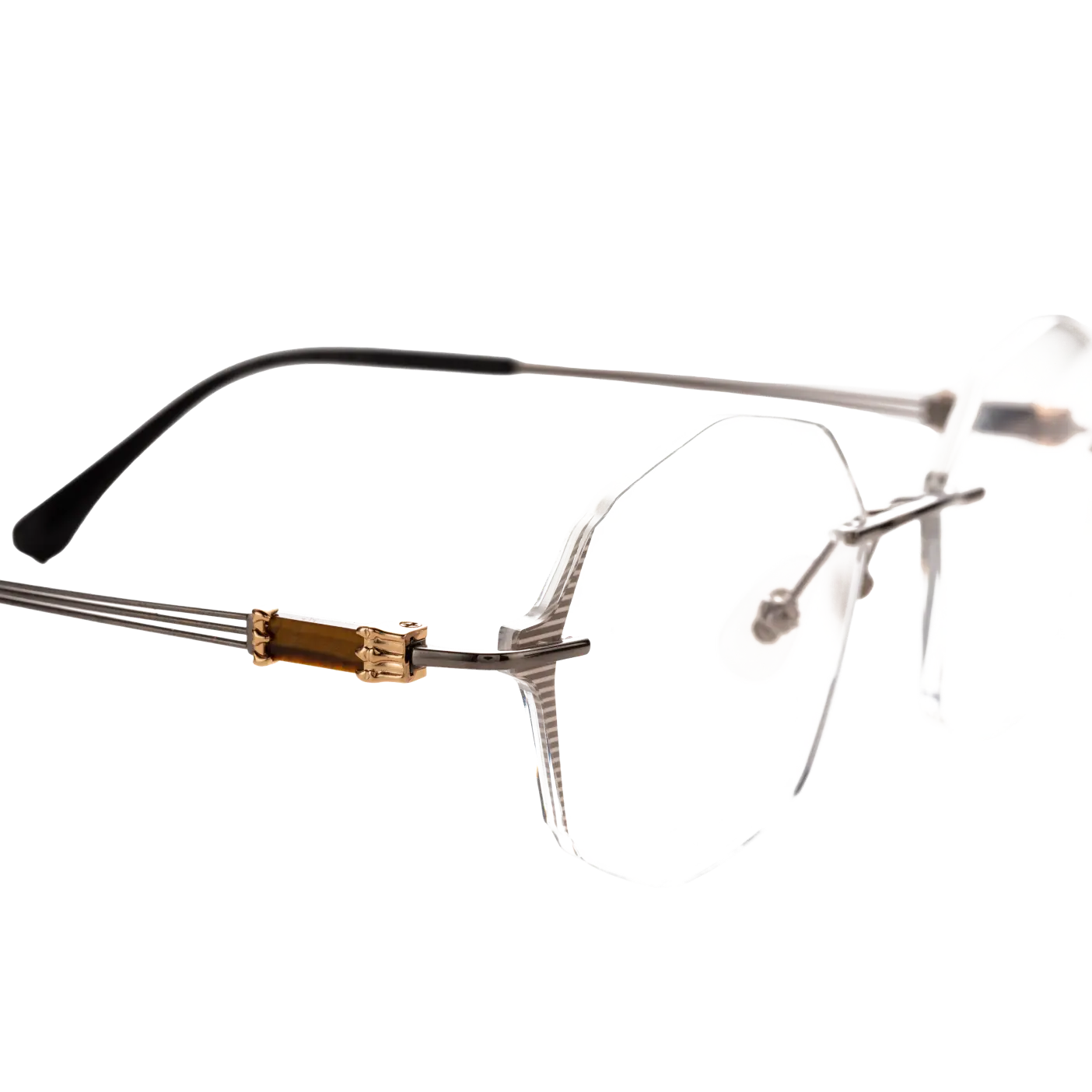
In 1973 the hawksbill sea turtle was listed under CITES — the Convention on International Trade in Endangered Species — and the commercial trade in real tortoiseshell was effectively banned internationally. This accelerated the transition to acetate alternatives which were already dominant in the market. The Nature-Inspired Rimless Glasses collection continues the tradition of drawing inspiration from natural material aesthetics while using contemporary responsible materials.
Why Tortoiseshell Glasses Are So Popular

The tortoiseshell pattern has survived a century of eyewear trend cycles for a specific reason. The warm amber and brown tones of the pattern complement an unusually wide range of skin tones and hair colors.
Warm-toned skin — olive golden beige — reflects the amber undertones in the pattern. Cool-toned skin — pale pink blue-veined — gets warmth from the frame that can be genuinely flattering. Blonde hair and red hair share warm golden tones with the pattern. Dark hair creates a contrast that reads as classic. Silver and grey hair alongside warm tortoiseshell creates one of the most consistently elegant combinations in eyewear.
The mottled organic pattern also has a visual quality that solid colors lack. The irregular flecks of light and dark across the surface of a tortoiseshell frame add depth that makes the frame look more considered than a uniform material. It reads as natural rather than manufactured even when the material is entirely synthetic.
Turtle print glasses sit comfortably in both casual and formal contexts. They are not as severe as black. Not as obviously fashion-forward as a bold color. They land in the zone of assured style that does not require explanation or commitment to a specific aesthetic direction.
Materials Used in Modern Turtle Shell Glasses

Every commercial tortoiseshell frame sold today uses cellulose acetate — a plant-based material derived from wood pulp and cotton. Real tortoiseshell from sea turtles has been commercially unavailable for over 50 years.
- Cellulose acetate: The standard premium material for tortoiseshell frames. The layered manufacturing process allows precise control over the amber brown and cream ratios that create the pattern. High-quality acetate has significant color depth and a surface quality that lower-grade plastics cannot replicate.
- Bio-acetate: An evolution of the traditional material using plant-based plasticizers rather than petroleum-based ones. The tortoiseshell pattern is available in bio-acetate which meets the 2026 expectation for more sustainable frame materials at the quality end of the market.
- Injection-molded plastic: Lower-cost tortoiseshell frames use injection-molded plastic with a surface pattern applied rather than the layered-through pattern of true acetate. The visual difference is visible at close range — the pattern does not extend through the material and the frame looks less organic.
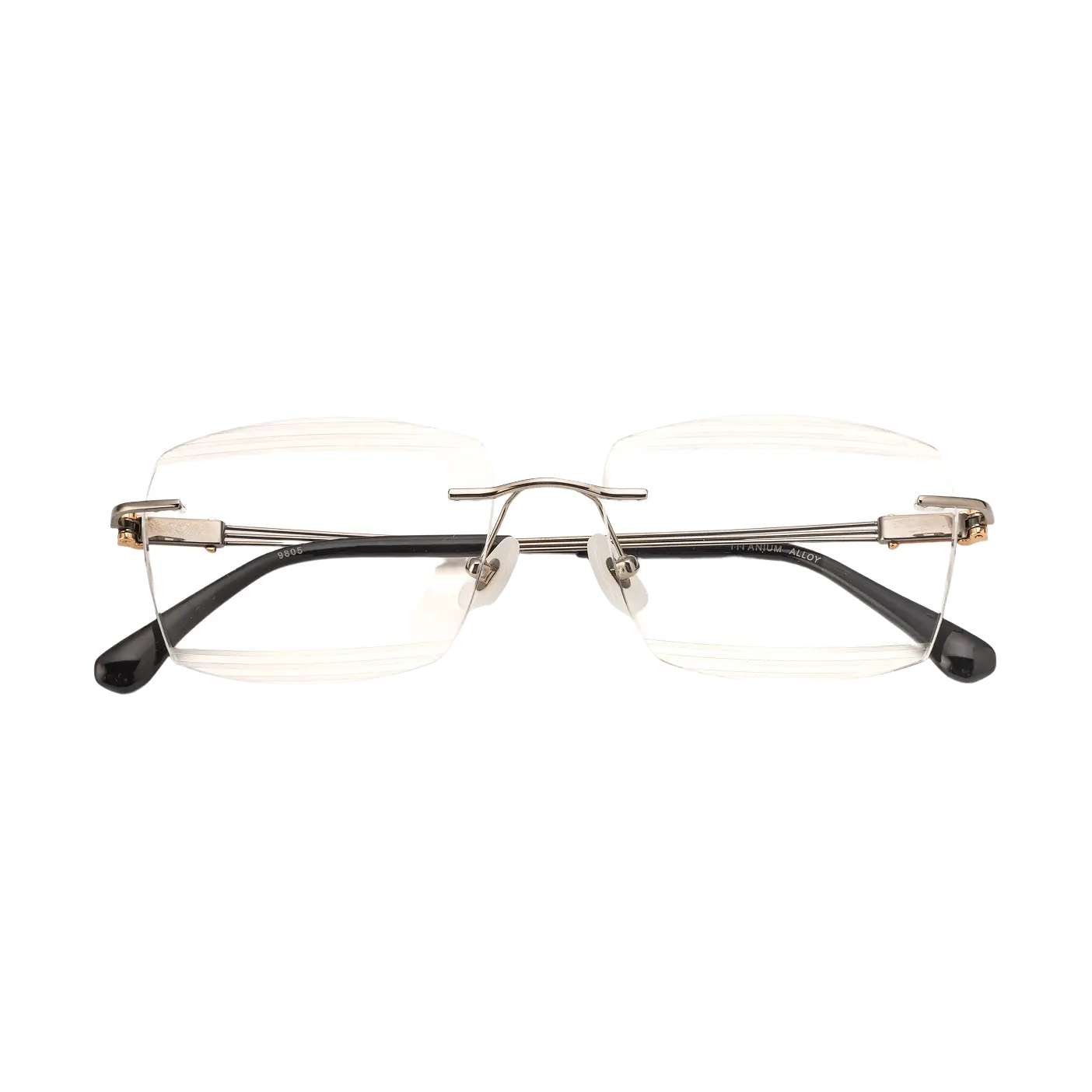
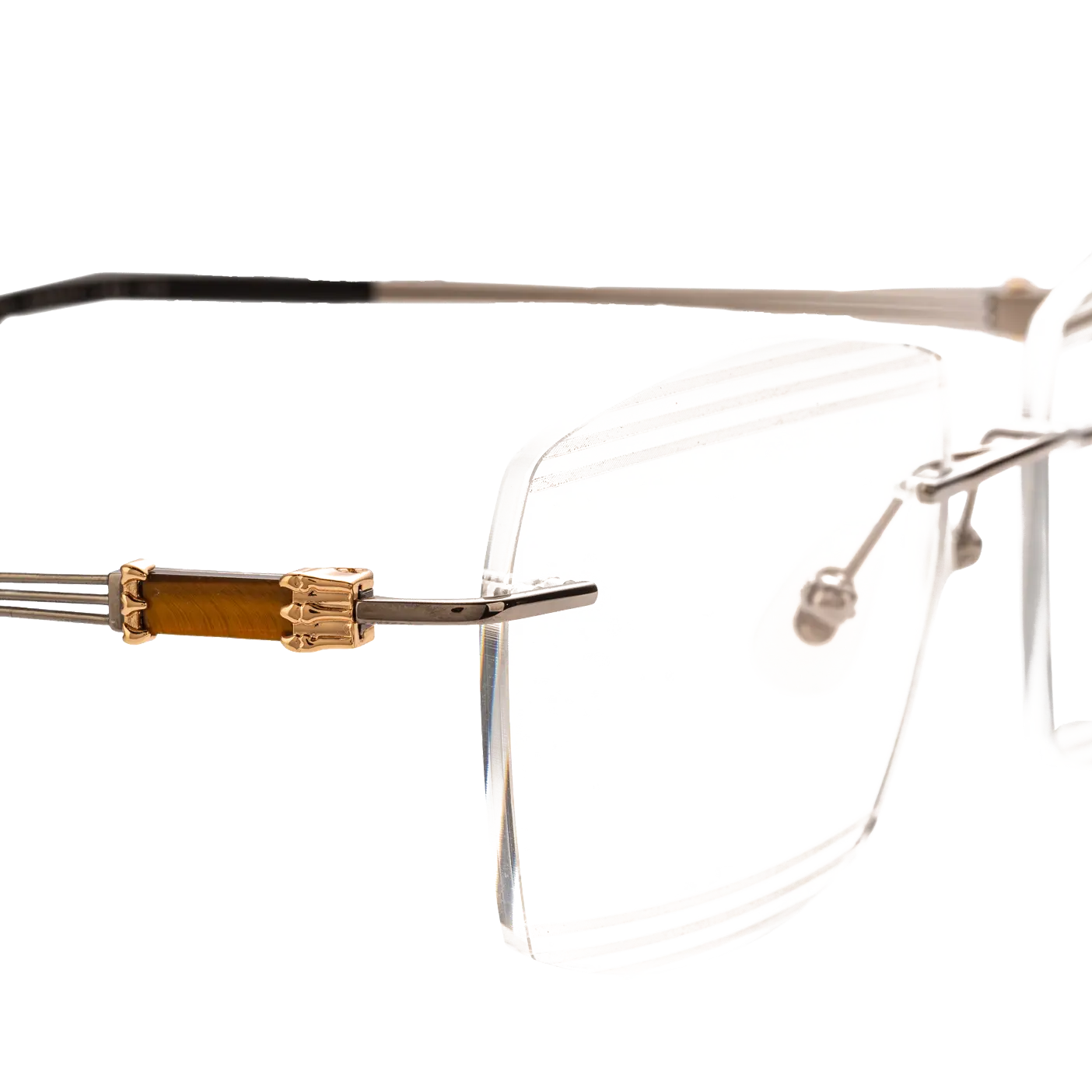
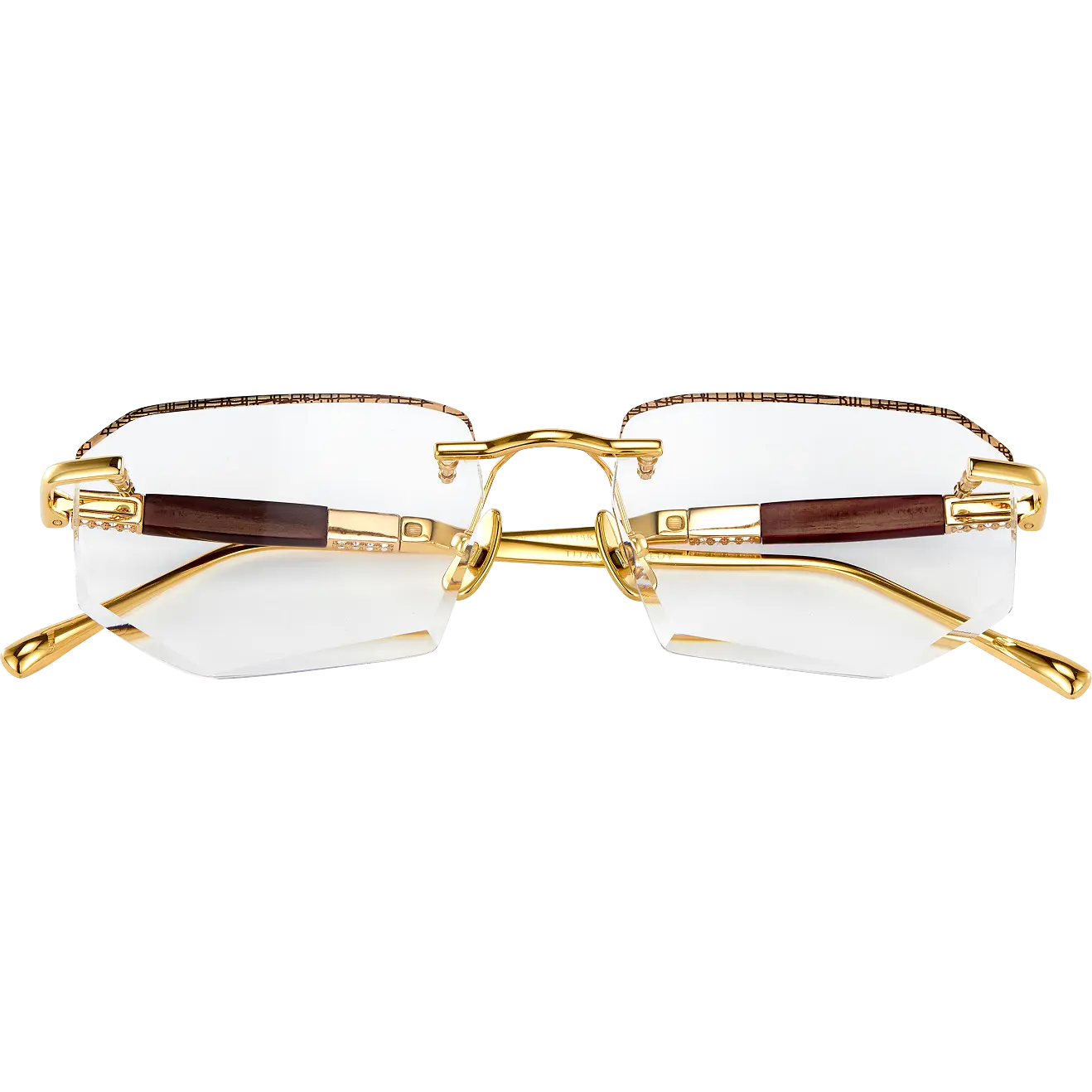
The Gold Wood Rimless Glasses demonstrates the approach of using genuine natural-texture material — wood inlay paired with gold hardware — in a frame that connects to the organic warmth of the tortoiseshell tradition from a different material direction.
Best Frame Styles in Tortoiseshell

Square and Rectangular Frames
Dark tortoiseshell in a square or wide rectangular frame is the classic power combination. The angular geometry provides facial definition. The warm pattern adds depth and warmth rather than the stark contrast of solid black. For a round or oval face this combination is particularly effective. The Rimless Rectangle Glasses collection covers rectangular proportions in precision builds that pair with tortoiseshell lens tints or warm-toned frames naturally.
In the professional context dark tortoiseshell rectangles have been the standard for decades. They read as structured and assured without the heaviness that solid black can sometimes carry.
Round and Vintage Frames
Lighter honey amber tortoiseshell in a round or keyhole-bridge vintage silhouette is the classic intellectual aesthetic. The combination reads as warm knowledgeable and slightly literary — an association built over generations of academic eyewear. The Round Rimless Glasses brings the round lens shape into a rimless build — the circle is present without the heavy frame material that traditional round tortoiseshell frames carry.
Honey and amber tortoiseshell in round frames works particularly well alongside warm skin tones and warm hair colors where the frame becomes part of a cohesive warm palette rather than sitting in contrast to it.
Cat Eye and Oversized Frames

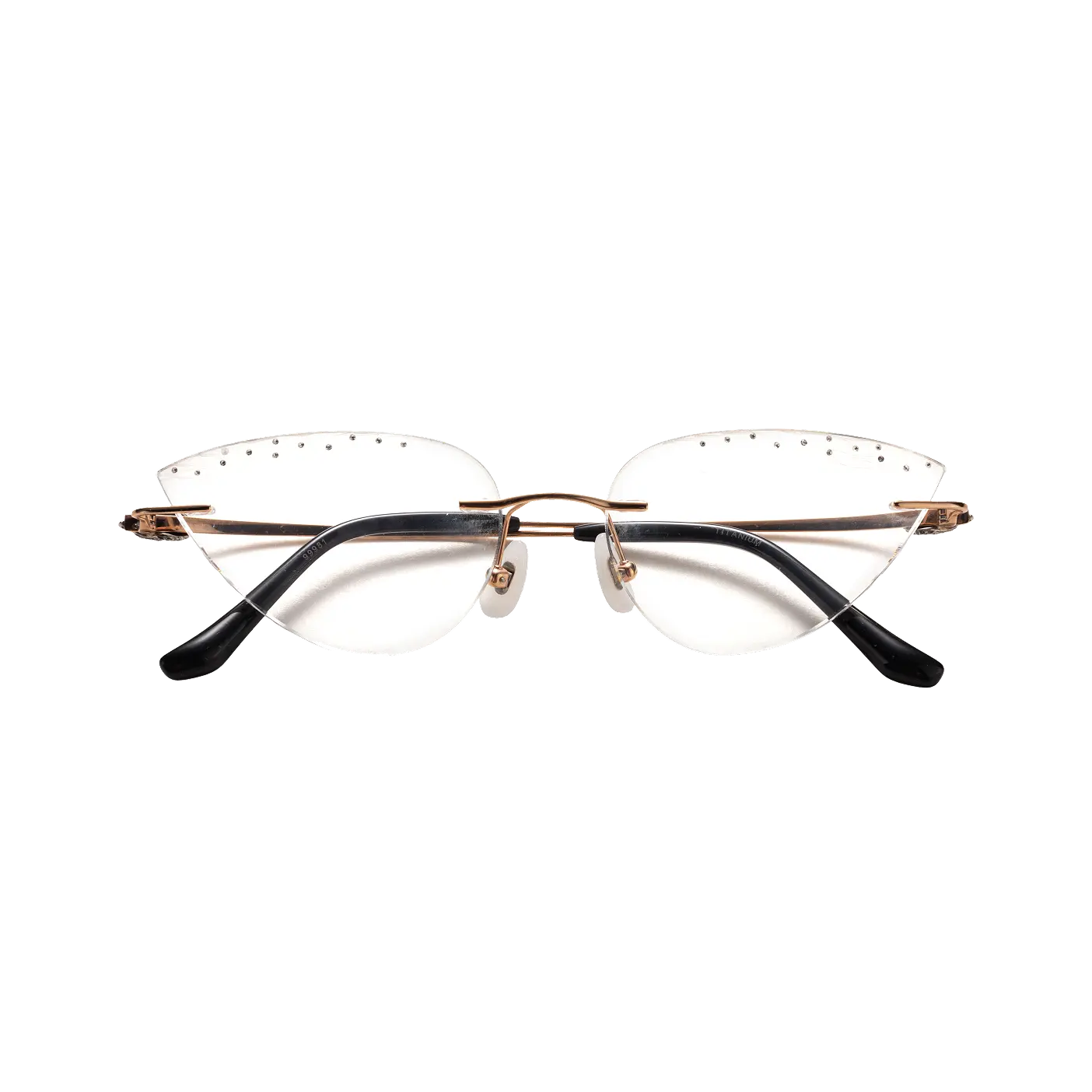
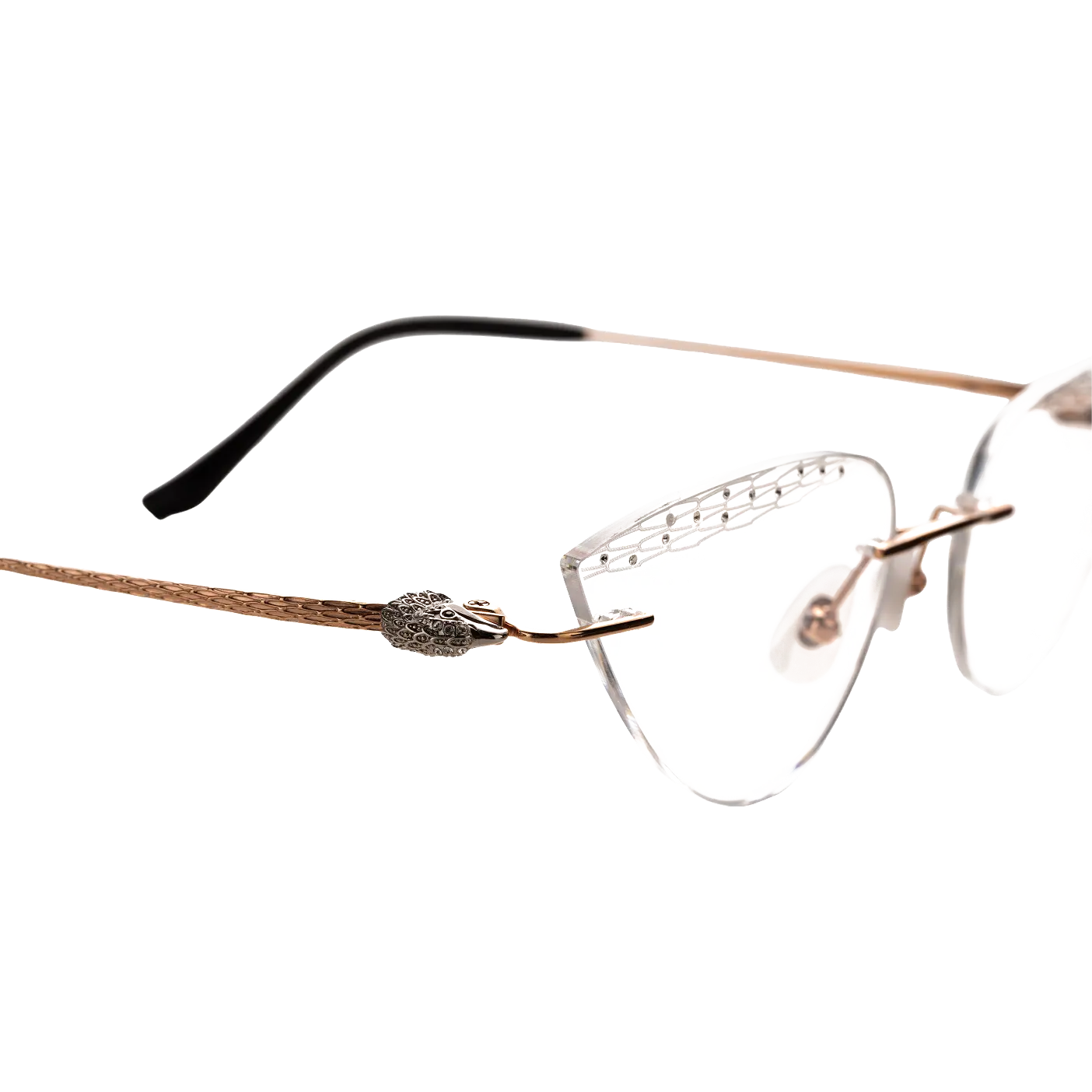
Tortoiseshell in an oversized or cat-eye shape is the fashion-forward direction. The large proportion adds presence. The tortoiseshell pattern keeps it warm and organic rather than harsh. The Gold Cat-Eye Rimless Glasses delivers the upswept cat-eye quality in a rimless construction with gold hardware — the warm metal tone connects directly to the amber quality of traditional tortoiseshell.
Oversized tortoiseshell has been a consistent presence in high-fashion eyewear since the 1960s. The association between oversized warm-toned frames and a confident glamorous aesthetic has never fully dissolved from the cultural conversation around eyewear style.
How to Choose the Right Tortoiseshell Glasses

Within the tortoiseshell family there are meaningful differences between varieties — and those differences affect which will work best for a specific person.
|
Face Shape |
Tortoiseshell Style Recommendation |
Why It Works |
|
Round |
Angular rectangle or square in dark tortoiseshell |
Strong horizontal contrast adds definition to soft features |
|
Square |
Oval or round in lighter honey tortoiseshell |
Soft pattern and curves balance angular jawline |
|
Oval |
Most styles work — try oversized or cat-eye |
Natural balance allows pattern focus without proportion worry |
|
Heart |
Lighter amber tortoiseshell in panto or oval |
Warm tone balances wide forehead without adding weight at top |
|
Oblong |
Wide square or oversized in medium tortoiseshell |
Horizontal width breaks vertical facial length |
Warm vs Dark Tortoiseshell

Honey and amber tortoiseshell has more warm yellow-orange tone in the pattern. It works particularly well alongside golden blonde silver and warm medium-brown hair. Against fair or warm skin tones it creates harmony. Against cool or very pale skin it can add warmth that is either welcome or too much depending on preference.
Dark tortoiseshell has more brown-black in the pattern with the amber appearing as accent rather than dominant tone. It works across a wider range of skin tones and creates stronger contrast than honey tortoiseshell. For professional contexts dark tortoiseshell reads as more structured and authoritative.
Skin Tone and Color Pairing Advice

- Warm skin tones: Both honey and dark tortoiseshell work well. The warm tones in the pattern reflect and complement the golden or olive undertones in warm skin. Honey tortoiseshell creates harmony. Dark tortoiseshell creates pleasant contrast.
- Cool skin tones: Dark tortoiseshell works better than honey for cooler complexions. The amber in honey tortoiseshell can clash with pink or blue undertones in pale skin. Dark tortoiseshell with more brown-black provides contrast without the orange cast.
- Neutral skin tones: Both work well. The choice comes down to the style direction — honey for warmth and softness dark for authority and structure.
Styling Tips for Turtle Frame Glasses

Tortoiseshell frames work with almost any wardrobe palette because the pattern is complex enough to take references from multiple colors. A few specific approaches amplify the effect.
- Earth tone wardrobe: Camel sand olive rust and warm brown clothing reflects the tones in the frame creating a cohesive editorial quality. The frame does not compete with the clothes it connects to them.
- Navy and white: Tortoiseshell against navy or white reads as classic and considered. The contrast between the warm frame and the cool or clean background is one of the most consistent combinations in preppy and professional styling.
- Monochrome black: Dark tortoiseshell against an all-black outfit adds warmth and visual interest to a look that might otherwise be severe. The pattern reads as the single point of color in the look.
- Bold colors: Against bright clothing tortoiseshell acts as a neutral anchor. The warm tones prevent the frame from competing with the outfit color while still providing visual presence.
The Gold Striped Rimless Glasses shows how patterned frame detail — in this case striped gold hardware — creates the same visual depth and texture effect that tortoiseshell achieves through color. Both approaches use pattern to add visual complexity to the frame.
Conclusion — Timeless Style with Modern Appeal

Tortoiseshell glasses have been in the mainstream for over a century. They have survived every trend cycle because the underlying qualities that make them appealing — warm tones organic texture versatility across contexts — are not trend-dependent.
In 2026 the material story has also improved. Bio-acetate tortoiseshell frames deliver the same visual quality with a more sustainable production profile. The pattern that once required harvesting an endangered species now comes from plant-based materials. That is a significant improvement that the aesthetic has not had to make any concessions for.
If you are building a frame wardrobe a tortoiseshell option belongs in it. Not because it is fashionable — it has been fashionable for a hundred years — but because it is genuinely useful. It works with almost everything and it ages well.
Explore frames with the warmth and craftsmanship that tortoiseshell has always represented in the Luxury Glasses Frames collection.
Frequently Asked Questions
What are turtle frame glasses?
Turtle frame glasses is a common search term for tortoiseshell glasses — frames with the mottled amber brown and cream pattern originally inspired by the shell of sea turtles. Today all commercial tortoiseshell frames use acetate or cellulose acetate rather than any animal material. The pattern is produced through layered acetate manufacturing that replicates the original shell appearance.
What are tortoiseshell glasses made of?
Modern tortoiseshell glasses are made from cellulose acetate — a plant-based plastic derived from wood pulp and cotton. The tortoiseshell pattern is created by layering different colored acetate during the manufacturing process. No real turtle or tortoise shell has been used in commercial eyewear since the material was banned internationally in 1973 under CITES regulations.
Why is it called tortoiseshell glasses?
The pattern is named after the shell of the hawksbill sea turtle which features a naturally occurring mottled pattern of amber brown cream and black. The original eyewear frames from the late 19th and early 20th centuries were made directly from real hawksbill shell before conservation laws banned the practice. The name persisted after the material transitioned to acetate.
Why are tortoiseshell glasses so popular?
The pattern has remained consistently popular for over a century because the warm amber and brown tones complement a wide range of skin tones and hair colors. The mottled organic quality of the pattern also gives the frame visual texture and depth that solid colors lack. Tortoiseshell reads as both warm and sophisticated — a combination that works across casual and formal contexts.
What color lenses go best with tortoise frames?
Warm lens tints — brown amber rose and gradient olive — complement the warm undertones of tortoiseshell frames naturally. For prescription lenses with anti-reflective coating clear lenses in tortoiseshell frames create a classic look. Dark solid lenses can create stark contrast with the patterned frame which some wearers find effective as a style choice.
When was real tortoiseshell banned?
The trade in real hawksbill sea turtle shell was banned internationally in 1973 when hawksbill turtles were listed under CITES — the Convention on International Trade in Endangered Species. This effectively ended the commercial use of real tortoiseshell in eyewear. All tortoiseshell glasses sold today use acetate materials that replicate the pattern without any animal material.

Looking for something else?

Best Frames for Thick Lenses (Men & Women Guide)
LEARN MORE
How to Fix Loose Glasses in 3 Simple Steps (At Home Fast)
LEARN MORE
Popular Glasses for Men 2026 Styles for Professionals
LEARN MORE
Eye Makeup with Glasses Tips for a Stunning Look
LEARN MORELooking for something else?

Who Invented Glasses and How They Changed the World
LEARN MORE
Diy Eyeglass Cleaner Guide for Crystal Clear Lenses
LEARN MORE
Best Glasses for Oblong Face Shapes
LEARN MOREYou may also like


Further reading
Parts of Glasses Explained: Frame, Bridge, Temple, Nose Pads and Lenses

What Are High Index Lenses and Who Needs Thinner Glasses?

Do Glasses Make Your Eyes Worse? What New Wearers Should Know