Progressive Lenses Explained: Fit, Measurements and Our Approach
Progressive lenses can be a convenient option for people who need help seeing at more than one distance. They are also highly sensitive to how the lenses are positioned in the chosen frame. This guide explains how they work, why precise fitting measurements matter, and why Bling Optical does not currently sell progressive, bifocal, or other multifocal lenses.
What are progressive lenses?
Progressive lenses are multifocal lenses with a gradual change in prescription from the distance zone at the top, through an intermediate corridor, to the near-reading zone at the bottom. Unlike traditional bifocals, they do not have a visible dividing line.
The exact size and position of each viewing zone depend on the prescription, lens design, selected frame, and how that frame sits on the wearer. A design that works well for one person or one frame may not perform the same way in another.
Why frame-specific measurements matter
A progressive fitting normally considers more than the prescription alone. Important measurements and fitting factors can include:
- Monocular pupillary distance (PD): the horizontal position of each pupil.
- Fitting or pupil height (PH): the vertical position of each pupil in the selected frame while the customer is wearing it.
- Position of wear: how the frame sits on the face, including vertex distance, pantoscopic tilt, and frame wrap when relevant.
- Frame geometry: the available lens depth and the usable space for distance, intermediate, and reading zones.
- Prescription and daily needs: including the addition power and the wearer’s most important viewing distances.
Small fitting differences can shift the viewing corridor and affect visual comfort. For that reason, the selected frame should be adjusted to the wearer before the final frame-specific measurements are taken whenever an in-person fitting is used.
Why Bling Optical does not offer multifocal lenses at this time
At Bling Optical, we do not currently offer progressive, bifocal, or other multifocal lenses. This is a deliberate quality decision.
We believe pupillary distance and fitting height should be measured for the specific frame while that frame is physically worn and properly positioned on the customer. Until we can provide a remote process that meets our accuracy and service standards, we prefer not to offer an online multifocal option that could compromise fit, comfort, or visual performance.
We are actively following advances in measurement and fitting technology that may improve remote accuracy. Our goal is to offer multifocal options in the future when we can do so with the confidence and care our customers expect.
What Bling Optical currently supports
Our current lens options are intentionally focused: single-vision Distance, single-vision Reading, dedicated Computer prescriptions, compatible single-vision prescription sunglasses, and non-prescription eyewear. Availability depends on the selected frame and prescription.
You can review our currently supported choices in Lens Artistry. LensAdvisor will show the compatible prescription options available for an eligible frame.
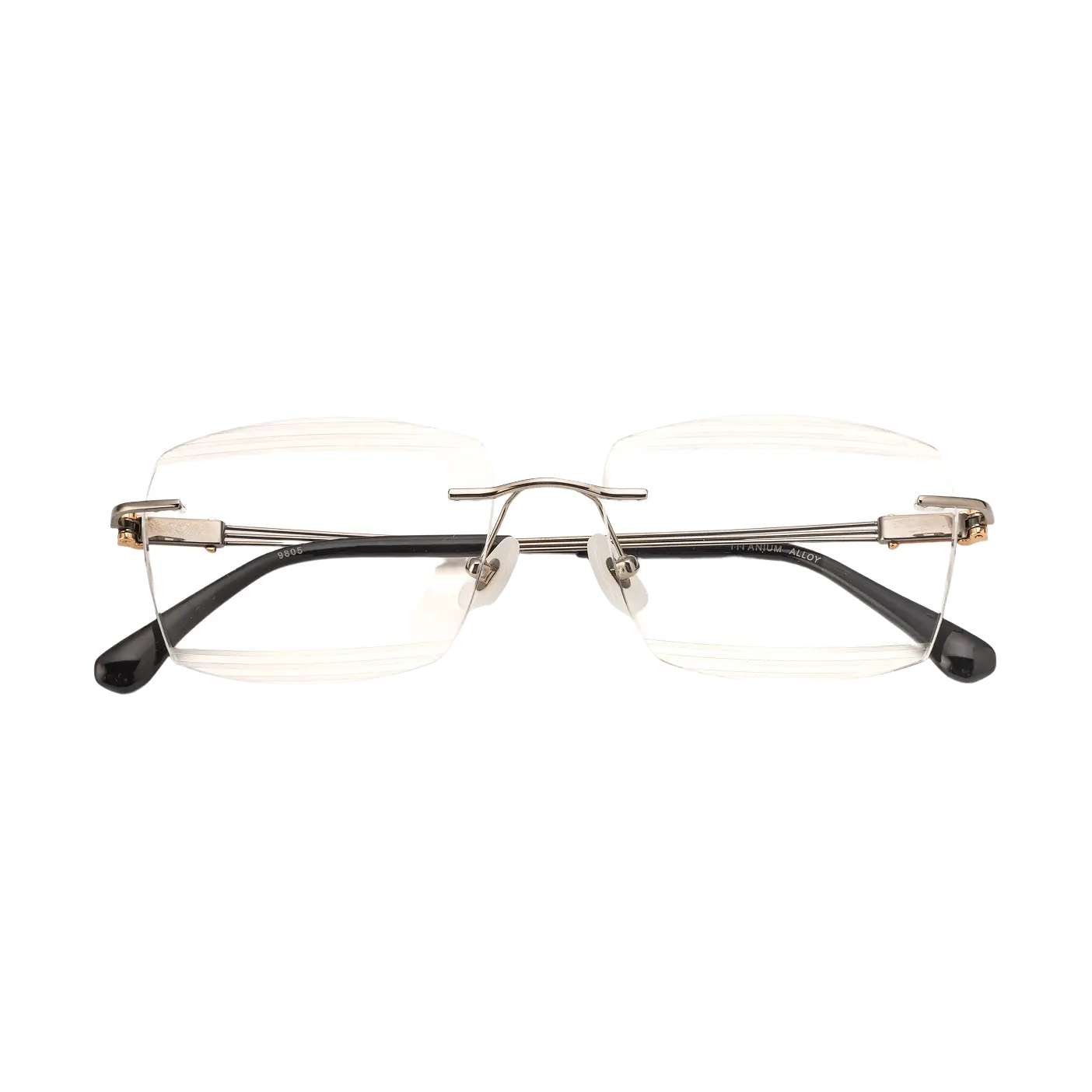
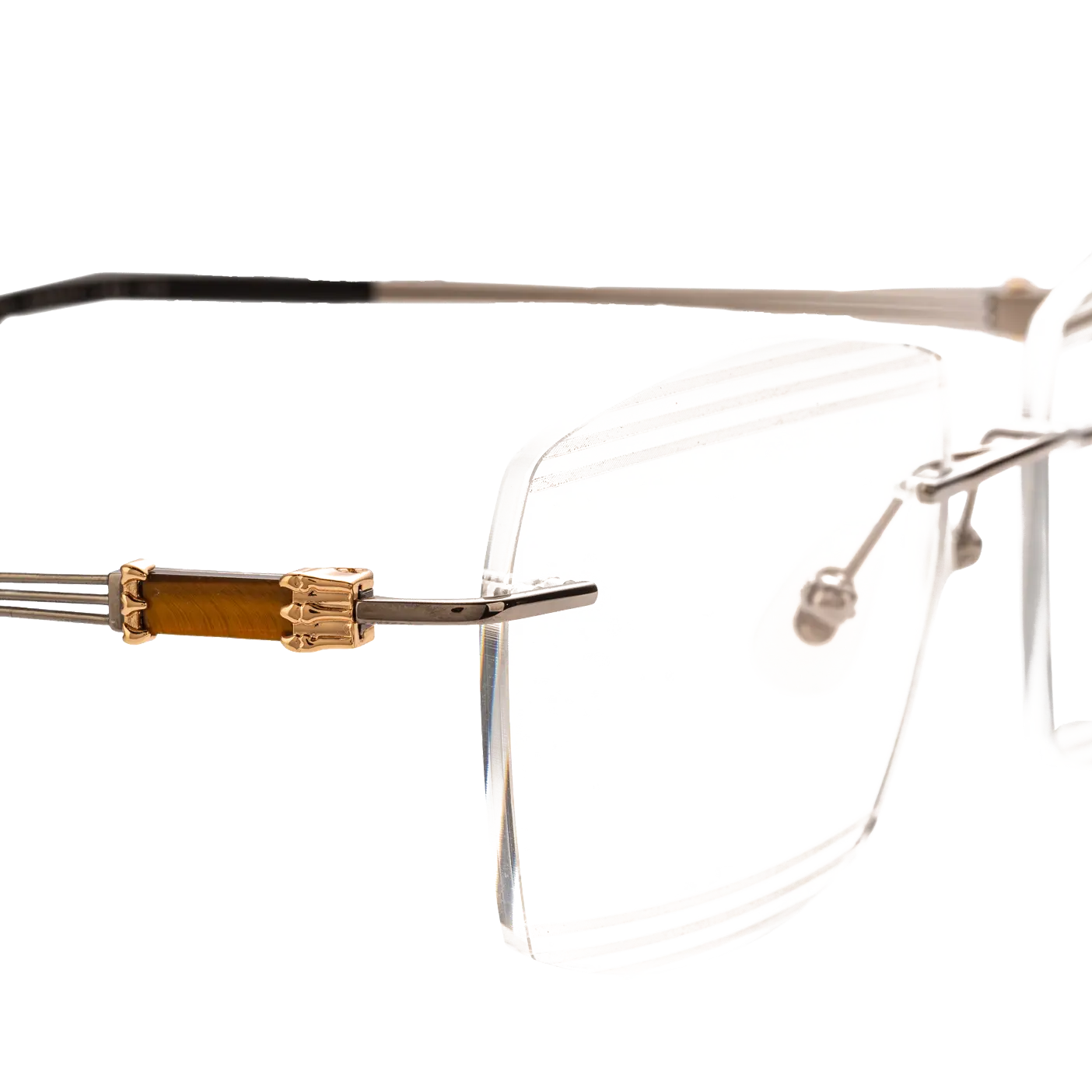
If you are choosing a frame for one of our currently supported single-vision options, explore rimless prescription frames designed for everyday wear.
Questions to ask when buying progressive lenses elsewhere
- Will monocular PD and fitting height be measured for the exact frame I selected?
- Will the frame be adjusted before those measurements are taken?
- Which position-of-wear measurements are included?
- What adaptation, remake, and follow-up support is provided?
- Is the proposed lens design appropriate for my prescription and daily tasks?
This article is educational and does not replace an eye examination or individualized advice from a licensed eye-care professional.

Looking for something else?

Best Frames for Thick Lenses (Men & Women Guide)
LEARN MORE
How to Fix Loose Glasses in 3 Simple Steps (At Home Fast)
LEARN MORE
Popular Glasses for Men 2026 Styles for Professionals
LEARN MORE
Eye Makeup with Glasses Tips for a Stunning Look
LEARN MORELooking for something else?

Who Invented Glasses and How They Changed the World
LEARN MORE
Diy Eyeglass Cleaner Guide for Crystal Clear Lenses
LEARN MORE
Best Glasses for Oblong Face Shapes
LEARN MOREYou may also like




Further reading
Parts of Glasses Explained: Frame, Bridge, Temple, Nose Pads and Lenses
What Are High Index Lenses and Who Needs Thinner Glasses?

Do Glasses Make Your Eyes Worse? What New Wearers Should Know