



Polarized vs Non-Polarized Sunglasses: Which Is Better for Driving?
Most days behind the wheel, polarized sunglasses are the pair you want. They cut harsh glare from roads, hoods, windshields, and wet pavement. That is why many drivers ask, are polarized sunglasses better for driving? For bright daytime roads, the answer is usually yes.
Night driving is different. Polarized lenses do not make a dark road easier to see, and some screens may look strange through them. The real question is not just which lens is “better.” It is which sunglasses for driving work best for the road, light, and time of day
Picture the on-ramp on a clear morning. Sun hits the hood and the whole road goes white for a second. You squint. That flash is glare, and it’s what sends most people looking for a better pair of sunglasses in the first place. So the question worth answering isn’t “which is fancier.” It’s whether polarized actually does enough behind the wheel to beat a plain dark lens.
This guide keeps it practical. What each lens does on the road. When polarized helps and when it gets in your way. And four checks before you buy, so the pair doesn’t end up forgotten in a door pocket by July.
|
THE 30-SECOND VERSION
UV protection and polarization are not the same thing. UV coating protects your eyes from harmful rays, while polarization mainly reduces glare and reflected light.
|
Polarized vs Non-Polarized: The Quick Comparison
Short on time? This table is the whole article in one glance.
|
What matters when driving
|
Polarized
|
Non-Polarized
|
|
Glare off roads & water
|
Cuts it sharply
|
Only dims brightness
|
|
UV protection
|
Only if labeled UV400
|
Only if labeled UV400
|
|
Long-drive comfort
|
Less squinting, less fatigue
|
Glare still gets through
|
|
Digital dashboards & GPS
|
Can dim or distort screens
|
Reads clearly
|
|
Spotting black ice
|
Hides the warning shine
|
Lets you see the glare
|
|
Best fit
|
Bright days, highways, coast
|
Screens, ice, mixed light
|
The split is pretty clean. Polarized is a bright-light tool. Non-polarized hands back screen clarity and a flatter, more even view for everything else.
What Are Polarized Sunglasses, and How Do They Work?

Light bouncing off a flat surface doesn’t scatter the way it normally would. Hit a lake, a hood, a sheet of wet road, and it lines up flat — mostly horizontal — and comes at you concentrated. We call that glare.
Polarized lenses reduce glare from reflective surfaces like wet roads, windshields, and car hoods, which can help lower eye strain and make daytime driving feel more comfortable.vertical light you actually need to read the road comes through fine. So you squint less, contrast deepens, and colors stop washing out in hard sun (Source: Harvard Health, health.harvard.edu, 2024).
Stand near water with a pair on and the difference is obvious. The surface glare drops away and, if the water’s clear, you can see right into it. Anglers figured this out years ago.
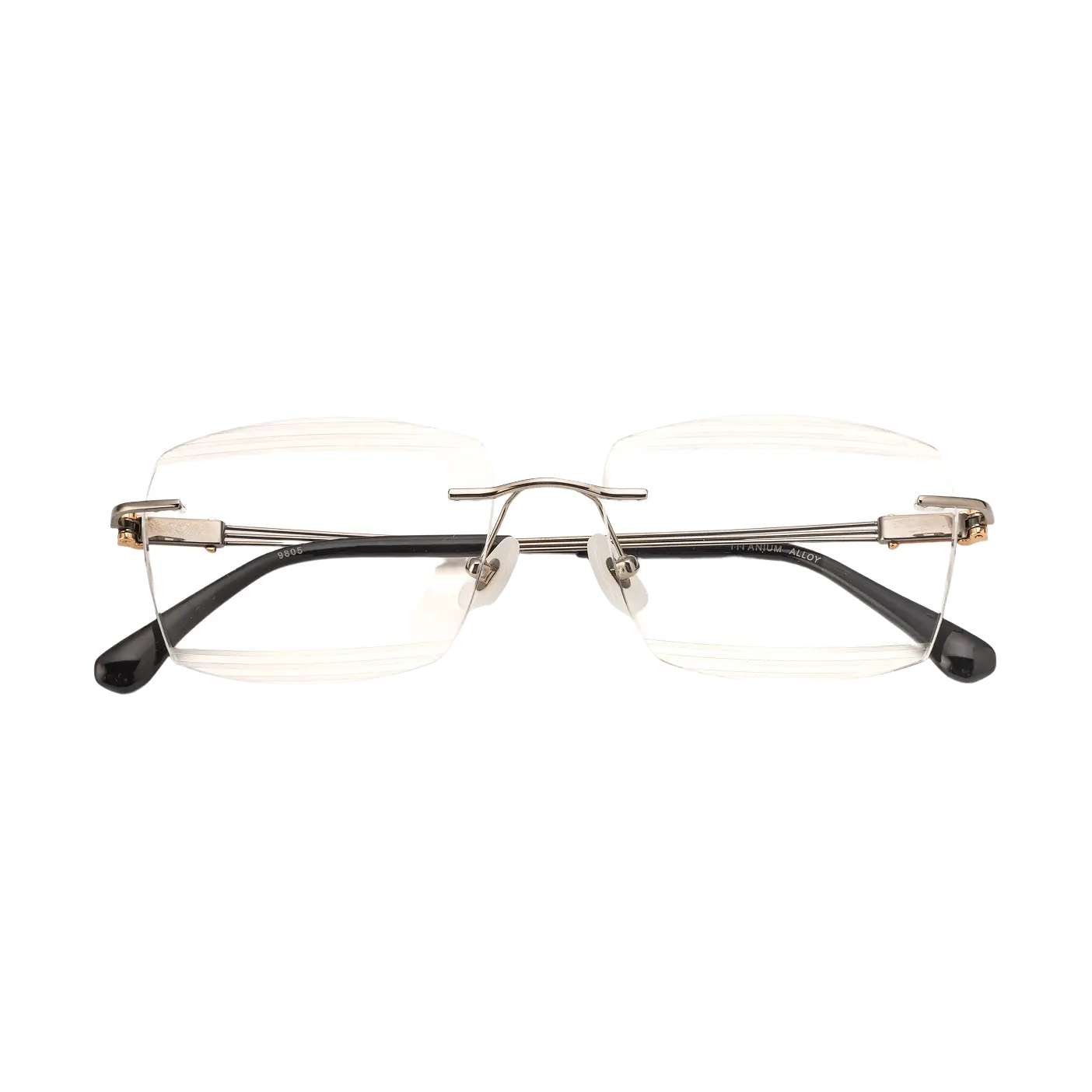
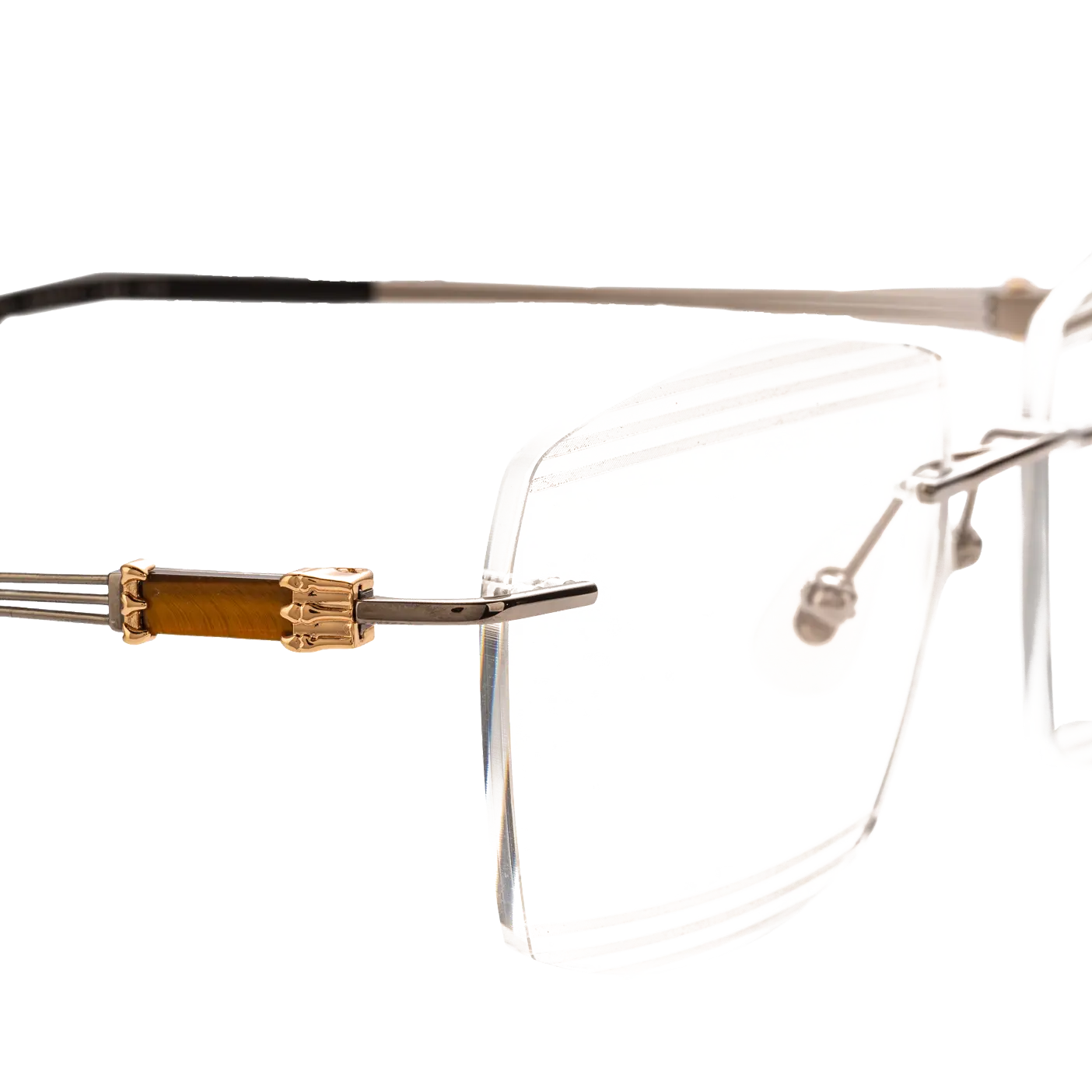
Want that on a frame made for everyday wear, not just a fishing trip? For polarization, choose a retailer that currently offers it. For a current non-polarized example, see Caden Sunglasses, or browse Bling Optical’s rimless sunglasses; check each product’s verified tint and UV specifications.
|
THE MIX-UP TO AVOID
Polarized and UV-safe are not the same promise. A cheap lens can erase glare and still let UV through. Look for UV400 or 100% UVA/UVB on the tag — the standard the eye doctors point to (Source: American Academy of Ophthalmology, aao.org, 2025).
|
What Non-Polarized Sunglasses Do Differently
A non-polarized lens dims. That’s the job. Everything coming in drops by the same amount, glare included. No filter sorts the harsh horizontal stuff from the light you want, so reflections still land in your eyes — just darker than before.
Sounds like a downside. For glare, it is. But that plain, even dimming buys you something polarized can’t: screens stay readable. Your GPS, the digital speedo, a head-up display projected on the glass — none of it fights the lens. If your dash is mostly screens, that’s a real point in its favor.
And UV? Still a separate question. A non-polarized lens blocks 100% of UV when it’s built to, and the tint won’t tell you whether it does. Read the label every time.
Why Glare Is More Than an Annoyance

Glare doesn’t just bug you. It changes what you can see. When the road turns into a wall of light, your pupils shrink, contrast falls apart, and the details smear together. A pothole. A kid on a bike. A strip of debris in the lane. Those are the things you miss in the half-second glare steals.
Sunrise and sunset are the worst of it, when low sun comes in flat at the windshield. Polarized lenses cut exactly the kind of reflected glare that pours off roads and water, which is where drivers feel the strain most (Source: Cleveland Clinic, health.clevelandclinic.org, 2024).
Then there’s the slow cost. An hour of squinting leaves your eyes sore and your head tight by the time you pull in. Drop the glare and that fatigue eases off. If end-of-day eye strain is the thing you keep noticing, our guide on how to choose glasses that stay comfortable all day digs into fit and lens choice.
Where Polarized Lenses Earn Their Keep

Put a polarized pair in bright, reflective conditions and it earns the price fast. A few places where the difference really shows:
Reflective roads, hoods, and wet pavement
Your own hood bounces sun straight back at you. So does the windshield up ahead. And after rain, wet asphalt turns into a mirror around midday. Polarized lenses pull those reflections down so lane lines and the car in front stay sharp. Drive near the coast or in a sunny state and you’ll feel it every time you head out.
Long highway hours
Hours of light bouncing around wear your eyes flat. Cut the worst of it and they settle instead of working overtime — fewer squints, fewer headaches by exit 40. People who are sensitive to light tend to reach for polarized first, and Johns Hopkins notes the lenses help by cutting glare and reflections outdoors (Source: Johns Hopkins Medicine, hopkinsmedicine.org, 2026).
Bright sun and high contrast
Hard blue sky, pale concrete, no clouds to soften it. That’s where polarized lenses sharpen the edge between light and shadow. Signs read sooner. Lane markings pop. Greens and blues come back instead of bleaching out under the glare.
|
THE SNOW EXCEPTION
Careful here. The same glare polarized lenses erase is sometimes how you spot black ice. Wipe it out and that warning shine goes with it. If you drive real winters, that trade-off is worth thinking about before you commit to polarized year-round.
|
When Non-Polarized Is the Smarter Pick
These are some of the main disadvantages of polarized sunglasses and the most common times when you should not use polarized sunglasses while driving. In certain conditions, a non-polarized lens can make screens, ice patches, and fast lighting changes easier to see.

Screen-heavy cabins
Newer cars lean hard on big LCD panels for everything. Tilt a polarized lens at one and it can dim, smear, or throw a rainbow across the display — the same thing happens with phones and watches (Source: Harvard Health, health.harvard.edu, 2024). Live by your dashboard screens and a non-polarized pair just keeps them clean.
Ice and winter roads
Sometimes glare is the gift. The shine off a frozen patch is often the first hint it’s even there. Drivers in snowy regions sometimes keep a non-polarized pair around for exactly this reason — they want that warning, not a lens that hides it.
Fast-changing light
In and out of tunnels, under trees, then back into open sun. Some people find polarized lenses make all that feel a little flat, a little dark, in the switch. A plain lens rides the changes more evenly. And polarized can shave a touch off depth perception, which a few drivers notice more than others.
UV Protection vs Polarization: Don’t Confuse the Two
This is the part most shoppers get backwards, so it’s worth slowing down on. Polarization handles glare. UV protection blocks the rays tied to long-term eye damage. Two different jobs. Owning one doesn’t hand you the other.
UV stacks up over years and is linked to cataracts and macular degeneration, and the eye doctors are blunt that a UV label and a polarized label are two separate things on the tag (Source: American Academy of Ophthalmology, aao.org, 2024). You want both boxes ticked, not one.
|
Buy for both. Polarization for comfort behind the wheel, UV400 for the health of your eyes. A pair that does one and skips the other isn’t finished.
|
How to Choose the Right Driving Sunglasses

Four quick checks. Run them in a store or on a product page and you’ll skip the pair that ends up unworn. If you’re thinking about style alongside the lens, refined everyday eyewear at Bling Optical walks through how the frame fits the rest of what you wear.
1. Confirm UV400 first
This comes before tint, before polarization, before looks. Find UV400 or 100% UVA/UVB on the label. UV gets through on cloudy days too, so skipping this isn’t an option — it’s the whole point of sunglasses.
2. Pick a lens color that suits the road
Gray dims the brightness without messing with how colors look — the easy default for driving. Brown and amber push contrast up a notch on patchy, cloudy days. Johns Hopkins rates brown, green, and gray as the better driving tints, and warns off lenses so dark they hurt you in low light (Source: Johns Hopkins Medicine, hopkinsmedicine.org, 2026).
3. Test polarized lenses against your own dashboard
Don’t guess on this one. Hold the lens up to your car’s screen and tilt it side to side. If the display fades, smears, or flashes rainbow colors, that pair and that car don’t mix — better to find out now than on the freeway.
4. Pick a frame that blocks side light and stays put
Low sun loves to sneak in at the temples, so a frame that sits close helps. Comfort counts as much as coverage on a long drive. A light titanium frame with jade nose pads stays put and, after ten minutes, you mostly forget it’s there.
Conclusion
For most daytime drivers in bright conditions, polarized sunglasses are usually the better choice. They cut glare from wet roads, car hoods, and windshields, which can make driving feel clearer and more comfortable.
Non-polarized sunglasses still have a place. They can be better for screen-heavy dashboards, icy roads, and quick light changes. The best pair depends on where you drive, when you drive, and how your eyes react behind the wheel.

Lead with UV either way, and try both lenses on if you can. The pair you’ll actually keep reaching for is light, quiet, and clear in the sun. For polarization, choose a retailer that currently offers it. Bling Optical does not currently offer polarized lenses; its lightweight rimless sunglasses remain a non-polarized option. Check the label first. Then choose the pair you’ll forget you’re even wearing.
|
THE ONE-LINE TAKEAWAY
Polarized for bright, reflective driving. Non-polarized for screens, ice, and changing light. UV400 on both, always.
|
FAQs
What are the disadvantages of polarized sunglasses?
Mainly screens and ice. They can dim a GPS or dashboard display, and they wipe out the glare that helps you spot black ice. They’re no good for night driving either, since they cut too much light.
Do eye doctors recommend polarized sunglasses?
Plenty do, for daytime glare and outdoor comfort. The one caveat: the pair still has to carry UV400. Polarizing is comfort; UV is the part protecting your eyes.
When should you not use polarized sunglasses?
At night, on icy roads, and any time you’re squinting at a tricky screen. In those cases a plain UV-rated lens is the safer call.
Why can’t you drive with polarized sunglasses?
You can — most daytime driving is fine. The snag is that some lenses make digital dashboards hard to read, so check yours in the car before you rely on them.
Which is better, UV or polarized?
UV, if you have to pick one. It’s what guards against cataracts. Polarizing only handles glare. Honestly, get a pair that does both.
Is polarized worth the extra money?
If you drive in bright sun, near water, or on reflective roads, yes. For short trips, screen-heavy cars, or shifting light, a non-polarized pair may be plenty.
Can you see your phone screen with polarized sunglasses?
Usually, though it can blank out at certain angles. Turn the phone or tilt your glasses a little and the screen comes back.
What is the best color for polarized lenses?
Gray for natural color, brown or amber for more contrast. Tint says nothing about UV, though — still check for the UV400 label.
Sources
-
Joan W. Miller, MD,, reviewer, “Polarized sunglasses: Protecting your eyes from harmful glare,”
-
Cleveland Clinic, “Polarized vs. Non-Polarized Sunglasses,”
-
American Academy of Ophthalmology, “How to Choose the Best Sunglasses to Avoid Sun Damage”
-
American Academy of Ophthalmology, “What Are Polarized Lenses For?”
-
Johns Hopkins Medicine, “How Sunglasses Help Protect Your Eyes’ Health”

Looking for something else?

Best Frames for Thick Lenses (Men & Women Guide)
LEARN MORE
How to Fix Loose Glasses in 3 Simple Steps (At Home Fast)
LEARN MORE
Popular Glasses for Men 2026 Styles for Professionals
LEARN MORE
Eye Makeup with Glasses Tips for a Stunning Look
LEARN MORELooking for something else?

Who Invented Glasses and How They Changed the World
LEARN MORE
Diy Eyeglass Cleaner Guide for Crystal Clear Lenses
LEARN MORE
Best Glasses for Oblong Face Shapes
LEARN MOREYou may also like
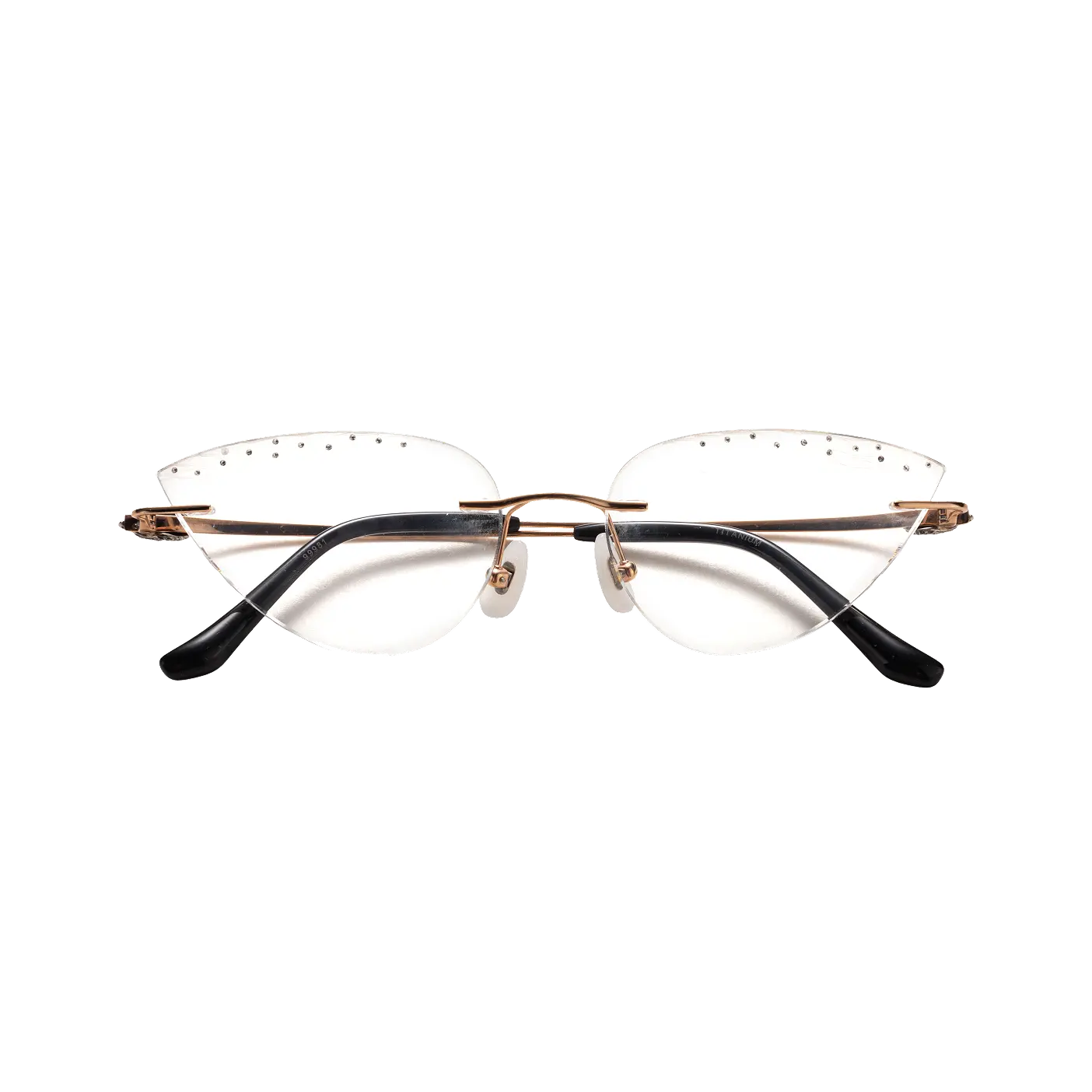
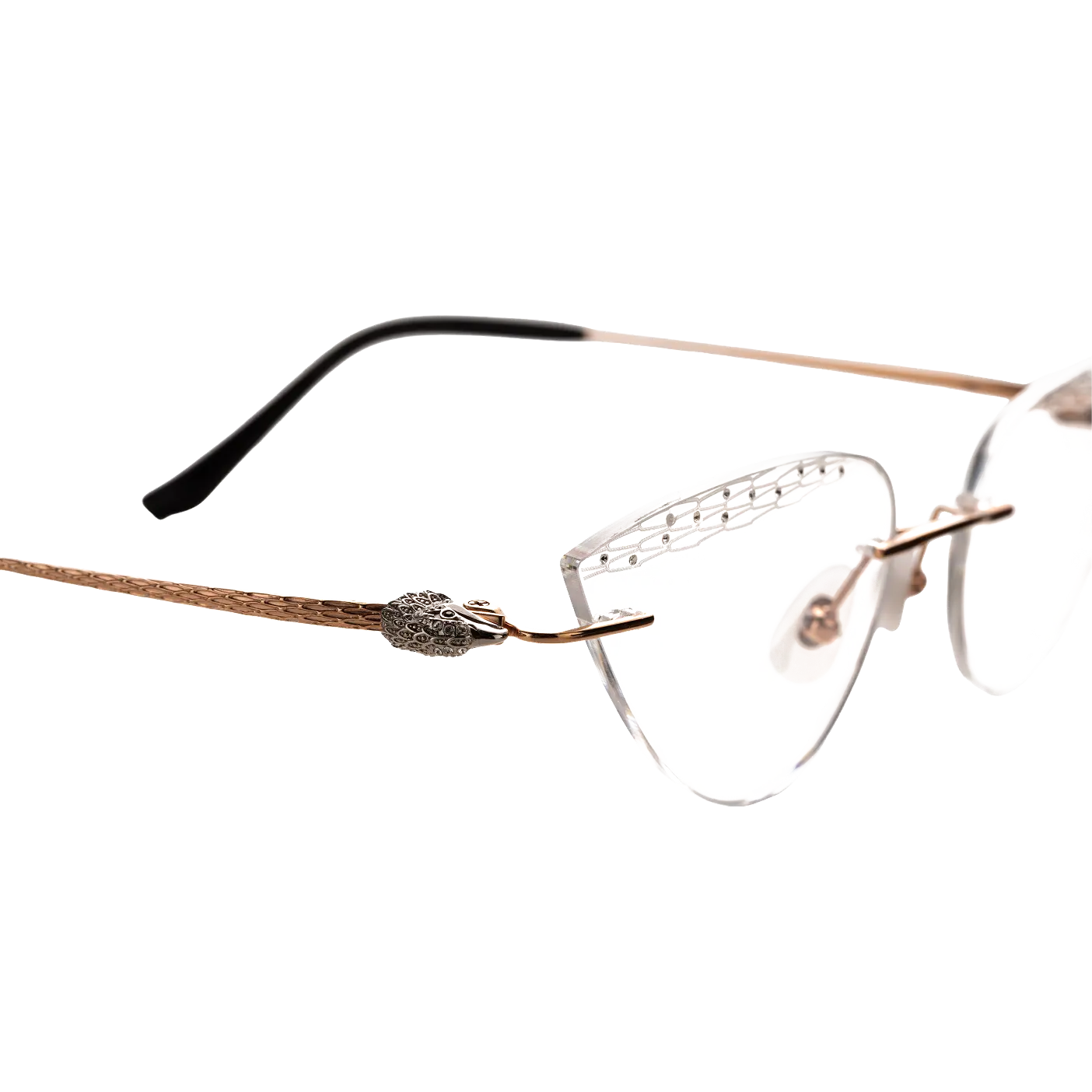
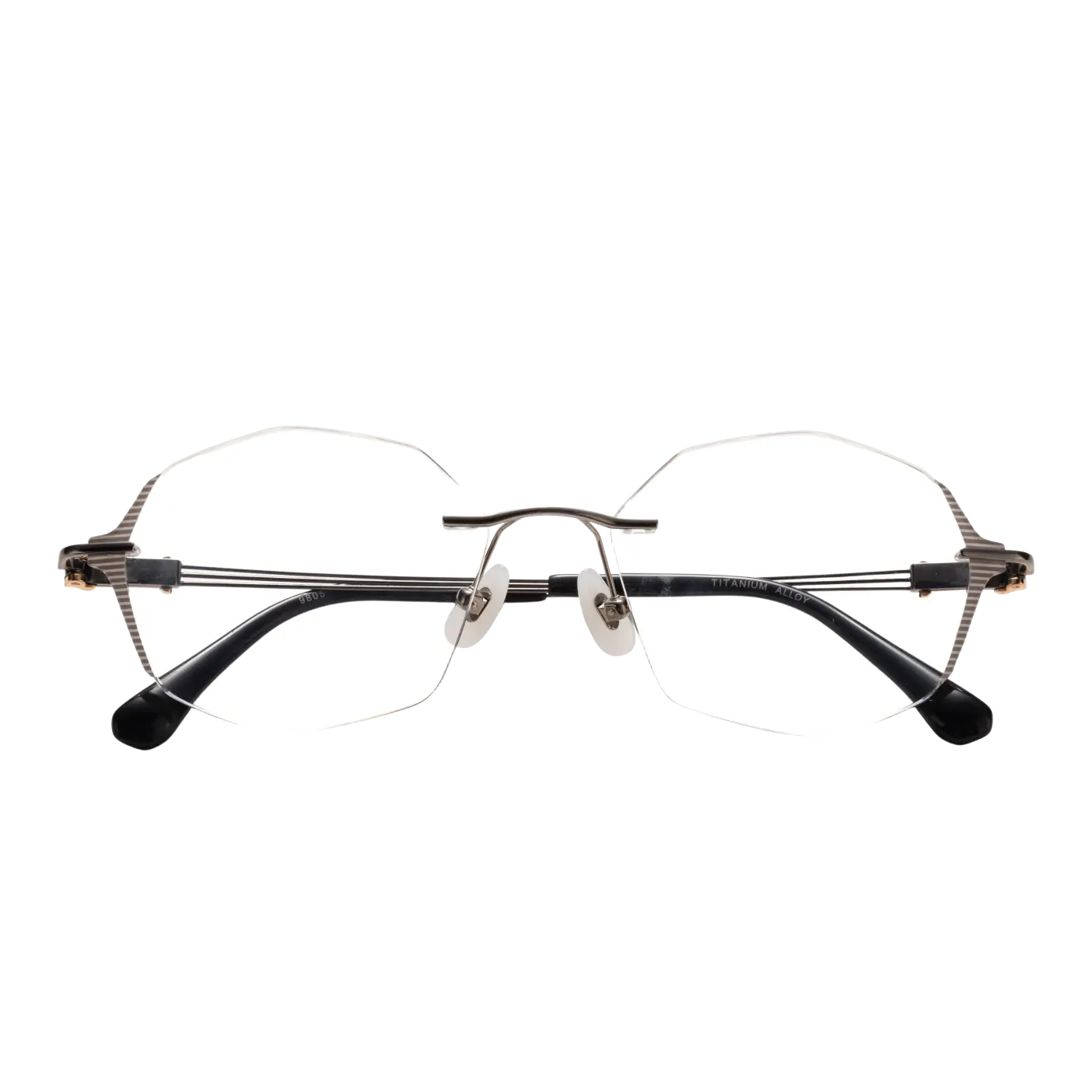
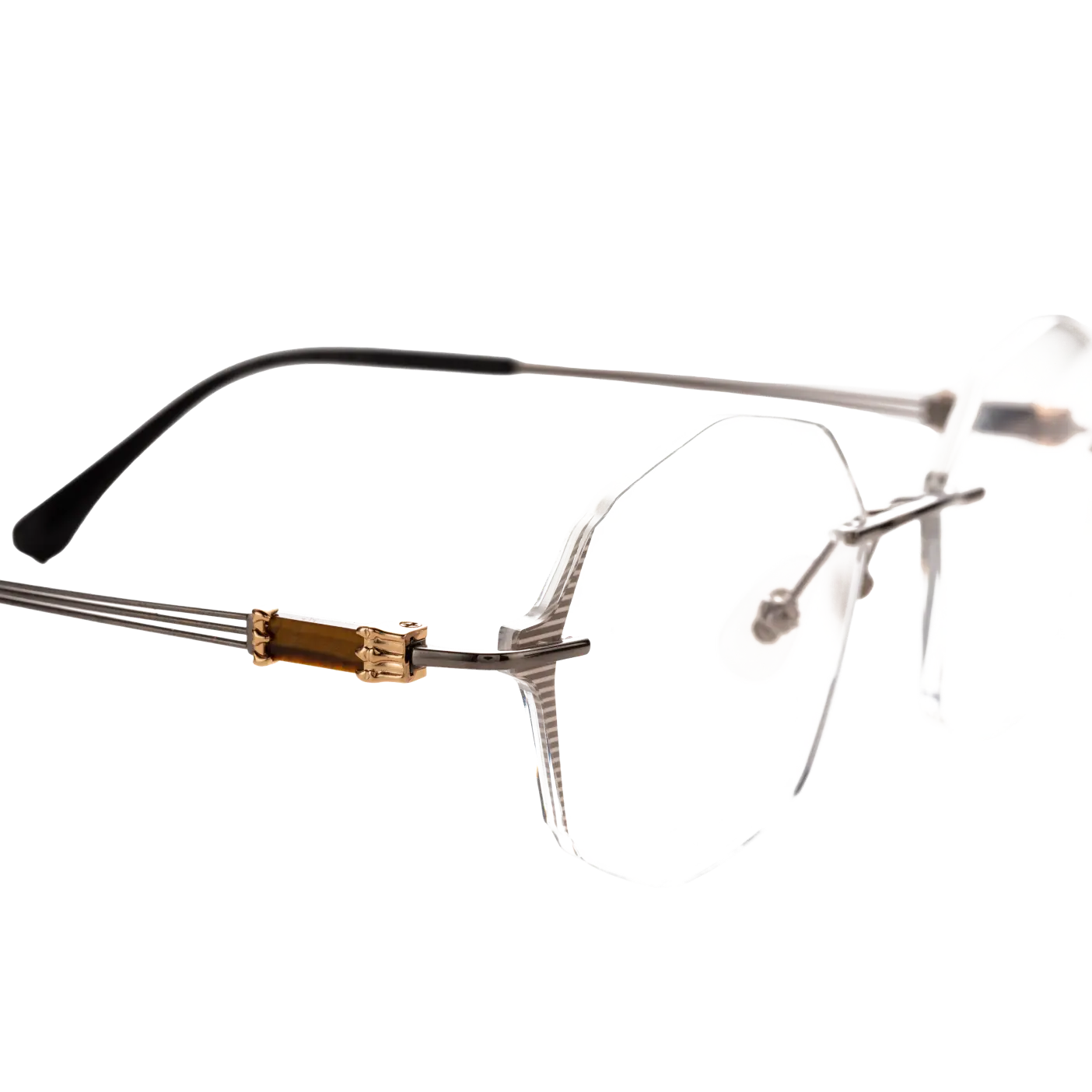


Sculpted Cat-Eye · 18K Gold-Plated Titanium · Crystal Accents
Further reading
Parts of Glasses Explained: Frame, Bridge, Temple, Nose Pads and Lenses
A pair of glasses looks simple until a screw works loose. Then you notice how many small parts had to line up before the lenses ever sat in front of your eyes. The frame front holds the lenses. The...

What Are High Index Lenses and Who Needs Thinner Glasses?
Thinner lenses. The trick is the material: it bends light harder than regular plastic, so your prescription needs less of it to do the same job. Standard plastic, and a strong prescription bulges ...

Do Glasses Make Your Eyes Worse? What New Wearers Should Know
Your first pair of glasses does something odd. The world goes sharp. Suddenly there's text you can read from the couch, and a street sign you'd been guessing at for months. You wonder how you coped...
Best Lens Color for Fishing Sunglasses: Polarized Lens Guide
what color lens is best for fishing in 2026 Ask three anglers what color lens is best for fishing and you'll get four answers, a story about a lost pair of glasses, and probably a strong opinion ab...


