
Pince Nez Glasses Making a Comeback in 2026
Most people have never owned a pair of pince nez glasses. But most people recognize one immediately.
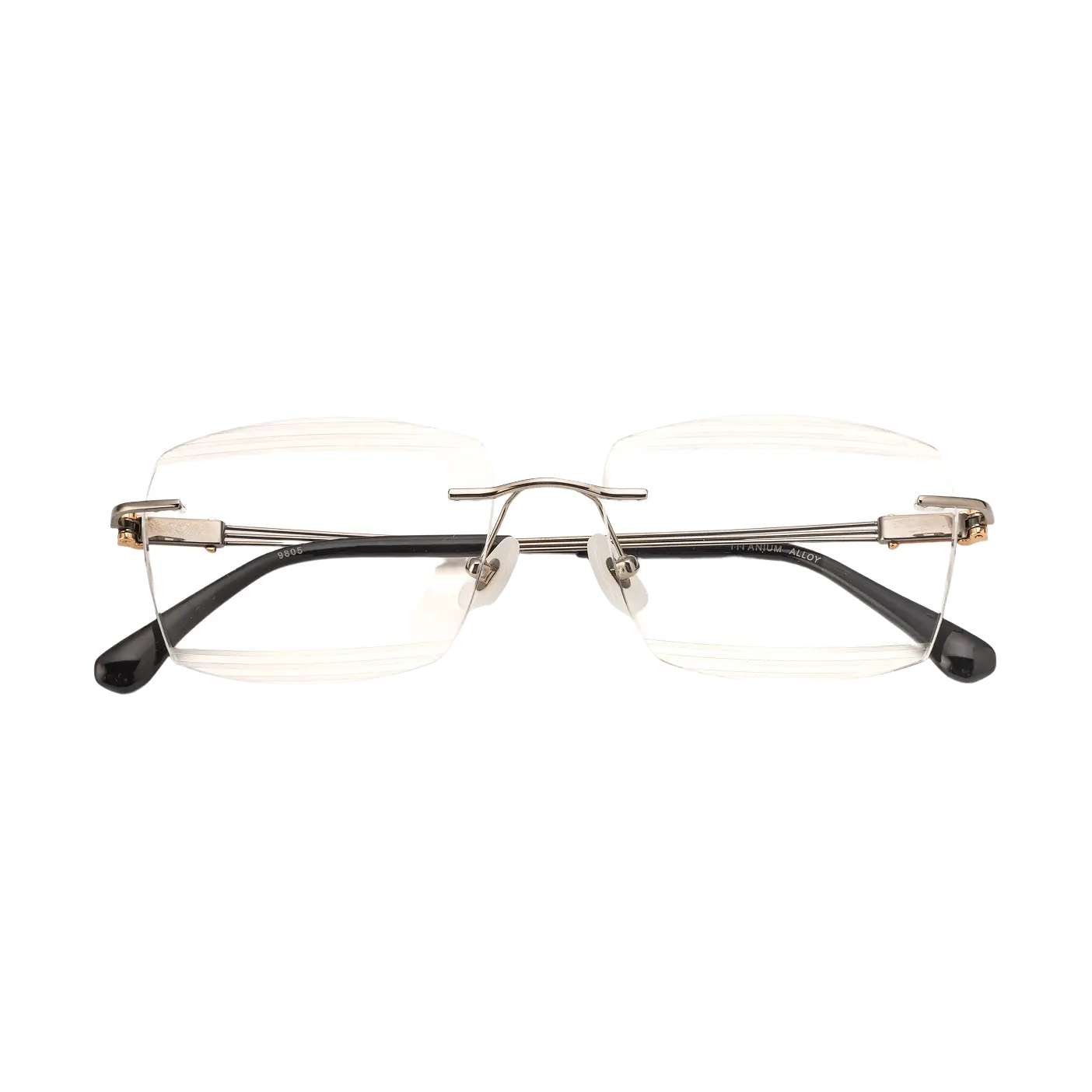
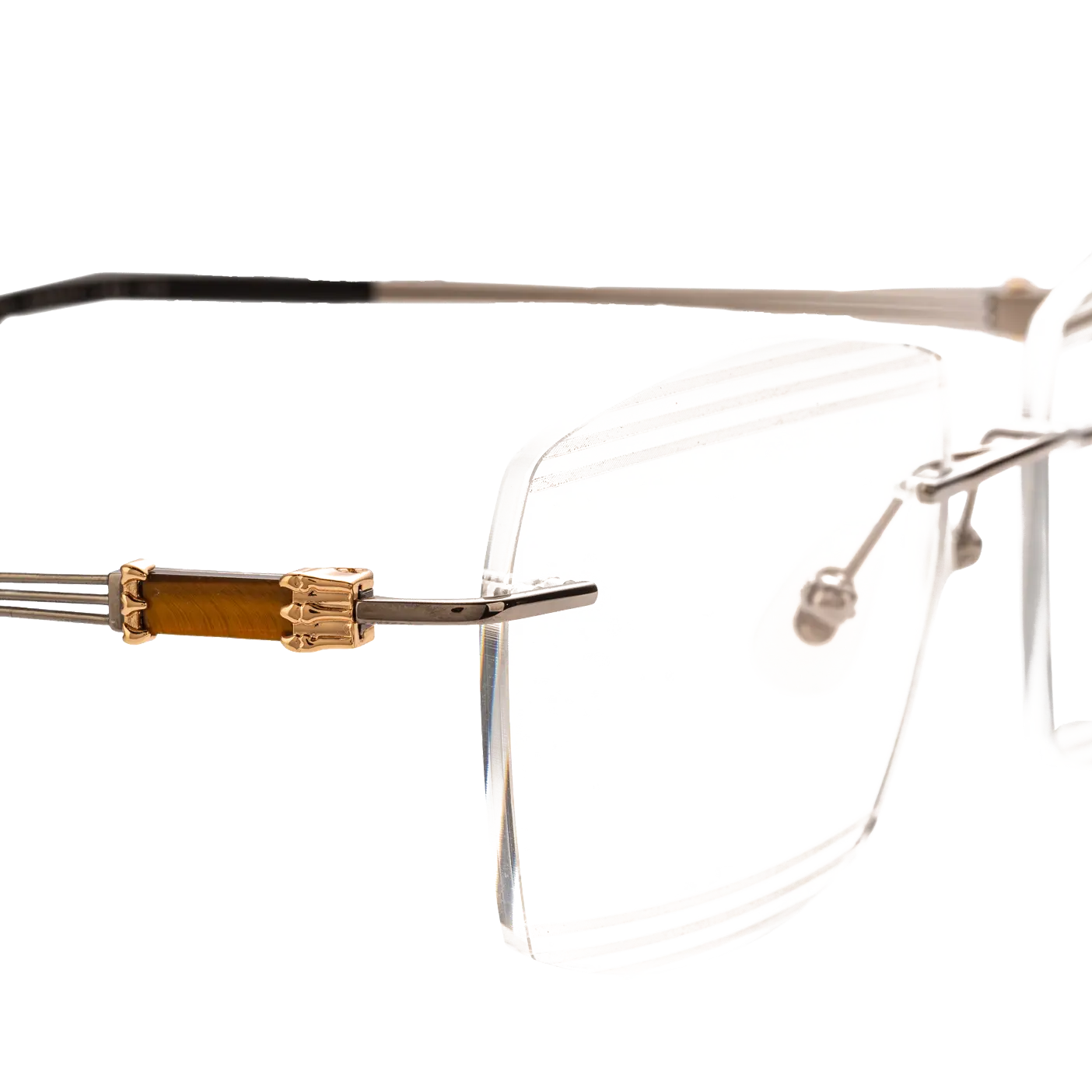
The nose-clip design — no temple arms no ear hooks just two lenses balanced on the bridge of the nose — is one of the most visually distinct eyewear forms ever made. It was the dominant spectacle design for much of the 19th century before temple arms took over. In 2026 the vintage revival wave in fashion has brought pince-nez back into conversation as both a historical curiousity and a genuine style statement. At Bling Optical the rimless philosophy — removing everything that does not need to be there — connects directly to what pince-nez glasses were doing 150 years ago.
|
Pince Nez Glasses — Quick Reference |
|
What they are — eyeglasses held by a nose clip with no temple arms |
|
Origin — 13th century Europe — dominant style through Victorian and Edwardian eras |
|
Why they faded — temple-arm frames were more secure and practical for all-day wear |
|
2026 revival — vintage aesthetic movement and rimless minimalism trend |
|
Practical today — excellent for fashion and occasional use — prescription available |
|
Who wears them — style-conscious individuals and vintage aesthetic enthusiasts |
What Are Pince Nez Glasses

Pince-nez eyeglasses are frames that sit on the nose without any arms extending over or behind the ears. The name is French — pincer meaning to pinch and nez meaning nose. The glasses are held in place by a spring-loaded clip that grips the bridge of the nose directly.
There is no temple arm. No hook behind the ear. No mechanism for keeping the frame in place other than the tension of the nose clip against the nasal bridge. This is both the defining quality and the practical challenge of pince nez eyeglasses — they require a correctly fitted clip and a nose bridge that allows secure contact.
In their Victorian-era peak form pince-nez glasses were produced with oval or round lenses in gold or silver wire frames with a variety of clip mechanisms. Some used a C-spring. Some used a coil spring. Some were connected by a ribbon or chain to the lapel in case they fell.
The History of Pince Nez Eyeglasses

The earliest known pince-nez designs appeared in the 13th century — roughly the same period as the first wearable spectacles in Europe. The concept of glasses held on the nose without ear support is actually older than the temple-arm design that replaced it.
By the 19th century pince-nez had become the standard eyewear form for educated and professional classes across Europe and North America. They were associated with intellectuals academics clergy and politicians — the association between eyewear and learning that persists to this day in different forms.
Theodore Roosevelt wore pince-nez regularly and was photographed in them throughout his presidency. Woodrow Wilson. Oliver Wendell Holmes. Chekhov. Dostoyevsky. The list of historically significant pince-nez wearers maps closely to the intellectual and political landscape of the Victorian and Edwardian periods.
The decline began in the early 20th century as temple-arm frames — initially called spectacles with sides — became more widely available and more practical for sustained all-day wear. By the 1930s pince-nez had largely retreated into formal period settings and theatrical costume. By the 1950s they were firmly historical objects.
Why Pince Nez Glasses Are Trending Again

The 2026 vintage fashion revival has touched every category of accessory. Eyewear has been one of the more active areas — Y2K frames are mainstream 90s wire rims are back and the archive of 20th-century silhouettes has been extensively revisited.
Pince-nez represent a step further back — into the 19th century — and that is part of their current appeal. They are not a retro reference to something from 30 years ago. They are a reference to a genuinely different relationship between eyewear and the body.
Social media has been an amplifier. Images of well-executed pince-nez styling — particularly in the context of dark academia cottagecore and Victorian aesthetic communities — generate genuine interest from people who have never seen the form worn in real life. The combination of historical weight and extreme visual distinctiveness creates shareable content.
The connection to modern rimless design is also real. The pince-nez philosophy of reducing the frame to only what is necessary prefigures the rimless aesthetic by about a century. The Rimless Glasses collection represents the contemporary expression of that same reduction principle.
Different Styles of Pince Nez Glasses
Classic Round Pince Nez
The most historically accurate pince-nez form is a pair of round lenses in a fine gold or silver wire frame with a C-spring or coil-spring nose clip. This is the design most associated with the Victorian intellectual aesthetic. The lenses are typically small to medium in size — proportioned to the nose clip rather than to the face in the way modern frames are designed. The Gold Oval Rimless Glasses carries the gold wire and round-to-oval lens sensibility into a modern rimless build — the same material philosophy in a contemporary construction.
Classic round pince-nez in gold or antique brass read as period-appropriate and are the form most often used in costume design theatrical production and historical reenactment contexts.
Modern Reinvented Designs

Contemporary reinterpretations of pince-nez use modern materials and updated clip mechanisms that are more secure and adjustable than the original spring designs. Titanium and stainless steel replace the original gold wire. Silicone contact pads replace the bare metal nose clip for additional comfort. The Designer Rimless Glasses collection represents the design philosophy of precision-built minimal eyewear — a contemporary frame that shares the reduction ethos of the pince-nez without the historical limitations.
Modern pince-nez designs also often incorporate adjustable bridge mechanisms that allow the wearer to calibrate the clip tension precisely. This significantly improves the wearability for all but the most extreme high-activity contexts.
Decorative and Fashion Focused Styles
The 2026 fashion market has produced pince-nez-inspired frames that treat the form primarily as a statement accessory. Colored lenses. Ornate nose clip hardware. Chain or ribbon attachments. These read more as wearable art than as functional eyewear and are designed for editorial content event dressing and theatrical personal style. The Gold Eagle Rimless Glasses carries the kind of decorative hardware detail — the eagle motif worked into the bridge — that aligns with the ornate character of decorative pince-nez design.
Who Should Wear Pince Nez Glasses

Pince-nez work best for people who have chosen them deliberately as a style signature rather than defaulted to them as a functional choice.
From a face shape perspective the most compatible structures are those with a defined prominent nose bridge that allows the clip mechanism to grip securely. Very flat or narrow nose bridges may not provide sufficient contact for stable wear. A trial fitting with a specific clip mechanism is the most reliable way to assess compatibility.
From a style personality perspective pince-nez suit wearers who are comfortable with deliberate distinctiveness. These are not frames that fade into the background. They create a strong period reference that will be noticed and potentially commented on. For the wearer who wants their eyewear to be a conversation piece and a signal of genuine historical awareness pince-nez deliver that in a way few modern designs can.
- Best occasions: Editorial shoots costume events formal occasions theatrical performances vintage fashion contexts. Also effective for anyone building a consistent dark academia or Victorian aesthetic in their daily wear.
- Practical daily use: Manageable for reading or occasional wear with a well-fitted clip. Less practical for active outdoor use or sustained all-day wear without experience adjusting to the balancing habit.
Pros and Cons of Pince Nez Eyeglasses
|
Pros |
Cons |
|
No temple arms — no ear pressure or soreness |
Nose clip must be adjusted precisely — can slip if not fitted correctly |
|
Extremely lightweight — less material means less weight on the face |
Not ideal for extended daily prescription wear without proper fitting |
|
Genuinely distinctive — nothing else looks like this |
Limited availability for prescription lenses compared to standard frames |
|
Works as both fashion accessory and functional eyewear |
Requires a bridge of nose that allows secure clip contact |
|
Strong historical and cultural cachet — instantly recognizable aesthetic |
Adapting to a new balancing habit takes time for new wearers |
The practical summary is that pince-nez glasses are excellent for what they were originally designed for — occasional scholarly use in contexts without significant physical activity. In 2026 most wearers use them for fashion and editorial purposes where that original use case aligns naturally with the vintage aesthetic.
How to Style Pince Nez Glasses in 2026

The strongest styling approach with pince-nez is to let the frame be the statement and build around it.
- Dark academia: Tweed wool oversized blazers high-necked blouses or shirts. Muted earth tones and deep navy. The pince-nez anchors the look with historical credibility.
- Victorian aesthetic: High-waisted trousers or skirts. Structured silhouettes. Darker metals in jewelry and hardware. The pince-nez fits naturally without requiring explanation.
- Modern contrast: A pince-nez worn against a deliberately contemporary minimalist outfit creates interesting tension — the historical form in a current context. This reads as confident and curated rather than costume.
- Color coordination: Gold clip hardware works alongside warm jewellery tones — amber tortoiseshell warm browns and brass accessories. Silver clip hardware pairs with cooler palette choices.
The Nature-Inspired Rimless Glasses collection uses organic warm tones that complement the earthy Victorian palette that pince-nez styling often occupies.
For a more contemporary fashion direction the Pink Rimless Glasses for Women represents the kind of deliberate feminine colour statement that contrasts effectively with the period character of pince-nez-inspired styling.
Where to Buy Pince Nez Glasses

Pince-nez glasses in 2026 are available through several channels depending on whether you want period-accurate antique pieces modern reproductions or fashion-forward interpretations.
- Specialty vintage optical retailers: Source genuine antique pince-nez frames and period-authentic reproductions. These are the best option for historical accuracy and for anyone interested in the authentic artifact.
- Online marketplaces: A wide range of price points from inexpensive fashion pieces to higher-quality reproduction designs. Research the clip mechanism and lens availability before purchasing.
- Custom optical services: Some independent opticians and specialty optical labs can fit prescription lenses into pince-nez frames. This requires a professional consultation to ensure clip tension is calibrated for the lens weight.
- Fashion accessories market: Non-prescription decorative pince-nez are available as fashion accessories. These typically have simple clip mechanisms and are designed for appearance rather than vision correction.
For anyone who wants the rimless minimalist aesthetic of pince-nez in a design built for contemporary all-day wear the collections at Bling Optical represent the intersection of that philosophy with modern precision construction.
Conclusion — Vintage Meets Modern Eyewear

Pince-nez glasses made a genuine contribution to how people see — literally — for over six centuries. Their replacement by temple-arm frames was practical not aesthetic. The form itself is as refined and considered as any eyewear design that followed it.
In 2026 the pince-nez comeback is less about function and more about what the form communicates. It signals historical awareness design confidence and a relationship with eyewear as a genuinely expressive accessory rather than a functional necessity that needs to be minimized.
Whether you wear the original form or find its reduction philosophy expressed in a modern rimless design the underlying idea is the same. The best eyewear is the one where nothing unnecessary remains.
Frequently Asked Questions
What are pince nez glasses?
Pince-nez glasses are eyeglasses that sit on the nose without temple arms that extend over the ears. They are held in place by a spring-loaded clip that grips the bridge of the nose. The name comes from the French words pincer meaning to pinch and nez meaning nose. They were the dominant eyewear form for much of the 19th century before temple-arm designs replaced them.
Are pince nez glasses comfortable?
Comfort depends heavily on proper fitting. A well-adjusted pince-nez with the correct nose clip tension can be worn comfortably for reading and occasional use. For extended all-day wear the nose clip requires more conscious management than a temple-arm frame that distributes weight differently. Most modern wearers use pince-nez as a fashion or occasional accessory rather than as primary all-day prescription wear.
Why did people stop wearing pince nez?
Temple-arm glasses became widely available in the late 19th and early 20th centuries and were simply more secure and comfortable for extended daily wear. As glasses transitioned from luxury accessory to everyday necessity the practical advantages of a fixed temple-arm design prevailed. Pince-nez became associated with formal and period settings rather than everyday utility.
Are pince nez glasses practical today?
For fashion and occasional use yes. For all-day prescription wear at the same level of convenience as a standard frame they require more adjustment and attention to nose clip fit. In 2026 most people who wear pince-nez are doing so as a style choice — a deliberate vintage aesthetic — rather than as their primary vision correction method.
Can you get prescription pince nez glasses?
Yes. Specialty optical retailers and some custom lens services can fit prescription lenses into pince-nez frames. The availability is more limited than for standard frames. For anyone considering prescription pince-nez a professional fitting is advisable to ensure the nose clip is correctly calibrated for the prescription lens weight.
Who used to wear pince nez glasses?
Pince-nez were worn by a wide range of public figures in the 19th and early 20th centuries. Theodore Roosevelt is among the most widely recognized wearers in the United States. The style was particularly common among intellectuals scholars politicians and professionals of the Victorian and Edwardian eras. It was considered a formal and educated aesthetic before temple-arm glasses became the standard.

Looking for something else?

Best Frames for Thick Lenses (Men & Women Guide)
LEARN MORE
How to Fix Loose Glasses in 3 Simple Steps (At Home Fast)
LEARN MORE
Popular Glasses for Men 2026 Styles for Professionals
LEARN MORE
Eye Makeup with Glasses Tips for a Stunning Look
LEARN MORELooking for something else?

Who Invented Glasses and How They Changed the World
LEARN MORE
Diy Eyeglass Cleaner Guide for Crystal Clear Lenses
LEARN MORE
Best Glasses for Oblong Face Shapes
LEARN MOREYou may also like


Further reading
Parts of Glasses Explained: Frame, Bridge, Temple, Nose Pads and Lenses

What Are High Index Lenses and Who Needs Thinner Glasses?

Do Glasses Make Your Eyes Worse? What New Wearers Should Know