Best Lens Color for Golf Sunglasses: What to Choose and Why
Golf sunglasses pull more weight than people think. They’re not just sun blockers. The right tint helps you pick up the ball off the tee, spot the slope on a green, and get a real read on how far that bunker sits. Grab the wrong pair and the whole course goes flat, taking the contrast you lean on all day with it.
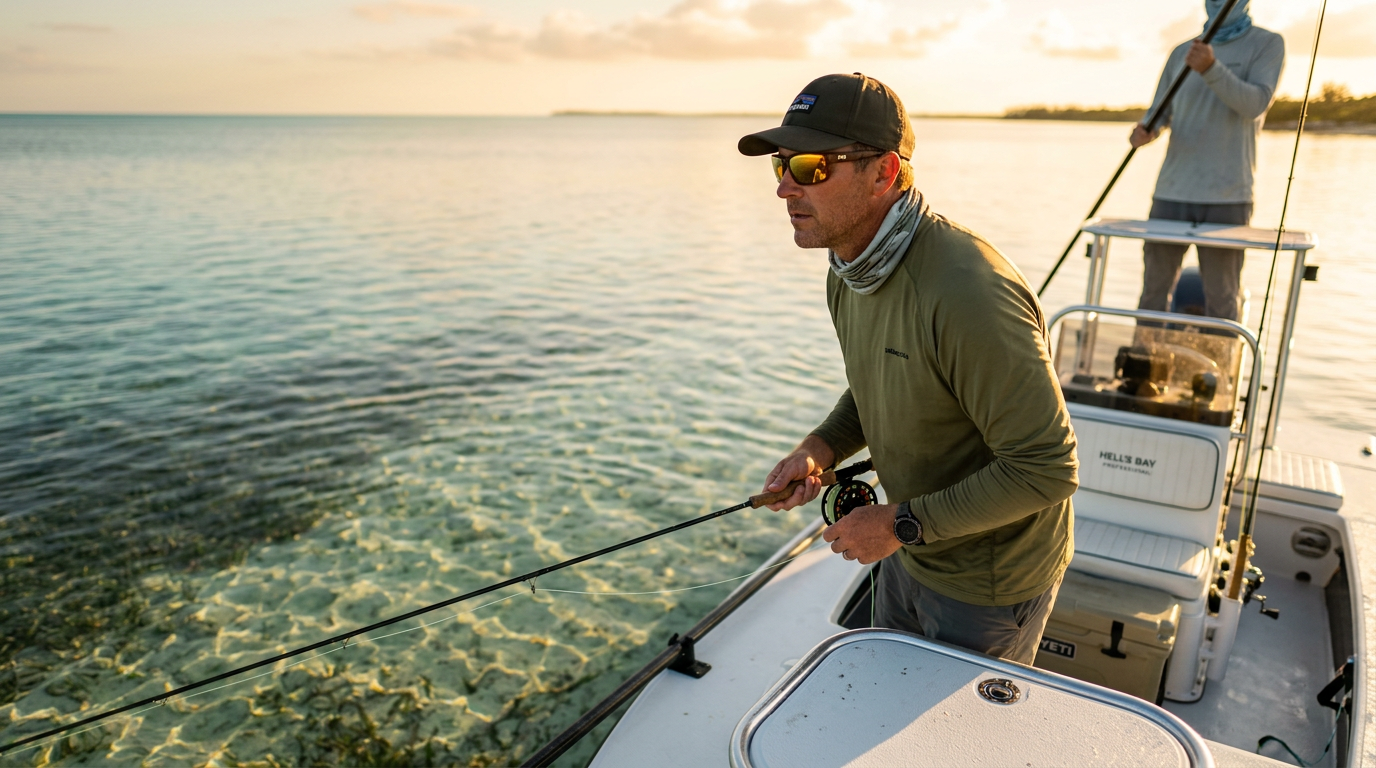
So which lens color actually works for golf? Quick version: copper, rose, amber, or brown. Those warm tints knock back all that heavy green and bring out the reds and yellows your eyes use to judge depth. Slip a pair on and suddenly the fairway has shape again instead of looking like a flat green carpet.
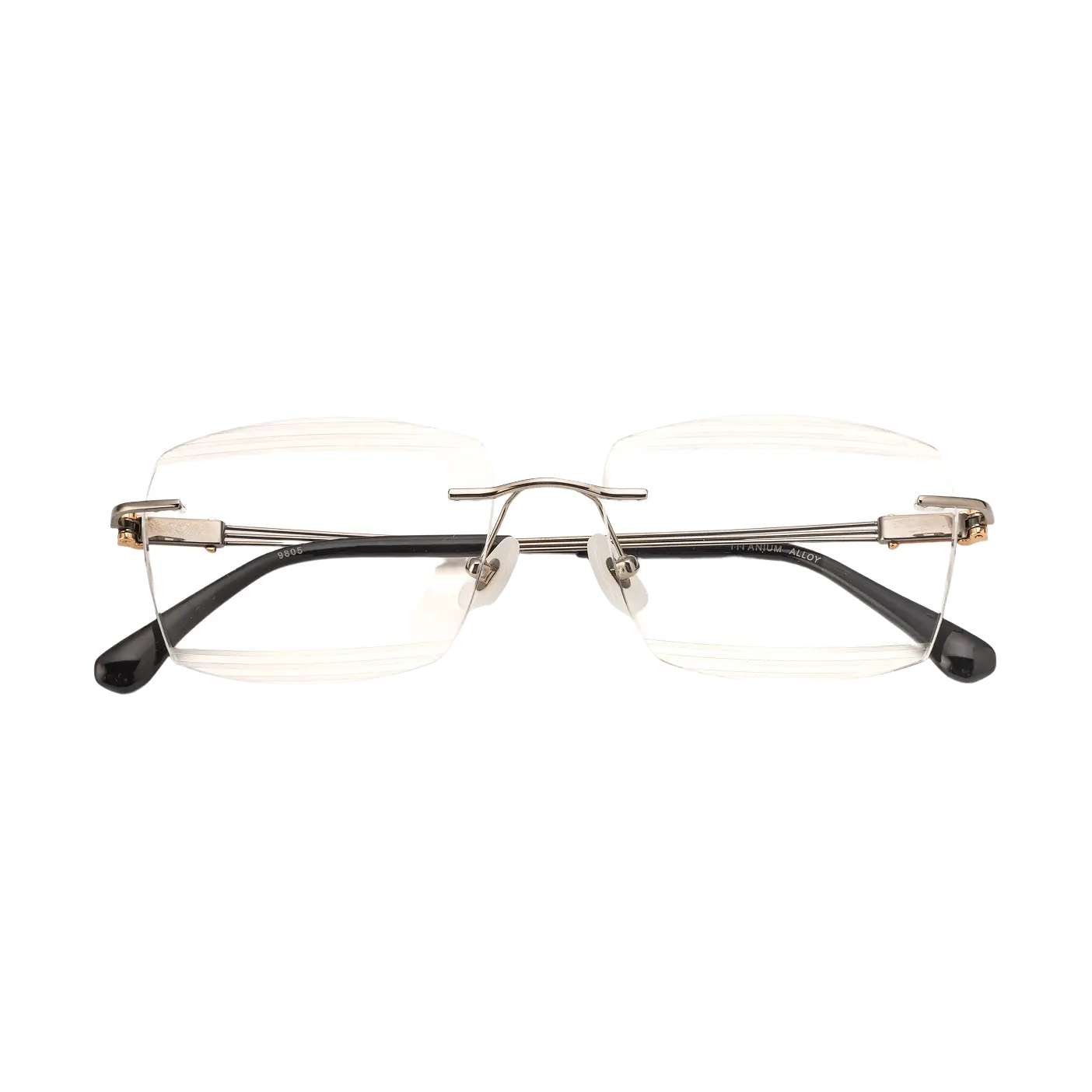
Most golfers shop frame style first. Lens color matters more for your score. If you already wear lightweight rimless eyewear off the course, the same comfort rules apply on it: light frame, secure fit, and a tint chosen for the job. Let’s match the color to how and where you play.
|
The 10-second answer. Warm tints win. Copper for green-reading, rose for cloudy light, brown or amber for one-pair-does-it-all. Skip gray, green, and blue if course detail is the goal. |
Quick Answer: Best Lens Colors for Golf
The best lens colors for golf are copper, rose, amber, and brown. They raise contrast, sharpen depth perception, and help the ball stand out against grass and sky. Here’s how the top picks split by job and light.
|
Tint |
Best At |
When To Reach For It |
|
Copper / cinnamon |
Green-reading and terrain detail |
All-round play, mixed light, lots of putting |
|
Rose / red |
Strong contrast in low light |
Cloudy skies, early tee times, shaded holes |
|
Amber / brown |
Versatile brightness control |
Bright sun, one pair for most rounds |

Best overall golf lens color
Copper is the pick most opticians land on. It cuts the excess green that floods a course and pushes reds and yellows forward, so fairway contours and putting-surface breaks read clearer. It also holds up across changing light, which is why it’s the safe default if you only want to think about this once.
Best lens color for bright sun
Brown handles harsh midday sun well. It trims glare while keeping contrast, so the course never goes dim or muddy. On open layouts with little shade, a darker amber does the same job. Think low single-digit-to-teens light transmission for the brightest days.
Best lens color for cloudy rounds
Rose is the move when the light drops. It lets more light through than brown while still boosting contrast, so the course doesn’t flatten under gray skies. Great for sunrise rounds and holes that duck in and out of tree shade.
Why Lens Color Matters on Golf Courses
A golf course is a hard visual puzzle. You’re judging distance, reading breaks, tracking a small white ball, and adjusting to light that shifts from the first tee to the turn. Color does the heavy lifting.
Contrast for reading greens
Greens are read through contrast. Tiny shifts in shade and texture are what give away a slope. Copper, rose, and amber widen the gap between shades of green, so a break you’d miss in gray lenses shows up. The American Academy of Ophthalmology notes that brown or rose-colored lenses add the kind of contrast golfers rely on.
Ball tracking against grass and sky
A drive can travel from blue sky to a tree line to green grass in two seconds. Warm tints keep the ball separated from all three backgrounds instead of letting it dissolve into them. It’s simple color science: on the wheel, red sits opposite green, so warm lenses give the most contrast against turf.
Depth perception during shots
Depth perception is how you size up landing areas, carries, and hazards. Warm tints sharpen the separation between objects, which makes rolling fairways and elevated greens easier to read. On a course full of subtle elevation, that edge adds up over 18 holes.
Copper, Rose, Amber, and Brown Lenses Compared
Each warm tint leans a slightly different way. The best one for you comes down to weather, course, and personal taste. Here’s the quick breakdown.

Copper lenses for course detail
Copper is built for visibility. It filters surplus green and lifts contrast between grass textures, so subtle terrain changes pop. If you spend a lot of your round over the ball reading putts, copper tends to reveal more than a neutral tint ever will.
Rose lenses for stronger contrast
Rose throws the strongest contrast in shifting light. It brightens the view and still sharpens detail on greens and fairways. Players who deal with overcast skies or half-shaded courses gravitate to it. Bonus: rose is a proven all-sport tint, so one pair stretches further.
Amber and brown lenses for everyday golf
Amber and brown are the versatile workhorses. They perform in bright sun and moderate light while keeping colors looking natural. Want one pair for most rounds without overthinking it? Brown or amber is the easy call.
|
Pro tip. Light transmission matters as much as color. A bronze lens at 16% light transmission suits blazing sun; the same tint at 33% reads greens better on dull days. Two pairs, same family, different light. |
Lens Colors to Avoid for Golf Sunglasses
Not every tint belongs on a course. Some give solid UV protection but do nothing for on-course vision. Here’s what to leave in the bag.

Gray lenses
Gray is great for everyday wear. It dims brightness without bending colors, so the world looks true. On the course that’s the problem: low contrast. Fairways and greens go flat next to what copper or rose shows you. Fine for the drive over, not for the round.
Green lenses
Green keeps colors accurate and cuts glare, which is handy day to day. But on a green-dominated course it doesn’t separate the shades you need to read breaks. Better than gray out there, still short of warm tints.
Blue lenses
Blue looks sharp and protects against UV, and it earns its keep around water. A course is mostly green terrain, though, and blue does little for ball tracking or green-reading. Style pick, not a performance one.
|
Heads up. Lens color and darkness tell you nothing about UV protection. A pale rose lens can block 100% UV while a dark gray one blocks far less. Always check the label for 100% UV or UV400. |
Polarized vs Non-Polarized Golf Sunglasses
This one splits golfers. Both camps have a point, so it comes down to how your eyes handle glare and how much you read greens.
When polarized lenses help
Polarized lenses kill glare off reflective surfaces, which keeps your eyes fresher across 18 holes and helps near water hazards. Harvard Health notes that polarized lenses cut glare, reduce eye strain, and sharpen detail, and even lists golf among their best uses. If bright light wears you down, they’re worth a look.

When non-polarized lenses are better
Here’s the catch. Polarized lenses are so good at cutting glare that they can mute the helpful shine off the grass, the same shine that hints at how a green rolls. Some players feel polarization nudges their depth perception too. For pure green-reading, many golfers keep it off. If you want to try both, compare polarized and non-polarized options from a retailer that carries them; a light, secure frame still matters.

Best option for reading greens
For putting-first players, non-polarized copper or rose is the usual winner. You keep the visual cues a green gives off while still gaining contrast. Glare-sensitive eyes may flip that and prefer polarized. Try both on a familiar green and trust what you see.
How to Choose Lens Color by Playing Conditions
Light should drive the pick more than fashion. Start with the sky, then choose the tint.

Bright sunny rounds
Go brown, dark amber, or copper for hard sun. They knock down brightness and hold contrast. Desert and southern players especially benefit from a darker warm tint that won’t leave them squinting on the back nine.
Overcast or early morning rounds
Reach for rose or a lighter amber when light is thin. They pass more visible light while keeping contrast, so a gray morning still reads clear. Ideal for dawn patrol and changeable skies.
Mixed light and shaded fairways
Tree-lined courses with shifting shade ask for versatility. Copper is the safest single choice because it adapts from bright opens to shaded corners. Photochromic copper goes a step further, darkening and clearing as the light moves.
What to Look for Beyond Lens Color

Tint is the headline. A few other features decide whether a pair actually performs over a full round.
UV protection
Golf is hours outdoors, so 100% UVA and UVB protection isn’t optional. The American Academy of Ophthalmology recommends sunglasses that block 99% to 100% of UV rays whenever you’re outside. Look for a 100% UV or UV400 label, and remember darkness alone doesn’t equal protection.
Secure frame fit
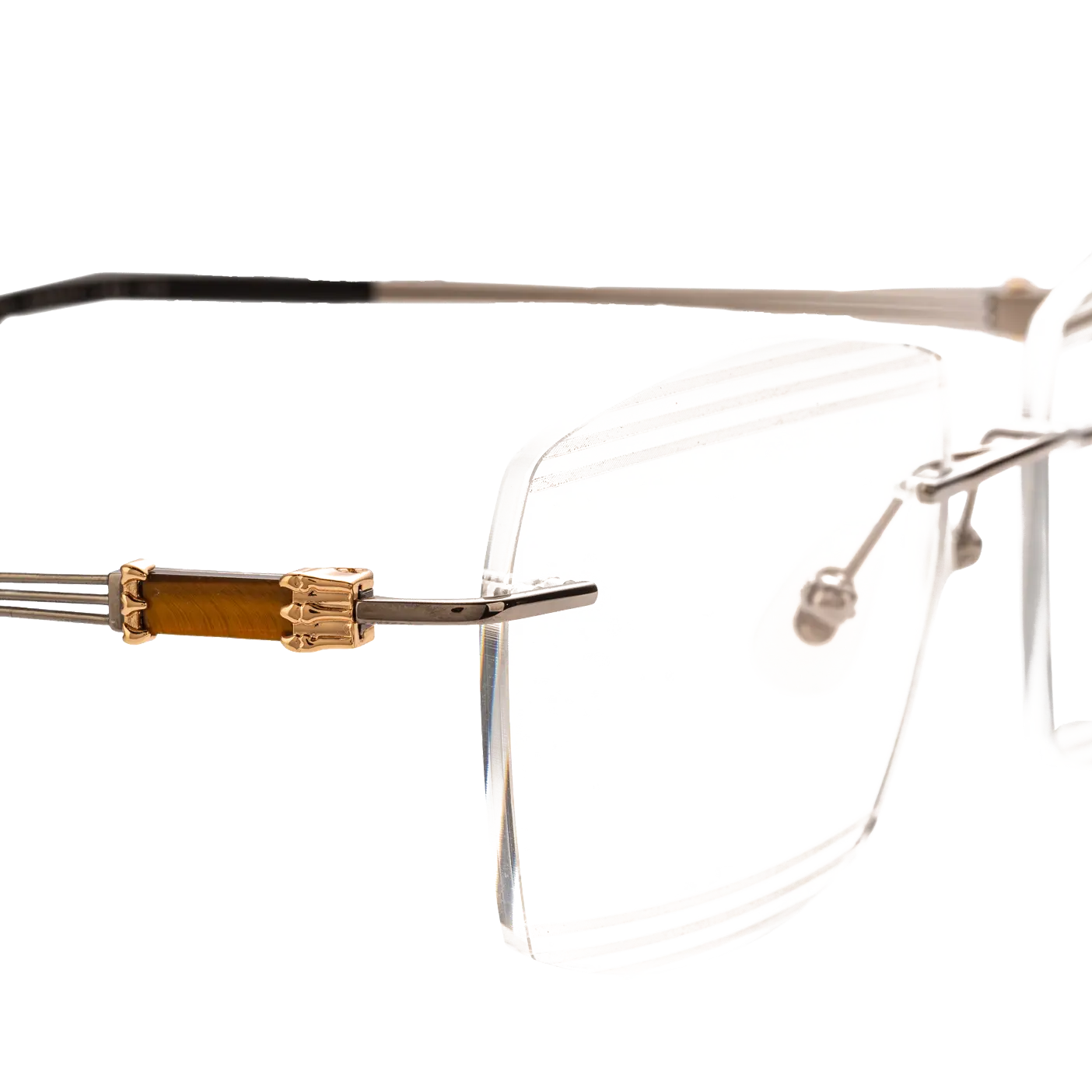
A pair that slides mid-swing is a distraction you don’t need over the ball. You want frames that stay put when you walk, bend, and rotate. Lightweight frames cut for outdoor glare with grippy nose pads and titanium temples sit quiet and stay where you put them, round after round.
Mirror and photochromic lens options
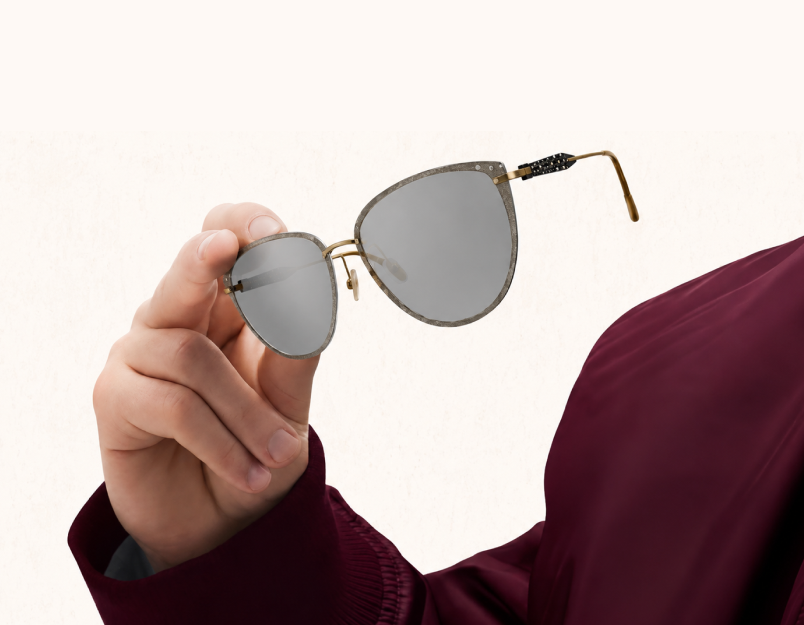
Mirror coatings trim brightness on sunny days, with the effect tied to the coating’s color and density. Photochromic lenses adjust on their own as light changes, which suits anyone who plays from sunrise into midday. Just steer clear of solid black or silver mirrors that can flatten color and hide your ball.
Conclusion
The best lens color for golf depends on your light and your course, but copper, rose, amber, and brown deliver every time. Warm tints lift contrast, make the ball easier to track, and bring subtle green breaks into focus.
Play mostly in bright sun? Brown or copper. Early tee times and gray skies? Rose. Want one tint for everything? Amber. Just keep gray, green, and blue off the course if course detail is the goal.
Color is only half of it. The pair worth keeping also sits light, stays put through the swing, and blocks 100% of UV. That’s the thinking behind Bling Optical’s rimless line: titanium-light frames, secure jade nose pads, and a quiet fit you stop noticing, the same way good lightweight rimless eyewear disappears off the course. Get the tint and the fit right, and every round feels a little clearer.
|
The one-pair mindset. If you golf in mixed light and don’t want to fuss, copper in a light, secure rimless frame covers more rounds than any other single setup. |
FAQs
What color tint is best for golf?
Copper, rose, amber, and brown are the top tints. They raise contrast and make course detail easier to see. Copper is the strongest all-round pick.
What lenses are best for seeing golf balls?
Copper, rose, and amber help the ball stand out against grass and sky. Warm tints separate the ball from green turf better than any cool color.
Are green or brown lenses better for golf?
Brown wins. It gives stronger contrast on fairways and greens. Green keeps colors accurate but flattens the detail you need to read breaks.
Is a blue lens good for golf?
Honestly, no. Blue blocks UV fine and it looks great, but on a course full of green it does nothing for contrast. You’d be picking it for the look, not the help it gives your game.
Do polarized lenses help you see golf balls better?
They take the glare down and your eyes feel fresher by the back nine, so comfort-wise, yeah. The catch: a lot of players swear polarized lenses mess with reading greens, since they kill the shine off the grass that tips you off to the slope.
What color lens is best for golfing?
If you only want one, go copper. It reads greens, tracks the ball, and holds its contrast whether the sun’s out or hiding. Hard to go wrong with it for most rounds.
Why do most PGA golfers not wear sunglasses?
A lot of them just trust their bare eyes. The worry is that a lens, even a good one, nudges depth perception or throws off a green read at the worst possible moment. It comes down to feel, not any actual rule.
What sunglasses do PGA pros wear?
The ones who do wear them lean on sport brands like Oakley, Nike, and Maui Jim. Almost always a golf-tuned lens, warm or high-contrast, made to hold up over four-plus hours outside.
Sources
- American Academy of Ophthalmology, How to Choose the Best Sunglasses to Avoid Sun Damage
- American Academy of Ophthalmology, Recommended Types of Sunglasses
- Harvard Health Publishing, Polarized Sunglasses: Protecting Your Eyes From Harmful Glare
- Cleveland Clinic, Polarized vs. Non-Polarized Sunglasses

Looking for something else?

Best Frames for Thick Lenses (Men & Women Guide)
LEARN MORE
How to Fix Loose Glasses in 3 Simple Steps (At Home Fast)
LEARN MORE
Popular Glasses for Men 2026 Styles for Professionals
LEARN MORE
Eye Makeup with Glasses Tips for a Stunning Look
LEARN MORELooking for something else?

Who Invented Glasses and How They Changed the World
LEARN MORE
Diy Eyeglass Cleaner Guide for Crystal Clear Lenses
LEARN MORE
Best Glasses for Oblong Face Shapes
LEARN MOREYou may also like


Further reading
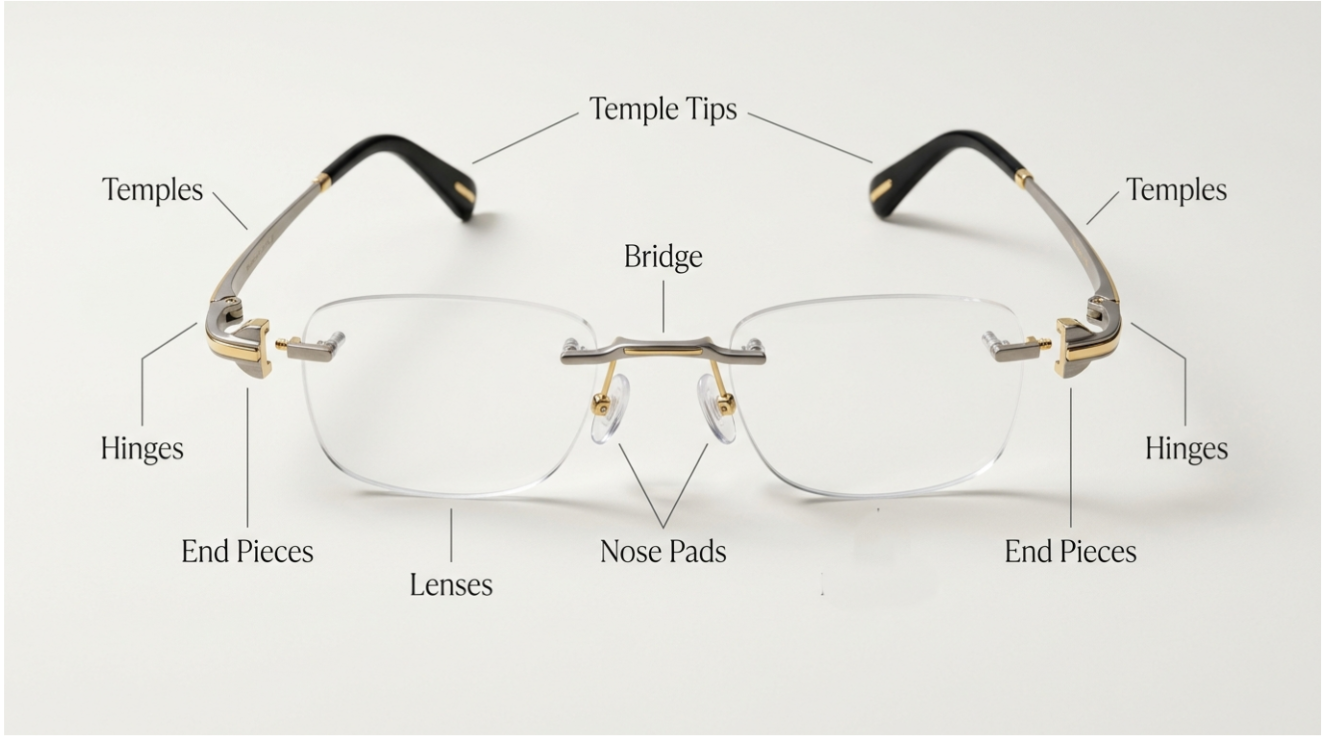
Parts of Glasses Explained: Frame, Bridge, Temple, Nose Pads and Lenses
What Are High Index Lenses and Who Needs Thinner Glasses?
Do Glasses Make Your Eyes Worse? What New Wearers Should Know