How to Keep Glasses and Sunglasses From Fogging Up
Let me give you the quick answer up front. Glasses fog because warm, damp air hits a lens that's cooler than the air around it. So really, you've got two ways to beat it: keep that air off the lens, or treat the lens so the water just can't stick. Seal up your mask, wipe a drop of dish soap on, throw a cloth in your bag. That covers most of how to keep glasses from fogging, honestly — masks, walking into warm rooms, the steam coming off your tea.
You know exactly the moment I mean. You come in from the cold, the door shuts behind you, and bam, you can't see a thing. So you stand there blinking like an idiot, wiping the lenses on whatever shirt you've got on, waiting it out. At a bus stop, sure, it's only annoying. But over a hot stove or out on the road? That's a whole different thing. And look — fogging happens to everyone who wears glasses, that part's a given. What I want you to know is that you can stop most of it before it ever starts.
So here's where we're headed. First, why this even happens. Then the fixes that actually hold up day to day — plus which home remedies are worth a go and which ones quietly trash your lenses. Last, picking frames that don't fog up so much in the first place.
|
THE 30-SECOND VERSION Get the top of your mask sealed before anything else — pinch the nose wire, or run a bit of skin-safe tape across it, and the fog mostly quits. Lenses still going? Wash them with a drop of mild dish soap and let them dry on their own. Leaves a thin film that fights the fog. Keep wipes or a spray around for the everyday stuff. And leave the toothpaste, vinegar, and spit alone — all they'll do is scratch your lenses or strip the coating. |
Why Do Glasses Fog Up?
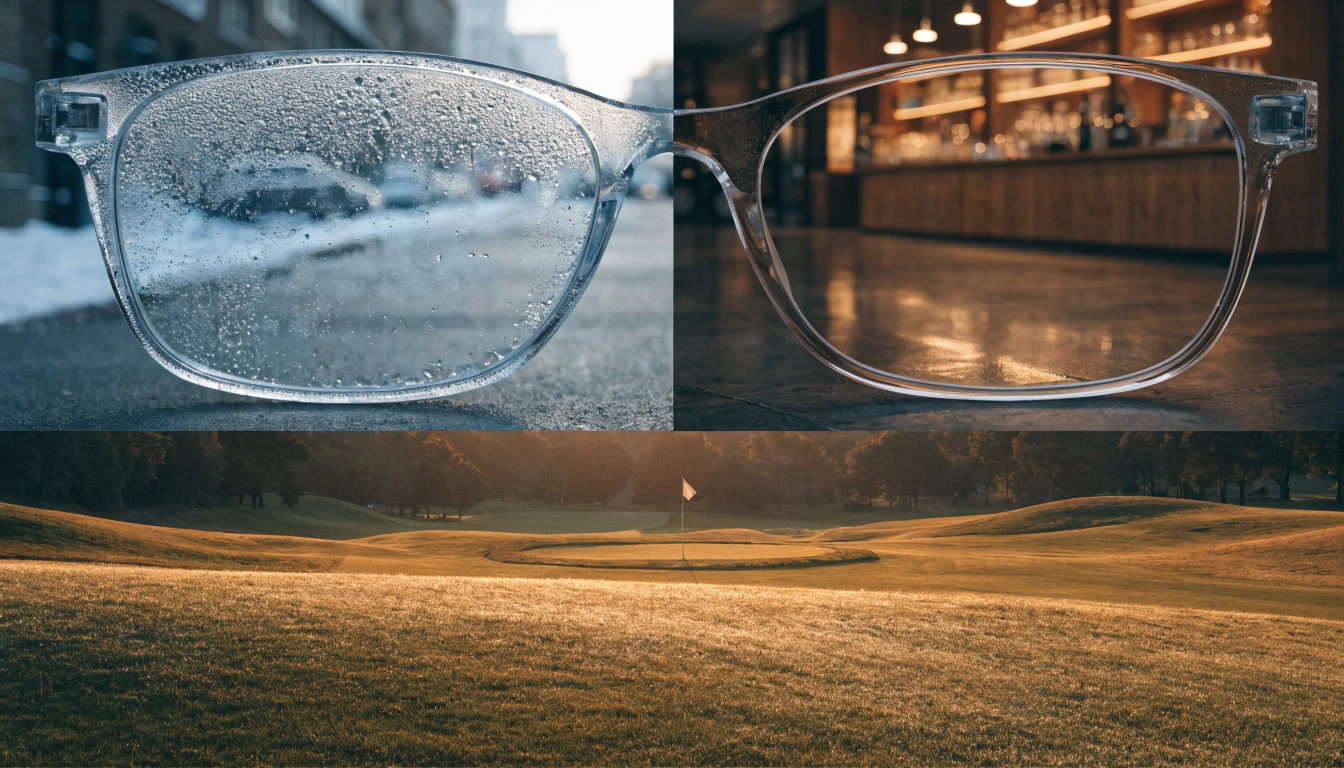
Think about a cold glass of lemonade sweating on a summer afternoon — same thing, basically. Condensation. There's water riding around in the air all the time, you just can't see it because it's vapor. Then it touches something cold enough — your lens — and it can't stay vapor, so it dumps itself onto the glass as a bunch of tiny droplets. Those droplets kick light off in every direction, and that's the cloudy mess you're stuck peering through (Source: U.S. Geological Survey, USGS, 2024).

Your lenses run a bit colder than your breath most of the time, so honestly one warm exhale will do it. What really tips it over, though, is when your breath's got nowhere to escape — a mask, a scarf pulled up over your chin. Or a quick temperature swing, like ducking in from the cold straight into a warm room. Or just damp air all around you: gym sweat, the steam off your coffee, a sticky day.
Get all three lined up at once — cold morning, mask on, walking fast — and you'll be fogged before you've even made it across the street.
Why Masks Make Fogging Worse
A mask reroutes everything you breathe out. Instead of just drifting off into the air, it gets funneled up through the gap at the bridge of your nose and lands smack on the back of your lenses. For most people, that loose mask is the entire problem, right there.

The folks at the American Academy of Ophthalmology put it about as plainly as it gets: pinch the top of the mask to the shape of your nose, tighten up the sides, and the warm air heads out the bottom instead of straight up (Source: American Academy of Ophthalmology, AAO, 2024). Then drop your glasses down over the top edge of the mask, and that pretty much pins the whole seal shut.
How to Keep Glasses and Sunglasses From Fogging
It really comes down to two jobs — keep the warm air off the glass, or make the glass slick enough the droplets can't get a grip. Pretty much everything that works is some version of one or the other, so I've grouped the fixes that way instead of dumping ten random tips on you. Start wherever your fog is coming from.

If it's your mask doing it
This is where most fog starts, so start here. Pinch that nose wire down good and tight — and if your mask hasn't got one, fold a tissue the long way and tuck it across the bridge of your nose, which works like a little dam. Honestly, nine times out of ten that's the whole fix right there. If it's not quite enough, wear the mask a touch higher than feels natural and let your frames rest on the top edge; their weight closes off the gap. And for a really stubborn seal, a strip of medical or athletic tape across the top of the mask shoves your breath out the sides instead of up — just test it on your arm first, since not everyone's skin loves the adhesive. One more that costs nothing: rest your top lip slightly over the bottom one and aim each breath at the floor. Sounds daft, helps more than you'd think.
Treating the lens itself

Now the other half — making the glass slippery. The cheapest version is dish soap, and it genuinely works. One drop, rubbed over both sides, a quick rinse, then either air-dry it or barely skim it with a microfiber cloth. What's left is a thin soapy film that cuts the surface tension so water lays out flat instead of clumping into mist. No internet fad, either — surgeons have leaned on that one for years (Source: National Library of Medicine, NIH/PMC, 2021). If you'd rather not faff with soap every time, anti-fog wipes and sprays do the same job with a hydrophilic coating that stops droplets cold — wipes live happily in a bag or glovebox, sprays go on a clean, dry lens. Just read the label, because anything made for car windshields or helmet visors will chew through your lens coatings. And keep the lenses clean while you're at it: dust and fingerprints give fog something extra to grab, so rinse off any grit before you wipe or you'll just scratch them.
When it's really the frames or the lenses
Sometimes the fix is the glasses themselves. Sliding them a little farther down your nose — or having an optician open the nose pads a hair — lets the warm air slip past before it reaches the lens, though don't go so far your vision goes soft. Frame shape matters too: wraparounds and anything pressed flat to your cheeks trap the heat, while a pair that sits slightly off the face lets air move. For summer, lightweight sunglasses that breathe on warm days keep that airflow without making you look like you're about to play racquetball. And if none of it sticks, there's always the nuclear option — no lens, no fog. For a hard gym session, a long mask shift, or a steamy kitchen, contacts sidestep the whole headache. Get fitted by your eye doctor before you switch, though.
|
TIP — STACK TWO FIXES One trick on its own rarely does the whole job. Seal the mask AND keep a wipe handy, and you're in far better shape than pinning all your hopes on a single fix. Ask any optician — they'll tell you the same thing: double up. |
DIY Anti-Fog Solutions That Actually Work
Home fixes are great in a pinch — just know they don't last, and a couple of them will actually hurt your lenses. The safe ones all do the same basic thing: leave a gentle film behind that changes how the water behaves on the glass.
The dish-soap film is the one I'd reach for first. Warm water, a tiny drop of mild soap, let it air-dry — that's it. It's the most reliable of the lot, and the same one operating rooms have sworn by for ages. If you'd rather keep something premixed around, you can stir a trace of mild soap into warm water in a little spray bottle. Keep it gentle, though. No vinegar, no alcohol, no ammonia, definitely no hand sanitizer — all of that strips the coating and ends up fogging the lens worse over time.
Honestly, DIY is best saved for when you've been caught out — a quick walk, a short stint in a mask, fog that came out of nowhere. For the everyday stuff, a lens-safe wipe is just tidier and won't leave gunk behind.
Anti-Fog Products Worth Buying
When the home tricks stop cutting it, there are a few products genuinely worth paying for. The trick is matching what you buy to how often you fog up, and where. Sprays are your everyday workhorse — clean lens, light coat, let it dry. Wipes are the ones you shove in a work bag or gym kit for when you need them. And anti-fog cloths you can use over and over, polishing the lens as they go.
Now, if you're fogging up every single day, do yourself a favor and stop reapplying — just get the lens treated instead. A lot of anti-reflective coatings already come with a water-shedding finish baked in, and a proper anti-fog coating will hold its own through cold snaps, masks, the whole lot (Source: Healthline, 2024). Bring it up next time you're ordering lenses, and ask how to look after the coating too — the wrong cleaner wears it off early.
Choose Better Frames to Fog Less
Fit matters way more than people give it credit for. A frame mashed flat against your cheeks just bottles the heat right up against the lens. One that keeps sliding down your nose? That funnels your breath straight up into them. What you actually want sits somewhere in the middle — stays put, but doesn't seal itself shut against your face.

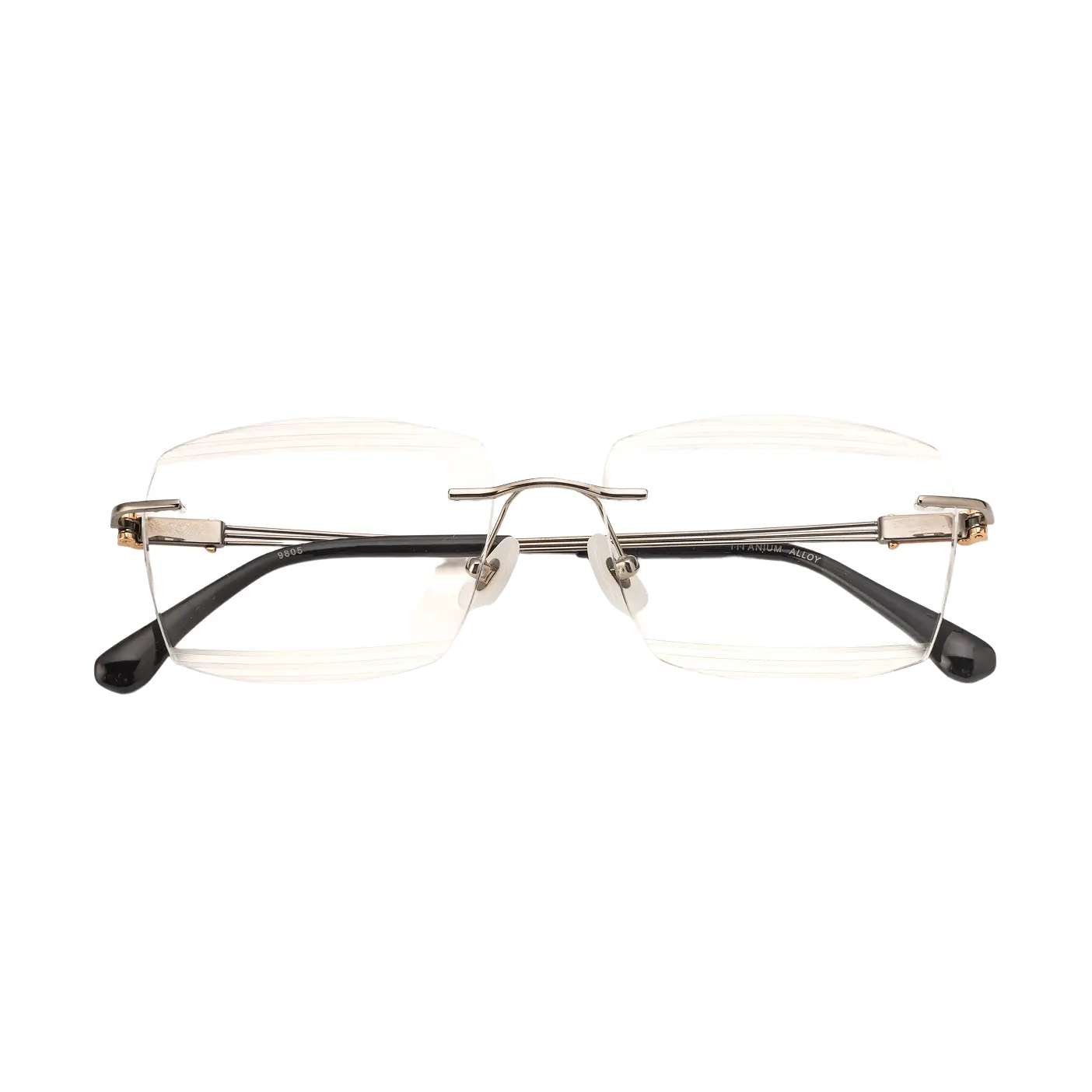
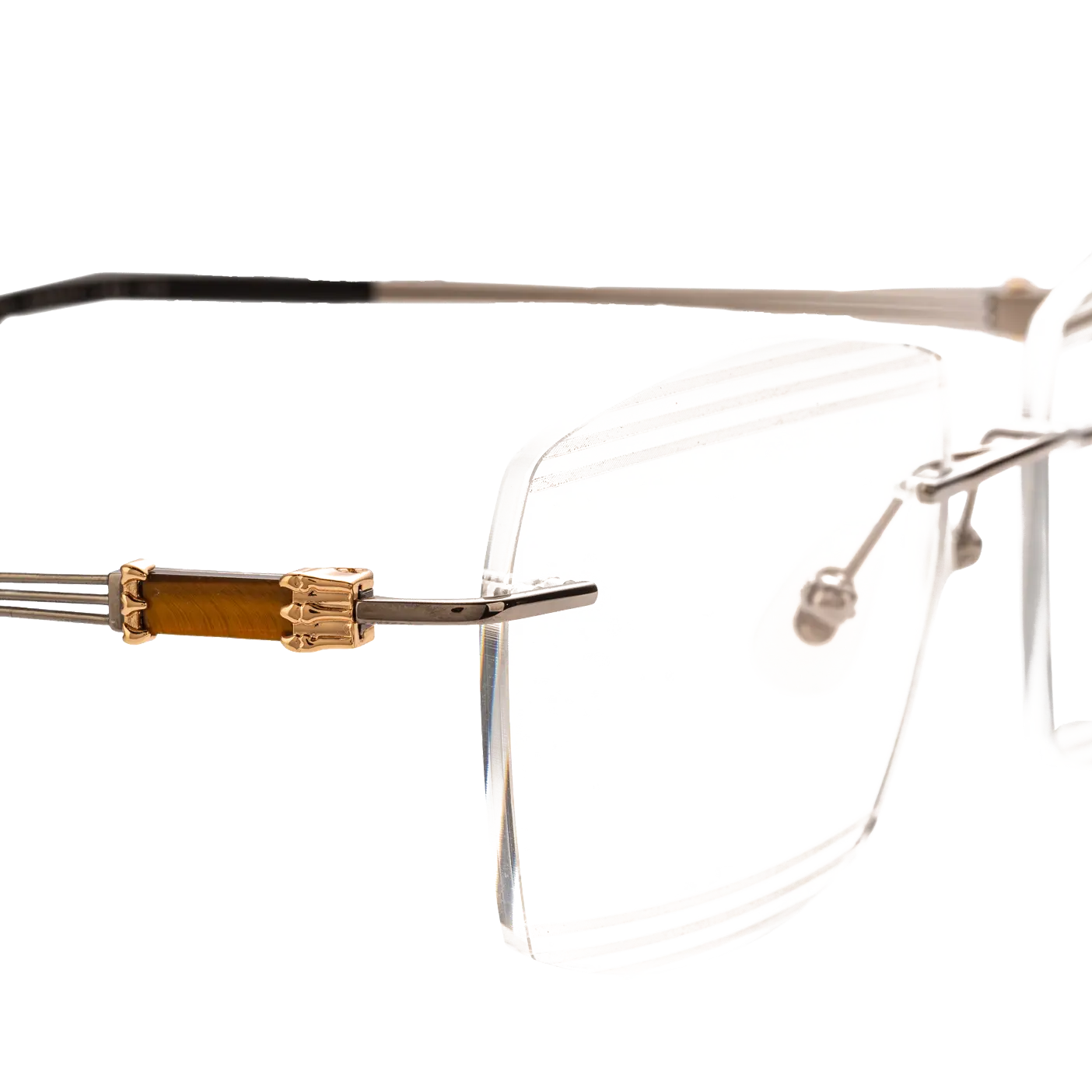
Take a light titanium frame with jade nose pads, for instance. It rides a hair off the skin, so the air keeps moving and the pads stay cool against your nose instead of warming up. And comfort's honestly half the battle — a pair that's pinching by lunchtime is a pair that ends up forgotten in a drawer. Our guide on how to choose glasses that stay comfortable all day walks through the fit and lens choices that play nicely with anti-fog wear.
Fog Hacks to Avoid
Some of the tricks floating around out there will clear the fog for about a minute — and leave a scar on your lens for good. Not worth it. A few to steer well clear of:
- Toothpaste — the grit cuts tiny scratches, and scratches just make glare and fog worse down the line
- Vinegar — acidic enough to eat the coatings right off a plastic lens
- Hand sanitizer — the alcohol dries out and wrecks the coating, and streaks all over it besides
- Saliva — spreads germs, smudges the lens, and does nothing that actually lasts
Stuck without anything proper? Plain warm water, mild soap, a microfiber cloth. Dull advice, I know. But it'll keep your lenses in one piece.

|
HEADS UP — NOT THE PAPER TOWELS A tissue or a paper towel feels soft enough, but it'll drag fine scratches right across the lens. Same goes for your shirt hem. Microfiber made for eyewear, every single time. |
Keeping Sunglasses Clear Outdoors
Sunglasses are really no different — it's the same old heat, sweat, and humidity getting trapped behind the lens. Out for a run or a ride? You heat up quick, so look for nose pads that hold and a frame that isn't sealed tight to your face. Hiking's a whole other animal — you're sweating one minute and hitting cool air the next, so just toss a wipe in your pack and don't think about it. And on the slopes, whatever you do, don't park your goggles up on your forehead — all that sweat sitting there just feeds the fog. Keep the vents clear instead.
Conclusion
When you boil it all down, fog is just warm moisture landing on a cooler lens. So go after the airflow first — and then, only if it's still bugging you, reach for a safe anti-fog fix.
Begin with the easy wins — seal the mask, sort the fit, give them a wipe with microfiber. Fogging up day after day? That's when a wipe, a spray, or a proper lens coating starts paying for itself. And those harsh hacks everyone keeps swearing by? Leave them where they are. They'll cost you more than they ever fix.
At the end of the day, clear vision is really just the right mix of fit, airflow, and a bit of lens care done properly. Throw in refined everyday eyewear at Bling Optical — a light frame that sits where it should and otherwise leaves you alone.
|
THE ONE-LINE TAKEAWAY Keep the air off, treat the lens, ignore the gimmicks. Fit and airflow do the real work — long before any spray ever comes into it. |
FAQs
What can I put on my glasses to keep them from fogging up?
Grab a lens-safe anti-fog spray or wipe if you've got one. No luck? A drop of mild dish soap covers you in a pinch. Either way you're changing how the water sits on the lens so it can't bead up into fog. Just keep anything with alcohol or ammonia away from it, and dry with a microfiber cloth — your shirt'll only scratch them.
Does dish soap stop glasses from fogging?
Yeah, it really does work — you just can't expect it to hold all day long. That thin bit of soap you leave behind kind of breaks the water up instead of letting it bead, so you can actually see. Warm water's your friend here, let 'em drip dry on their own, and skip the fancy soaps loaded with moisturizer or strong scent. You'll only end up with streaks.
How do I make my own anti-fog solution at home?
Honestly, calling it a recipe is generous. Little bit of warm water, a small dab of mild dish soap, rub it on nice and easy, then buff it off with a microfiber cloth. Done — that's the whole thing. The one rule is don't get clever with it. No vinegar, no rubbing alcohol, none of that hand sanitizer business — it eats straight through your lens coating, and then you're worse off than when you started.
Are anti-fog sprays safe for eyeglass lenses?
Long as the bottle says it's for glasses, you're grand. Where people get burned is grabbing a spray built for windshields or a helmet visor — that kind can wreck the coating on your lenses. So give it a flip, check what it's actually for, and only ever spray a clean, dry lens.
How do surgeons keep their glasses from fogging?
Pretty much the same tricks you've got. They get the top of the mask sealed tight, and a lot of them wash their lenses in soapy water first to leave that thin anti-fog film. So really, that's the whole game — kill the warm breath, prep the lens, off you go.
Why do my glasses fog up so quickly with a mask?
It's your own breath doing it. Warm air sneaks out the top of the mask, hits the cold lens, and boom — fogged in a second or two. Pinch that gap shut at the bridge of your nose and most of it just never happens.
Do anti-fog lens coatings actually work?
They do, yeah — and if you're fogging up daily, that's your steadiest bet. The coating stops the droplets forming in the first place, so it pulls its weight in the cold, under a mask, in a steamy room. One catch: ask your optician how to clean it. Wrong cleaner and that coating's gone in no time.
Which fog hacks should I avoid?
Toothpaste, vinegar, hand sanitizer, spit. They either scratch the lens, strip the coating, or just plain don't work. Honestly? Warm water, mild soap, a microfiber cloth. That's the whole safe list.
Sources
- U.S. Geological Survey, .gov science explainer on condensation and why chilled lenses fog
- American Academy of Ophthalmology, ophthalmologist-reviewed tips for wearing a face mask without fogging your glasses
- National Library of Medicine (PMC), peer-reviewed method for preventing spectacle fogging while wearing a mask
- Healthline, medically reviewed guide to stopping glasses from fogging up
- Purdue University EHS, university safety-office recommendations to keep glasses from fogging

Looking for something else?

Best Frames for Thick Lenses (Men & Women Guide)
LEARN MORE
How to Fix Loose Glasses in 3 Simple Steps (At Home Fast)
LEARN MORE
Popular Glasses for Men 2026 Styles for Professionals
LEARN MORE
Eye Makeup with Glasses Tips for a Stunning Look
LEARN MORELooking for something else?

Who Invented Glasses and How They Changed the World
LEARN MORE
Diy Eyeglass Cleaner Guide for Crystal Clear Lenses
LEARN MORE
Best Glasses for Oblong Face Shapes
LEARN MOREYou may also like


Further reading
Parts of Glasses Explained: Frame, Bridge, Temple, Nose Pads and Lenses

What Are High Index Lenses and Who Needs Thinner Glasses?
Do Glasses Make Your Eyes Worse? What New Wearers Should Know