


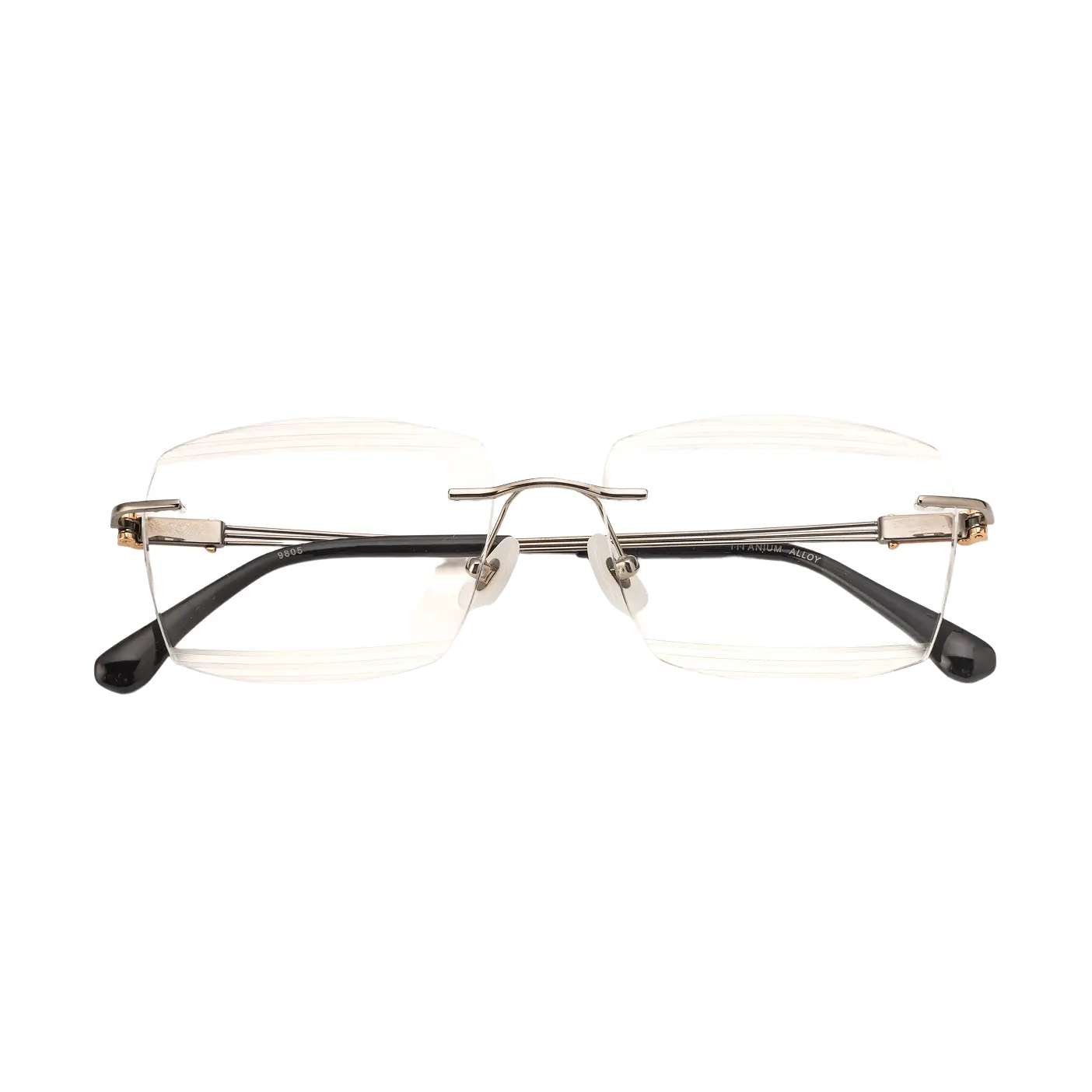
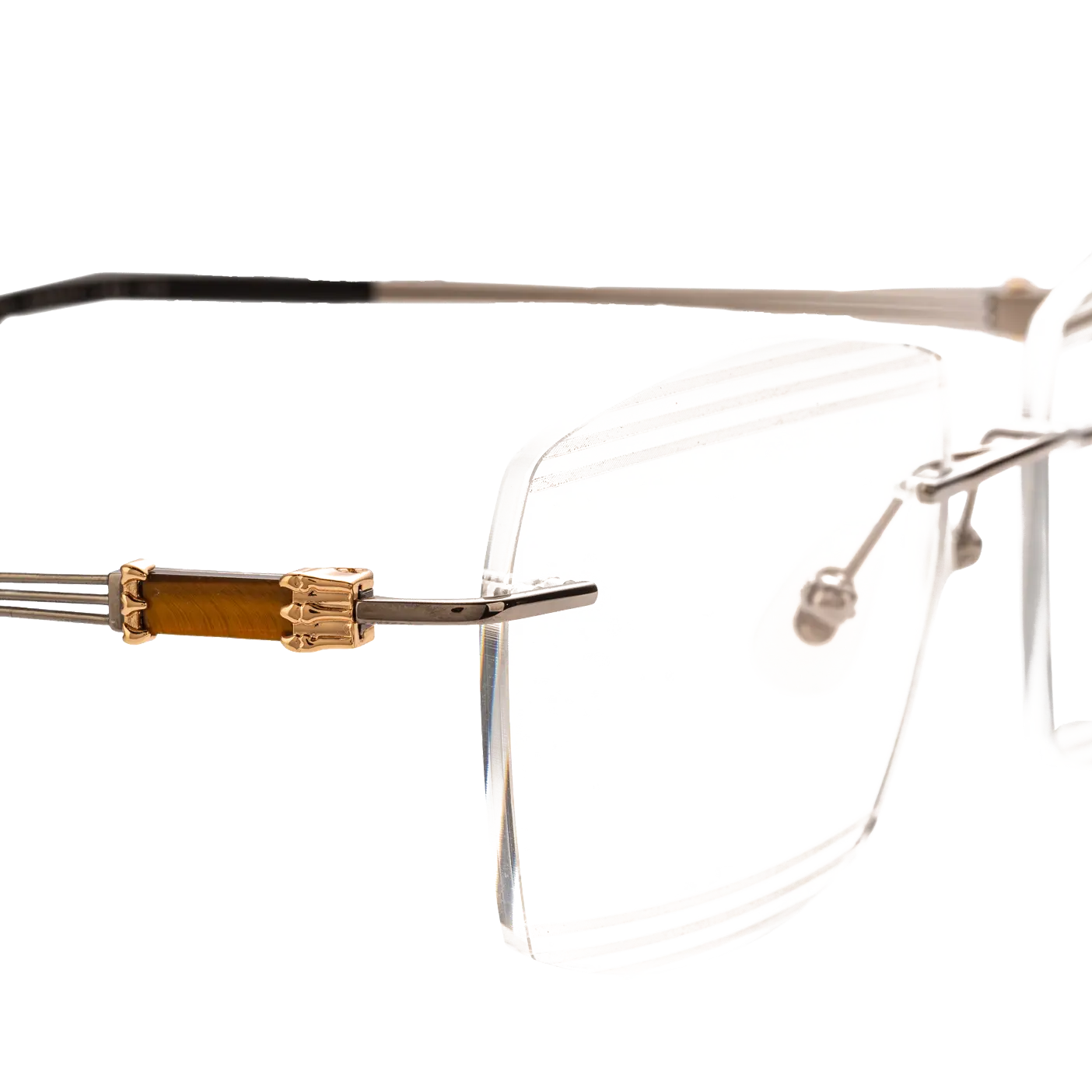

Broken Glasses: What You Can Fix at Home and When to Replace Them
Glasses never break at a convenient time. Mine went at the bridge the night before a flight, and there I was at midnight, genuinely weighing up whether a tape job would make it through airport security. So yeah, I know the small panic that comes with it. Here's the reassuring part, though: most breaks look worse than they are, and you can handle the majority of them at your kitchen table in a few minutes.
So what's actually fixable? Loose screws, a nose pad that's gone missing, a frame that's bent a little out of true. All yours. A cracked lens, a snapped bridge, a frame in two pieces? That one you leave alone. Not because you couldn't have a go, but a clumsy repair throws off how the lenses line up, and then your eyes are quietly straining all day and you've no idea why.
The short version: loose screw or nose pad, fix it yourself. Bent metal, go gently. Snapped frame, broken bridge, cracked lens — that's an optician. And if it won't sit straight after you've fiddled with it, leave it level and walk it in.
Check the Damage Before You Touch Anything
Thirty seconds of looking saves you from a $5 mistake turning into a new pair. Two questions, really: where did it break, and what's the frame made of? Hold the glasses up to a window and find your situation on the table.

|
What's wrong
|
DIY risk
|
What to do
|
|
Loose hinge screw
|
Low
|
Tighten it yourself
|
|
Missing nose pad
|
Low
|
Snap in a replacement
|
|
Arm wobbles, hinge intact
|
Low
|
Tighten the screw
|
|
Bent metal frame
|
Medium
|
Gentle DIY, or optician
|
|
Bent plastic frame
|
Medium–High
|
Lean toward optician
|
|
Scratched or cracked lens
|
High
|
Replace the lens
|
|
Snapped bridge or frame
|
Very High
|
Professional repair or new pair
|
One thing to watch: if one lens sits higher than the other after you adjust the frame, put the tools down. Crooked lenses move the spot you actually look through, and the American Optometric Association ties that kind of misalignment to eye strain and headaches.
What You Can Fix at Home

Almost everything safe to fix yourself falls into one of three jobs, and a single cheap kit covers the lot. You want a drugstore eyeglass repair kit: a tiny screwdriver, a few spare screws, some washers, a handful of nose pads. About $10. Honestly, grab one now and stash it in a drawer, because you'll always need it on the night the shops are shut.
A loose or missing screw
Nine times out of ten, a wobbly arm just means the hinge screw worked its way loose. Not broken. Loose.

-
Set the frame flat so the hinge has something to push against.
-
Fit the screwdriver and turn clockwise, slowly, a little at a time.
-
The second it feels snug, stop. Crank it too hard and you strip the thread — now the screw spins and grips nothing.
-
Lost the screw completely? A trimmed toothpick or a bit of thin wire jammed through the hinge will hold the arm until you can get a proper one matched at an optical shop. Ugly, but it works.
A worn or missing nose pad
Nose pads go flat and yellow over the years, and now and then one just falls off. Hold the old pad next to the new one and match the shape before you fit it — they're not all the same. Most snap on or take a tiny screw. Give the metal arm a quick wipe first so the new pad sits clean.
A tape fix to get you through the day
Frame let go while you're out and nowhere near a kit? Tape. Medical or fabric tape holds far better than the shiny office stuff. Wrap it thin so the arms still fold. This is a get-home patch, nothing more — sort out a real fix in a day or two, before the adhesive goes soft and the frame starts to slide around.
Fixing Broken Frames by Material
Metal and plastic behave nothing alike under heat and pressure. The trick that saves one wrecks the other, so check what you're holding before you bend a thing.
Bent metal frames

Metal gives if you're patient. Wrap it in a soft cloth so you don't mark the finish, then coax it back in small nudges — not one big bend. Feel it resisting? Stop right there. A slightly crooked metal frame is an easy fix for an optician; the snapped one you'd make by forcing it is not. And if a frame keeps drifting out of shape, that's usually it telling you to start looking at rimless glasses for comfortable daily wear that hold their line.
Bent acetate or plastic frames
Plastic softens with a little warmth and cracks when it's cold and you force it. Dunk the frame in warm — not boiling — water for twenty or thirty seconds, then ease it into shape while it's still pliable. Keep flames and direct heat well away. A lighter or a stove burner will scorch the surface and can ruin the lens coatings underneath.
Should You Use Glue on Broken Glasses?
Glue is what half the internet reaches for, and fair enough — it's genuinely useful on one thing, a small crack in a plastic frame. Go beyond that and it usually leaves you worse off than before. The lens is the real danger zone here. One stray smear of the stuff and it's clouded permanently. No polish, no trick, nothing brings it back.

|
Adhesive
|
What actually happens
|
Verdict
|
|
Super glue
|
Grabs a small plastic crack fast and dries hard. A single drop near the lens leaves a cloudy mark that never comes off.
|
Last resort, keep it away from lenses
|
|
Gorilla Glue
|
Foams up as it cures, leaving residue and pushing the frame slightly out of true.
|
Honestly, skip it
|
|
Two-part epoxy
|
Sets slowly, so you've got time to line things up; the clear kind looks tidier.
|
Best of a bad bunch
|
Whatever you grab, keep in mind that any glue shifts how the frame sits, and an uneven join nudges the lens off-centre from your eye. Past a hairline crack in plastic, think of glue as a bandage. Plan the real fix soon after. It buys you a day or two, that's all.
When to See a Professional
Some breaks look like nothing and quietly turn into a headache, and a few you really shouldn't be patching at all. These ones, just take in. As the American Academy of Ophthalmology notes, damaged lenses can get in the way of seeing clearly and comfortably, so the situations below aren't worth chancing.

-
Cracked lens. It can spread, and the edges near your eye get sharp. Replace it — don't glue it back.
-
Deep scratch. Scratches scatter light and make driving at night harder. Those polishing hacks online strip the coating and leave the view worse, so a new lens is the safe bet.
-
Snapped bridge. The bridge holds everything together. Even a glued join stays weak, and a stronger prescription only makes that worse.
-
Broken hinge. Fixing one usually means drilling or a rivet. That's a job for someone with the right tools.
-
Crushed frame. Too many hidden weak spots. It rarely holds a true shape again, so replacing it is the calmer call.
-
There's more to an optician than tightening and gluing. They re-centre the lenses to your eyes, which is the same fussy precision behind how lenses are aligned to your eyes on a decent pair from the start. That bit is engineered. You can't really eyeball it at the kitchen table.
Repair or Replace? How to Decide

Repairing isn't automatically the cheaper option, which catches people out. A minor fix is under $50 at most shops, true. But specialty lenses, new coatings, or a frame that keeps giving up on you can quietly add up to more than just buying fresh. Four questions tend to sort it out:
-
What's the fix going to cost next to a new pair?
-
Is your prescription still current, or are you overdue for an exam?
-
How many places is the frame actually damaged?
-
Are the coatings already worn or hazy?
Small fix, good lenses? Repair it, no question. But if you found yourself nodding at the worn coatings and the old prescription, a new pair sorts out far more than the break ever could. The CDC recommends regular eye exams anyway, and no amount of patching a tired frame sharpens vision that's already drifted. A new pair also resets the clock, so it's worth seeing what our warranty covers on a new pair before you pour money into a repair that might not see out the month.
How to Stop Glasses Breaking Again
Most breaks come from the same handful of habits — pressure, heat, and one careless second. Easy enough to head off:

-
Keep them in a hard case when they're off your face. Not loose in a bag with your keys.
-
Take them off with both hands — pulling from one arm slowly twists the frame and works the hinge loose.
-
Don't sleep in them. And don't leave them on the pillow, where they get crushed.
-
Skip the hot car. Heat warps plastic and loosens lenses.
-
Tighten a wobbly frame early, before it slides off and hits the floor.
-
Frame quality really shows itself in the day-to-day. Take a lightweight titanium pair that resists daily wear — the Avina, for one, built on a titanium frame with screwless construction and jade nose pads. It settles onto the bridge and stays there. Fewer screws to work loose, fewer weak points to give out by the end of a long day.
Conclusion
A broken pair doesn't have to mean a new one. A loose screw, a missing nose pad, a frame bent a touch out of line — a kit and a spare minute keep you going. The serious stuff, your cracked lenses and snapped bridges and crushed frames, goes to someone with the proper tools who'll set the alignment back the way it should be. And once the repairs start stacking up, or your prescription has long since moved on, buying fresh is just the sensible play.
And when you do decide it's time for a new pair, that's the whole thinking behind our luxury rimless glasses built to last — light titanium, edges finished by hand, and a 60-day warranty so a single bad day doesn't leave you squinting. Fix the small stuff, look after the rest, and if glasses are how you get through the day, do yourself a favour and keep a backup.
Fix what's small. Replace what's not. Subscribe and get 10% off your first rimless glasses purchase.
FAQs
How can I fix my broken glasses at home?
For the small stuff, plenty. A loose hinge screw gets tightened, a missing nose pad gets snapped back in, a wobbly arm gets sorted — and a repair kit with all of it runs under $10. The line you don't cross: cracked lenses and snapped frames. Those go to an optician.
Can snapped glasses be repaired?
Depends what snapped and where. A plastic arm might cling on with epoxy for a little while, enough to limp through a week. Metal frames and broken bridges are a different story, though, and those almost always want a professional.
How do I fix glasses when the arm falls off?
Look at the hinge before anything else. Usually the arm came off because a screw loosened or dropped out, so you just tighten it back up or pop a spare one in from a kit. Whatever you do, don't glue the hinge — the arm's meant to fold, and glue kills that.
Can super glue fix broken glasses?
On a small plastic crack, it'll buy you some time. The catch is the lenses: get even a speck near them and you're left with a cloudy patch that's there forever. So if you use it, use a tiny bit, and don't kid yourself it's permanent.
Can Gorilla Glue fix glasses?
I wouldn't. The stuff expands while it sets, so you're left with foamy gunk around the break and a frame that sits a bit wonky afterwards. When something genuinely needs gluing, two-part epoxy behaves itself far better — it gives you a moment to get the pieces lined up first.
Is it worth repairing broken glasses?
When it's something minor and the lenses are fine, of course it is — no sense buying new over a loose screw. It gets murkier once the frame's cracked in more than one spot, or the coatings have clouded over, or you're already overdue for an eye test. By then you're spending money to keep something on its way out.
Is it cheaper to repair or replace glasses?
Nearly always cheaper to repair, at least at first — loads of shops will adjust a frame for free or pocket change. What tips the scales is lenses: once you're paying for new ones, fresh coatings, or you're back for the third repair on the same pair, buying new starts to look like the bargain.
Can my eye doctor fix my broken glasses?
Yeah, surprisingly often. Tightening screws, swapping nose pads, nudging a bent frame back into shape — that's routine stuff at the counter, and they'll sometimes do it free if you bought the glasses there. For the bad breaks they'll either send it off to a specialist or tell you straight that it's time for a new pair.
A quick note: this is general care guidance, not medical advice. If your vision feels off after a repair, see your eye care professional.
Sources
- American Academy of Ophthalmology — eye health and damaged-lens vision guidance
- American Optometric Association — lens positioning and eye strain
- Cleveland Clinic — safe lens cleaning and eye care
- CDC — vision health and regular eye exams

Looking for something else?

Transition Lenses — Seamlessly Adapt to Every Light Condition
LEARN MORE
Beyond the Trends What Glasses Are in Style for 2026
LEARN MORE
2026 Eyeglasses Trends for Women — Styles Defining This Year
LEARN MORE
2026 Vision — The Future of Eyewear and What to Expect
LEARN MORELooking for something else?

How to Make Your Sunglasses Tighter and More Secure
LEARN MORE
10 Celebrities Who Prove Glasses Are the Ultimate Accessory
LEARN MORE
Why Tinted Prescription Glasses Are the Next Big Thing
LEARN MOREYou may also like
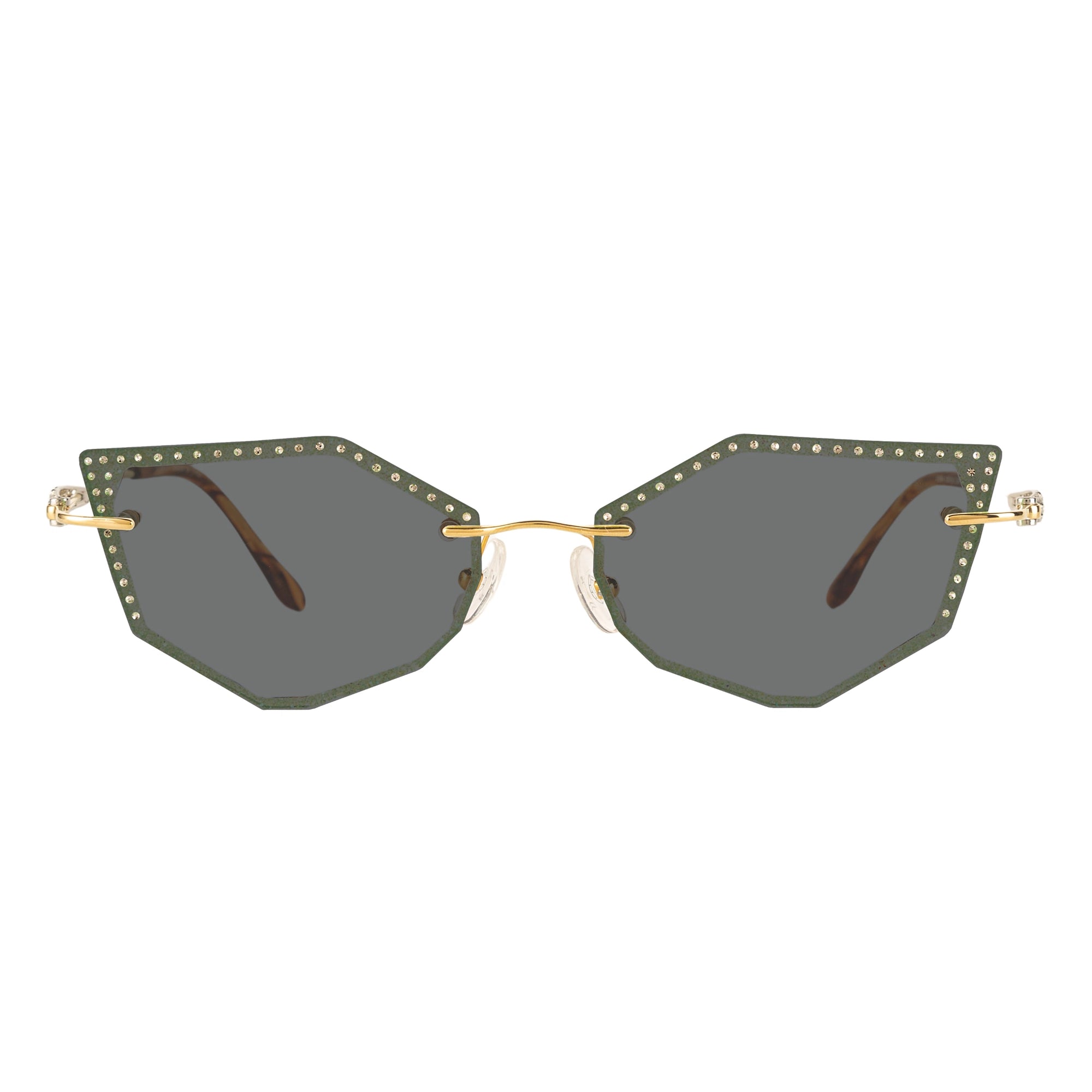
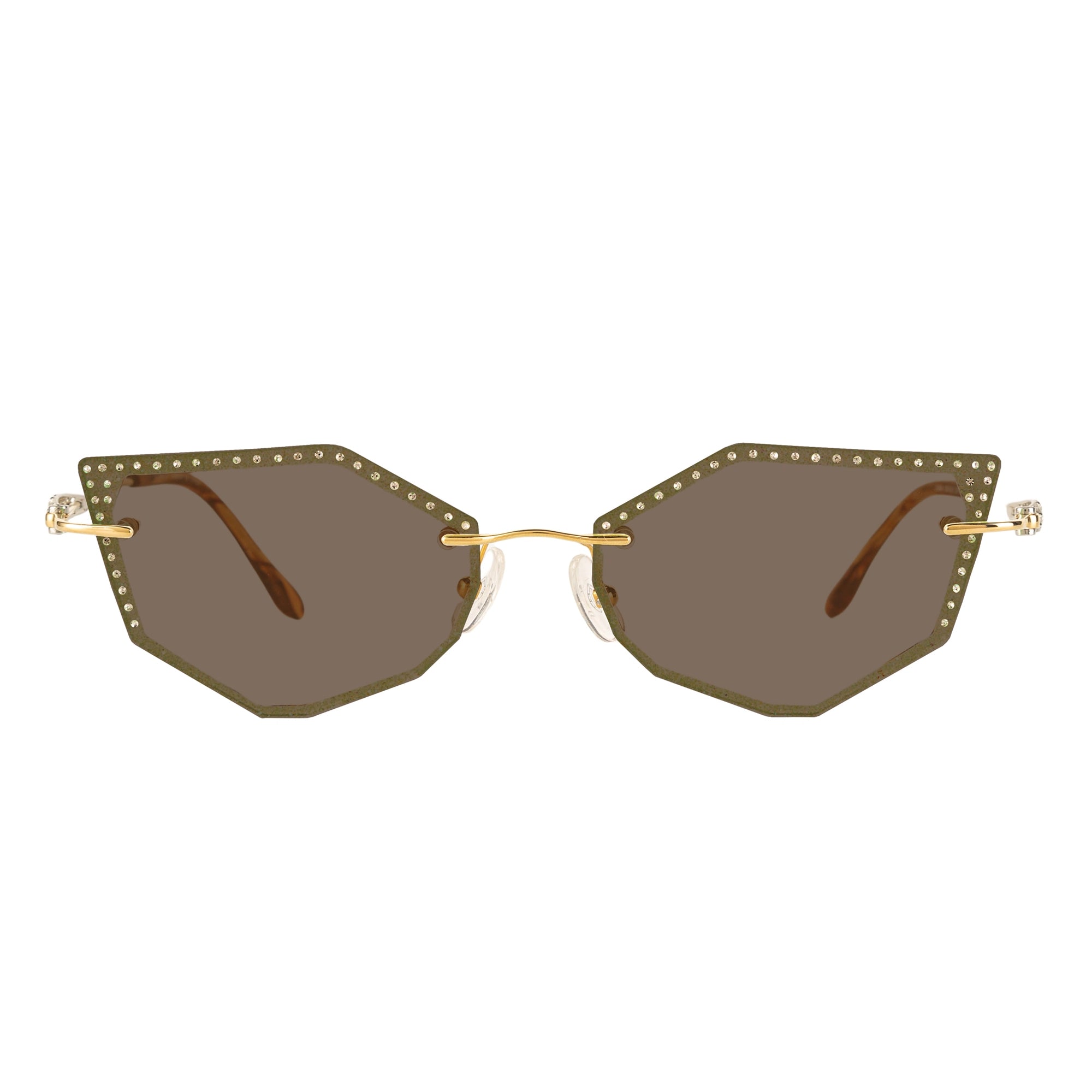
Emerald Cat-Eye · 18K Gold-Plated Titanium · Crystal Accents


Further reading
Broken Glasses: What You Can Fix at Home and When to Replace Them
Glasses never break at a convenient time. Mine went at the bridge the night before a flight, and there I was at midnight, genuinely weighing up whether a tape job would make it through airport sec...
How to Read a Glasses Prescription: OD, OS, SPH, CYL, Axis and ADD
This guide walks through every code on a glasses prescription — OD, OS, SPH, CYL, Axis, ADD, and PD — so you can read your own numbers and order lenses without second-guessing them.
Most people ge...
Average Pupillary Distance and How to Measure PD at Home
This guide shows you the normal PD ranges, the difference between single and dual PD, and how to measure your own pupillary distance at home with a ruler and a mirror.
Most people land here wantin...

Why Do Glasses Slide Down Your Nose? Fit Problems and Frame Fixes
You push them up. Ten minutes later they're back at the tip of your nose. By mid-afternoon you've stopped noticing you're even doing it. Glasses that won't stay put are a small, daily kind of anno...


