



Why Do Glasses Slide Down Your Nose? Fit Problems and Frame Fixes
You push them up. Ten minutes later they're back at the tip of your nose. By mid-afternoon you've stopped noticing you're even doing it. Glasses that won't stay put are a small, daily kind of annoying and almost always there's one specific reason behind the slide.
Usually it's a frame wider than your face, temple arms that lost their curve, oily skin, or lenses heavy enough to drag the whole thing forward. Some of that you fix in two minutes at the kitchen table. Some of it means the frame was never the right shape for you. This guide sorts out which is which, how to read the slide, what to try first, and when it's time to replace the pair.
What's Actually Making Them Slide
There are really only two things holding your glasses up. The pads on the bridge, and the arms tucked behind your ears. Take either one out of the picture and gravity does the rest. So before you go buying clip-on gadgets, it helps to figure out which of the two has quit on you. The list below runs roughly most-common to least, which also happens to be the order I'd check them in.
The frame is too wide for your face
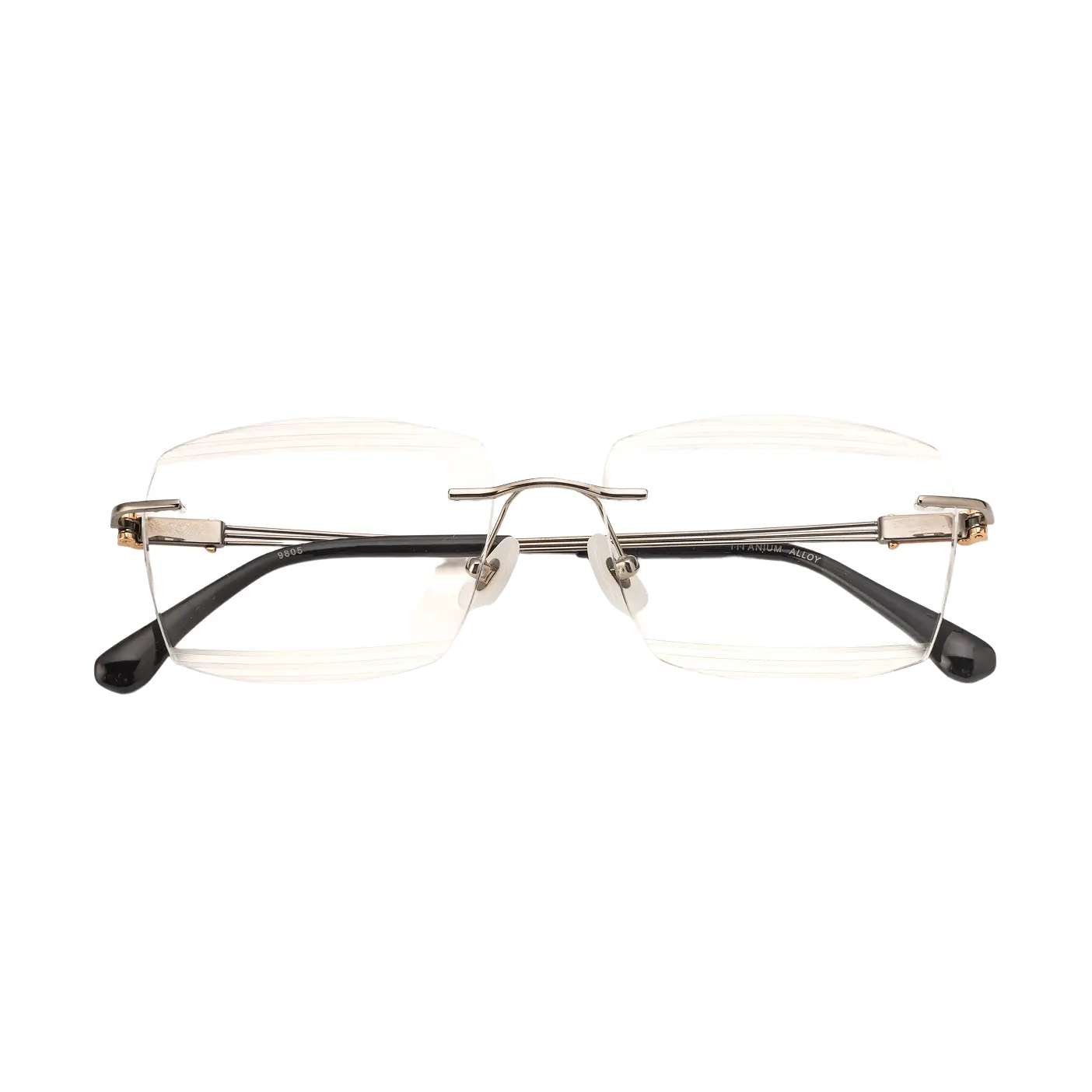
Nine times out of ten, this is it. If the frame's wider than your face, the ear arms never really clamp down on anything, so the whole thing creeps forward a bit every time you glance at your phone or look down to read. And a wide frame is a heavy frame, relatively speaking, so it's also pressing harder on your nose all day. Cleaned it, adjusted it, and it's still walking down your face? Then it's the width, plain and simple. Honestly, a rimless frame sized closer to the face will solve this faster than any amount of tightening ever could.

The bridge doesn't match your nose
That little saddle of plastic or metal across your nose? It's quietly doing most of the work. When it's cut too wide for you, the frame has nothing to grab and it just slumps. People with a lower or flatter nose bridge run into this all the time, because most off-the-shelf frames assume a taller bridge than they've actually got. The American Academy of Ophthalmology makes the point that a bad fit doesn't only annoy you it can throw off how clearly you see, too. This is the one problem no amount of bending and tweaking will fix. You need a low bridge fit, full stop.
The temple arms went loose or straight
The arms are supposed to hug the curve behind your ears. That's the anchor. But they soften and straighten out with months of wear, and once they go straight, there's nothing keeping the frame back. Here's the sneaky part: yanking your glasses off with one hand, which everybody does, tugs one arm wider than the other over time. That's usually why a slipping pair also sits a touch lopsided — same root cause.
Oily skin, sweat, and humidity
Your face makes oil around the clock, and oil is, well, slippery. Throw in a stuffy room or a quick jog or one of those sticky August afternoons, and the bridge of your nose basically turns into a water slide for your frames. If your skin runs oily, you've probably noticed your glasses creeping down by lunch. None of this is in your head the Cleveland Clinic points out that oil and sweat genuinely mess with anything that sits against your skin for hours, and your glasses are sitting there all day.
Heavy lenses pulling forward
Got a strong prescription? Then your lenses are thick, and thick lenses are heavy, and all that weight hangs off the front of the frame where it has the most leverage to drag everything down. The bigger the frame, the worse it gets, because the weight sits even farther out. Two ways around it: high-index lenses, which shave off a lot of that bulk, and a light frame material like titanium. A quick way to tell this apart from a fit problem if the glasses feel like they're tipping forward and heavy after a couple hours, rather than just loose, it's the lenses.
|
QUICK CHECK — YOUR FRAME IS PROBABLY TOO BIG IF:
|
Reading the Slide: What the Symptom Tells You
The way your glasses slip is a clue to why. Match what you see below and you'll know what to touch before you reach for a screwdriver.
|
What you notice
|
Most likely cause
|
Where to start
|
|
Slips when you look down or read
|
Loose temple arms; sometimes heavy lenses
|
Tighten or reshape the temples
|
|
Sits low all the time
|
Bridge too wide or pads not gripping
|
Bring nose pads in; check bridge fit
|
|
One side rides higher
|
Temple arms bent unevenly
|
Lay it flat, realign
|
|
Pinches but still slides
|
Wrong bridge shape for your nose
|
Try silicone pads or a low bridge fit
|
|
Feels front-heavy after hours
|
Lens weight, not fit
|
Ask about high-index lenses or a lighter frame
|
Quick test for the common case: put them on, tip your head down like you're reading, give a gentle shake. If the frame lurches forward right away, the temples aren't holding. And if both arms don't touch the table evenly when you set the frame down flat, one side's been bent.
Quick Fixes You Can Do at Home

Start cheap and low-risk, escalate only if it doesn't hold. Most slipping frames come right with one or two of these.
Tighten the hinge screws
If the screw at the hinge backs out even a little, the arm goes wobbly, and a wobbly arm grips nothing. Grab one of those tiny screwdrivers, the kind in a $5 glasses repair kit, or honestly the one from an old eyeglass case works and snug it back up. It takes about half a minute. Just don't crank on it. Too tight and you'll either strip the screw or crack a flimsy frame, and now you've got a bigger problem than a slide.
|
WORTH KNOWING
|
Clean the bridge and the frame
Sounds too obvious, but a daily wipe genuinely helps. Oil and sweat build a slick film right where the frame meets your nose. Warm water, a drop of mild soap, a microfiber cloth. Skip household cleaners — they eat lens coatings. Oily skin? An oil-free product around the nose keeps the grip from vanishing by noon.
Bring the nose pads in
Nudging metal pads slightly closer together lifts the frame higher and tightens its hold. Move them a millimeter at a time, keep both sides even, test after each tweak. Feel resistance or hear a faint crack? Stop, and let a pro finish it.
Add grip: silicone pads, temple tips, or wax
Stick-on silicone pads press onto the bridge for instant grip on frames with none. Temple tips and ear hooks slide over the arm ends and curl behind your ears great for anything active. Eyeglass wax like Nerdwax adds friction for a hot, sweaty day, then wipes off at night. All three are rescues, not cures: if the frame's too big, they buy you a day, not a fix.
Fixes That Depend on Your Frame
What works best changes with what you're wearing.
Metal frames with adjustable pads
The most forgiving to tune, because the pads move on their own. A small inward bend on each side often solves the slide outright. Opticians point stubborn bridge-fit cases here for exactly that reason.
Plastic frames without pads
Here you're at the mercy of the bridge shape nothing to adjust. Too wide, and no temple tightening keeps it up. Silicone pads help; a low bridge fit version helps more. Any heat reshaping needs care, since acetate warps and cracks if you rush.
Rimless and lightweight frames
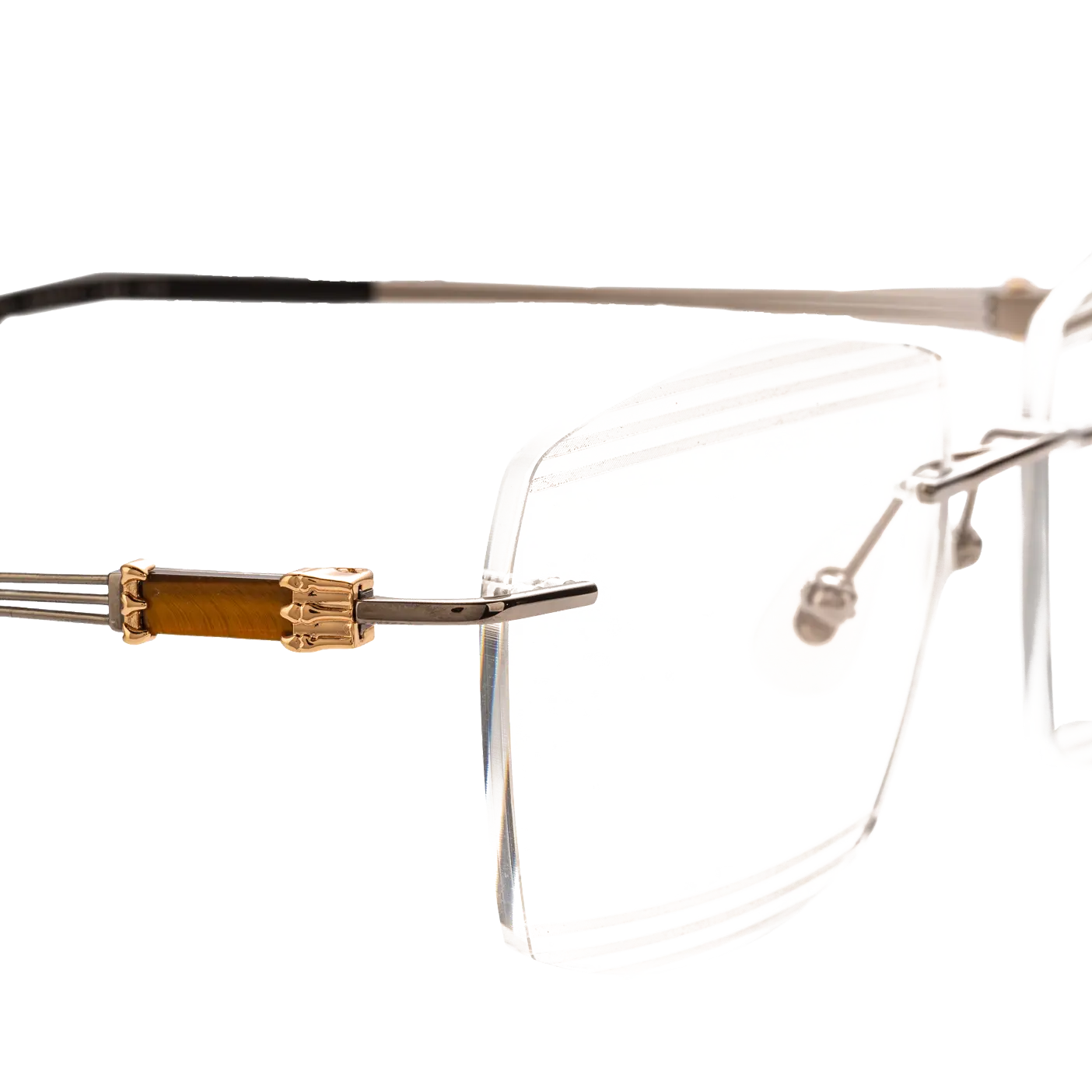
Less frame means less weight on the bridge, which is why long-day wearers swear by rimless. They can still drift if the temples are loose weight isn't the whole story — but it's a big part. Titanium stays light and tough. Our titanium rimless frames built to sit lighter take the forward pull out of the equation before it starts.

Low bridge fit and sports frames
Low bridge fit frames come with deeper pads and a narrower bridge, so they don't slump onto your cheeks the design that ends the constant push-ups for flatter noses. For movement, sports frames use wraparound shapes, rubber grips, and the occasional strap. The CDC also notes protective sports eyewear cuts eye-injury risk, so the right pair does double duty.
When the DIY Fixes Aren't Cutting It
Tightened, cleaned, padded, adjusted and it still won't behave? The fit itself is probably wrong.
A frame that's simply too big outlasts every temporary fix, and piling on more adjustments trades slipping for discomfort. Crooked frames need real tools, thin metal and acetate fatigue and snap when you bend them by hand. And a bridge that's wrong for your nose can't be saved by pads alone.
See an optician if the frame stays loose, sits uneven, or feels off after your home attempts or if it needs heat to reshape. Most shops do it in minutes, often free. On the lens side, high-index lenses cut thickness and weight, and per the Mayo Clinic, lighter materials make long-term wear more comfortable.
|
DON'T SKIP THE FINAL FITTING
A two-minute check of bridge support, temple alignment, pad position, and lens balance saves months of slipping. Most optical shops do it free — it's the single most overlooked step in buying glasses.
|
How to Buy Glasses That Stay Put
The surest way to stop the slide is to never invite it. Four things to get right before you commit.
-
Width that matches your face. The frame should line up with the edges of your face, not jut past your temples. Overhang shifts with every movement.
-
A bridge sized to your nose. Too wide leaves gaps; too narrow pinches. Low or flat bridge? Look for low bridge fit designs.
-
Lightweight materials. Titanium, TR90, lighter acetates ease the load on your nose and the strain behind your ears.
-
Temples that hold. The part buyers skip and regret. The arms should hug behind your ears without pinching.
Conclusion
A pair that stays put comes down to three things working together. The bridge has to fit your nose. The temples have to hold behind your ears. And the frame can't out-weigh the face it sits on. Get those right and the constant push-ups stop — not because you got better at ignoring the slide, but because there's nothing left to push.
Most slipping you fix yourself in a few minutes. Tighten the hinge screws, bring the nose pads in a millimeter, wipe the oil off the bridge, add a little grip if you need it. Start with the cheapest fix and only escalate if it doesn't hold. That order saves you from over-adjusting a frame that just needed a clean.
When none of it holds, stop fighting the frame. A pair that's too wide or built for the wrong bridge will outlast every trick you try, and the real fix is a better-matched frame — right width, a bridge cut for your nose, lighter materials, properly curved temples. That's a pair that sits where it should from the first morning, not the tenth adjustment.

That's the rhythm Bling Optical builds lightweight rimless eyewear around — titanium frames light enough to take the forward pull out of the equation, a low bridge fit option for flatter noses, and screwless construction that removes the loose-screw failure point entirely. The point isn't more accessories. It's a frame you forget you're wearing. When you're ready to replace a pair that's given up, or just want to keep yours fitting longer, browse more eyewear care guides for the rest of the setup.
|
THE ONE-FIX MINDSET
|
FAQs
Why do my glasses keep sliding down my nose?
Basically, something's not holding on anymore. Maybe the frame's too big, maybe the arms have gone slack, or maybe it's just your skin and a warm day. Tilt your head down and wiggle it if it slides right away, the arms are your culprit.
How do I stop my glasses from slipping at home?
Try the lazy fixes first. Tighten the little screw, squeeze the nose pads in a hair, give the bridge a wipe. Nine times out of ten that's enough. If not, a pack of stick-on silicone pads costs almost nothing and works great.
Does oily skin make glasses slide more?
Yep, and it's annoying. The oil pretty much turns your nose into a slip-n-slide, and sweat doesn't help. Wiping the bridge through the day makes a real difference, and silicone pads grip better than bare plastic does.
How do I make my glasses sit higher?
If your frame has those little metal pads, pinch them inward a bit that lifts everything up. No pads? Grab some stick-on ones. Whatever you do, glance in the mirror after and make sure your eyes still sit in the center of the lenses.
What is Nerdwax?
Think of it as ChapStick for your glasses. You rub a bit on the bridge and it gives the frame some grip when you're hot or sweaty. Rinses off at the end of the day. Good for a rough day, but it won't fix a frame that's just wrong for you.
How do I know if my glasses are too big?
If they slide no matter what you do, sit way down your nose, or stick out past your face, they're probably too big. The real giveaway is when you've fiddled with them a dozen times and they still won't stay that's a size thing, not a tweak thing.
Can I adjust my glasses myself?
The simple stuff, go for it, a screw here, a gentle pad nudge there, a good clean. But once you're talking about bending the arms or heating up plastic, take them to an optician. They'll sort it in five minutes, usually for nothing.
Do lighter glasses slide less?
Most of the time, yeah less weight, less pull downward. Titanium and thinner high-index lenses both help a lot. Just don't expect magic: even the lightest pair will creep down if the arms are loose or the bridge doesn't fit you.
Sources
-
American Academy of Ophthalmology, on why a proper glasses fit matters for comfort and clear sight
-
Cleveland Clinic, for how skin oil and sweat affect things worn against the skin
-
Mayo Clinic, which covers eyewear comfort and lighter lens materials — mayoclinic.org

Looking for something else?

Transition Lenses — Seamlessly Adapt to Every Light Condition
LEARN MORE
Beyond the Trends What Glasses Are in Style for 2026
LEARN MORE
2026 Eyeglasses Trends for Women — Styles Defining This Year
LEARN MORE
2026 Vision — The Future of Eyewear and What to Expect
LEARN MORELooking for something else?

How to Make Your Sunglasses Tighter and More Secure
LEARN MORE
10 Celebrities Who Prove Glasses Are the Ultimate Accessory
LEARN MORE
Why Tinted Prescription Glasses Are the Next Big Thing
LEARN MOREYou may also like


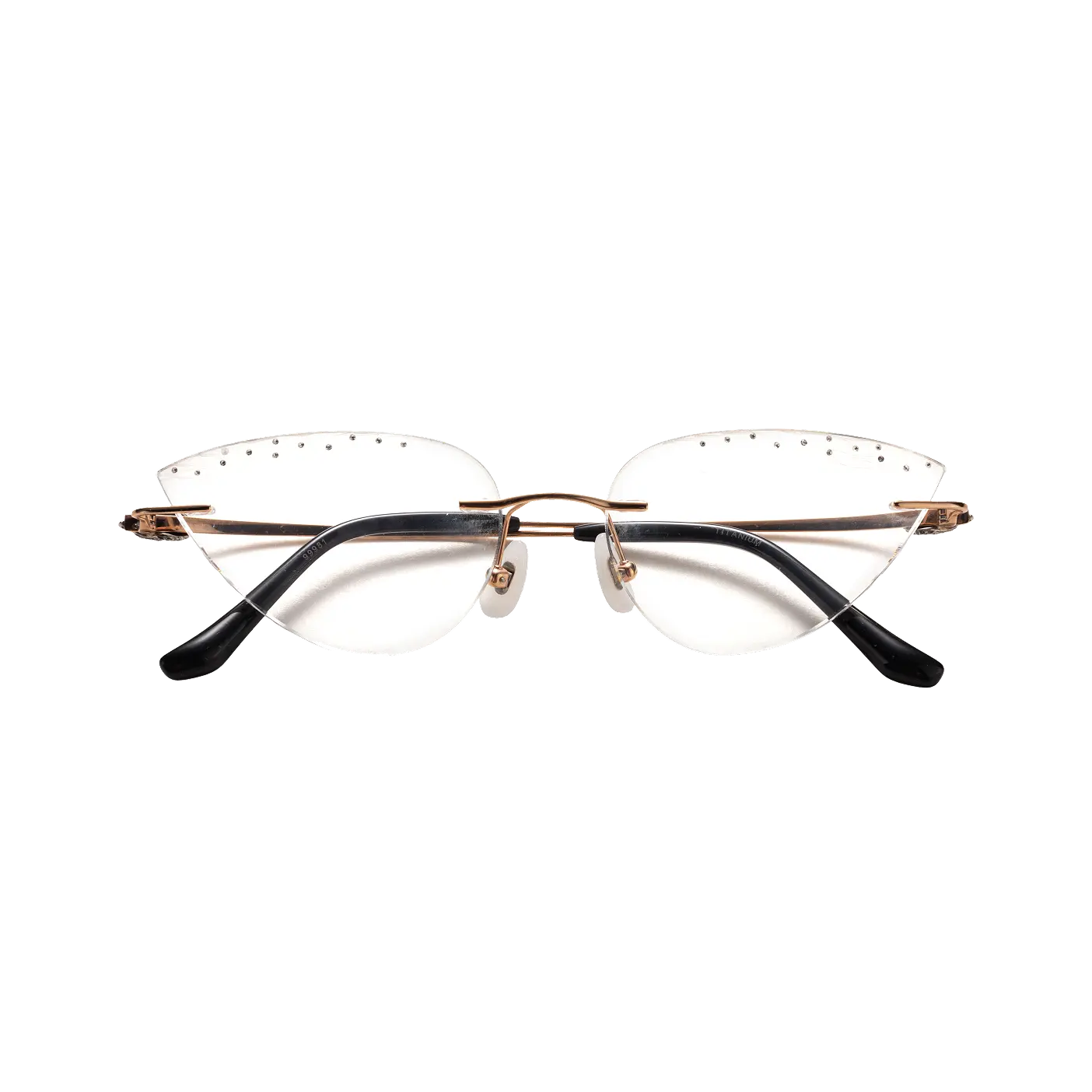
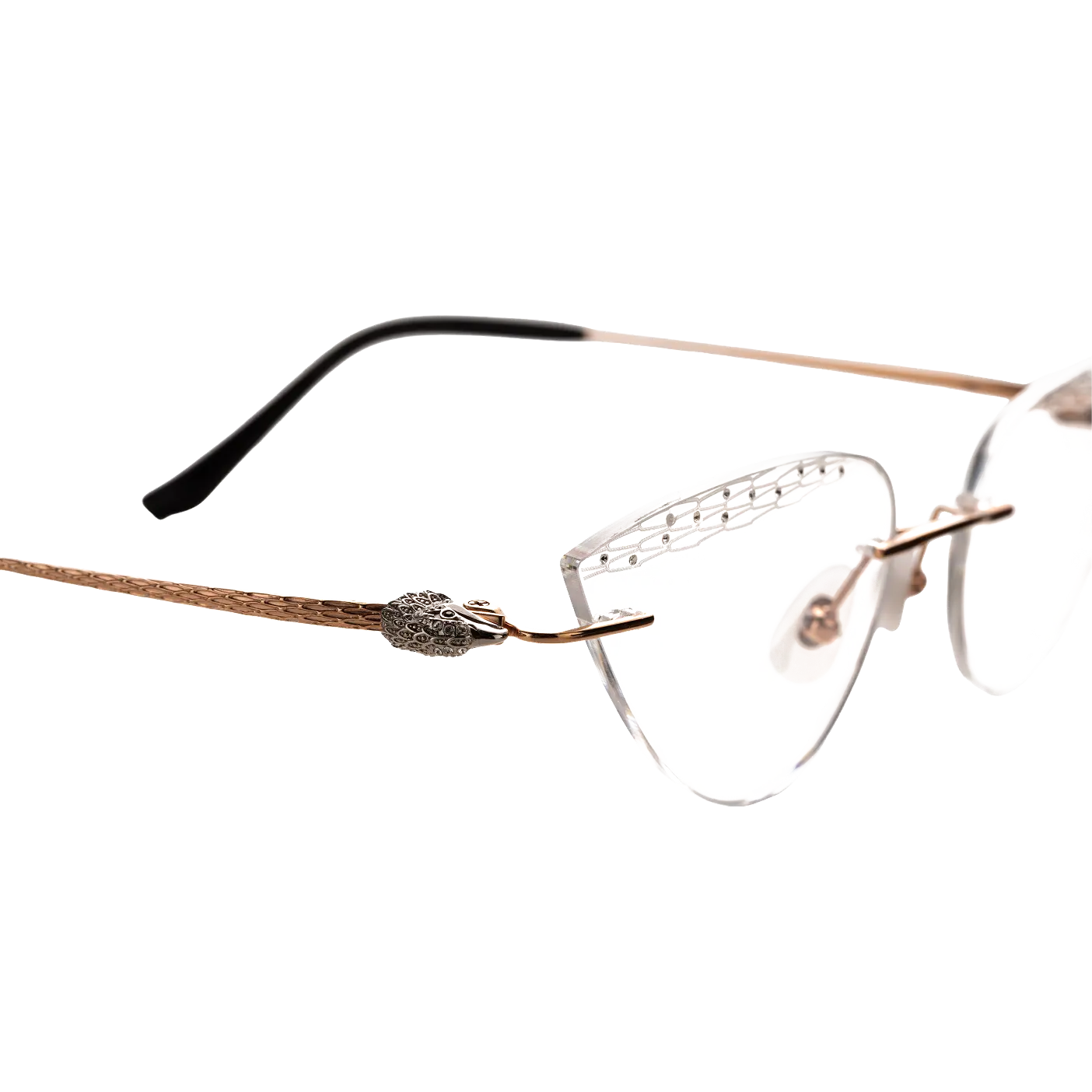
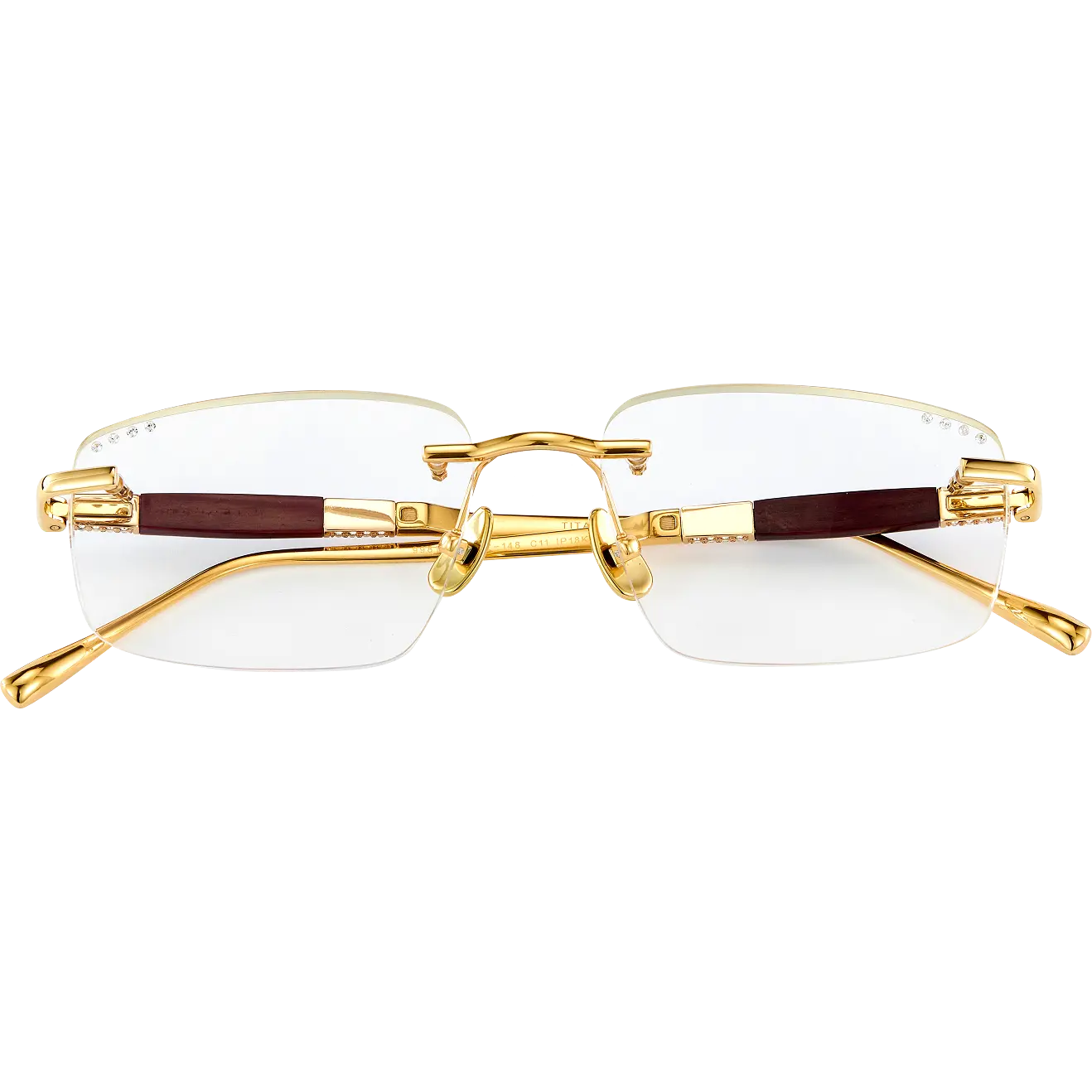
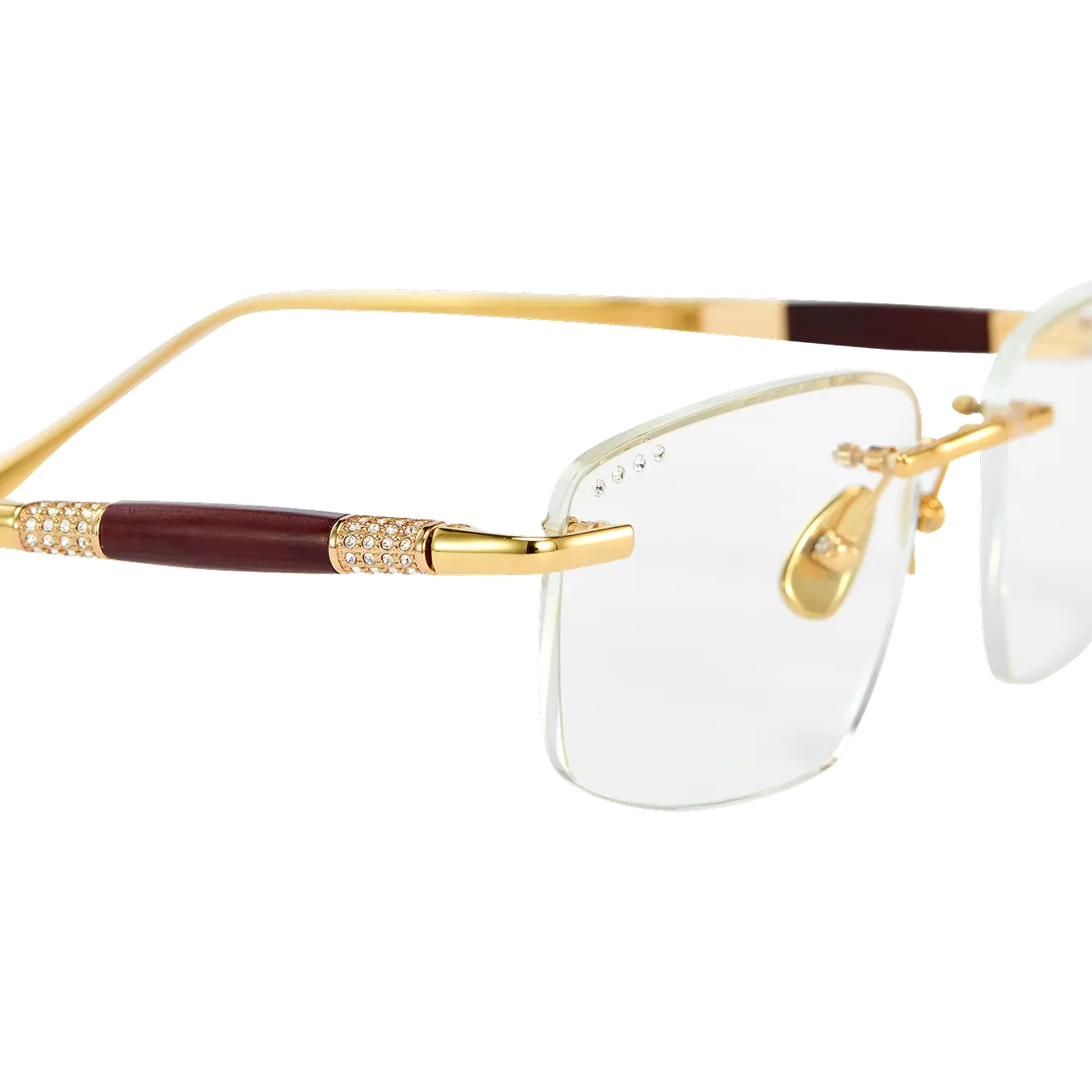
Sculpted Cat-Eye · 18K Gold-Plated Titanium · Crystal Accents
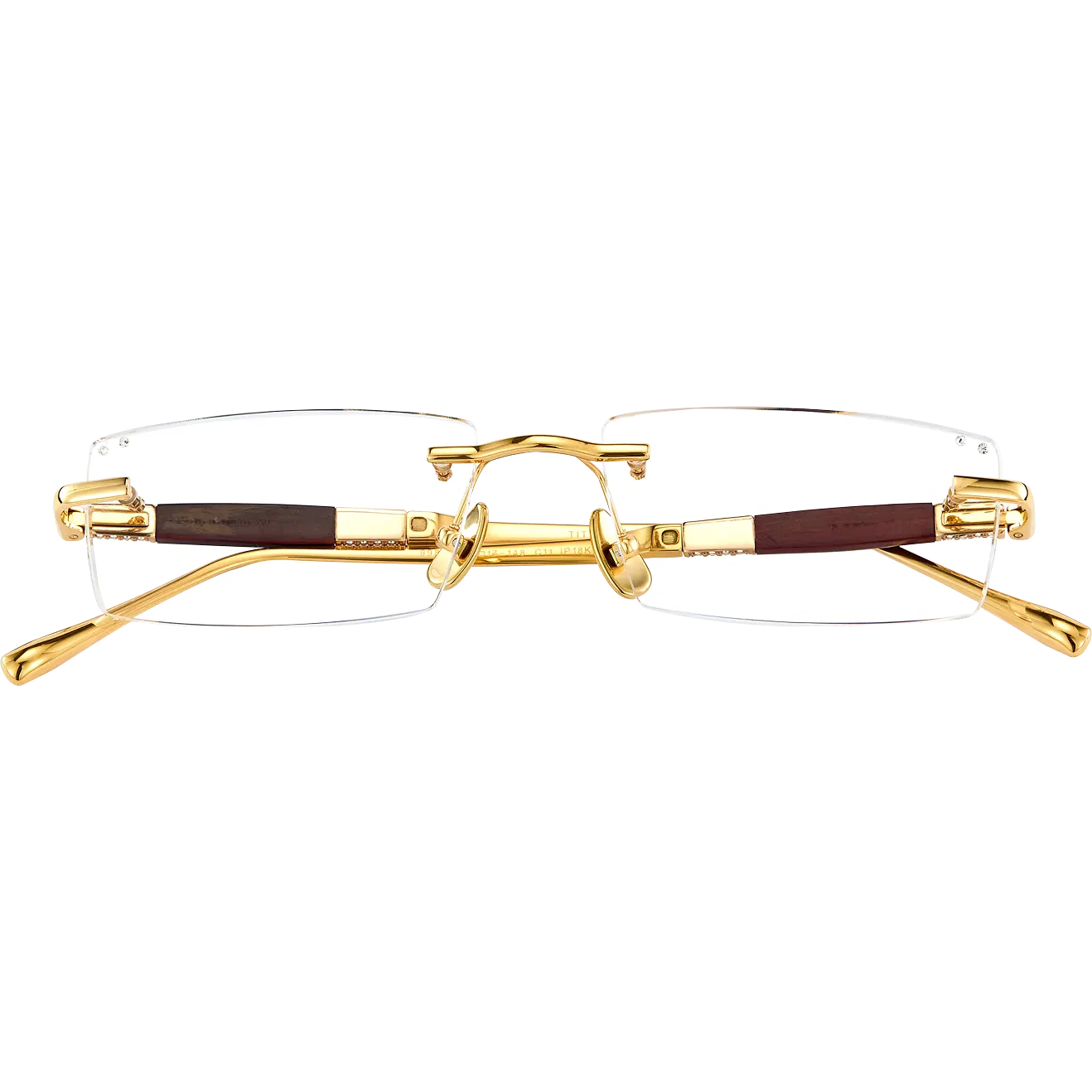
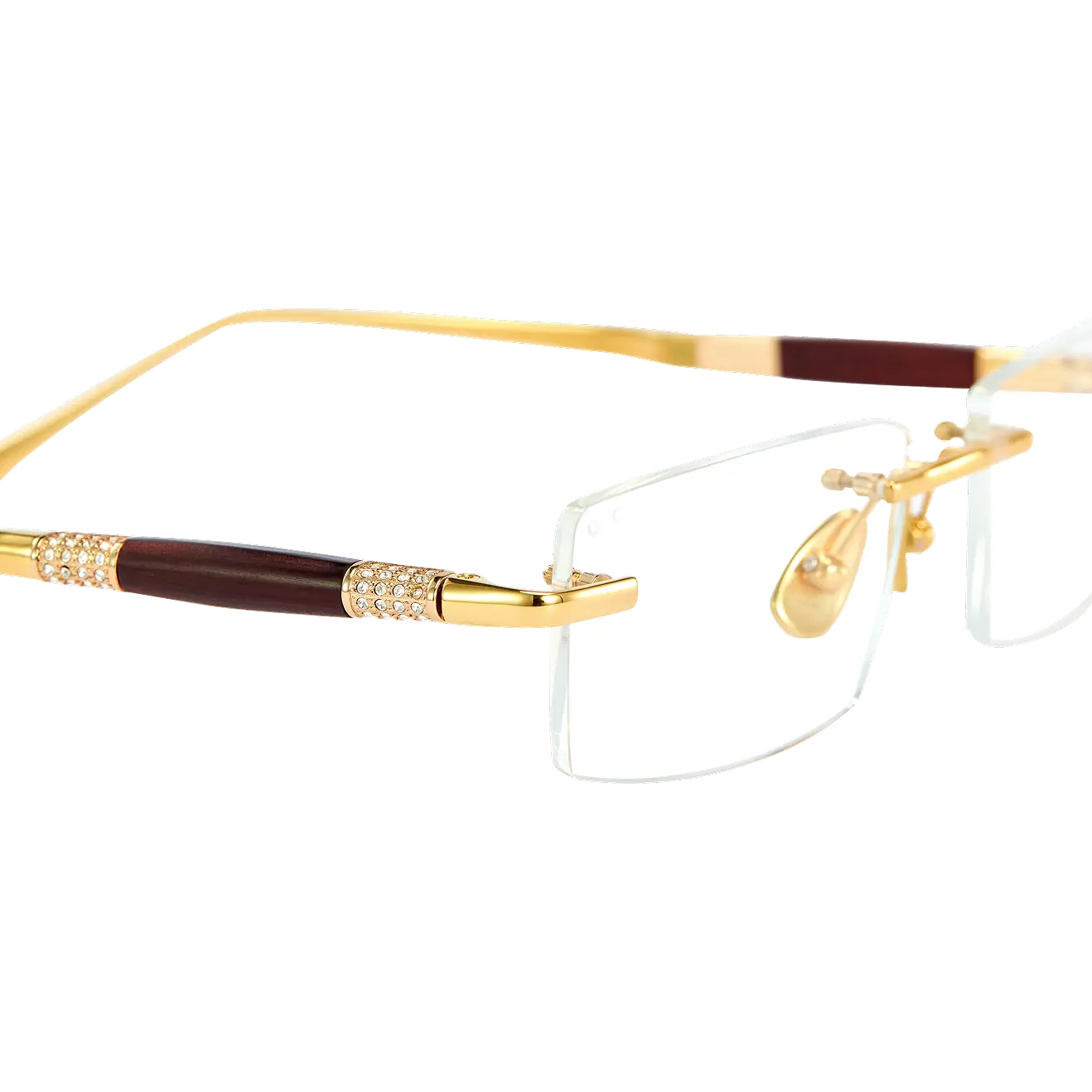
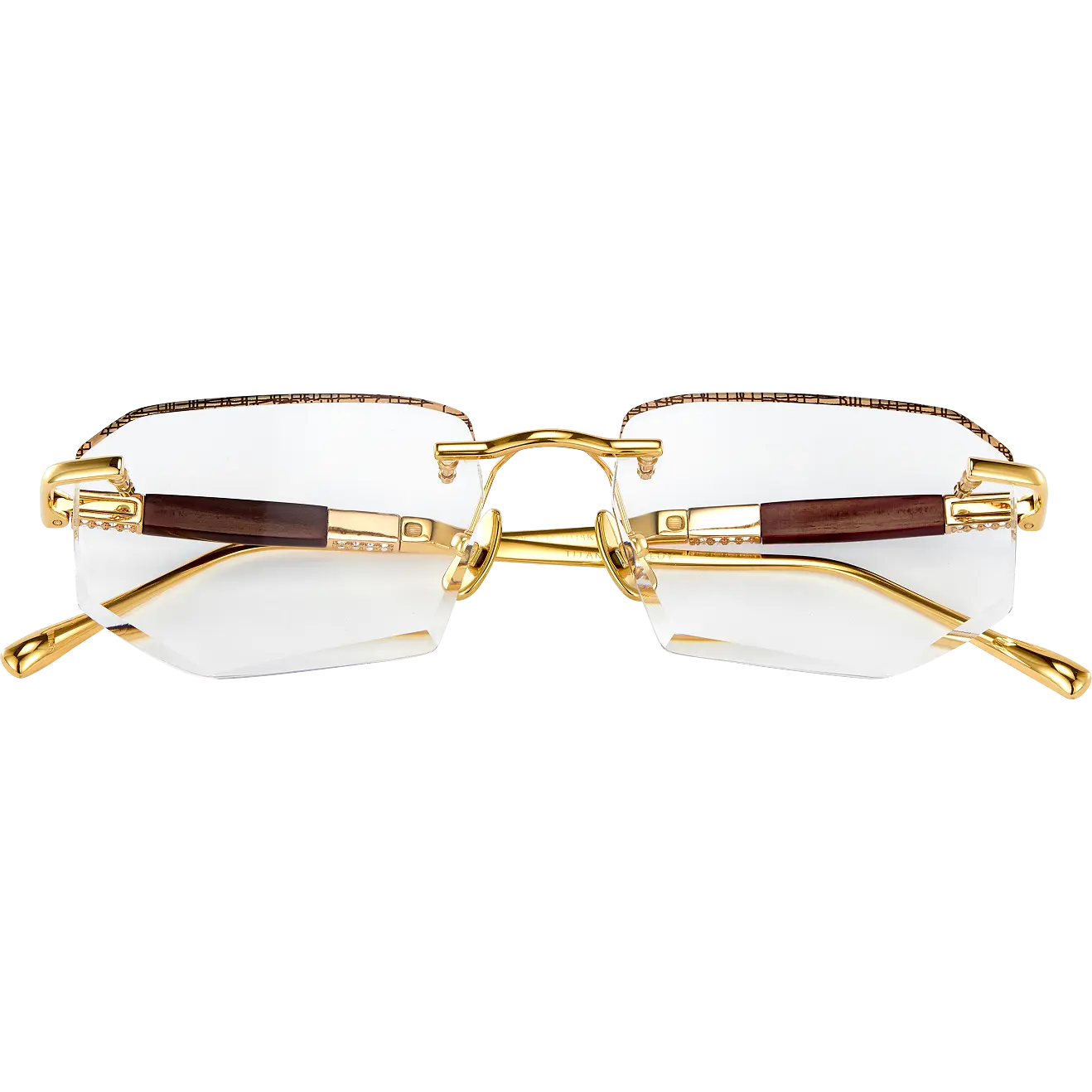
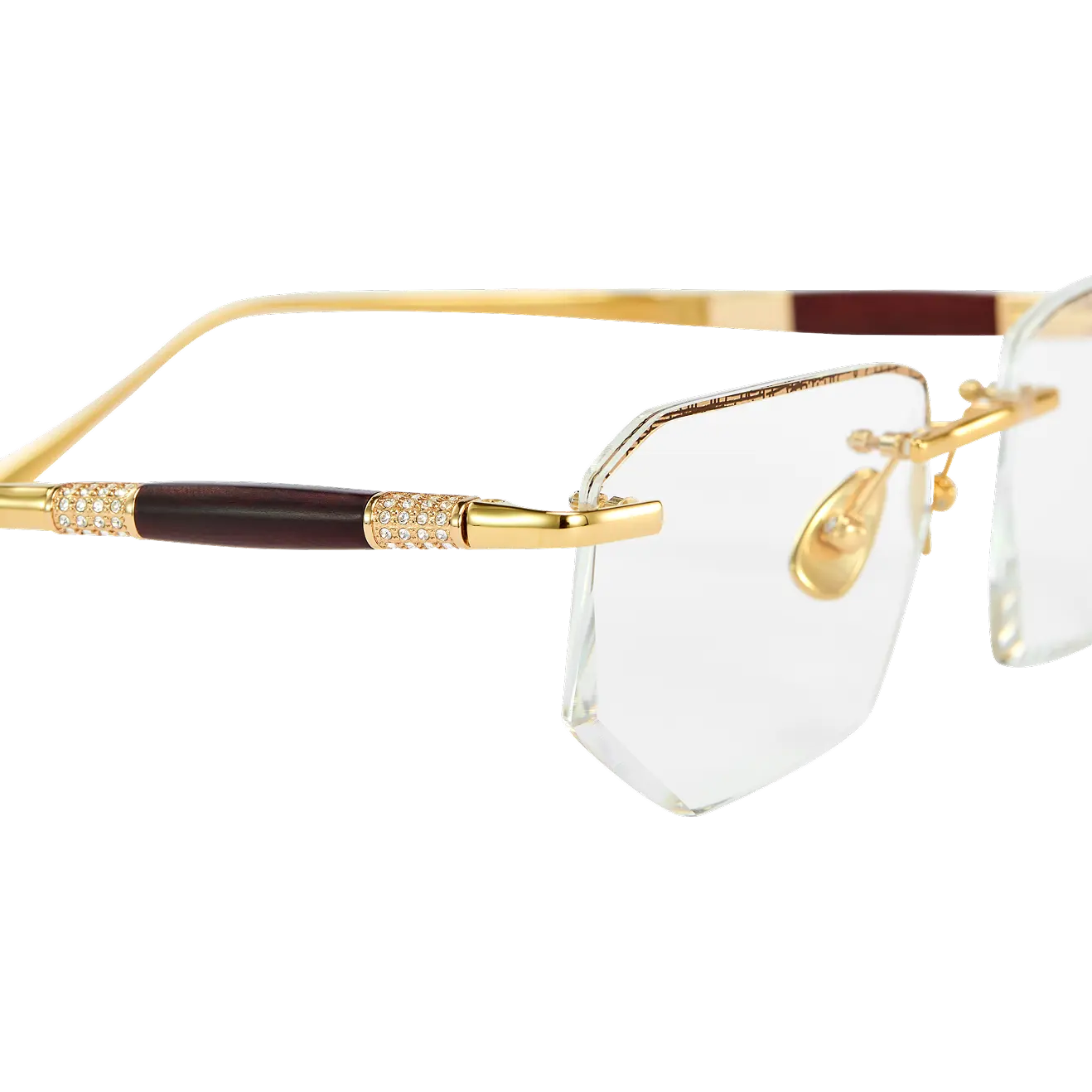


Further reading

Broken Glasses: What You Can Fix at Home and When to Replace Them
Glasses never break at a convenient time. Mine went at the bridge the night before a flight, and there I was at midnight, genuinely weighing up whether a tape job would make it through airport sec...
How to Read a Glasses Prescription: OD, OS, SPH, CYL, Axis and ADD
This guide walks through every code on a glasses prescription — OD, OS, SPH, CYL, Axis, ADD, and PD — so you can read your own numbers and order lenses without second-guessing them.
Most people ge...
Average Pupillary Distance and How to Measure PD at Home
This guide shows you the normal PD ranges, the difference between single and dual PD, and how to measure your own pupillary distance at home with a ruler and a mirror.
Most people land here wantin...
Why Do Glasses Slide Down Your Nose? Fit Problems and Frame Fixes
You push them up. Ten minutes later they're back at the tip of your nose. By mid-afternoon you've stopped noticing you're even doing it. Glasses that won't stay put are a small, daily kind of anno...


