


Are Sunglasses Bad for Your Eyes?
No. Quality sunglasses are not bad for your eyes.
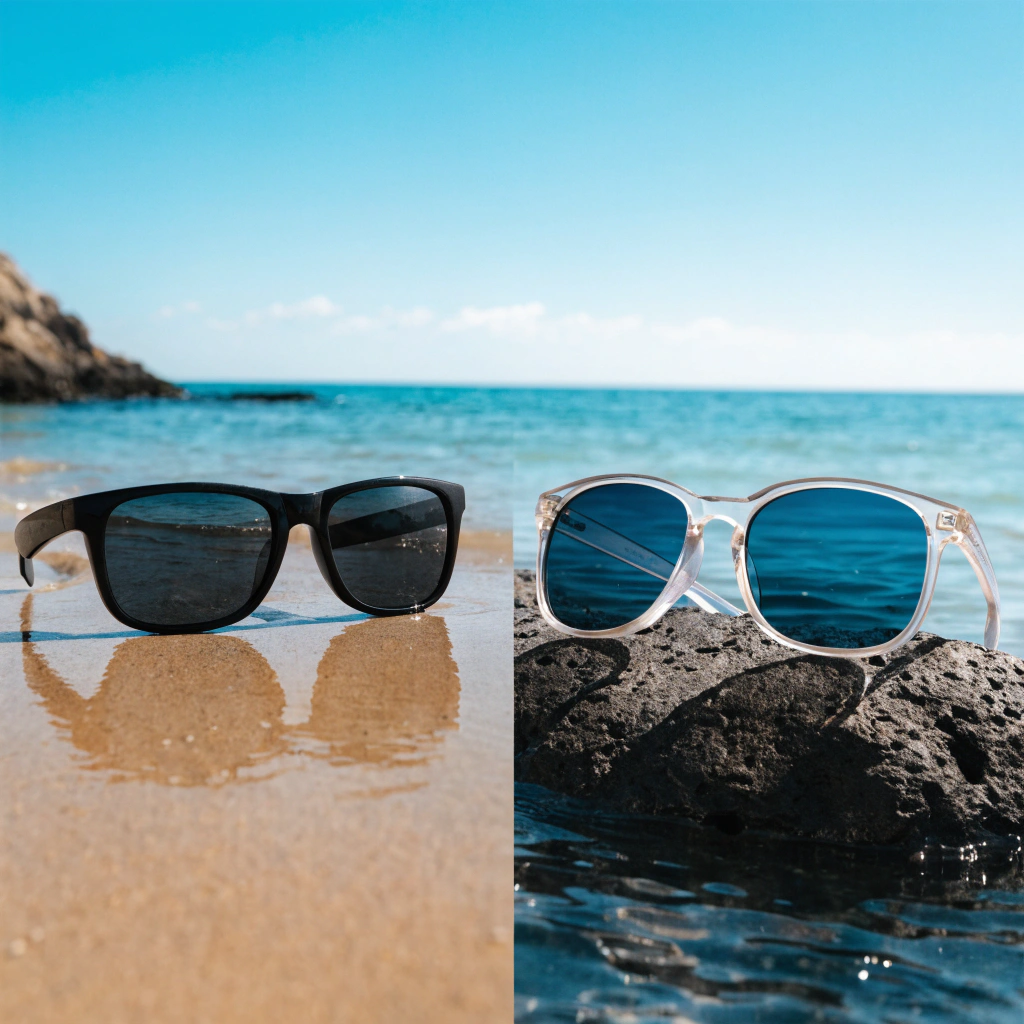
The question usually comes from a misunderstanding about how sunglasses work — specifically the concern that wearing them might make the eyes dependent on protection or less able to adapt to bright light without them. That is not how eyes respond to UV-blocking lenses. What sunglasses actually do is reduce exposure to ultraviolet radiation and outdoor glare. At Bling Optical every sunglass design is built with this protective function as a baseline — not just the visual style.
The fuller answer requires understanding what good sunglasses do and what poor-quality ones do not do.
|
Quick Answers |
|
Are sunglasses bad for your eyes — No. UV-blocking sunglasses protect the eye from solar radiation. |
|
The real problem — dark lenses without UV certification are potentially harmful. |
|
Sunglasses indoors — unnecessary. No UV radiation indoors requiring protection. |
|
Best sunglasses to protect eyes — UV400 certified with adequate frame coverage. |
|
Myths — darker lenses are not more protective. Eyes do not weaken from wearing sunglasses. |
Are Sunglasses Actually Bad for Your Eyes

The short answer from professional eye care bodies is no. The American Optometric Association and the American Academy of Ophthalmology consistently recommend wearing UV-protective sunglasses outdoors as a general protective habit.
The source of the myth is usually one of two things. First the observation that eyes feel more sensitive to bright light after wearing dark sunglasses — which is simply the pupil dilating while adapted to lower light and then readjusting when the glasses come off. This is normal pupil function and has no lasting effect. Second a concern that the eyes become reliant on protection — which is not how UV exposure or eye adaptation works.
UV radiation from the sun is a form of energy that reaches the eye regardless of whether sunglasses are worn. Reducing that exposure with a certified UV400 lens is protective not harmful.
The Real Problem with Cheap Sunglasses

The concern about sunglasses and eye harm does have a legitimate foundation — but it applies specifically to low-quality lenses without UV certification.
Dark lenses cause the pupil to dilate. This is the natural response to reduced light levels. If the lens provides no UV protection that wider-open pupil is allowing more UV radiation into the eye than if no sunglasses were worn at all. This is the specific case where a sunglass can cause more harm than going without.
The fix is straightforward. Always check for UV400 or 100% UV protection labeling before purchasing. This certification is not related to the tint darkness — it is a separate coating or material property of the lens. A clear lens can have full UV400 protection. A very dark lens can have none.
- Check the label: UV400 or 100% UV protection. This is the only labeling that confirms full UVA and UVB blocking.
- Avoid unlabeled lenses: A sunglass without UV certification may have no protective function regardless of how dark it looks.
- Dark tint is not a UV indicator: The two properties are independent. Tint controls light brightness. UV coating controls radiation protection.
Benefits of Wearing Sunglasses Outdoors
The case for wearing sunglasses outdoors with proper UV certification is straightforward.
- UV exposure reduction: The eye and the skin around it are exposed to UVA and UVB radiation from the sun. UV-blocking lenses reduce that exposure during outdoor time.
- Glare reduction: Bright sunlight and reflected glare from surfaces like water roads and snow reduce visual comfort and make sustained outdoor activities more demanding on the eyes. Polarized lenses specifically target horizontal glare reflection which is the most common form outdoors.
- Comfortable extended outdoor use: Reduced glare and brightness make extended outdoor activities — driving hiking water sports — more comfortable without the sustained squinting that unprotected bright light requires.
- Skin around the eye: The delicate skin of the eyelid and orbit is among the thinnest on the body. Sunglasses that provide adequate coverage protect this area from sustained UV exposure during outdoor time.
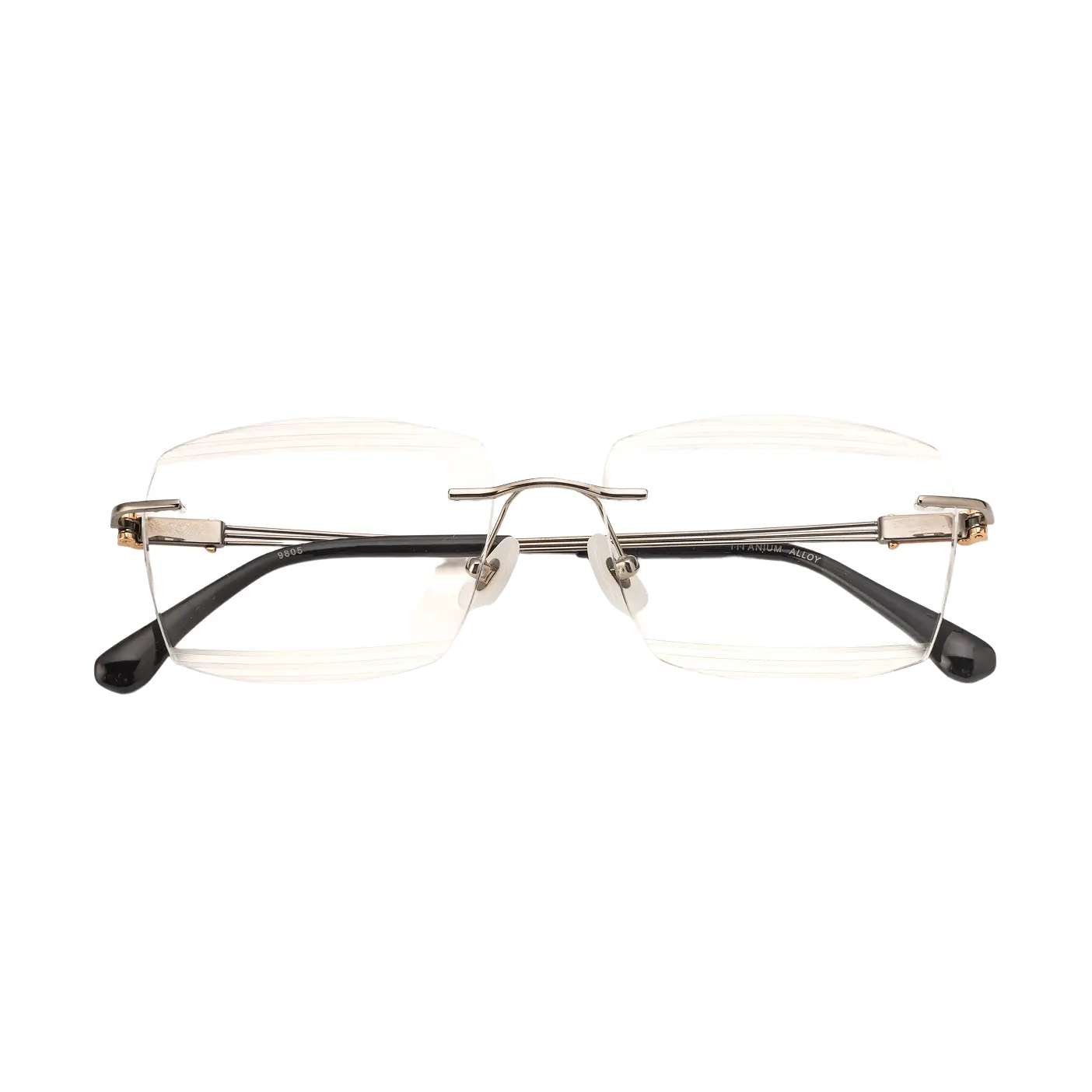
For the best sunglasses to protect eyes choose a frame with adequate coverage. The Rimless Cat-Eye Sunglasses combines a lens shape that covers the orbital area with a precision rimless construction — protection without the bulk of heavy frame material.
Benefits of Not Wearing Sunglasses in Certain Situations

There are contexts where sunglasses are unnecessary or inappropriate.
Indoors there is no significant UV radiation requiring filtering. The circadian rhythm argument — that natural light exposure helps regulate the body's internal clock — is a real consideration for people who spend most of their time indoors. Morning outdoor light exposure without dark lenses is a component of circadian health guidance. But this is an argument for getting outdoor light exposure in the morning rather than an argument against wearing UV-blocking sunglasses outdoors during high UV hours.
- Low-light outdoor conditions: At dawn dusk or in heavily overcast conditions UV intensity is much lower. Dark sunglasses in these conditions reduce visibility unnecessarily.
- Indoor settings: No UV radiation indoors means no UV protection benefit from sunglasses. Dark lenses simply make the environment harder to see.
- Casual morning outdoor exposure: Early morning light exposure before UV levels peak is widely cited as beneficial for circadian regulation. A brief period without sunglasses during low-UV morning hours is reasonable for most people.
Wearing Sunglasses Indoors Good or Bad

Wearing sunglasses indoors provides no UV protection benefit because there is no significant UV radiation in standard indoor environments. The functional question is whether dark lenses indoors are neutral or actively unhelpful.
Dark lenses indoors make the visual environment harder to navigate. The pupil dilates to compensate for reduced light which then requires readjustment when the glasses come off. This is not harmful in any lasting way but it also serves no protective purpose.
Lightly tinted lenses — in the 10 to 20 percent tint range — are a different category. These are designed for indoor use and provide a visual comfort benefit by reducing glare from overhead LEDs without making the environment too dark. But these are distinct from standard outdoor sunglasses. Standard dark sunglasses indoors are simply unnecessary.
The social dimension of wearing sunglasses indoors is a personal choice. The protective dimension is clear — indoors there is nothing to protect against with standard sunglass density lenses.
How to Choose the Best Sunglasses for Eye Protection

Look for 100 Percent UV Protection
This is the single most important factor. UV400 certification or the label 100% UV protection confirms that the lens blocks virtually all UVA and UVB radiation. Any sunglass without this label should be assumed to provide no meaningful UV protection regardless of tint darkness or price.
UV protection is a property of the lens material or coating — not the tint. It cannot be assessed by looking at the lens. The label is the only reliable indicator.
Lens Quality and Polarization

Polarized lenses include a filter that specifically blocks horizontally polarized light — the type that reflects off flat surfaces like water roads and car bonnets. This targeted filtering reduces glare more effectively than tinting alone.
Optical lens quality affects visual clarity. A lens that distorts or warps the visual field increases visual effort. Testing the optical quality of a sunglass lens by looking at a straight line through the lens and moving the glasses side to side — if the line bends the optical quality is poor.
Frame Fit and Coverage
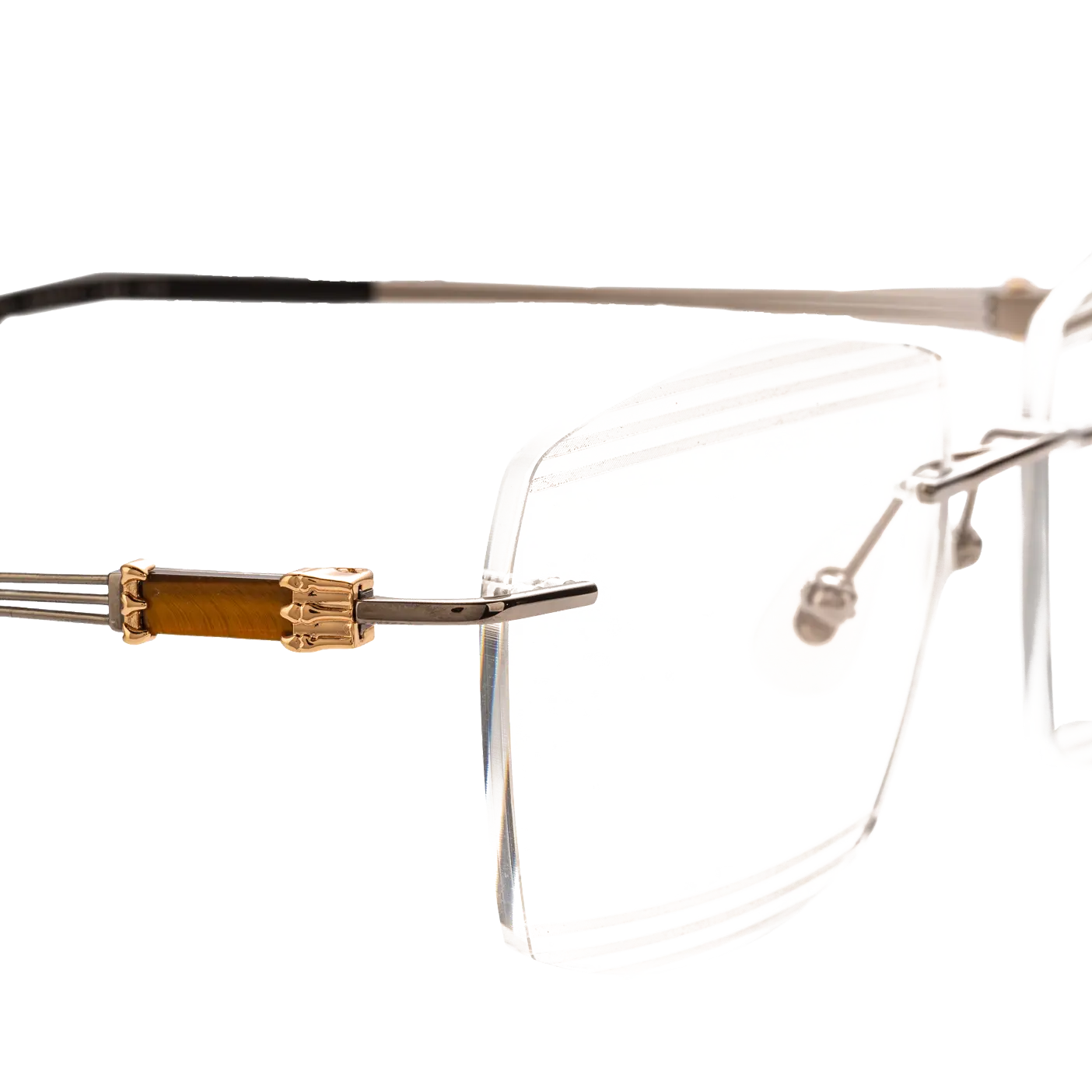
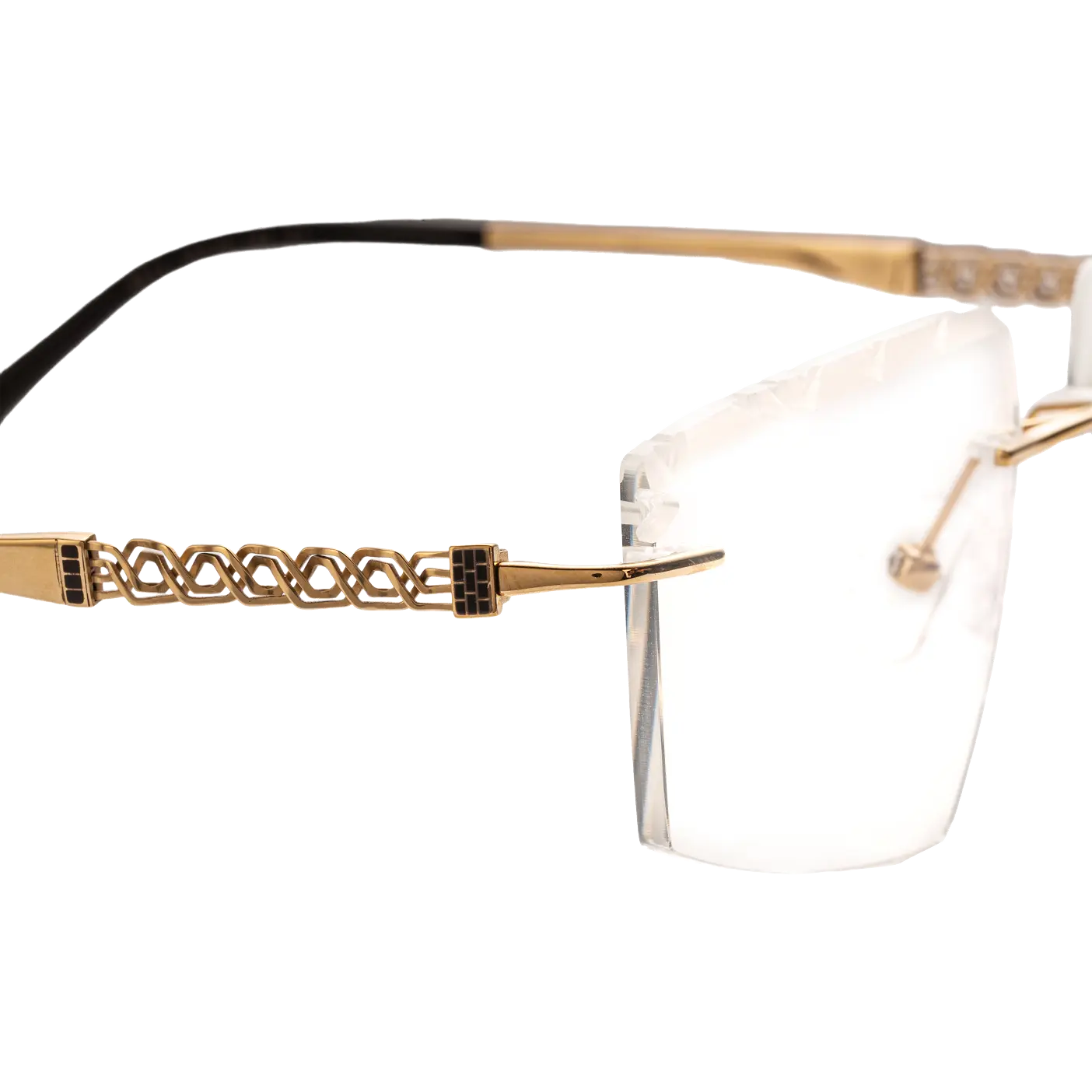
A frame that fits closely to the face and provides generous lens coverage reduces the amount of UV radiation that reaches the eye from the sides and below the lens. Wraparound styles provide the best peripheral coverage. For regular outdoor use adequate orbital coverage matters as much as the lens certification. The New Luxury Rimless Glasses collection demonstrates that high-quality construction and effective coverage can coexist with a refined design aesthetic.
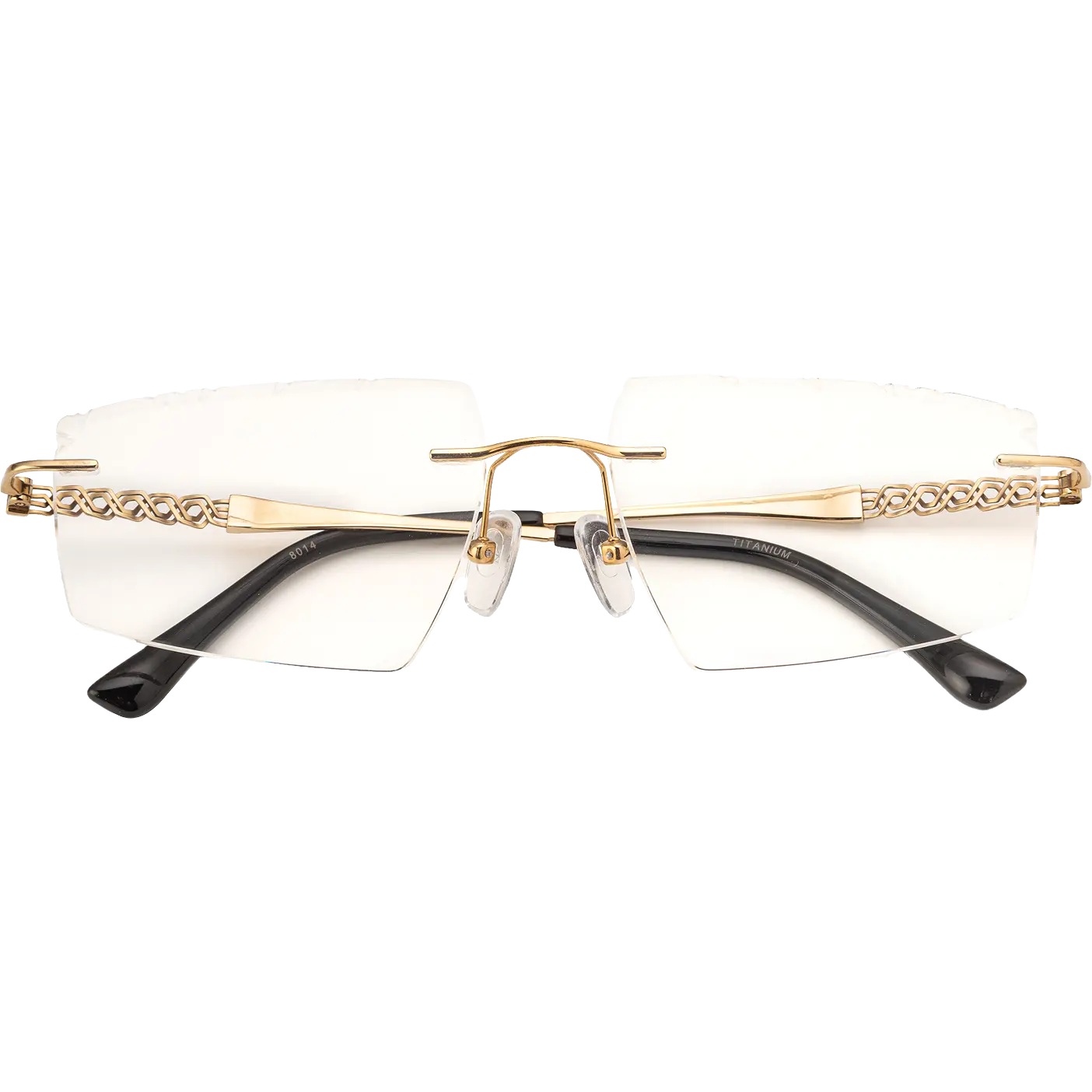
The Gold Statement Rimless Glasses is an example of a frame where the lens geometry provides meaningful coverage while maintaining visual presence as an accessory.
Common Myths About Sunglasses and Eye Health
|
Myth |
Reality |
|
Sunglasses weaken your eyes |
Eyes do not become dependent on or weakened by sunglasses. Wearing them reduces discomfort in bright light but causes no change to how the eye functions without them. |
|
Darker lenses mean better protection |
Tint darkness and UV protection are completely separate. A dark lens with no UV coating is more harmful than a clear lens with UV400 coating because it causes the pupil to dilate while providing no UV protection. |
|
All sunglasses protect equally |
Only lenses labeled UV400 or 100% UV protection block the full UVA and UVB spectrum. Unlabeled sunglasses — however stylish — may provide no UV protection at all. |
|
Sunglasses indoors protect your eyes |
Indoors there is no significant UV radiation requiring protection. Wearing dark lenses indoors simply makes the environment harder to see and serves no protective function. |
The most practically important myth to correct is the tint-equals-protection assumption. It leads to the specific scenario where cheap dark sunglasses cause more UV exposure than no sunglasses would. UV certification on the lens is what provides protection — not the darkness of the tint.
Conclusion — Protect Your Eyes the Right Way

Sunglasses are not bad for your eyes. The correct answer to the question has been consistent across professional eye care guidance for decades.
The practical rules are simple. Wear UV-certified sunglasses outdoors during daylight hours. Check that any sunglass you buy carries a UV400 or 100% UV protection label. Do not assume that a dark lens is a protective one. Skip sunglasses indoors where there is nothing meaningful to protect against.
A sunglass that looks good and carries UV400 certification is doing both jobs — protecting the eye and completing the look.
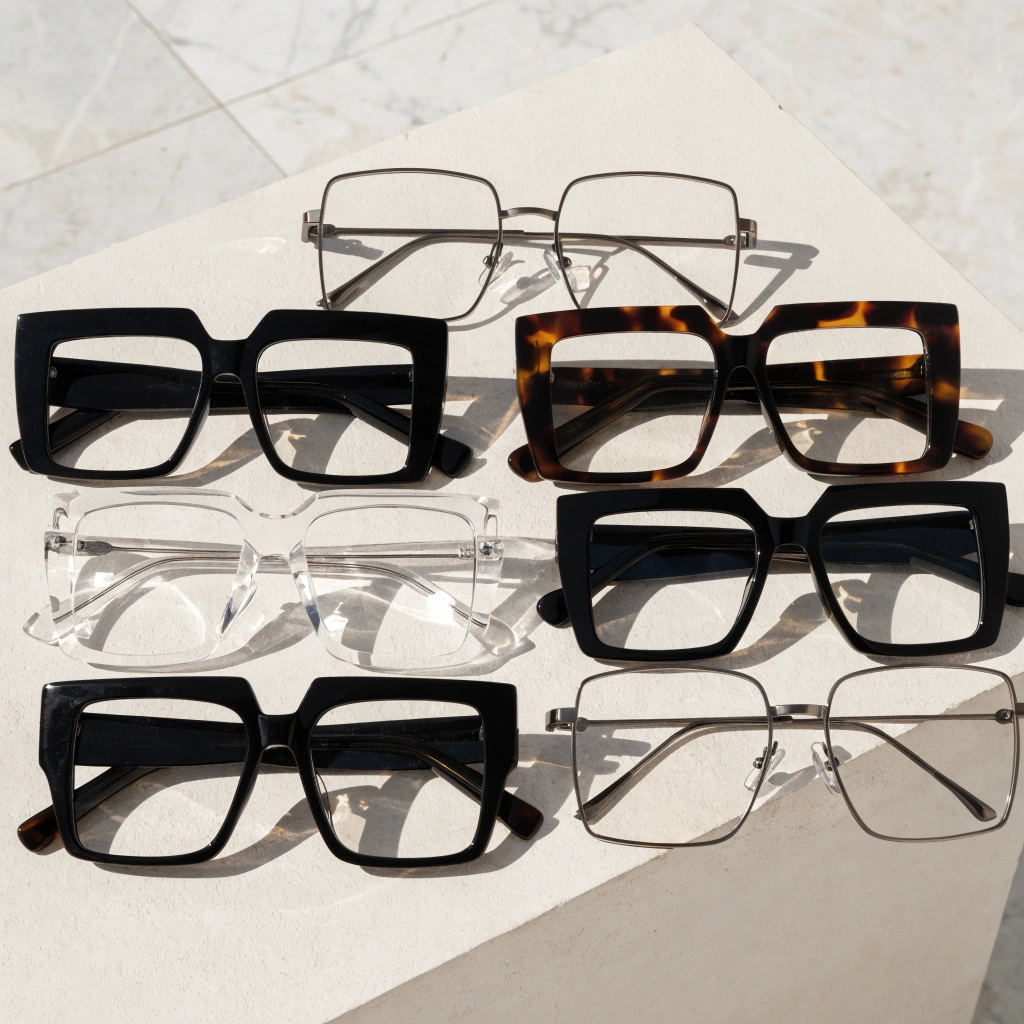
The Luxury Glasses Frames collection is built at the standard where aesthetic and function are both present. Every pair is designed for the face and constructed for the purpose.
FAQs
Are wearing sunglasses bad for your eyes?
Quality sunglasses with UV400 certification are not bad for your eyes. They reduce harmful UV exposure and glare. The concern about sunglasses being harmful usually refers to dark lenses without UV protection — which cause the pupil to dilate while providing no UV blocking — or to wearing very dark sunglasses in low-light conditions where they reduce necessary visibility.
Do eye doctors recommend sunglasses?
Yes. Optometrists and ophthalmologists consistently recommend wearing UV-blocking sunglasses outdoors to reduce long-term UV exposure to the eye and surrounding skin. The recommendation is specifically for lenses with UV400 or 100% UV protection labeling. All About Vision and the American Optometric Association both support outdoor sunglass use as a protective habit.
What is the healthiest thing for your eyes?
Regular eye examinations are the most impactful habit. Beyond that limiting UV exposure outdoors with certified UV-blocking sunglasses reducing sustained screen time with the 20-20-20 rule and eating foods rich in lutein and zeaxanthin are all supported by professional eye care guidance. Consult your optometrist for advice specific to your situation.
Should I wear sunglasses every day?
Any time you are outdoors in significant daylight is an appropriate time to wear UV-blocking sunglasses. This applies year-round not just on bright summer days — UV radiation is present even on overcast days. Indoors and in low-light conditions sunglasses are generally unnecessary.
Do blue light glasses help?
Blue-light filtering glasses reduce the intensity of blue-violet light emitted from digital screens which some people find reduces visual discomfort during extended screen sessions. The evidence for benefit varies — blue-light glasses are not a substitute for regular breaks and appropriate screen brightness. Always consult your optometrist for personalized advice on screen-related eye comfort.
What is the 20-20-20 rule for eyes?
The 20-20-20 rule is a screen-use guideline: every 20 minutes look at something at least 20 feet away for at least 20 seconds. This allows the eye muscles to relax after sustained close-focus effort. It is recommended by optometrists for people who spend significant time at screens. It is a habit not a treatment.
Are cheap sunglasses harmful?
Cheap sunglasses are potentially harmful if they lack UV400 certification and have dark tints. The dark lens causes the pupil to open wider letting in more light while the lack of UV coating means that additional light including UV radiation reaches the eye unfiltered. Always check for a UV400 or 100% UV protection label regardless of price.


Looking for something else?

What Are Cat Eye Glasses A Retro Guide
LEARN MORE
Turtle Frame Glasses That Never Go Out of Style
LEARN MORE
Pince Nez Glasses Making a Comeback in 2026
LEARN MORE
Best Glasses Shape for Round Face
LEARN MORELooking for something else?

Who Invented Glasses and How They Changed the World
LEARN MORE
Diy Eyeglass Cleaner Guide for Crystal Clear Lenses
LEARN MORE
Best Glasses for Oblong Face Shapes
LEARN MOREYou may also like


Further reading
Trending Sunglasses in 2026 Styles You Need Now
Low Nose Bridge Glasses Guide to Comfortable Fit
Progressive Lenses Explained: Fit, Measurements and Our Approach
Look Younger Glasses Frames for 50 Year Old Women


