


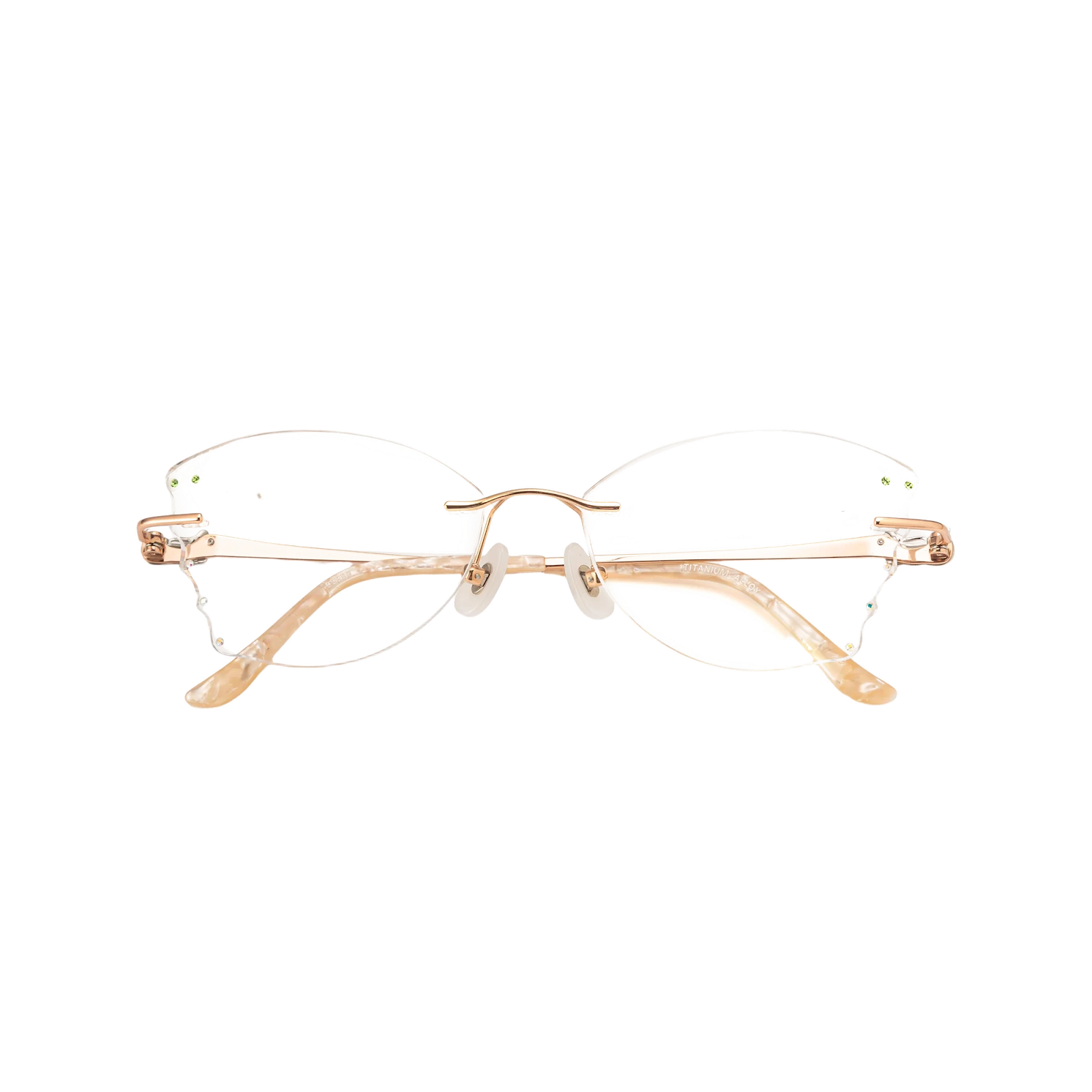
How to Fix Loose Glasses in 3 Simple Steps (At Home Fast)
Glasses that slide down your nose every few minutes are not just annoying. They break your focus.
The fix is almost always simple. Most loose frames have one of three problems — a loose screw a stretched arm or a nose pad that has lost its grip. You can solve all three at home in under five minutes with no special tools. At Bling Optical frames are built for long-term wearability but every pair eventually needs a small tune-up. Here is how to handle it yourself.
|
The 3 Fixes at a Glance |
|
Step 1 — Tighten the hinge screws |
|
Step 2 — Adjust the temple arms |
|
Step 3 — Fix the nose pads or bridge |
The 3-Step Fix — Tighten Your Glasses in Minutes

Step 1 — Tighten the Screws

The hinge screw is the first thing to check. It is a tiny fastener and even a half turn of slack is enough to make an arm feel wobbly.
You need a precision optical screwdriver — the kind that comes in a two-dollar repair kit from any pharmacy. Hold the frame steady with one hand and turn the screw clockwise until you feel resistance. Stop there. One extra turn past resistance can strip the threads and turn a minor fix into a bigger problem.
If the screw spins freely without catching the threads are already stripped. Do not keep turning. That screw needs replacing rather than tightening.
Step 2 — Adjust the Temple Arms

If the screws are snug but the eyeglasses still slide the arms need reshaping. The goal is a gentle inward curve at the earpiece that hooks behind the ear and holds the frame in place.
For metal frames apply slow steady inward pressure at the midpoint of the arm. No sudden force. The metal will hold the new shape.
For acetate hold the arm under warm tap water — about the temperature of a comfortable shower — for 30 to 60 seconds. When the plastic softens slightly bend the earpiece downward and slightly inward. Hold it there for about 20 seconds while it cools and sets.
|
Warning — Safety Note |
|
Do not use boiling water and do not use a hair dryer on high heat. |
|
Excessive heat damages anti-reflective coatings and can bubble the finish on acetate frames. |
|
Warm tap water only. |
Step 3 — Fix the Nose Pads or Bridge

Glasses that sit too low on your face usually have nose pads that are spaced too wide. Pinching them closer together narrows the bridge and pushes the frame higher.
Use your thumbs to gently squeeze the pad arms toward each other. Small adjustments make a noticeable difference. If the pads end up too close, they will dig in or leave red marks — just nudge them slightly apart until the fit feels right.
If your frame is solid plastic with no adjustable pads, the fix is different. Adhesive silicone nose pads — available online for a few dollars — stick directly onto the bridge and add grip and height without any permanent modification.
Why Your Glasses Become Loose Over Time

Frames loosen gradually and usually for one of three reasons.
- Screw vibration: Every time the arms open and close, the hinge moves. Over hundreds of cycles even a well-seated screw can back out slightly. This is normal and the fix is regular maintenance not a warranty claim.
- Heat exposure: Acetate and plastic have a memory. Leave your glasses on a car dashboard or near a sunny window and that memory softens. The frame expands slightly and never quite returns to its original tension.
- One-handed removal: Taking glasses off with one hand pulls the frame asymmetrically every single time. Over months that one-sided tension stretches the hinges and creates a crooked, loose glasses fit. Two hands on the temples is the habit that prevents this.
How to Fix Loose Glasses Arm — Temple Adjustment Guide
For Metal Frames

Titanium and standard metal arms are the most forgiving to adjust. The Gold Peacock Rimless Glasses for example uses a frame architecture that holds adjustments well over time.
Hold the hinge with one hand to stabilize it. With the other apply gentle inward pressure along the length of the temple arm. You want the arm to curve slightly toward the head just above the ear rather than flaring outward. Test the fit and repeat in small increments.
For Plastic Frames
Cold acetate snaps. Never try to bend it without warming it first.
Hold the temple arm under warm running water for 30 to 60 seconds. The plastic will feel slightly flexible — not rubbery but no longer rigid. At that point gently bend the earpiece downward and inward. Hold the new shape for 20 seconds while the material cools and locks into position.
If the adjustment is not enough after one attempt repeat the process. Do not force extra bend while the material is still warm — you can overshoot the curve and end up with a frame that grips too tightly.
How to Fix Glasses That Keep Sliding Down Your Nose
Adjust Nose Pads Properly

For frames with adjustable metal pad arms this is a two-second fix. Squeeze the pad arms closer together and the bridge narrows. The glasses ride higher and grip better.
If they leave red marks on the sides of your nose after adjustment they are too close. Ease them apart slightly. The right position has light even contact on both sides without any pressure point.
Increase Grip — DIY Options
Some frames — especially plastic styles — have no adjustable pads at all. These are the ones people usually end up pushing back up every 20 minutes.
- Silicone adhesive pads: Peel and stick directly onto the bridge. Add grip and a small amount of height. They are inexpensive and easy to swap out when they wear down.
- Eyewear wax: A thin layer applied to the bridge area creates a tacky surface that holds even in heat or humidity. Good option for prescription sports use or hot weather.
Check Frame Width Fit
If none of the above fixes the slide the frame itself may be the wrong width for your head. A frame that is too wide will not touch the sides of your head until it reaches the ears. At that point the arms cannot create any grip — there is nothing to hook against.
Nose pad pinching will not solve a width problem. The arms need to be bent inward at the midpoint to bring the temples closer to the sides of your head. If that is beyond a comfortable DIY fix a visit to an optician takes about five minutes and costs nothing at most independent practices.
Different Frame Types Require Different Fixes
The wrong technique for your frame material can do more damage than the original problem. Here is how to match the fix to the frame.
|
Frame Type |
Best Fix Method |
Key Caution |
|
Metal / titanium |
Adjust pad arms with fingers, tighten screws |
Firm steady pressure only — no jerking |
|
Plastic / acetate |
Warm water soak then bend temple tips |
Never use boiling water or high heat |
|
Rimless / semi-rimless |
Tighten bridge and temple screws carefully |
Over-tightening can crack lens at drill point |
Metal Frames
Metal is the easiest to work with. The pad arms are adjustable with bare fingers. The screws are standard sizes. You can make a precise fit adjustment in small increments without any risk of cracking.
Rimless and Semi-Rimless Frames

These rely on small screws or a nylon cord to hold the lens against the frame. A wiggly feel usually means one of those screws has backed out. Tighten it carefully with a small optical screwdriver but stop before it feels fully locked — over-tightening a drill-mount screw can crack the lens at the hole. The Geometric Rimless Glasses uses precision-drilled mounts that are stable when properly maintained. Check the screws every few weeks rather than waiting until something wiggles.
Quick Fix vs Permanent Fix — What Actually Lasts
Tightening a hinge screw is a quick fix. It works immediately but it screws back out eventually. Plan to check screws every month or two as standard upkeep.
Reshaping the temple arms is a permanent fix. When you adjust the curve of the arm or the angle of the earpiece, you are changing the structural tension of the frame. That adjustment holds until something physically changes the shape again — usually heat or another impact.
For the most stable long-term fit, both approaches work together. Tight screws plus correctly curved arms give you a frame that stays put for months rather than days.
When to Stop DIY and Visit an Optician
Most fixes are easy. A few situations call for professional help.
- Stripped screws: If a screw turns without catching, the threads are gone. An optician can re-tap the hole or fit an oversized screw. Continuing to turn a stripped screw achieves nothing.
- Stuck or snapped hinges: A spring hinge that has seized or a broken arm needs specialist tools. Forcing it at home will complete the break.
- Severe misalignment: If one lens sits noticeably higher than the other, do not try to eyeball the correction. Optical misalignment causes headaches and distorted vision. An optician can measure and fix this in minutes.
Professional adjustments at independent opticians are usually free with any purchase and take about five minutes. The Designer Rimless Glasses collection and other precision-built rimless styles are worth protecting with a professional adjustment when anything feels seriously off.
How to Prevent Glasses from Getting Loose Again
Regular Screw Checks
Every few weeks, pick up the repair kit and give each hinge screw a quarter turn clockwise. If it resists, it is already tight. If it turns easily it needed that check. Two minutes of maintenance prevents the gradual slide into a loose fit.
Proper Storage Habits
Never use your glasses as a headband. Pushing them up onto the top of your head forces the arms wider than your temples every single time. Over weeks that stretches the hinges permanently.
Store in a hard case when not wearing. A case protects against the accidental bends that happen in bags and pockets.
Avoid Heat Damage
Do not leave glasses on a car dashboard seat near a window or in direct sunlight for extended periods. The heat softens the frame material enough to change its shape and it does not always bounce back. The Fox-Eye Gold Rimless Glasses and similar titanium frames handle temperature variation better than acetate but the same basic rule applies — store them somewhere stable when you are not wearing them.
Frequently Asked Questions
How do I tighten my loose glasses?
Start with the hinge screws — a clockwise quarter turn with a precision screwdriver is usually all it takes. If the screws are tight and the glasses still slip, use the warm water method to bend the temple tips slightly inward and downward. That creates more grip behind the ears.
How to fix glasses that are wiggly?
Wiggle almost always means a loose hinge screw. Tighten it with a 1.4mm or 1.6mm optical screwdriver. If the wiggle continues after tightening the hinge, the hinge itself may be slightly bent, and a gentle squeeze with soft-tipped pliers will bring it back.
How can I stop my glasses from slipping down my nose?
Pinch the nose pads closer together if your frame has adjustable pads. For plastic frames, add adhesive silicone pads to the bridge. A small amount of eyewear wax applied to the bridge area also helps on days when heat or oil is making the surface slippery.
Why do glasses get loose?
Three main reasons — hinge screws vibrate loose over time, heat from the sun or a hot car softens the frame and lets it expand, and taking glasses off with one hand pulls the frame asymmetrically. All three are easy to prevent once you know they are happening.
How to fix loose glasses arm?
If the screw is tight and the arm still moves outward too much, the arm needs reshaping. For metal frames, apply gentle inward pressure at the midpoint. For acetat,e warm the arm under tap water for 30 seconds then bend and hold until it cools.
Do glasses fix astigmatism?
Yes. Toric lenses are made specifically to correct the irregular curvature that causes astigmatism. They focus light onto the retina more evenly. Most people notice a clear improvement within a few days of wearing the right prescription.
Can new glasses cause dizziness with astigmatism?
That is normal for the first few days. Astigmatism lenses change how your brain perceives depth and shape. Most people adjust within a week. If the dizziness lasts longer than that, go back to your optometrist as the axis or strength may need a small tweak.
Is minus 5.75 legally blind?
No. Legal blindness means corrected vision of 20/200 or worse. A minus 5.75 prescription is high myopia, but if glasses or contacts correct your vision to 20/20, you are not legally blind by any standard definition.


